Newspaper funnies and television grew up side by side. In the 1960s and 1970s, networks looked at ready-made characters with built-in audiences and saw an easy bet. Some of those bets paid off for decades, and others faded after a season.
The strips below weren’t all born in those years. Several started earlier, but each one reached the small screen during the 1960s or 1970s, and that’s the link here. Some became sitcoms, some cartoons, and one became a holiday tradition.
Peanuts
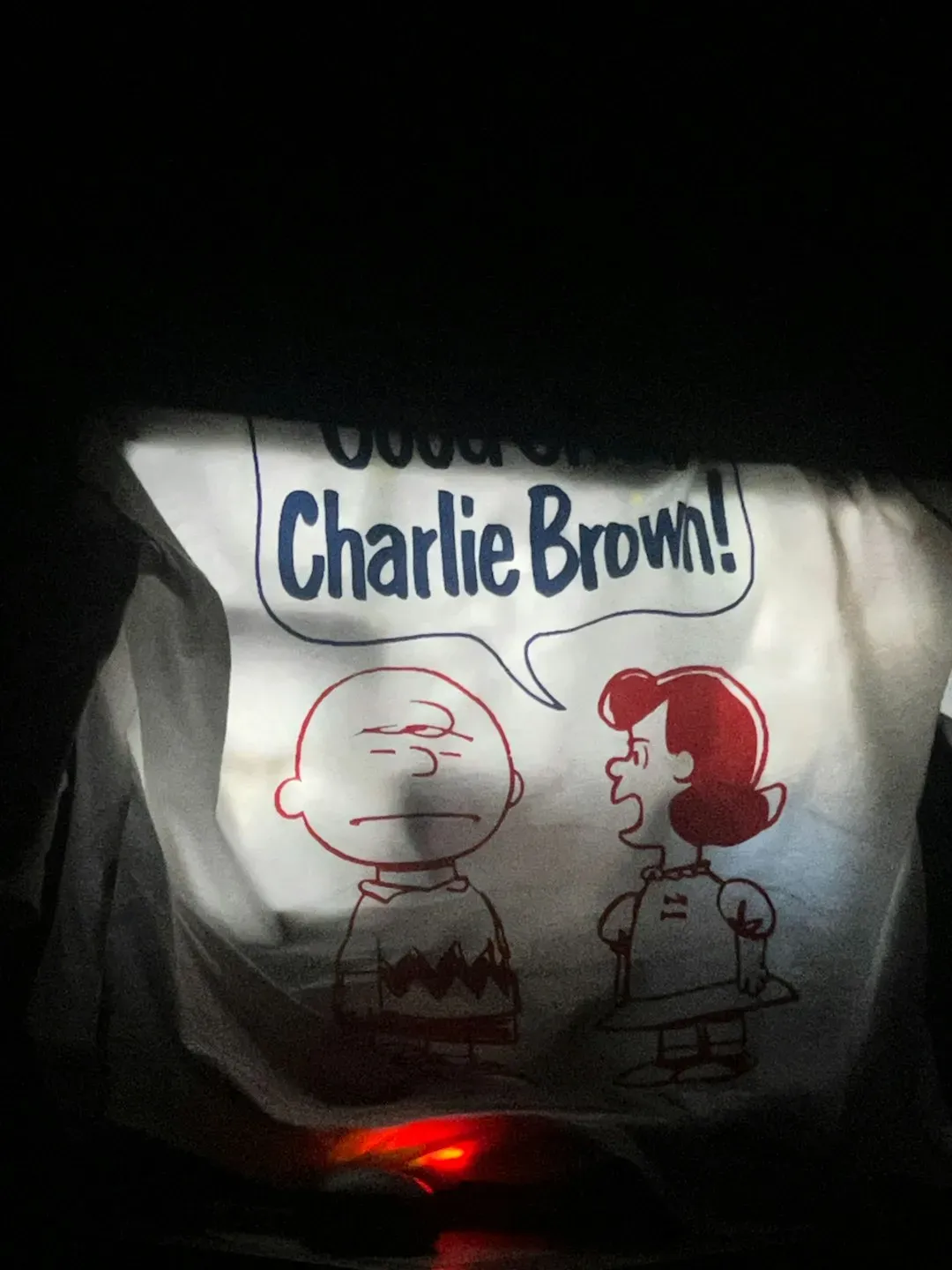
Charles M. Schulz’s strip had been running since 1950 when it made its television debut. A Charlie Brown Christmas aired on CBS on December 9, 1965. Producer Lee Mendelson and director Bill Melendez brought the gang to life, and the special used a jazz score by Vince Guaraldi.
Network executives reportedly doubted it at first, partly because of its quiet pace and the use of real children for the voices. Viewers disagreed. The special went on to win both an Emmy and a Peabody Award, and more Peanuts specials followed throughout the 1970s.
The Addams Family
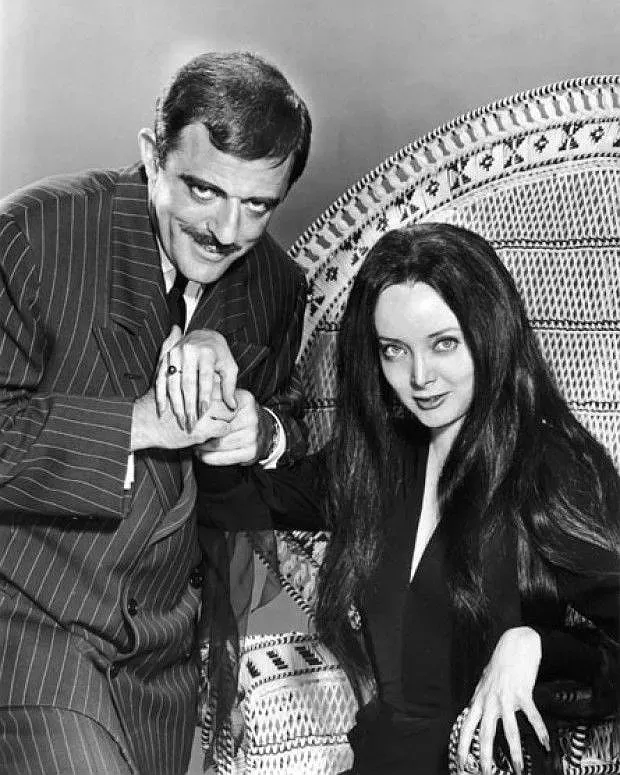
Charles Addams drew his macabre family as single panel cartoons, first for The New Yorker in the late 1930s. They had no names or ongoing storyline until the television producers stepped in. The ABC sitcom premiered in 1964 and gave the characters the names we know today, including Gomez and Morticia.
John Astin and Carolyn Jones played the central couple. The show ran for two seasons and 64 episodes before cancellation in 1966. Reruns later turned it into a pop culture staple, and it eventually led to films and other revivals.
Hazel

Hazel began as a single panel cartoon by Ted Key in The Saturday Evening Post, starting in 1943. It followed a strong willed housemaid who ran her employers’ household her own way. NBC turned it into a sitcom that premiered in 1961, with Shirley Booth in the title role.
Booth already had major stage and film credits, and she won Emmy Awards for the part. The series ran for five seasons, moving from NBC to CBS for its final year in 1965. It’s a good example of a cartoon concept that translated to live action with almost no changes.
Dennis the Menace
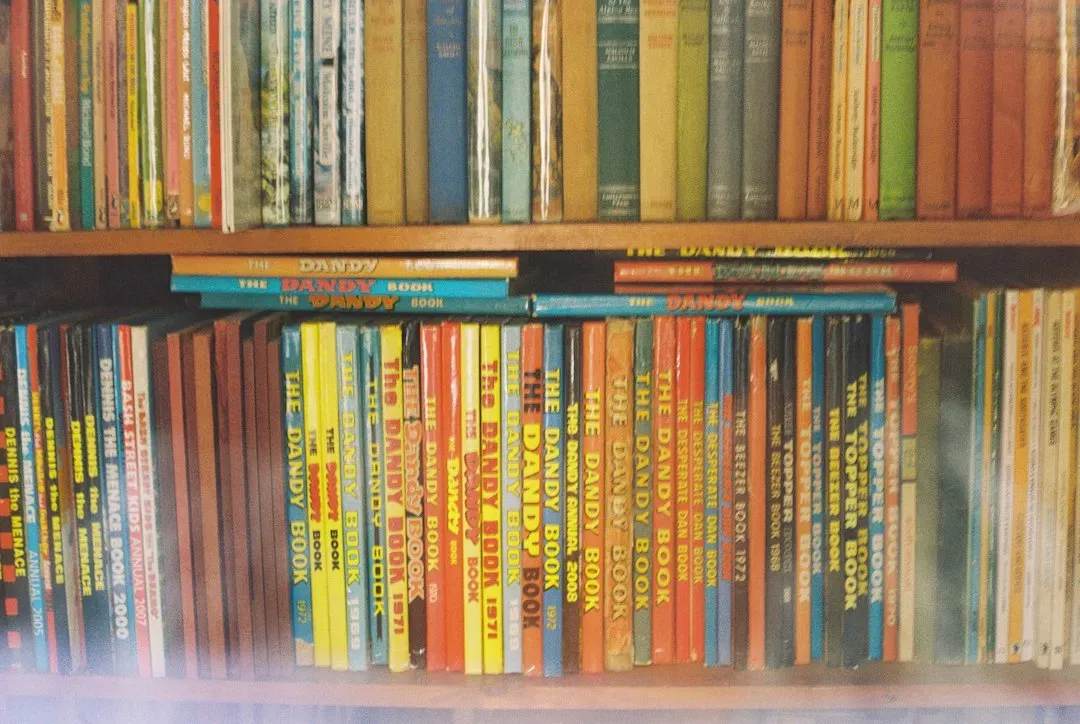
Hank Ketcham launched Dennis the Menace as a newspaper panel in 1951. The CBS sitcom followed in October 1959 and carried into the early 1960s, finishing its run in 1963. Jay North played Dennis, and his neighbor Mr. Wilson became a central figure in the comedy.
The show was built around small domestic disasters, much like the strip itself. Its production stretched across about four seasons, and it remains one of the more faithful translations of a panel cartoon into a weekly series. Reruns kept the character familiar to later generations.
Blondie
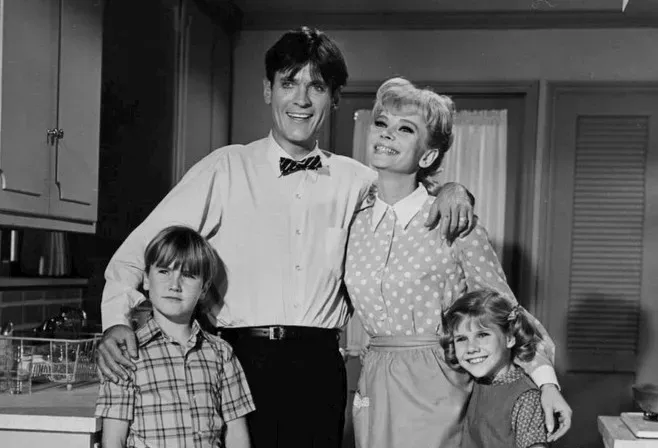
Chic Young’s Blondie started in 1930 and was already a film and radio veteran before television came calling. A 1957 sitcom came first, and a second version arrived on CBS in 1968. Patricia Harty played Blondie, and Will Hutchins played Dagwood.
The 1968 series didn’t last long and is far less remembered than the strip. Its short life is a reminder that even a hugely popular comic doesn’t guarantee television success. The strip itself carried on for decades afterward.
Beetle Bailey
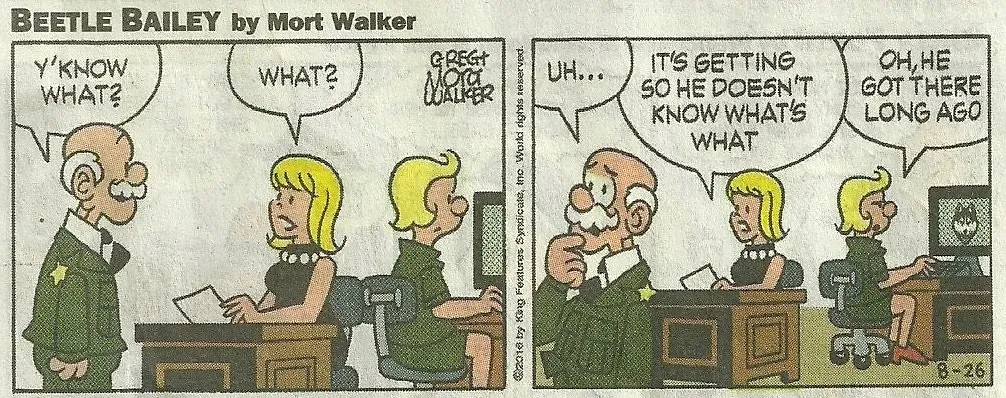
Mort Walker introduced Beetle Bailey in 1950, set first on a college campus and soon at a military camp. In the early 1960s, King Features produced a series of short Beetle Bailey cartoons for television. They were part of a wider push to turn the company’s strips into animated programming.
The cartoons were made on tight budgets and used the strip’s usual cast, including Sergeant Snorkel and General Halftrack. They ran alongside other King Features properties such as Popeye. The strip kept going long after those cartoons, which only added to its reputation as a durable newspaper fixture.
Flash Gordon
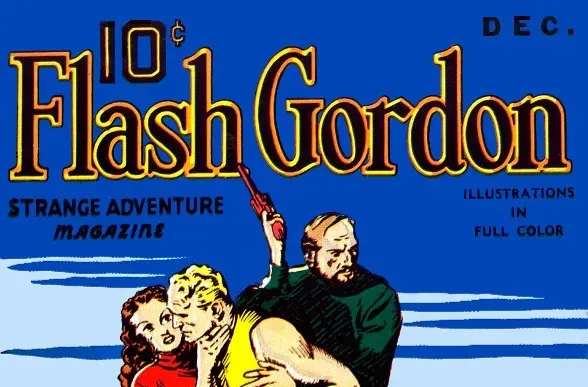
Alex Raymond’s Flash Gordon first appeared in newspapers in 1934, and it had already inspired film serials and an earlier television series. Filmation brought it back in 1979 with The New Adventures of Flash Gordon on NBC. The animated version leaned into space adventure for a Saturday morning audience.
Filmation was known for producing animated adaptations in that era, and this one fit its style well. The series kept Flash, Dale Arden, and Dr. Zarkov at the center of the story. It showed that a strip from the 1930s could still find an audience at the end of the 1970s.