History has a way of simplifying itself into clean, memorable stories. The problem is that clean stories often aren’t true ones. Over centuries, a mix of propaganda, creative writing, Hollywood imagination, and plain misreading of sources has produced a set of “facts” about the past that billions of people still accept without question.
Some of these myths are harmless curiosities. Others have shaped how entire cultures, countries, and historical figures are remembered. Here are five of the most widely believed historical myths that researchers and archaeologists have since proven false.
1. Napoleon Bonaparte Was Unusually Short
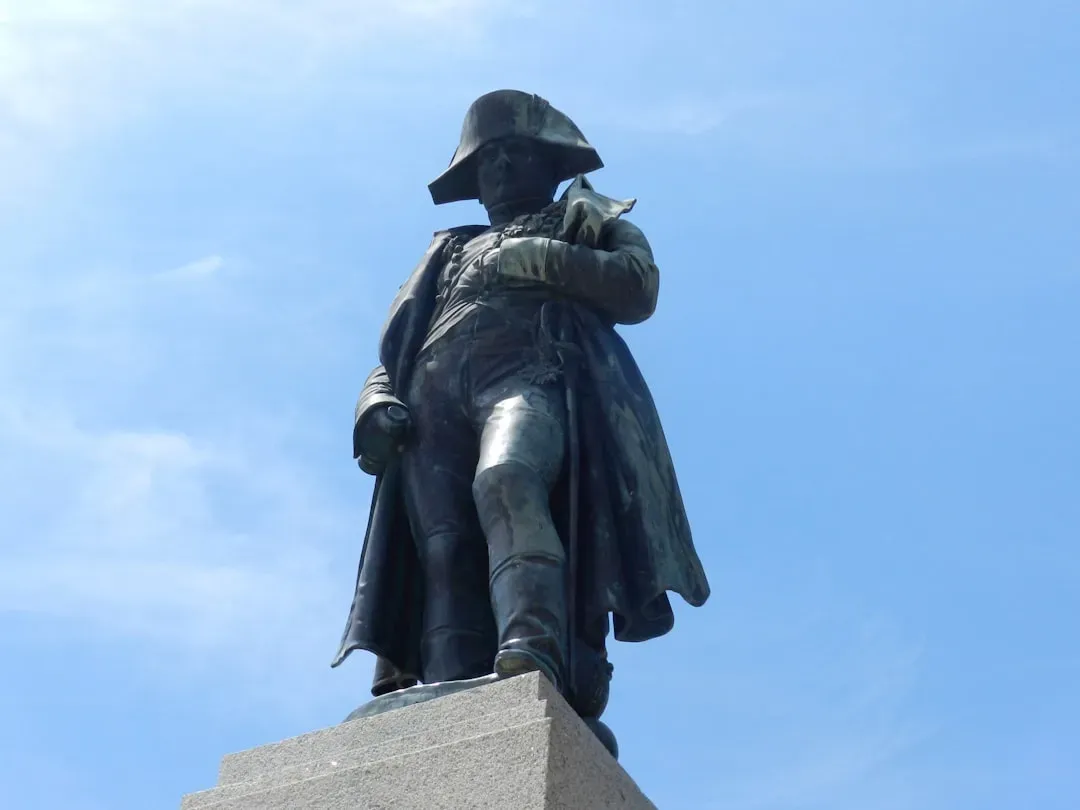
The myth that Napoleon Bonaparte was unusually short started from British propaganda and a difference in old French and British measurement systems. According to pre-metric system French measures, he was a diminutive five feet two inches, but the French inch of the time was 2.7 centimeters, while the Imperial inch was shorter at 2.54 centimeters. Once you make that conversion, the height that seemed alarming simply isn’t.
Sources estimate that Napoleon was probably closer to five feet six or five feet seven inches tall. Although that range may seem short by modern standards, it was typical in the 19th century, when most Frenchmen stood between five feet two and five feet six inches. Napoleon was, by any interpretation, average or taller. Historians also point out that Napoleon was often seen in public in the presence of Old Guard grenadiers, who were intentionally selected for their height, and whose uniforms may have made the emperor look slight in comparison.
2. Medieval People Believed the Earth Was Flat
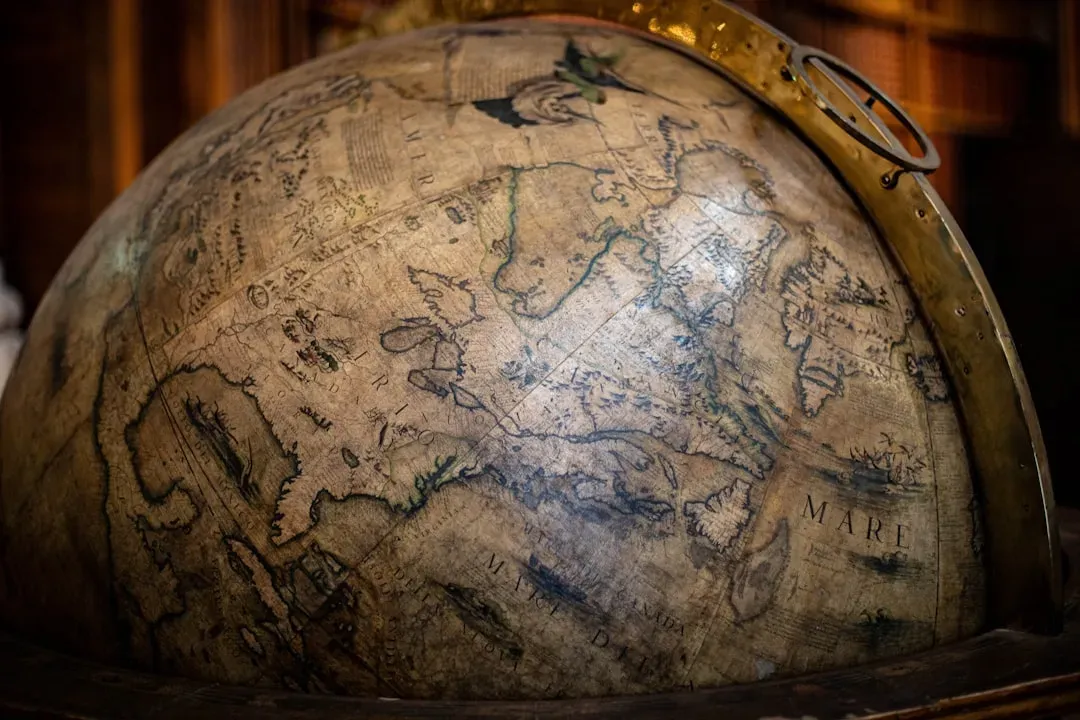
Medieval European scholars did not believe the Earth was flat. Scholars have known the Earth is spherical since at least the sixth century BCE. The notion that the medieval world was populated by flat-earthers is not a medieval belief at all. The flat Earth myth is relatively recent, created primarily in the 19th century as anti-religious and anti-medieval propaganda. Two books in particular popularized the myth: John William Draper’s “History of the Conflict Between Religion and Science” published in 1874, and Andrew Dickson White’s “A History of the Warfare of Science with Theology in Christendom” published in 1896.
When Columbus planned his voyage, the dispute wasn’t whether Earth was round but how large it was. Columbus believed it was much smaller than the actual size, which is why he thought he’d reached Asia when he landed in the Caribbean. Medieval scholars even calculated Earth’s circumference with reasonable accuracy. The 13th-century philosopher Roger Bacon cited estimates close to the actual figure. The narrative of ignorant medieval people cowering under a flat sky was a story invented to make the modern era look enlightened by comparison.
3. The Egyptian Pyramids Were Built by Slaves

Contrary to popular belief, it wasn’t slaves who built the pyramids. We know this because archaeologists have located the remains of a purpose-built village for the thousands of workers who built the famous Giza pyramids, nearly four thousand five hundred years ago. Until recently, it was widely believed that enslaved people built the pyramids. Misinterpretations of the biblical book of Exodus and written work by ancient Greek historian Herodotus contributed to this theory. Hollywood then did the rest, locking the image of whip-driven slaves into popular imagination through decades of epic cinema.
Egyptologist and Secretary General of the Supreme Council of Antiquities, Zahi Hawass, confirmed the workers were paid laborers based on the location and care shown to bodies as they were prepared for burial. Builders were buried in tombs close to the pyramids, a place of honor, and furnished with supplies for the afterlife. Nowhere have archaeologists found signs of slavery or foreign workers. Meanwhile, there is ample evidence of labor tax collection throughout ancient Egypt. The men who built the last remaining wonder of the ancient world ate meat regularly and worked in three-month shifts.
4. Vikings Wore Horned Helmets
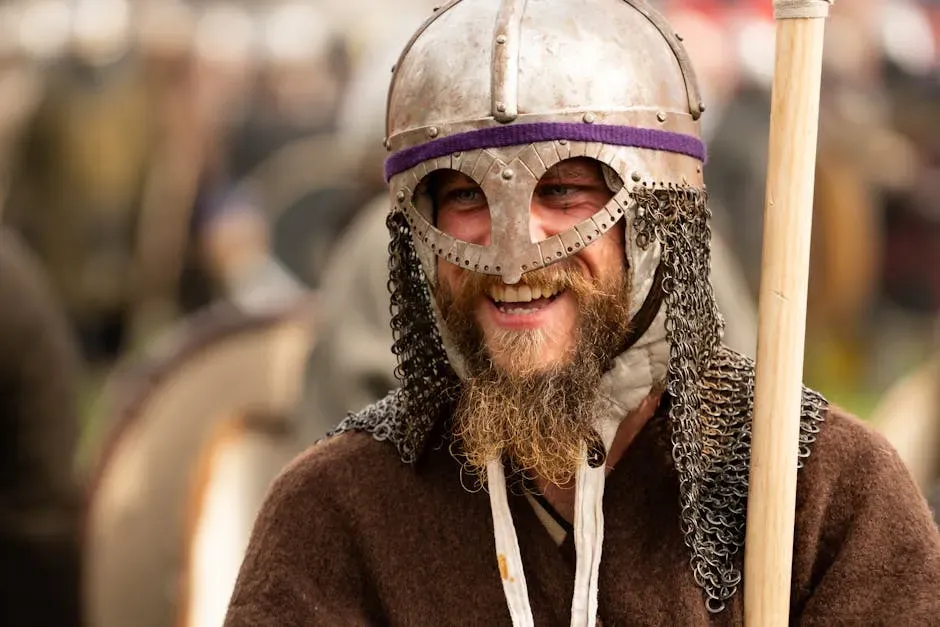
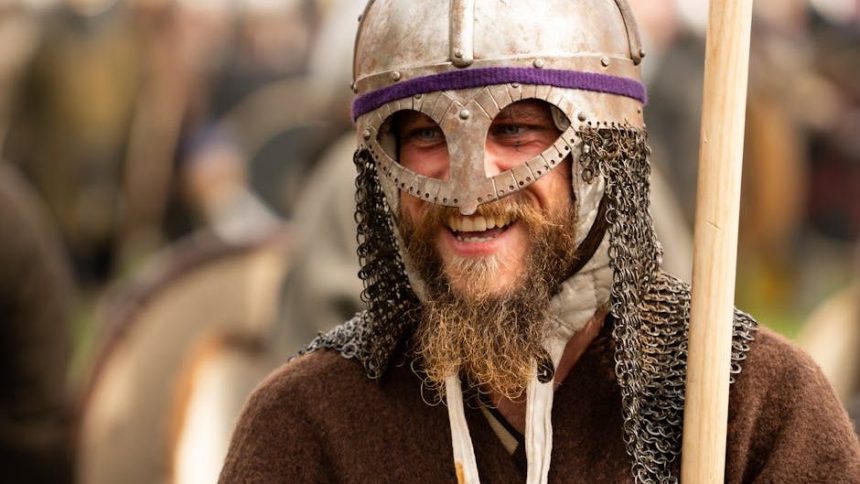
Vikings never wore horned helmets into battle. This iconic image was created by a 19th-century costume designer for Wagner’s opera “Der Ring des Nibelungen.” No archaeological evidence has ever been found supporting horned Viking helmets, and practically speaking, such headgear would have been a liability in combat, providing opponents with convenient handles to grab. The archaeological evidence is clear: Viking helmets did not have horns. The finds show that the Norsemen emphasized functionality and protection, which is in line with the requirements of medieval warfare.
Researchers had previously suggested that the two helmets decorated with curved horns originated in the Nordic Bronze Age, dated from 1700 to 500 BCE. A study published in the journal Praehistorische Zeitschrift used radiocarbon dating of birch tar found on one of the horns to confirm their age more precisely. In other words, horned helmets did exist in Scandinavia, but they predate the Viking Age by more than a thousand years and were likely used for ceremony, not combat. Romanticism and the rise of nationalism in the 19th century played a decisive role in spreading the myth. At that time, many European countries were looking for heroic figures to strengthen their national identity, and artists of the era tended to idealize the Vikings, adding elements such as horned helmets to make their depiction more dramatic and heroic.
5. Marie Antoinette Said “Let Them Eat Cake”
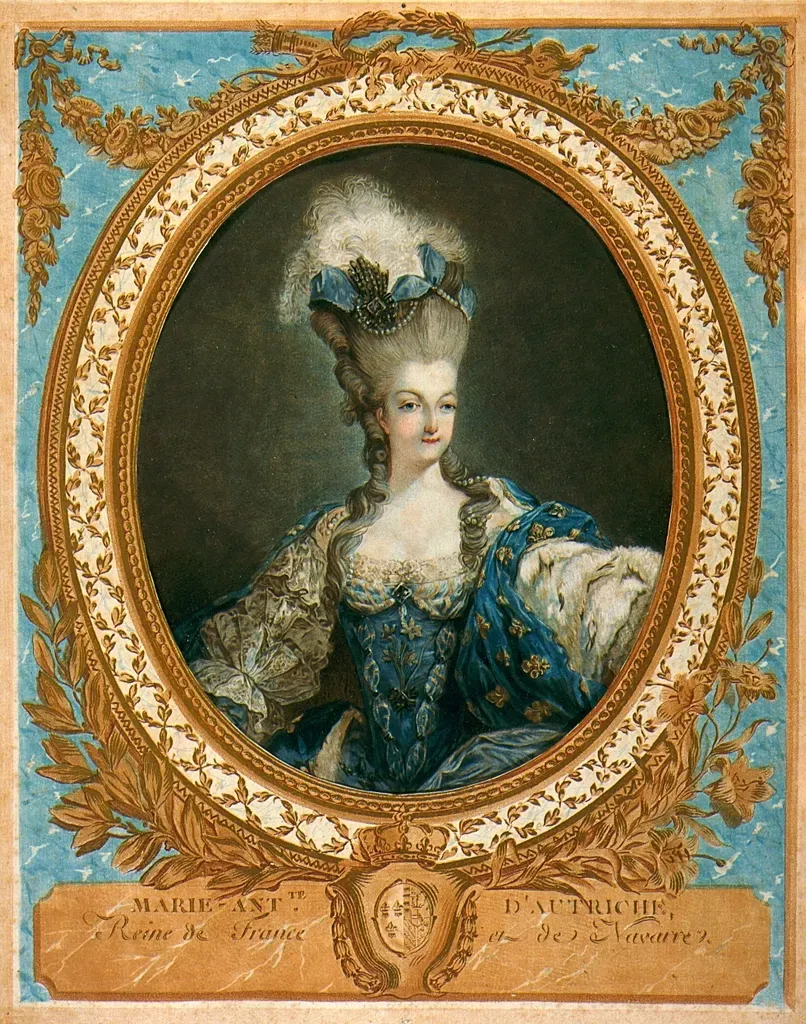
Marie Antoinette did not say “let them eat cake” when she heard that the French peasantry was starving. The phrase was first published in Rousseau’s Confessions, written when Marie Antoinette was only nine years old and was not attributed to her, just to “a great princess.” It was first attributed to her in 1843. By that point, she had been dead for half a century, and the Revolution had long since made her a convenient villain.
Given that Rousseau’s Confessions was written between 1765 and 1769, Marie Antoinette was just a child at the time of writing, likely between ten and fourteen years old. Rousseau never directly attributed the quote to Antoinette, instead citing an unnamed “great princess,” and modern historians generally believe Marie Thérèse, the wife of Louis XIV who lived about a century earlier, is a more likely source. The quote appeared in French literature decades before her reign and was later assigned to her as a tool of revolutionary propaganda. It became a useful symbol of aristocratic indifference, regardless of whether anyone had actually said it.
What all five of these myths share is a common thread: they were useful. Propaganda, politics, theatrical flair, and the simple human desire for a good story all played a role in how they spread and why they stuck. The more satisfying a tale is, the less likely people are to question it. That pattern is worth remembering well beyond the history books.