Every so often a movie gets a second chance. It shows up in theaters, critics shrug or sneer, audiences grumble about what it isn’t, and then it quietly disappears into video store bins and cable reruns. Years later, something shifts. A new generation finds it, older fans revisit it without the baggage of expectation, and suddenly the movie everyone loved to dunk on is the one people can’t stop defending. That flip doesn’t happen often, but when it does, it says something interesting about how we watch movies and how memory reshapes taste. Here are nine sequels that took a beating when they first hit screens and have since earned a much warmer welcome.
1. Star Wars: Revenge of the Sith (2005)
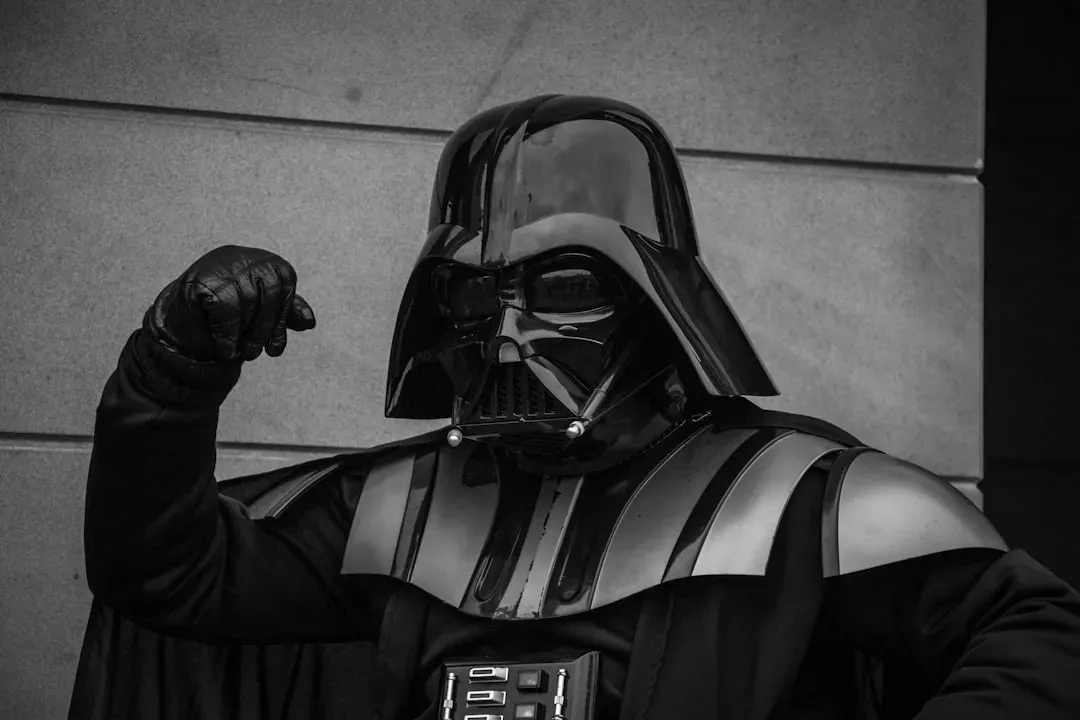
The first two prequels landed with a thud among longtime fans, and by the time Episode III arrived, expectations were bruised at best. Yet this grimmer chapter, chronicling Anakin Skywalker’s descent into the dark side and transformation into Darth Vader, scored an exceptional 86% on the Tomatometer, with critics calling the character-driven Episode III an exhilarating rollercoaster ride. That was already a much stronger reception than its predecessors got.
What’s happened since is something more than simple nostalgia. Today, many fans consider it among the best Star Wars films ever made, often ranking just behind The Empire Strikes Back, partly because fans who grew up with the prequels are now adults writing about it themselves. A 2025 theatrical re-release only underlined the shift, drawing crowds that a generation earlier would have seemed unthinkable for a movie once treated as a punchline.
2. Halloween III: Season of the Witch (1982)

This one broke the cardinal rule of slasher sequels: it dropped Michael Myers entirely. Audiences expecting another masked killer instead got a standalone story about killer Halloween masks and a corporate conspiracy, and they were furious about it at the time.
Decades on, horror fans have come around to appreciating the film on its own strange terms, treating it less as a betrayal of the Halloween name and more as a genuinely unsettling piece of early-80s horror with a memorably creepy jingle and a plot that owes more to Nigel Kneale than to Michael Myers. Its cult standing has only grown as later Halloween sequels leaned harder into formula, making the odd, ambitious detour of Part III look more interesting by comparison rather than less.
3. Gremlins 2: The New Batch (1990)
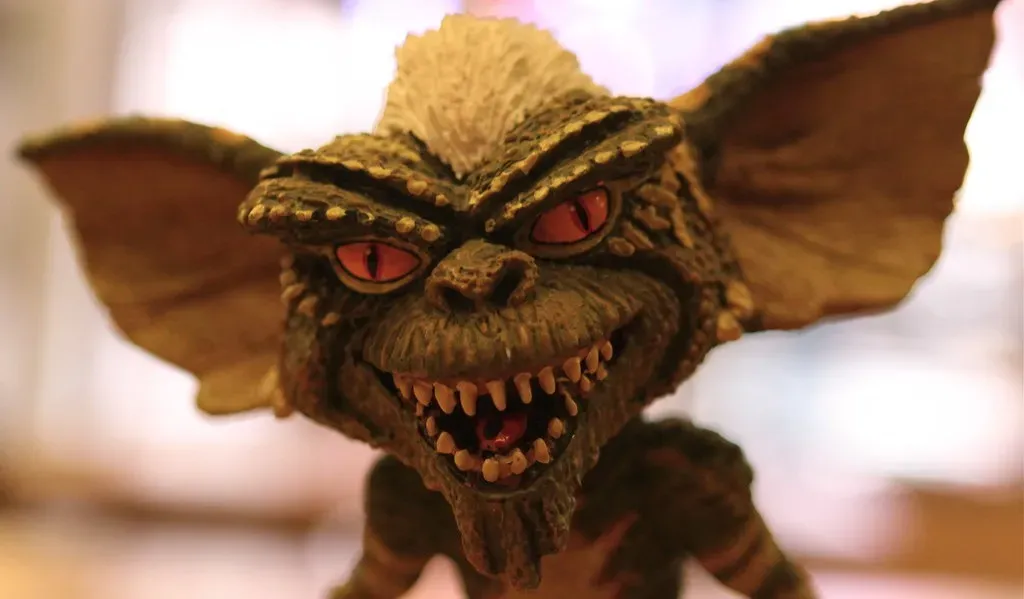
Six years after the original became a surprise smash, the sequel arrived to a shrug. It was theatrically released by Warner Bros. Pictures on June 15, 1990, and received generally positive reviews, grossing $42 million on a budget of $30–50 million. That box office performance was seen as a disappointment for a franchise follow-up of its size.
What’s changed is how people talk about it now. Since its release, it has developed a cult following, thanks largely to director Joe Dante’s decision to make the film a self-aware satire rather than a straightforward retread. Fans who once dismissed it as unnecessary now often call it one of the more inventive horror-comedy sequels of its era, and a third Gremlins film currently in development has only renewed interest in revisiting it.
4. The Godfather Part III (1990)
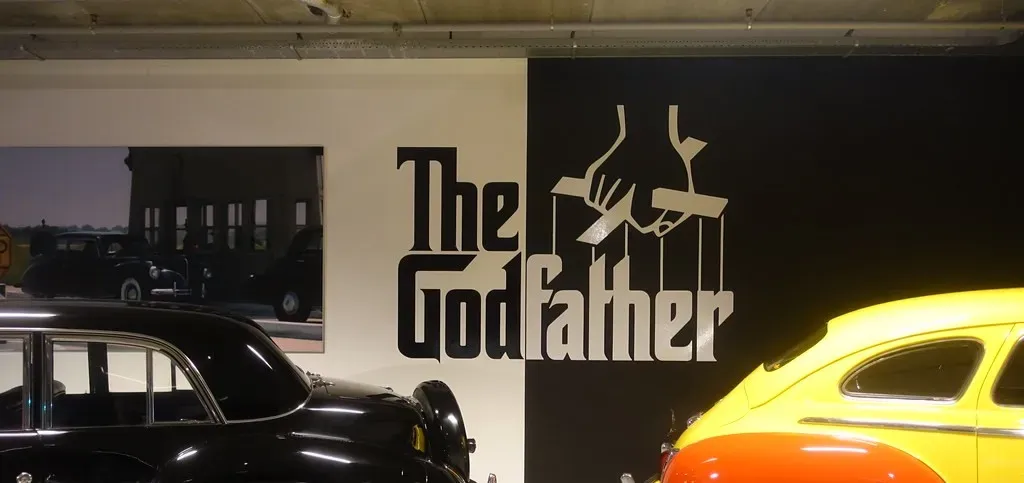
Few sequels carried heavier expectations than the third chapter of Coppola’s Corleone saga, and few landed with a heavier thud. 1990’s The Godfather Part III has always been a controversial addition to the masterful saga, with a decidedly mixed reaction, with much of the criticism aimed at pacing and Sofia Coppola’s performance as Mary.
Thirty years later, Coppola tried to settle the score. In honor of the film’s 30th anniversary in 2020, he released a re-cut called Mario Puzo’s The Godfather, Coda: The Death of Michael Corleone, saying he created a new beginning and ending and rearranged scenes, shots, and music cues to make it a more appropriate conclusion. The recut didn’t erase every flaw, but it gave longtime skeptics a reason to revisit the film with fresh eyes, and many walked away with more affection for it than they expected.
5. Alien 3 (1992)
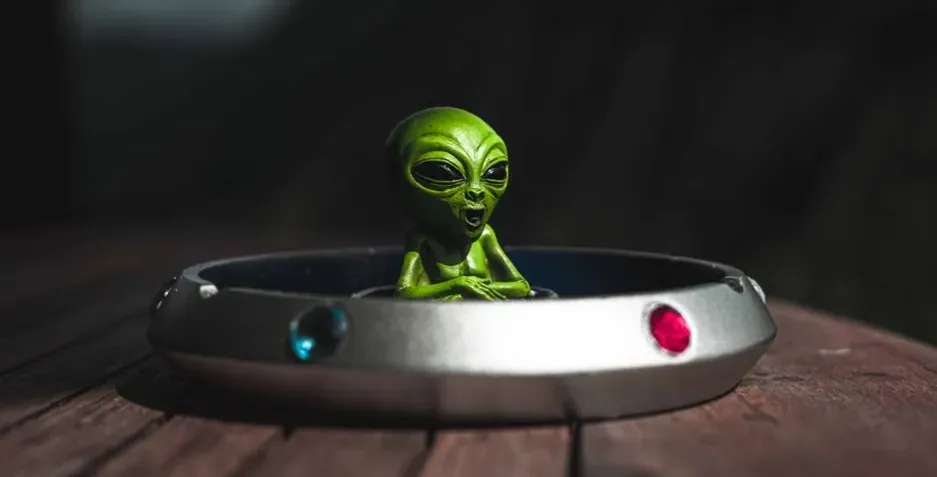
Coming after two beloved and wildly different classics, Alien 3 had almost no way to satisfy everyone, and at the time it mostly didn’t. Reviews were mixed, fans mourned the fates of beloved characters from Aliens, and the theatrical cut felt to many like a movie compromised by studio interference during production.
Over time, though, the film has quietly built a devoted following. Despite mixed to negative reviews, it has managed to become a bit of a cult classic in its own right, and the fact that people are still talking about the film decades after its release speaks to its staying power. Fan-made recuts and restorations have kept the conversation alive, with dedicated editors continuing to refine the film’s pacing and effects for new audiences who see it as a bleaker, more thematically ambitious entry than it first appeared.
6. Tron: Legacy (2010)
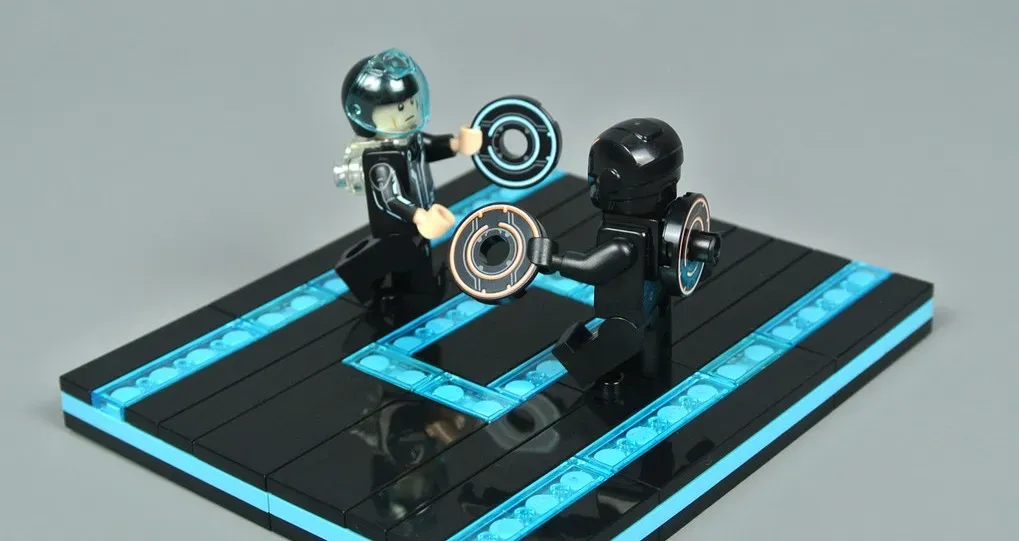
Arriving nearly three decades after the original cult film, Tron: Legacy split critics down the middle. Some praised its visuals and Daft Punk’s score, while others found the story thin and the human performances flat, and box office returns were solid but far from spectacular for a film with its budget and marketing push.
What’s aged remarkably well is the aesthetic itself. The glowing grid designs, the synth-heavy score, and the moody visual language have become touchstones for a whole generation of designers and musicians, and the film’s reputation among fans has steadily climbed even as mainstream critical consensus stayed lukewarm. It’s become the rare sequel where the vibe outlasted the plot complaints entirely.
7. Fast & Furious: Tokyo Drift (2006)
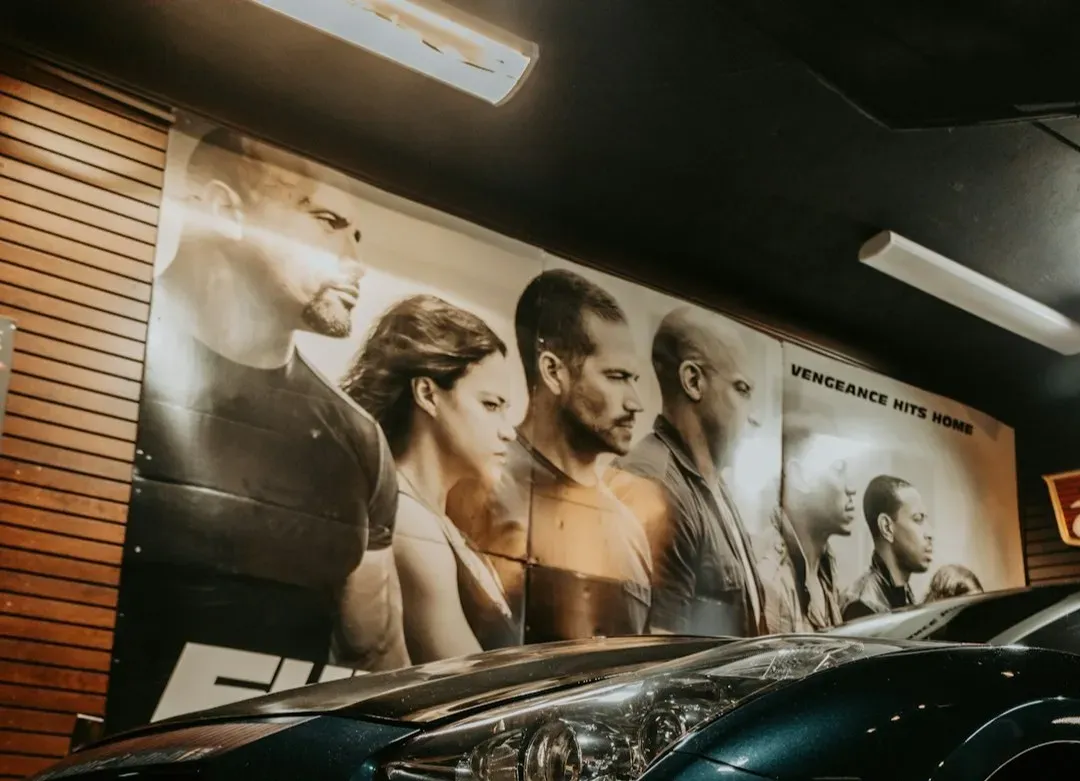
This is arguably the most dramatic reversal on this list. It grossed only $62.5 million domestically on an $85 million budget, resulting in the franchise being soft-rebooted three years later with Fast & Furious, returning the focus to Dom Toretto and his crew. At the time, fans were openly frustrated that the film abandoned its returning stars.
Yet the film’s reputation has done a complete about-face since then. Initially criticized for lacking Vin Diesel and Paul Walker, it has since become one of the most beloved films in the franchise. A huge part of that turnaround traces back to one character. Han was so beloved that he was brought back for Fast & Furious, Fast Five, and Fast & Furious 6 as prequels from before his apparent death, and the franchise eventually revealed Han was actually alive, with the JusticeForHan movement leading to his official return in F9 and Fast X.
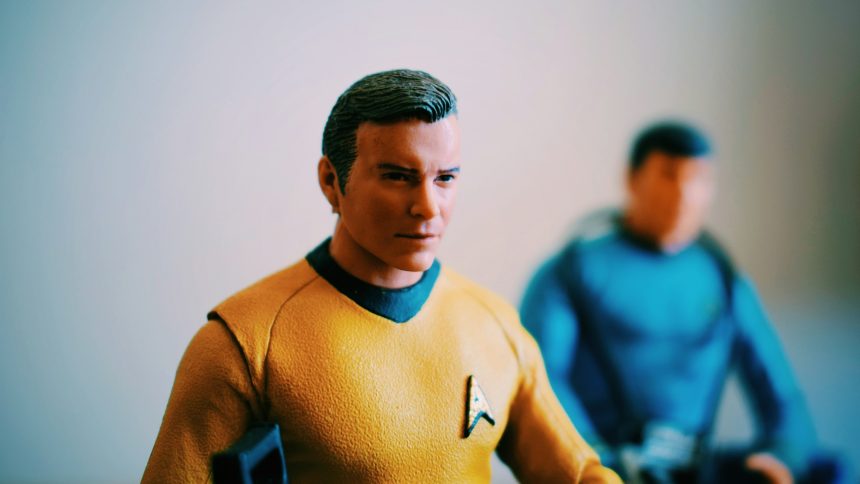
8. Star Trek: The Motion Picture (1979)
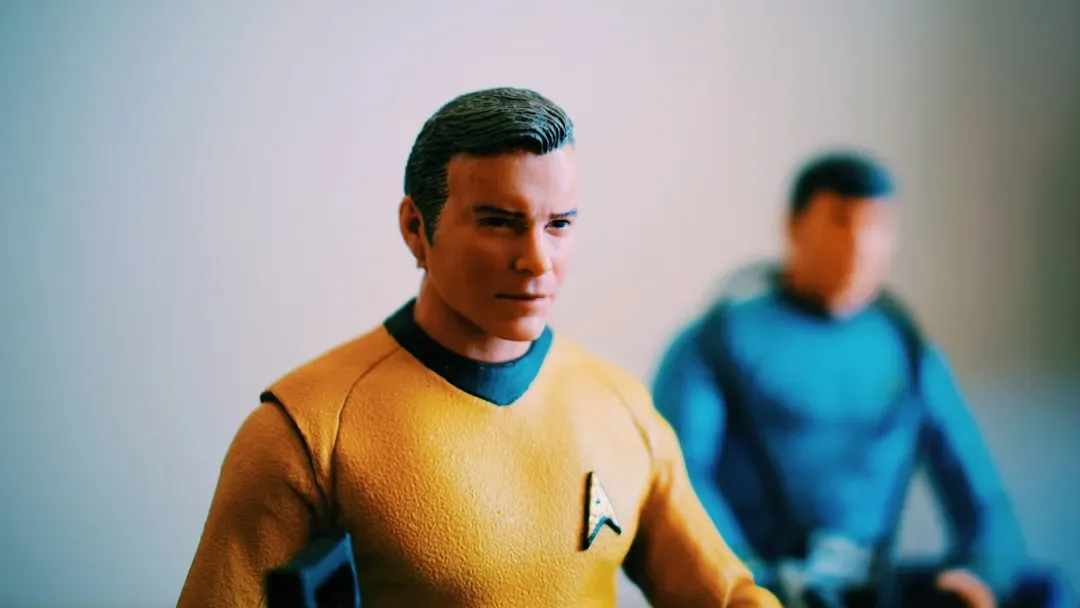
The first Star Trek film had a famously difficult production and arrived to reviews that called it slow, cold, and overly reverent toward its own visual effects sequences. Fans who’d waited a decade for the crew’s return to screens found themselves sitting through long stretches of ships gliding through space rather than the character banter that made the original series work.
Partner offer
Among dedicated Star Trek fans, though, the film has earned a more respectful place over time, particularly after director Robert Wise’s own director’s edit reworked the pacing years later. Viewed today as a deliberate, almost meditative piece of science fiction rather than a failed action movie, it’s frequently reassessed by longtime Trekkies as an ambitious, if flawed, attempt to bring genuine scale and awe to the franchise rather than the misstep it was once labeled.
9. Star Wars: Attack of the Clones (2002)
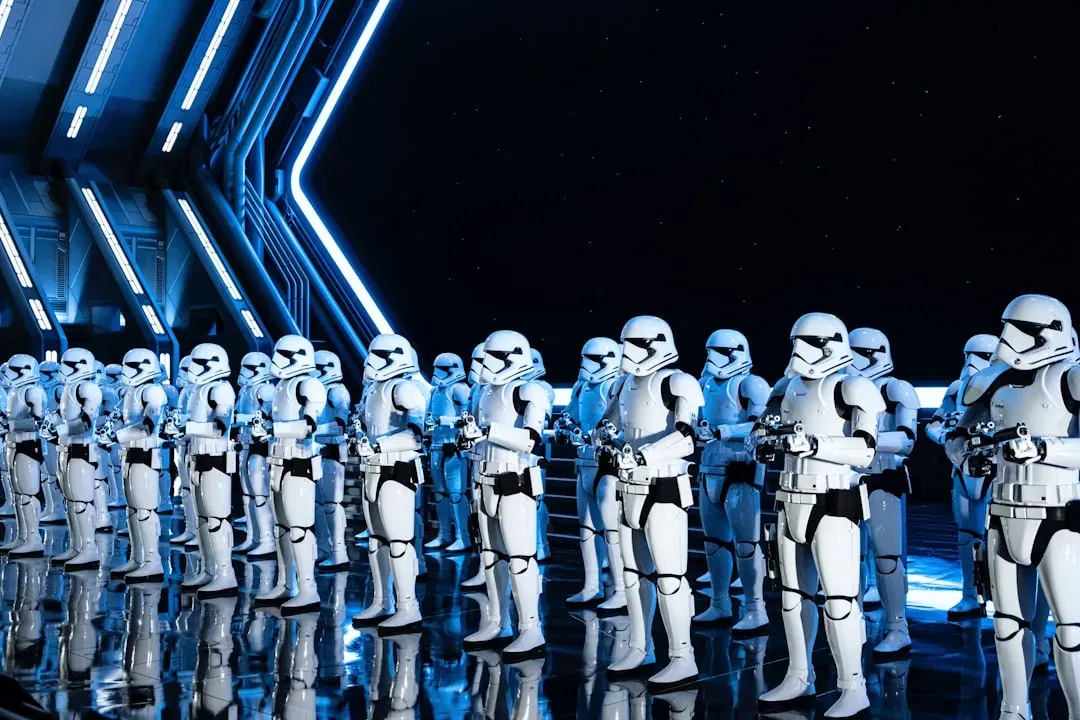
Often cited alongside The Phantom Menace as proof the prequels had lost the thread, Attack of the Clones drew criticism for its stiff romantic dialogue and reliance on green-screen effects. It sits in the middle of the Tomatometer pack among the prequels, a reflection of just how divided the response was on release.
Like its successor, though, it has benefited from the same generational reappraisal sweeping through the prequel trilogy. Younger fans who grew up with the Clone Wars animated series and other expanded stories have come to view the film’s political intrigue and world-building far more generously, treating its awkward romance as a minor flaw within a story that set up much of what fans now consider essential Star Wars lore. Reappraisal like this rarely happens overnight. It takes distance, a new generation without the original disappointment attached, and sometimes a director’s cut or a re-release that lets a film be judged on its own terms rather than against the shadow of what came before it. What these nine sequels share isn’t a single formula for redemption, but a common thread: time gave audiences the chance to see past the noise of initial expectations and notice what the films were actually trying to do.
Partner offer
Planning a trip to Vegas?
Compare hotel rates and show tickets on VEGAS.com.