There is a wide gap between how Gen X grew up watching movies and how Gen Z experiences film today, and it goes far beyond just the screens they use. Gen X, born roughly between 1965 and 1980, came of age in a world defined by limited choices, shared television sets, and the electric ritual of a Friday night video store run. Gen Z, the generation born from the mid-1990s to the early 2010s, has grown up with on-demand access to virtually everything, a deep investment in representation and social conversation, and strong opinions about what cinema should stand for. Put those two realities side by side and some genuine sparks fly.
This is not about which generation is right. It is about recognizing just how dramatically the culture of moviegoing has shifted in a single generation. Some Gen X habits were simply products of their time. Others, viewed through a Gen Z lens in 2026, would look downright baffling – or worse. Here are the biggest ones.
Driving to the Video Store With No Plan Whatsoever
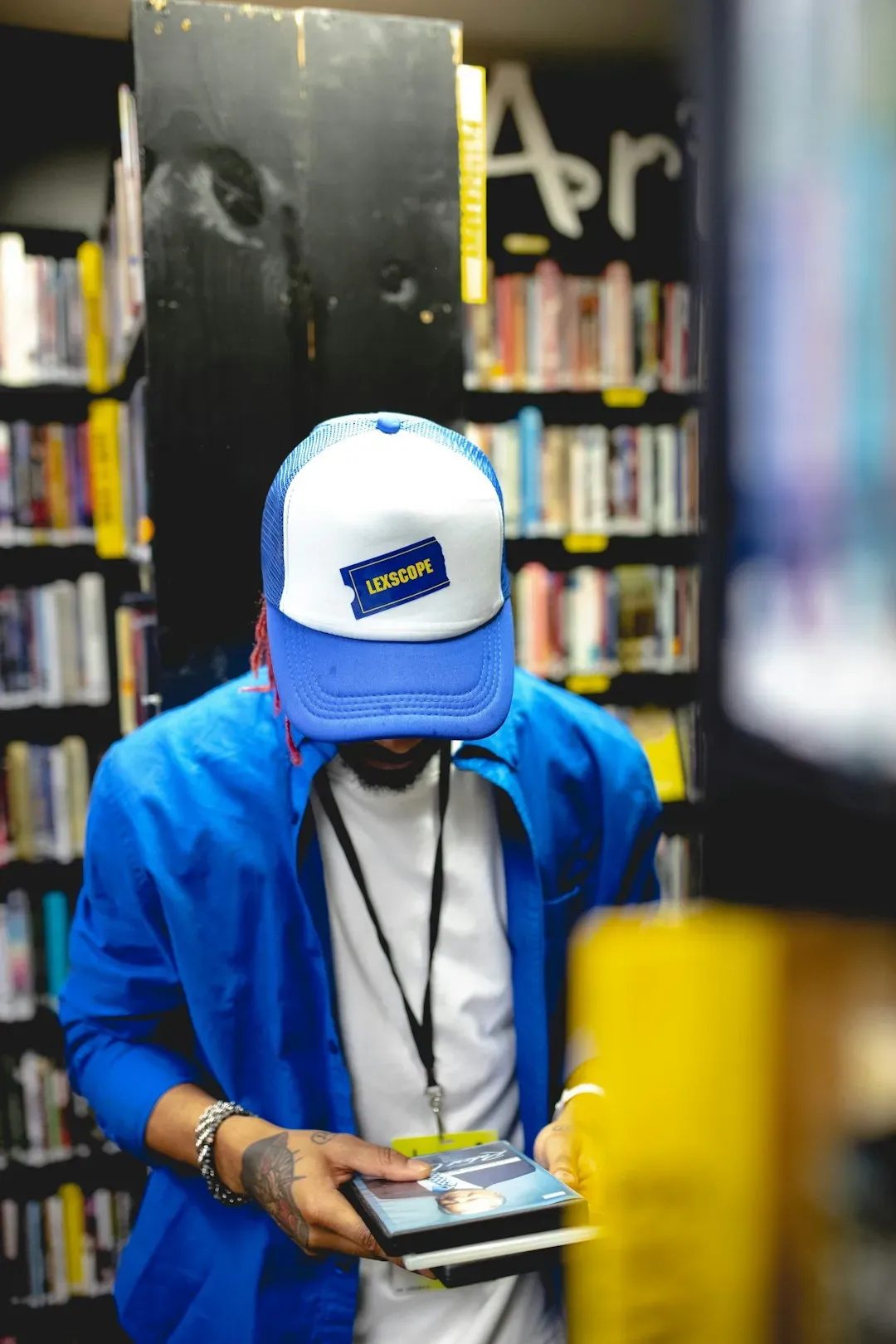
Video rental stores once stood at the heart of home entertainment, offering a unique experience that streaming services can’t fully replace. From their rise in the 1980s to their golden age in the 1990s, they shaped how people discovered and enjoyed movies. For Gen X, that Saturday night trip to Blockbuster was a genuine social event. You wandered the aisles, picked up boxes, read the back, argued with your friend about whether to get the action movie or the comedy, and eventually settled on something you had never heard of simply because the cover looked interesting. There was no algorithm, no reviews at your fingertips, and absolutely no guarantee you would enjoy what you brought home.
Late fees became family legends, and the video store became a social hub where aisles doubled as cultural battlegrounds. Horror aisle or comedy shelf? Owning tapes meant prestige; renting them meant discovery. Both cultivated the sense that media was finite, that you had to choose carefully because you could not scroll endlessly. For a Gen Z viewer raised on personalized recommendation engines, the idea of paying a late fee for a movie you did not even like that much would feel like a bad dream. The spontaneous, unfiltered browsing that Gen X romanticizes is also precisely what Gen Z’s curated digital life has made obsolete.
Watching Whatever Was on TV – With Zero Input
The main reason Gen X knows so much pop culture from before their time is because they grew up with TV and syndication. They were essentially force-fed a lot of things from before their time because when they had free time they only had a few options to choose from on TV, and a lot of them were old TV shows and movies. This passive relationship with film was entirely normal for Gen X. You sat down, flipped through a handful of channels, and watched whatever happened to be playing – whether that was a 1950s western, a B-movie horror film, or a classic screwball comedy you had never chosen to seek out.
Millennials and Gen Xers are the last TV generations, with many people literally raised by TV. You didn’t get to tailor TV to your liking; you just watched what was on. Many times, what was on was reruns of shows or movies from past generations. For Gen Z, this kind of enforced passivity is genuinely foreign. Newer generations have the ability to choose and tailor what they watch thanks to streaming, which explains why they aren’t as broadly exposed to movies from the past. The idea of a stranger at a TV network deciding what you watch on a given Tuesday night would strike most Gen Zers as absurd.
Accepting That Movies Would Simply Disappear

For kids of the 1980s and 1990s, videotapes were currency – expensive objects that you treasured, rewound, and wore out. When Disney released a movie “from the vault,” it wasn’t just marketing – it was an event. Owning a copy of The Little Mermaid or Aladdin meant you weren’t at the mercy of broadcast schedules or the local rental store. Gen X accepted with a shrug that certain movies were simply unavailable for stretches of time. Studios held their titles back deliberately, and if you missed a theatrical run, you might wait years for a chance to see a film legally. Missing a movie in theaters often meant missing it entirely for a long, uncertain period.
Gen Z has never truly experienced this kind of enforced scarcity. Gen Z, born in the digital age, embraces convenience and accessibility, primarily consuming movies through online platforms and seeking on-demand access to a vast array of content. The notion that a studio could simply lock away a beloved title and leave you powerless would feel like a personal offense to a generation that expects any movie, at any time, at the press of a button. Disney+’s practice of occasionally removing titles from streaming has already prompted real frustration among younger viewers – and that reaction would only be amplified if the older, more sweeping vault approach returned.
Not Knowing Anything About a Movie Before Sitting Down

Going into a movie completely cold – no trailer, no reviews, no social media buzz – was not just common for Gen X, it was often the default. Word of mouth spread slowly. Critics published in print. If a movie opened on a Friday, you might not have heard about it until Sunday, and your decision to see it could rest entirely on whether a friend recommended it or whether the poster caught your eye at the theater. There was a genuine thrill in having no idea what a film was actually about once the lights went down.
For Gen Z, that relationship with anticipation works very differently. As one social media executive put it, social media is inescapable and so is the conversation around films. People want to see films early so they can lead the conversation, and being easily spooked by spoilers only adds to the urgency of getting to the theater. Gen Z viewers research films obsessively, track release dates, watch multiple trailers, and follow Letterboxd reviews in real time. Walking into a theater without any context is not a pleasurable mystery to this generation – it is a missed opportunity to have formed an opinion in advance.
Accepting Deeply Problematic Tropes Without Much Pushback
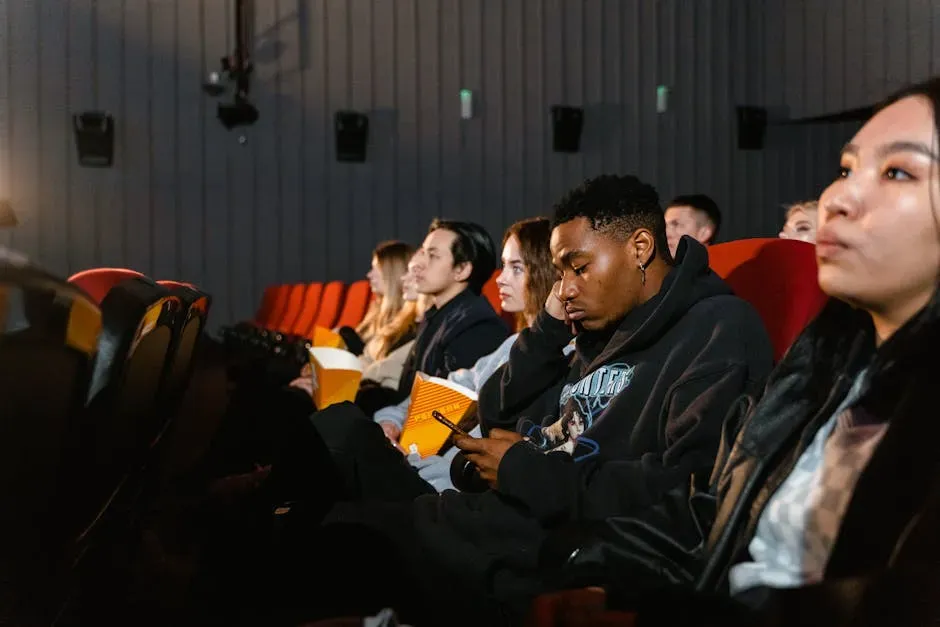
Gen X cinema was packed with beloved films that contained jokes, character dynamics, and storylines that reflected the limited and often harmful attitudes of their era. Comedies casually mocked gay characters for laughs. Female characters existed mainly in relation to male protagonists. Racial minorities were frequently flattened into stereotypes. Teenagers watched these films, laughed along, and largely accepted them as normal – partly because there was no broader cultural conversation pointing out the problem in real time, and partly because the alternatives were so limited.
Partner offer
Gen Z’s genre preferences highlight a generation that is not only looking for entertainment but also for representation and meaning in the stories they consume. This demand for diverse and authentic narratives is pushing the film industry to evolve, ensuring that the stories told on screen are as varied and multifaceted as the audience watching them. As Gen Z continues to influence the entertainment landscape, their preferences will shape the future of filmmaking. Watching a mid-1980s comedy with a Gen Z viewer today can be a genuinely uncomfortable experience. It is not that they lack a sense of humor – it is that their demand for diverse and authentic storytelling is driving filmmakers to create more inclusive narratives.
Sitting Through Extremely Long Movies With No Pause Button
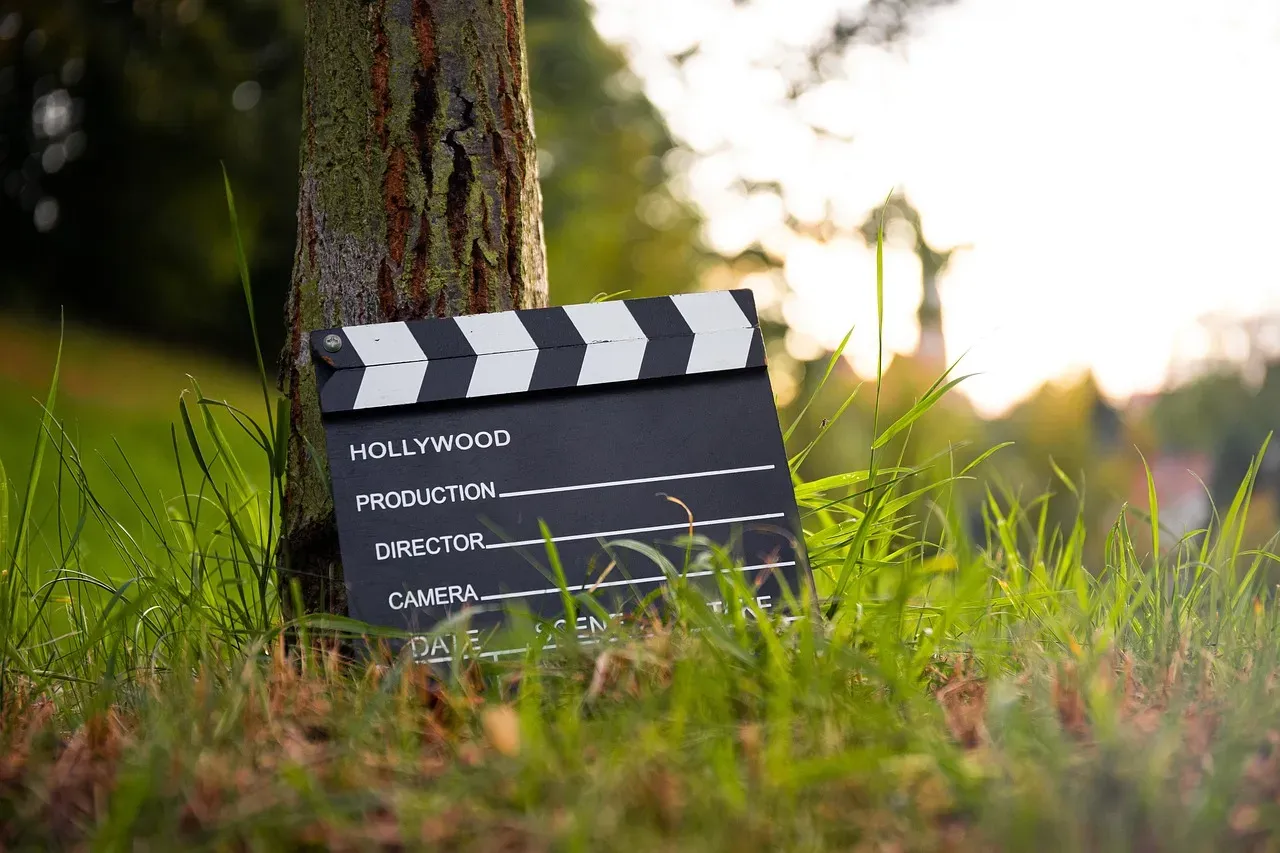
At the theater, Gen X simply sat through whatever runtime the film demanded, no questions asked. Three hours? Fine. At home on VHS, rewinding and fast-forwarding were technically possible but clunky enough that most people just let the tape roll. There was an implicit understanding that committing to a movie meant committing fully, from opening title card to closing credits. Bathroom breaks required either courage or genuine sacrifice.
The ideal length of a movie for roughly a third of young Americans aged between 13 and 25 is one and a half hours, while two hours is the ideal for a much larger share of the general population. Gen Z is used to consuming content quickly and moving on to the next thing, and with the emergence of TikTok and Instagram Reels, there is a psychological factor dealing with the attention spans of those engaged. The very idea that a film gets more respect the longer it runs – a quiet assumption in Gen X movie culture – is something a meaningful number of younger viewers actively resist today.
Treating the Video Store as the Sole Arbiter of Taste
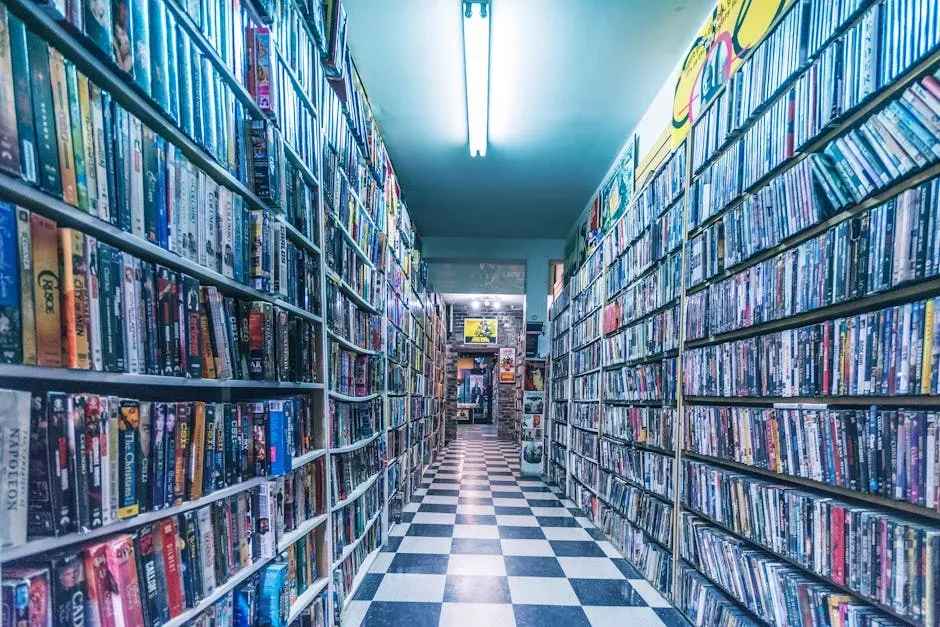
Filmmakers, cinephiles, and collectors credit video stores with shaping their passion for movies. Stores carried everything from Hollywood blockbusters to obscure indie films, offering an education in cinema that streaming services struggle to replicate. For Gen X, the video store employee was a genuine cultural authority. If the guy behind the counter at the local shop recommended something, you took it seriously. Shelf placement mattered. The “Staff Picks” section carried actual weight. Discovery happened in physical space, guided by other humans who knew the inventory personally.
Gen Z has replaced that entire ecosystem with platforms, influencers, and Letterboxd. At recent screenings, audiences have skewed heavily Gen Z, while older moviegoers seem far more content to stay home after embracing streaming during the pandemic. Platforms like Letterboxd also appear to be part of the equation, turning Gen Z online enthusiasm into ticket sales. The idea that a single employee at a single store could shape your entire cinematic education would baffle a generation that has access to thousands of curated lists, algorithmic recommendations, and peer reviews from around the world at any given moment.
Spoiling Movies Casually in Everyday Conversation
Gen X had a fairly relaxed attitude about spoilers. If a movie had been out for a few weeks, it was generally considered fair game to discuss the ending openly. People talked about plot twists at lunch, debated character deaths in school hallways, and assumed that if you cared enough, you would have already seen it. There was no shared cultural understanding that spoilers were a serious social offense requiring careful management. Word-of-mouth was essentially a spoiler delivery system, and nobody particularly minded.
Social media is inescapable and so is the conversation around films. People want to see films early so they can lead the conversation, and being easily spooked by spoilers only adds to the urgency of getting to the theater. For Gen Z, spoilers are a near-sacred subject. Online communities enforce strict tagging rules, social media posts are carefully timed and labeled, and casually revealing a plot twist in a group chat can trigger genuine anger. For Gen Z, moviegoing is a ritual and an easy, relatively inexpensive way to access community and celebrate identity. Having that experience ruined by careless conversation is not a minor inconvenience – it is a real cultural breach.
Measuring a Film’s Worth Entirely by Box Office Numbers
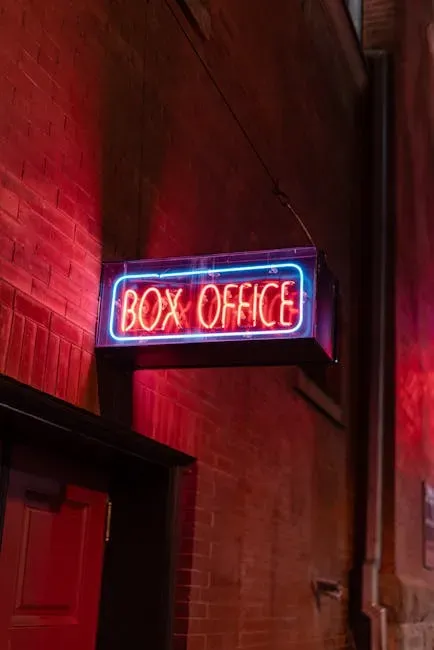
Gen X grew up in an era when weekend box office rankings were published in the Monday newspaper and treated as a scorecard of cultural relevance. A movie that opened number one was, by that logic, a movie worth talking about. Critical consensus mattered somewhat, but commercial success was the clearest signal that a film had broken through. Prestige films were those that made money and won awards. The two things were not always in tension the way they sometimes are today.
Not every Gen Z theatergoer wants to see a blockbuster based on well-known characters. Multiple theater owners have noted that they were moved by the success of director Ryan Coogler’s film Sinners, which is among the top three most successful movies at the 2025 domestic box office. Gen Z’s critical culture, shaped by Letterboxd scores, A24 releases, and a genuine appetite for auteur cinema, views box office dominance with considerably more skepticism. Young audiences across the globe are showing up for rereleases of prestigious classics like The Seventh Samurai and Princess Mononoke. This generation of moviegoers is really smart – having a curiosity about past filmmaking and how it connects to current filmmaking – and they come in curious, wanting to see films in community. For them, the most culturally significant film of a given year is rarely the one that made the most money opening weekend.
A Generation Apart, Still Sharing the Same Seats
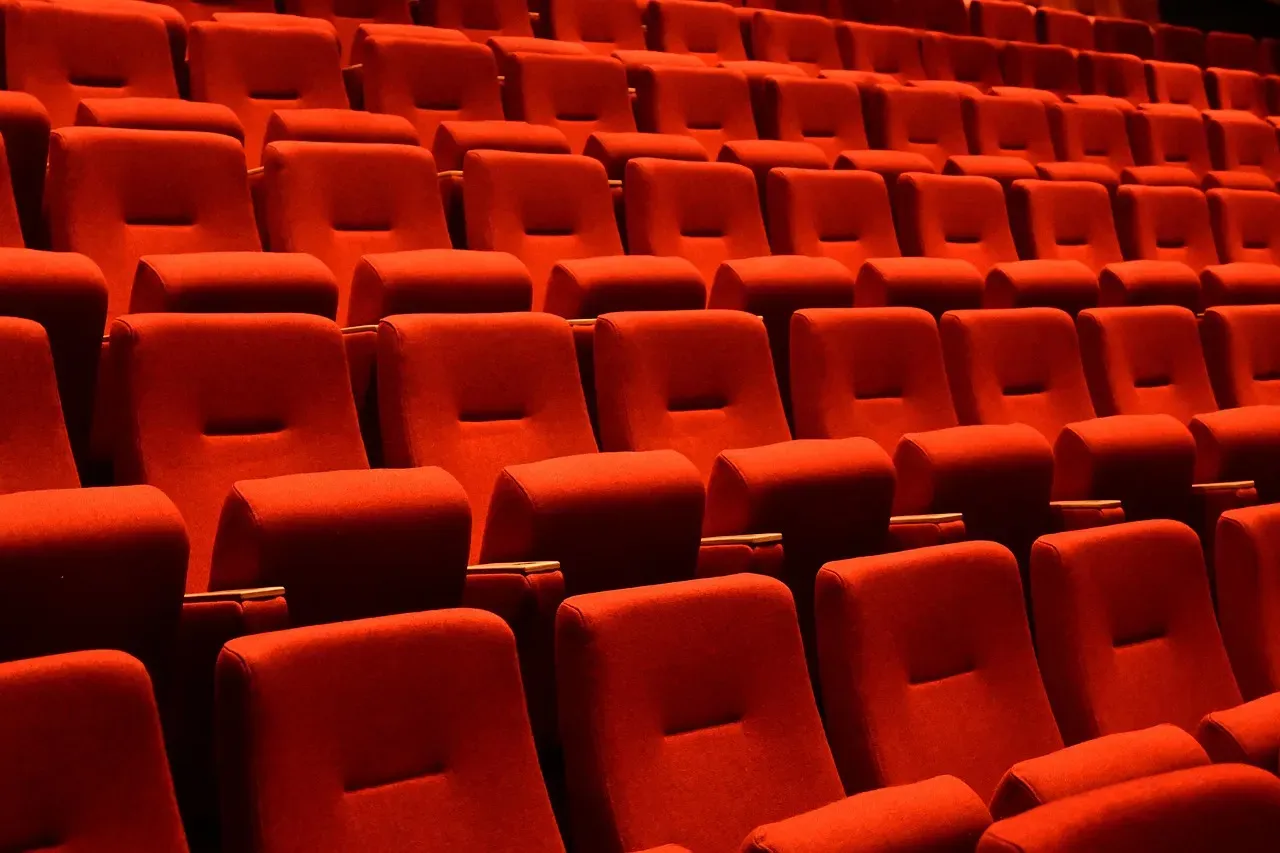
What makes this generational divide so interesting is that both groups ultimately love movies. The methods, expectations, and values wrapped around that love look completely different, but the underlying pull toward storytelling on screen is the same. Gen Z’s frequency of attendance grew by 25% over the last 12 months, the largest increase of any age group. Gen Z is now the most active cinemagoing demographic, attending more films per year than their elders, and spending more per visit on concessions and on premium format screens like IMAX. That is not the behavior of a generation indifferent to film.
The habits that would make Gen Z furious today are not really about Gen X being careless or thoughtless. They reflect a world with fewer options, fewer voices in the conversation, and far less infrastructure for collective critique. Gen Z’s standards – for representation, for convenience, for spoiler etiquette, for critical seriousness – are the product of a vastly more connected and culturally aware moment. Both sets of habits make sense in context. It is just that context, more than anything else, is what has changed most dramatically of all.
Partner offer
Planning a trip to Vegas?
Compare hotel rates and show tickets on VEGAS.com.