Success in music comes with a strange trade-off. The song that makes an artist famous is often the same song that ends up trapping them, played on repeat at every show, requested by every crowd, until the joy of writing it curdles into something closer to resentment. Some musicians hide this frustration well. Others have said it out loud, in interviews and on stage, leaving little doubt about how they really feel toward the track most people know them for.
1. Radiohead and “Creep”

Thom Yorke wrote “Creep” while he was a student at Exeter University in the late 1980s, and by the time it became Radiohead’s breakthrough single in 1992, the band had already soured on it. Radiohead didn’t actually think Creep was very good, with Yorke telling Rolling Stone in 1993 that he “wasn’t very happy with the lyrics” and thought “they were pretty crap.” Guitarist Jonny Greenwood reportedly disliked the song so much during recording that he tried sabotaging it, and according to one account, the band all hated ‘Creep,’ especially Johnny Greenwood, who hoped to mess it up so badly the band would move on by playing loud, jarring guitar chords right before the chorus.
The irony is that Greenwood’s attempted sabotage became the song’s signature moment, the crunching guitar stab that fans now consider essential. Yorke’s frustration didn’t fade with time either. He nicknamed the song “crap” and steadfastly refused to add it to the band’s regular live rotation, while Greenwood confessed his dislike for the song during recording and tried to sabotage it by hitting the guitar hard. At one particularly tense Montreal show, Yorke quashed a fan request to play “Creep” by lambasting his audience, telling them to “f*** off, we’re tired of it.” Despite all that, the song has become inescapable, with over 2.3 billion streams on Spotify and over 1.2 billion video views on YouTube as of recent counts.
2. Oasis and “Wonderwall”
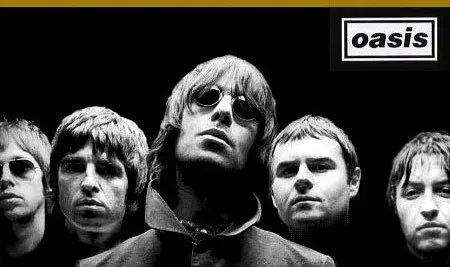
Few songs define a decade the way “Wonderwall” defines the mid-1990s Britpop explosion, yet neither Gallagher brother seems particularly fond of it anymore. Noel Gallagher wrote the track, but he has since described it as one of his least favorite tracks in the band’s catalog, even saying that the song felt unfinished. That kind of admission from the songwriter himself says a lot about how creative pride and commercial success don’t always line up.
Liam Gallagher, who sang lead vocals on the track, has been blunter still. In comments picked up by multiple outlets, he said to MTV News, “Every time I have to sing it, I want to gag.” He has also joked, with visible irritation, about being reduced to a nickname by American fans, recalling people in the US greeting him with “Are you Mr. Wonderwall?” and adding, “You want to chin someone.” With Oasis reuniting for major tour dates in the mid-2020s, fans have wondered aloud whether the band will even bother playing it, though given its stature as arguably their most recognized song, skipping it entirely seems unlikely.
3. R.E.M. and “Shiny Happy People”

R.E.M.’s 1991 single “Shiny Happy People” turned into one of the band’s most commercially recognizable songs, and also one that frontman Michael Stipe has spent decades distancing himself from. He didn’t mince words early on, appearing on a 1995 episode of Space Ghost Coast to Coast and announcing on the air, “I hate that song.” Stipe has softened his public tone since then, though the underlying sentiment hasn’t fully disappeared.
These days he tends to choose his words more carefully, explaining that he prefers not to say anything bad about songs he doesn’t like because there might be a fan out there for whom that song has particular meaning. Even so, he has acknowledged that the track has “limited appeal” for him, and it was the one song the entire group agreed should not be included on their Greatest Hits compilation. That unanimous decision, from all four band members, tells you the discomfort wasn’t just Stipe being moody. It was a shared feeling within the group.
4. Nirvana and “Smells Like Teen Spirit”
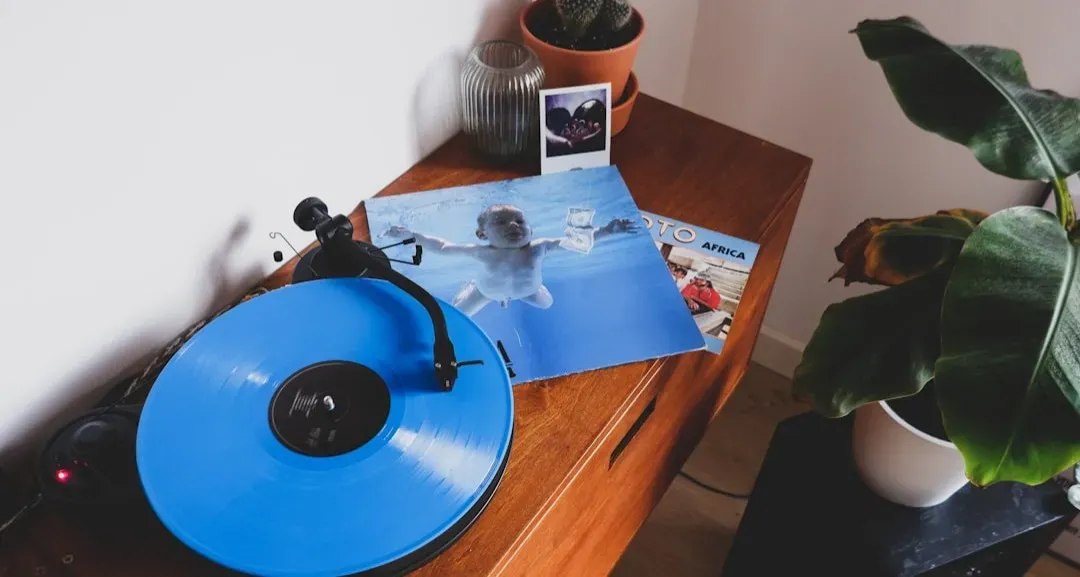
Kurt Cobain set out to write something catchy, and he succeeded almost too well. By his own admission, he was trying to write the ultimate pop song and was basically trying to rip off the Pixies, a band whose influence he never hid. Once “Smells Like Teen Spirit” exploded into a generational anthem in 1991, though, Cobain’s feelings toward it curdled fast.
He later described the shift plainly, saying once the song got into the mainstream, it was over, adding that he was “just tired of being embarrassed by it,” and that the reaction it got came only because people had seen it on MTV so many times it had been “pounded into their brains.” Cobain eventually stopped wanting to perform it at all, telling an interviewer “I can barely get through ‘Teen Spirit.’ I literally want to throw my guitar down and walk away. I can’t pretend to have a good time playing it.” He argued that other Nirvana songs, like “Drain You,” were just as strong, but conceded that if that song had become as popular as “Teen Spirit,” he likely would have lost his love for it too. It’s a rare, honest admission that sometimes it isn’t the song itself that wears thin. It’s the sheer repetition of fame.
5. Lorde and “Royals”

Lorde was only sixteen when “Royals” turned her into a global pop star in 2013, and the song remains her most recognized work more than a decade later. Yet in interviews since, she has been unusually candid about how little she enjoys the original recording. Speaking to Scotland’s Daily Record, she admitted that when she hears other people’s versions of the track, something clicks that makes the original version hard to stomach.
She put it starkly, saying she listens to the song in every form except the original one she put out and realizes it actually sounds horrible, comparing the melodies to something you’d hear as “a ringtone from a 2006 Nokia” and calling the whole thing “disastrous.” What makes her case interesting is the twist at the end of that same quote. She acknowledged that despite all her reservations about the production, the song still worked in the context of how she released it, a rare moment of an artist criticizing their own work while also recognizing why it succeeded anyway. Fame has a strange way of freezing a moment in time, forcing an artist to keep revisiting a version of themselves from years or even decades earlier. What’s noticeable across all five of these cases is that the frustration rarely comes from arrogance. It comes from repetition, from watching a single three or four minute recording overshadow years of other work, and from being asked, night after night, to perform something that no longer reflects who they are as musicians. The audience still loves the song. The artist, more often than not, has simply moved on.