Hollywood casting decisions look inevitable once a movie hits theaters. It’s hard to picture anyone but the actor on screen delivering those lines, wearing that costume, becoming that character. Yet behind almost every iconic performance sits a paper trail of contracts, scheduling conflicts, and outright rejections that nearly sent the role somewhere else entirely.
Some of these near misses came down to a single signature on a different contract. Others involved an actor reading a script and simply not getting it. Here are eight cases where the part we know today almost went to somebody completely different.
1. Indiana Jones in Raiders of the Lost Ark
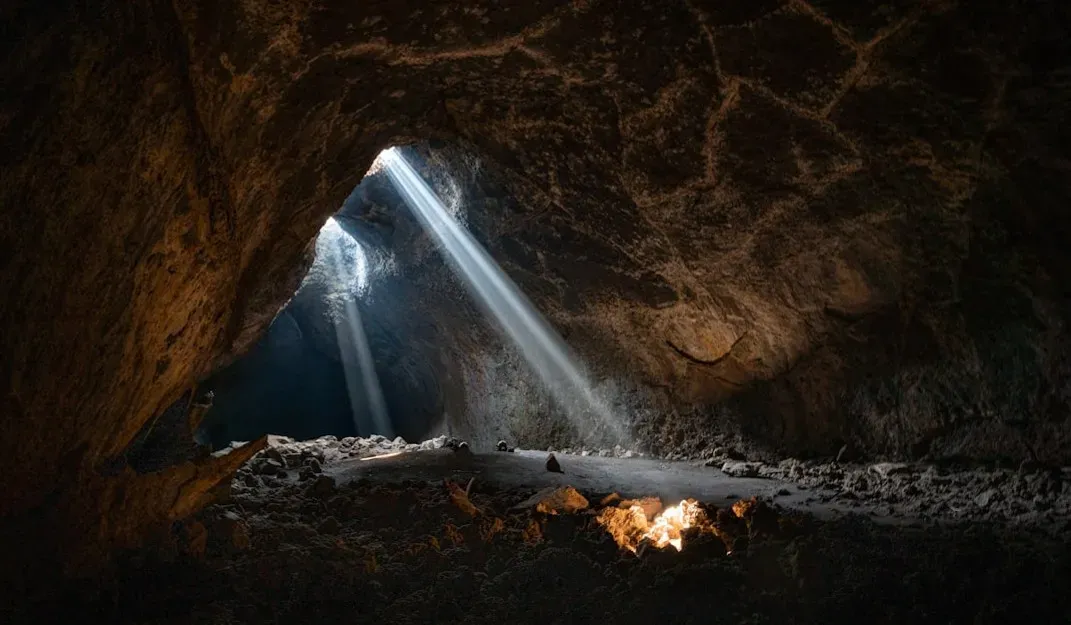
Long before Harrison Ford cracked his whip on screen, Steven Spielberg and George Lucas had already handed the role to someone else. During a recent appearance on a podcast, Spielberg revealed that he and co-creator George Lucas initially selected Tom Selleck to lead 1981’s Raiders of the Lost Ark before circumstances forced a change. The team wasn’t hedging either; they wanted him specifically and made the offer official.
Spielberg later recalled telling Selleck they wanted him and gave him the part, only to discover he had an outstanding contract with CBS to do Magnum, P.I. The network refused to release him, so the role went to Ford instead. Ford has since said he didn’t know Selleck had originally been attached to the film, which went on to produce five movies between 1981 and 2023. Selleck, for his part, has said he holds no bitterness about how things played out for either of them.
2. Marty McFly in Back to the Future
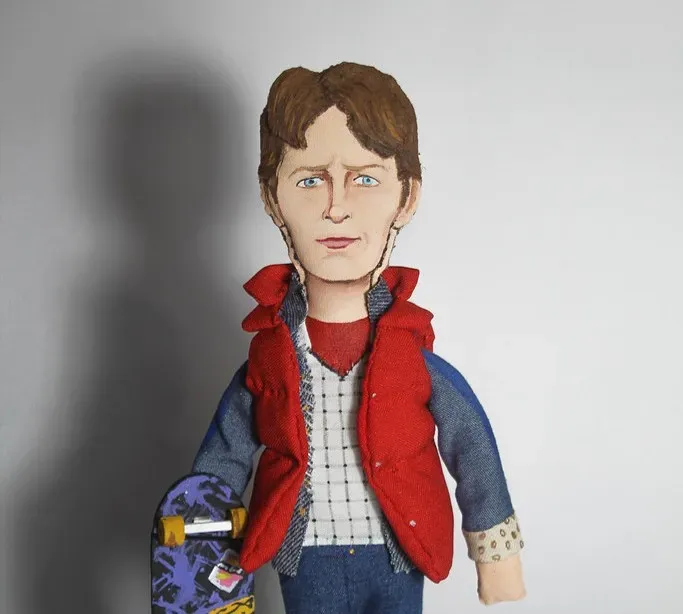
Michael J. Fox is so tied to the character of Marty McFly that it’s genuinely strange to learn someone else played him first. Eric Stoltz was originally cast as Marty when production on Back to the Future began in 1984, even though director Robert Zemeckis and co-writer Bob Gale reportedly wanted Fox from the beginning, but scheduling conflicts with Family Ties initially kept him unavailable. A Universal executive pushed hard for Stoltz instead, and the studio got its way.
The problem showed up on film rather than on paper. Stoltz was a talented actor, but his vibe did not match the fun comedy that Zemeckis and Gale were trying to make. After roughly five weeks of shooting, the filmmakers made the call to recast, bringing Fox on board and reshooting most of what had already been filmed. It’s one of the most expensive mid-production swaps in studio history, and it worked out about as well as a gamble like that possibly could.
3. Vivian Ward in Pretty Woman
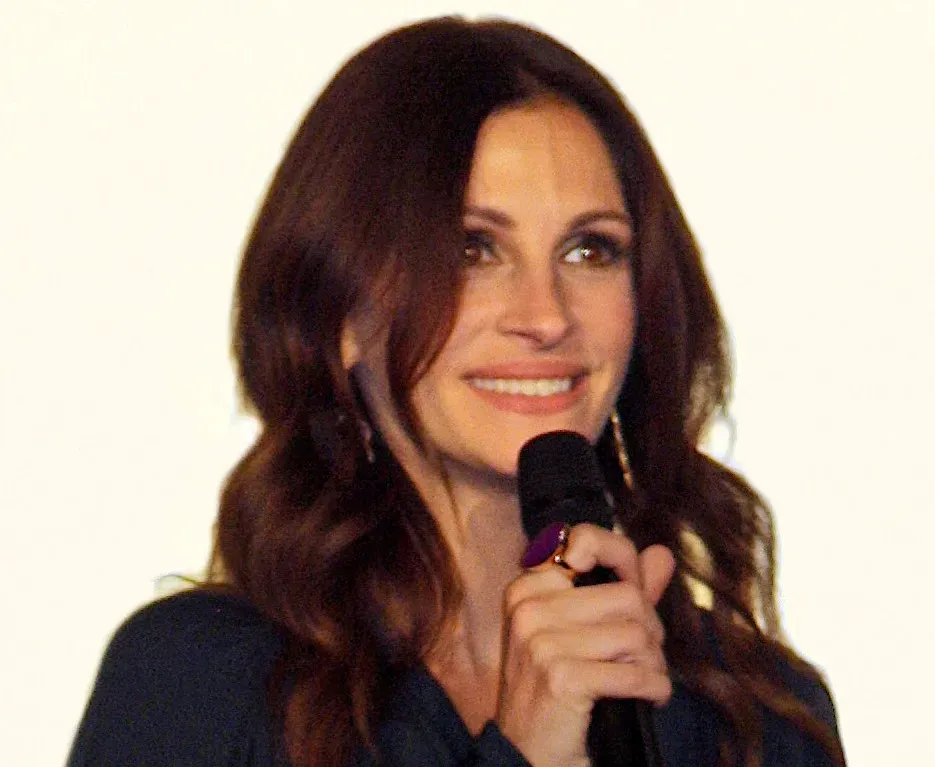
Julia Roberts became a movie star playing Vivian Ward, but she was far from the first name attached to the project. Roberts was not the first choice for the role and was not initially wanted by Disney, with director Garry Marshall originally envisioning Karen Allen for the part. When that fell through, the search widened considerably. Aside from other actresses considered, stars like Daryl Hannah and Michelle Pfeiffer also passed on playing Vivian.
The male lead had its own near miss too. Director Garry Marshall initially pictured Al Pacino and Michelle Pfeiffer in the lead roles, and Pacino actually read opposite Roberts before turning down the role. Marshall later admitted the film would have been a very different, darker story with that pairing. Instead, Richard Gere and Roberts ended up with a chemistry that reshaped the entire tone of the movie.
4. Han Solo in Star Wars
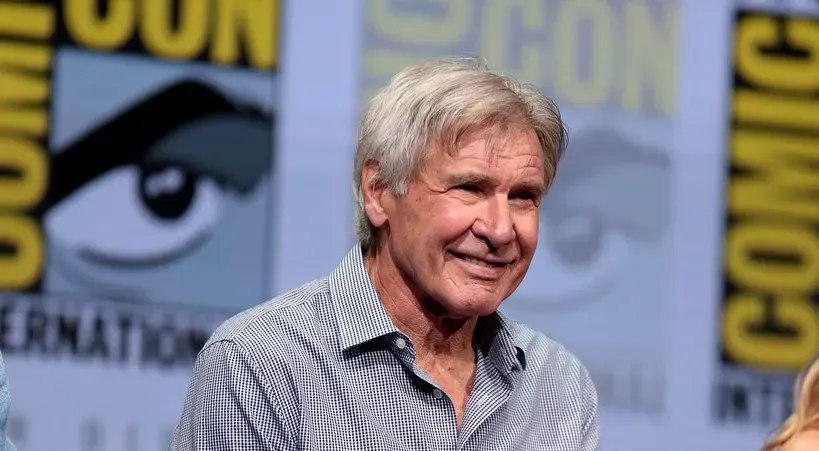
Harrison Ford’s second entry on this list came just as close to slipping away. Al Pacino, fresh off his Godfather success, was among the actors offered the role outright. The Godfather star was offered the role of Han Solo in Star Wars but turned it down, admitting he didn’t understand the sci-fi epic George Lucas was making, later saying simply, “I didn’t get it.”
Pacino wasn’t alone in the running. The role had also been auditioned for or discussed with actors including John Travolta, Sylvester Stallone, Nick Nolte, Burt Reynolds, Christopher Walken, Richard Dreyfuss, Kurt Russell, and Pacino’s own Godfather co-stars James Caan and Robert De Niro. Ford, meanwhile, wasn’t even supposed to audition since Lucas wanted a fresh face, and he ended up in the room almost by accident while doing carpentry work for a producer friend.
5. Forrest Gump
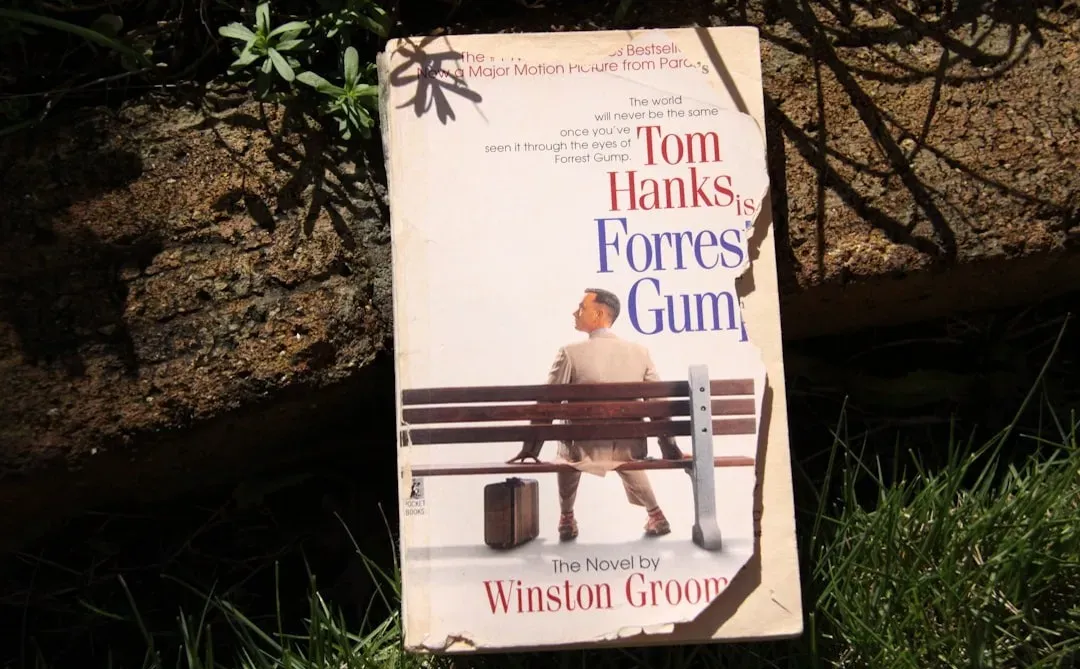
Tom Hanks won an Academy Award for playing Forrest Gump, but the story of how he got there is murkier than most casting tales on this list. Other actors considered for the role reportedly included Chevy Chase, Bill Murray, and Sean Penn, but the first choice for the role is often said to have belonged to John Travolta. Travolta himself has spoken about turning down projects that went to Hanks over the years.
Partner offer
Not everyone agrees the Gump story checks out, though. Many fans believe Travolta said no to starring in Forrest Gump, but this isn’t confirmed, and he was actually closer to being cast in The Green Mile, in the role that eventually went to Hanks. Whatever the exact sequence of events, Travolta has always framed his choices with the same easy shrug, noting that turning down one part simply hands somebody else a career-making opportunity.
6. Neo in The Matrix
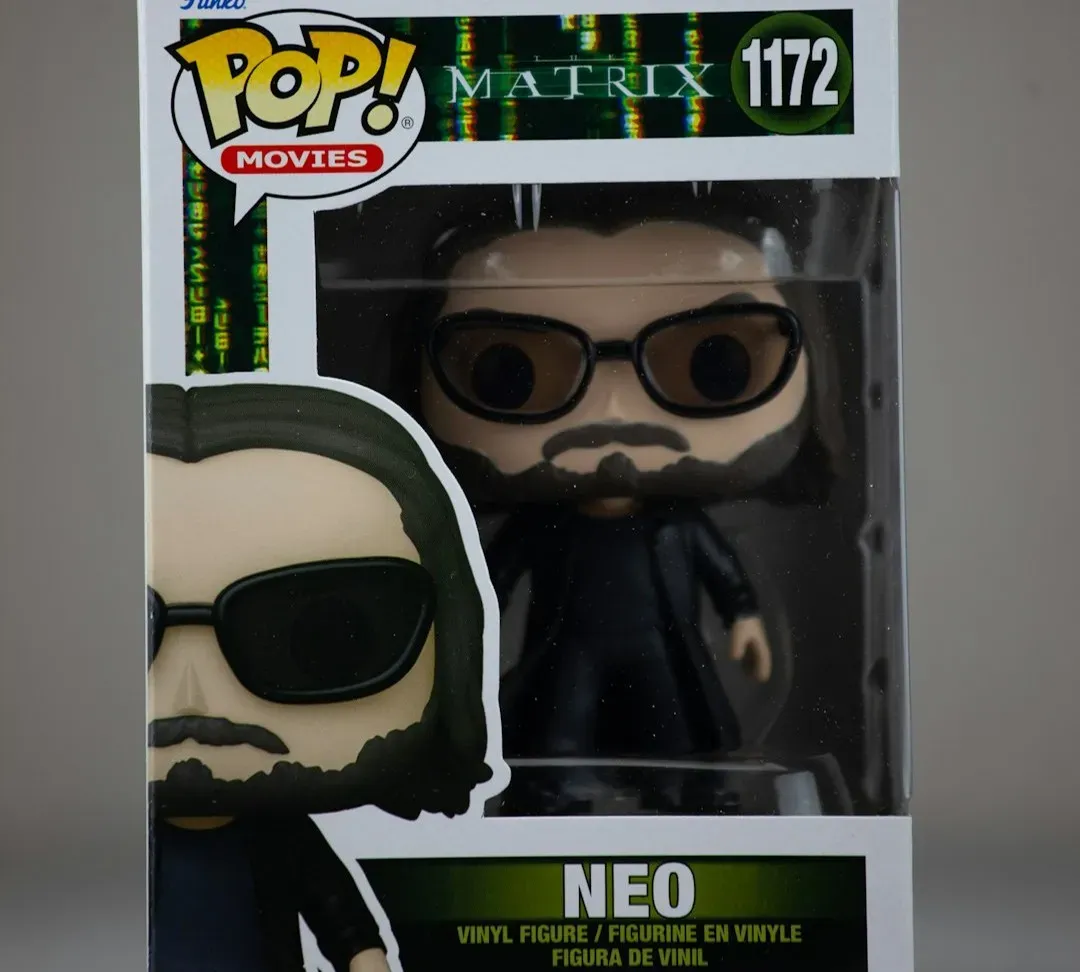
Keanu Reeves practically defined a decade of action cinema with his performance as Neo, but the Wachowskis’ first serious pursuit was Will Smith. Smith has discussed in interviews over the years that he passed on the role to instead star in Wild Wild West, a decision he’s since called one of the biggest missed opportunities of his career. At the time, Smith’s brand was built on charm and comedy, and the Wachowskis’ dense, philosophical script apparently didn’t click for him the way it eventually did for audiences.
Reeves, coming off a string of action roles, brought a stillness to Neo that fit the film’s tone almost perfectly. The rest is well documented: The Matrix reshaped visual effects, martial arts choreography in Hollywood, and popular culture’s relationship with simulation theory almost overnight. Smith’s absence from the role is often cited as one of Hollywood’s more instructive lessons in reading a script beyond its surface.
7. Gandalf in The Lord of the Rings
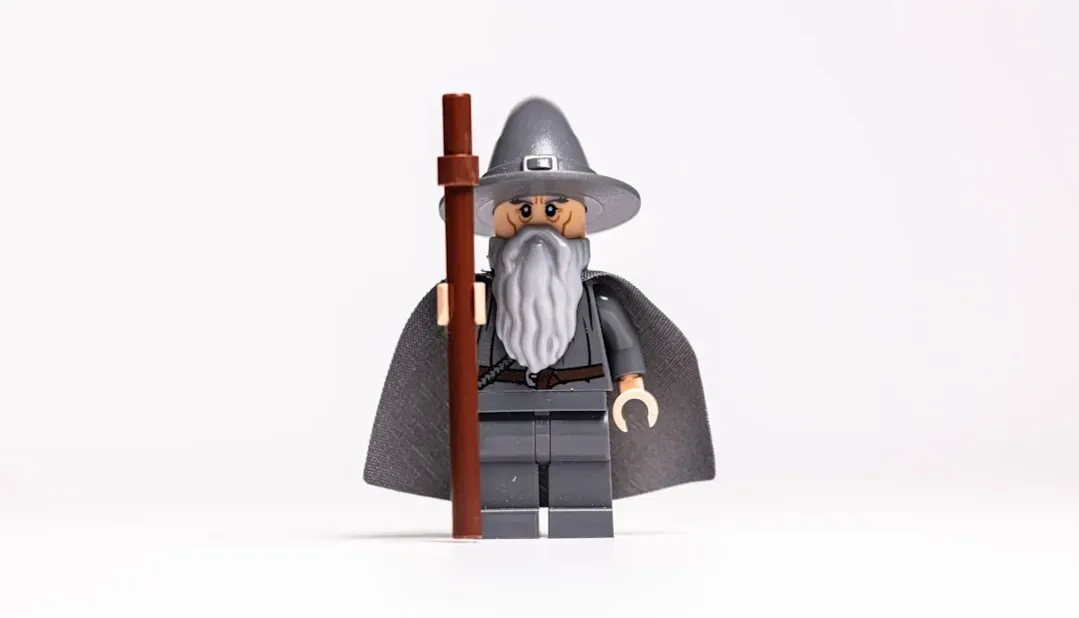
Ian McKellen’s take on Gandalf is so widely beloved that it’s almost jarring to learn Sean Connery was Peter Jackson’s first real target for the wizard. Connery reportedly turned the role down after finding the script confusing, a decision he later admitted he came to regret once the trilogy became a global phenomenon. He would have brought a very different gravitas to Middle-earth, closer to his commanding screen presence in films like The Hunt for Red October than to the warmth McKellen eventually gave the character.
McKellen, a respected stage actor with a smaller film profile at the time, took the part and turned it into one of the defining performances of his career. The trilogy’s massive success, including a sweep at the Academy Awards for its final installment, retroactively made Connery’s decision one of the more talked-about passes in modern film history. It’s a reminder that even legendary actors occasionally misjudge a script that later becomes cultural shorthand.
8. Black Widow in the Marvel Cinematic Universe
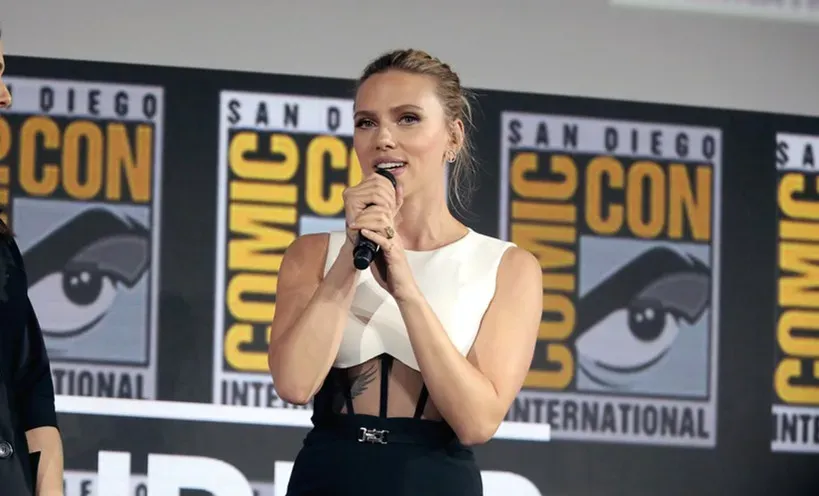
Scarlett Johansson has played Natasha Romanoff for over a decade, but the role was originally set to go to someone else entirely. Other notable examples of alternate casting include Emily Blunt turning down the role of Black Widow. Blunt had reportedly signed on for the part before a scheduling conflict with the film Gulliver’s Travels forced her to step away.
Marvel moved quickly, and Johansson stepped into Iron Man 2 as Natasha Romanoff, a role that would eventually anchor several Avengers films and earn her own standalone project in 2021. The character became one of the connective threads of the entire Marvel Cinematic Universe, appearing across nearly a decade of interconnected storytelling. Blunt has spoken about the scheduling conflict in later interviews without much regret, noting how differently her own career unfolded as a result.
Casting decisions like these rarely feel dramatic in the moment. A contract clause, a scheduling clash, an actor simply not connecting with a script on the page; these are ordinary, unglamorous reasons for choices that later look almost fated. What makes these eight stories worth revisiting isn’t just the trivia value, but the reminder that even the most iconic performances were never guaranteed to happen the way they did.
Partner offer
Planning a trip to Vegas?
Compare hotel rates and show tickets on VEGAS.com.