Every music lover has a short list of years they consider sacred – 1967, 1977, 1991, maybe 1994. Those years get the documentaries, the anniversary reissues, the deep-dive podcast series. They deserve the attention. Still, focusing so tightly on the obvious peaks means we keep walking past years that were, in many ways, just as remarkable.
Some years get overlooked not because the music was thin, but because the competition was too stiff, the timing was off, or the cultural conversation simply moved in a different direction. These are six of those years.
1972: The Year Everyone Was Quietly Brilliant
Building any deep look at 1972 quickly reveals how many bronze-cast classics came out that year, including LPs from David Bowie, Al Green, Aretha Franklin, The Allman Brothers Band, Yes, Stevie Wonder, and Roxy Music. The sheer volume of strong releases across completely different genres is almost difficult to process. Run down basically every genre – glam, soul, prog, art rock, Southern rock, metal, folk – and you’ll find the very best examples, whether eternally famous or sadly obscure.
1972 was a vintage year in which many great albums just seemed to slip through the net. Stevie Wonder’s Music of My Mind finds him operating near the height of his powers, with songs like “Superwoman” and “Happier Than The Morning Sun” displaying his unique musical vision as eternal classics. The tragedy is that even Wonder’s extraordinary run that year gets compressed into a footnote because his later albums grabbed the bigger headlines. A year this loaded deserved better historical recognition.
1975: The Year That Defined the Album Era Without Getting the Credit
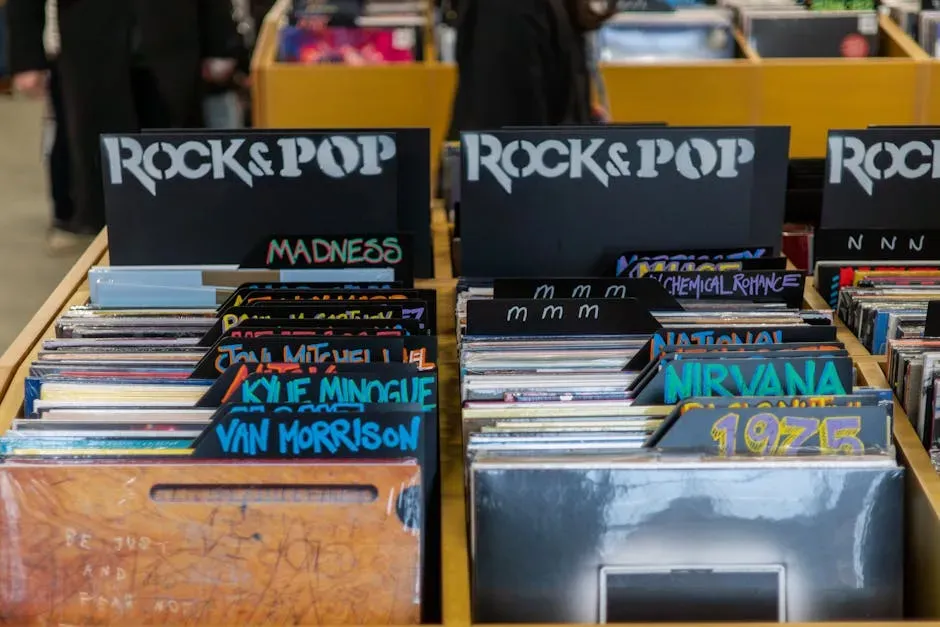
When people discuss the mid-seventies, they tend to skip straight from the lean early years to the commercial bloat of the late decade. Yet 1975 quietly sits in between as a year of serious artistic ambition. Bruce Springsteen’s Born to Run and Bob Dylan’s Blood on the Tracks were both released that year, arguably the two best albums from these respective icons. That two of the most celebrated singer-songwriter records in American history appeared in the same calendar year and the year still gets overlooked says everything about how distorted our sense of musical history can be.
The year also saw Led Zeppelin release Physical Graffiti, a double album that many fans and critics regard as the band’s most complete statement. Some records were even regarded as initial hits at the time, but have faded in the public consciousness after radio and soundtracks and hits packages focused the general public’s attention elsewhere. That is precisely what happened to much of 1975’s output. The decade’s bigger myth-making years, like 1977 with punk’s explosion, simply swallowed 1975 whole in the collective memory.
1982: The Year Synths Changed Everything (Without Anyone Noticing)
1982 was the year synths ruled. Duran Duran’s Rio epitomized stylish, video-ready pop-rock, while Simple Minds’ New Gold Dream found elegance in shimmering electronics. The Human League and Depeche Mode were breaking through, while ABC’s The Lexicon of Love mixed orchestral sweep with synthpop sheen. It was a year where popular music genuinely reinvented its sonic palette, yet the dominant cultural narrative tends to fold everything into a vague notion of “eighties excess.”
Partner offer
Michael Jackson’s Thriller, released at the end of the year, revolutionized pop forever, while even established rock acts embraced the sound: Roxy Music’s Avalon was sleek sophistication. This was the year the New Romantic and synth-driven sounds reached their zenith – danceable, glamorous, and cutting-edge. The irony is that Thriller’s success was so staggering it cast a shadow over everything else from that year, including records that were equally innovative in quieter ways. For every platinum-selling blockbuster, there were dozens of albums that slipped through the cracks: bold, beautiful, and boundary-pushing records that never quite found their audience at the time.
1991: Two Years Before the Flood
History handed 1991 a strange deal. It produced Nirvana’s Nevermind, one of the most discussed album releases of the entire rock era, and that single event compressed everything else that year into a footnote. Nirvana shook up the music world with Nevermind, introducing grunge music to the masses, while Whitney Houston sang a stirring rendition of the national anthem at the Super Bowl that same year. The range from stadium pop to underground rock was genuinely extraordinary.
Beyond grunge, hip-hop was in the middle of arguably its richest creative period. In some cases, records arrived at the tail end of a period of stirring success, but also of abject failure. Sometimes, artists moved too far outside of fans’ comfort zones, or returned to their core sound too late for it to matter. That flux is exactly what made 1991 so alive. It was a year where multiple genres were either peaking or transforming simultaneously, yet cultural memory tends to reduce it to a single flannel shirt and a distorted guitar chord.
2001: The Most Artistically Dense Year of the Digital Age
A revisit of 2001 reveals iconic releases by Radiohead, Daft Punk, Björk, The Strokes, and other artists that shaped the sound of modern music. Radiohead released Amnesiac, continuing to dismantle the boundaries of alternative rock, while Daft Punk’s Discovery turned electronic music into a global pop-culture phenomenon. The events of September 11 cast a long shadow over that year’s entire cultural legacy, meaning the extraordinary creative output tended to be discussed through a filter of grief and disruption rather than on its own musical terms.
That same year, the world heard the debut album by The Strokes, Is This It, which became the starting point for the revival of the guitar-driven scene of the 2000s, and Björk unveiled Vespertine, an intimate, delicate, and experimental work still regarded as one of the peaks of her career. In fact, 2001 albums averaged an 87.9 rating out of 100 on AOTY.org, as scored by the site’s users – making it statistically one of the best-reviewed years in recorded music history. The tragedy is that most people, even dedicated listeners, could not name more than a handful of records from it without prompting.
2012: The Year Streaming Buried a Masterclass
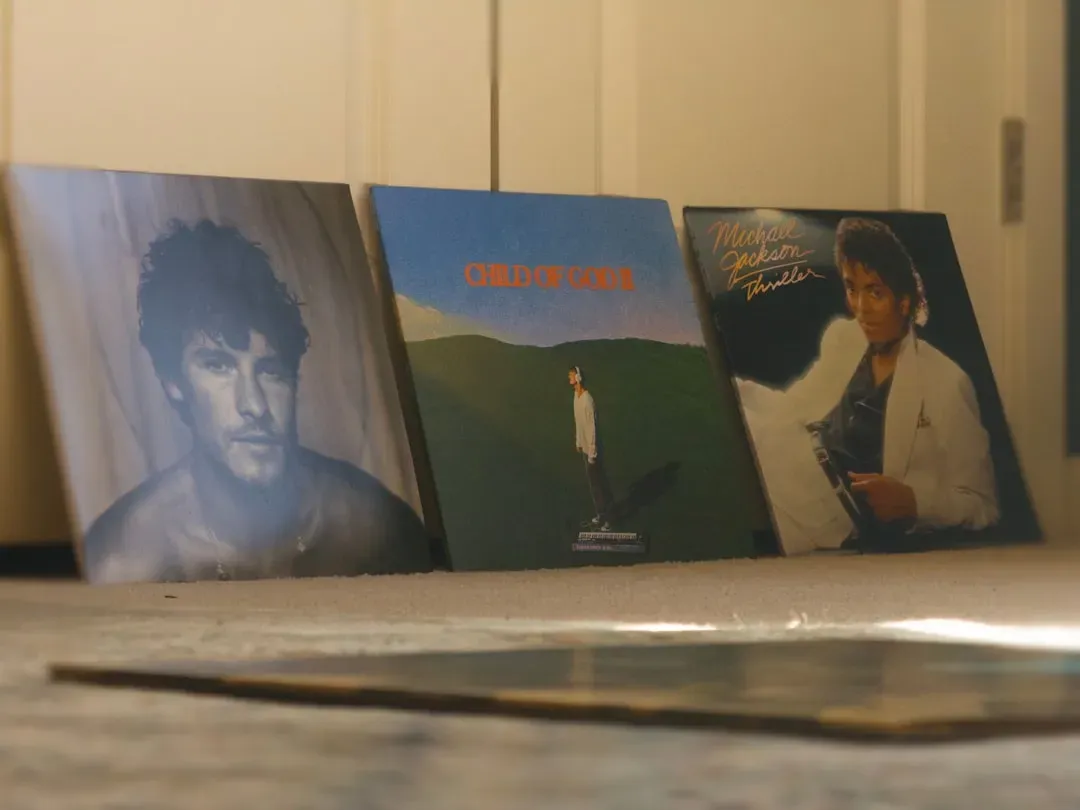
If you want a year that gets unfairly skipped in music conversations, 2012 is the clearest recent example. It arrived right at the inflection point between the album era and the streaming era, meaning its records were among the last to be processed as coherent artistic statements before playlist culture began slicing everything into individual songs. Noteworthy 2012 releases included Kendrick Lamar’s Good Kid, M.A.A.D City, Frank Ocean’s Channel ORANGE, Swans’ The Seer, and Beach House’s Bloom. The depth of that single-year output across rap, R&B, experimental rock, and dream pop is remarkable by any measure.
What holds the best years together is the sense that every great artist has that one record that too many people have ignored for too long, and these often-overlooked projects tend to have that kind of personal impact since, by definition, they are an experience shared with so few others. That is precisely what 2012 represents on a macro scale. Rock history is full of celebrated classics, but it’s also littered with years and albums that never quite got their due. Sometimes they were overshadowed by towering masterpieces that came before, sometimes they confused audiences by heading in unexpected directions, and sometimes they were simply misunderstood in their own time. 2012 was misunderstood not by critics, who largely got it right, but by the broader culture, which was too busy adapting to a new way of consuming music to stop and truly listen.
Partner offer
Planning a trip to Vegas?
Compare hotel rates and show tickets on VEGAS.com.