Every television fan knows the gut punch of a beloved show disappearing before it ever got the chance to grow. One of the most aggravating aspects of becoming invested in a TV show is when networks cancel it too soon, and there are many shows that haven’t made it past one season as they struggle to establish a strong fanbase. The average TV show cancellation rate on streaming services in the U.S. amounted to 12.2 percent in the period from 2020 to August 2023, slightly higher than that for linear TV. The shows on this list weren’t just cancelled. They were cut off at exactly the wrong moment, right when they were starting to find their footing and prove their full potential.
1. Firefly (2002)
Developed by Joss Whedon, the space-western drama debuted in 2002 on Fox Broadcasting Company and rapidly attracted a cult following owing to its distinctive blend of sci-fi adventure, humor, and character-based storytelling. The show was widely believed to have major sci-fi franchise potential, on par with Star Trek or Stargate SG-1. Although Whedon had designed the show to run for seven years, low ratings resulted in cancellation by Fox in December 2002 after only 11 of the 14 completed episodes aired in the United States. The tragedy is that the numbers told only part of the story.
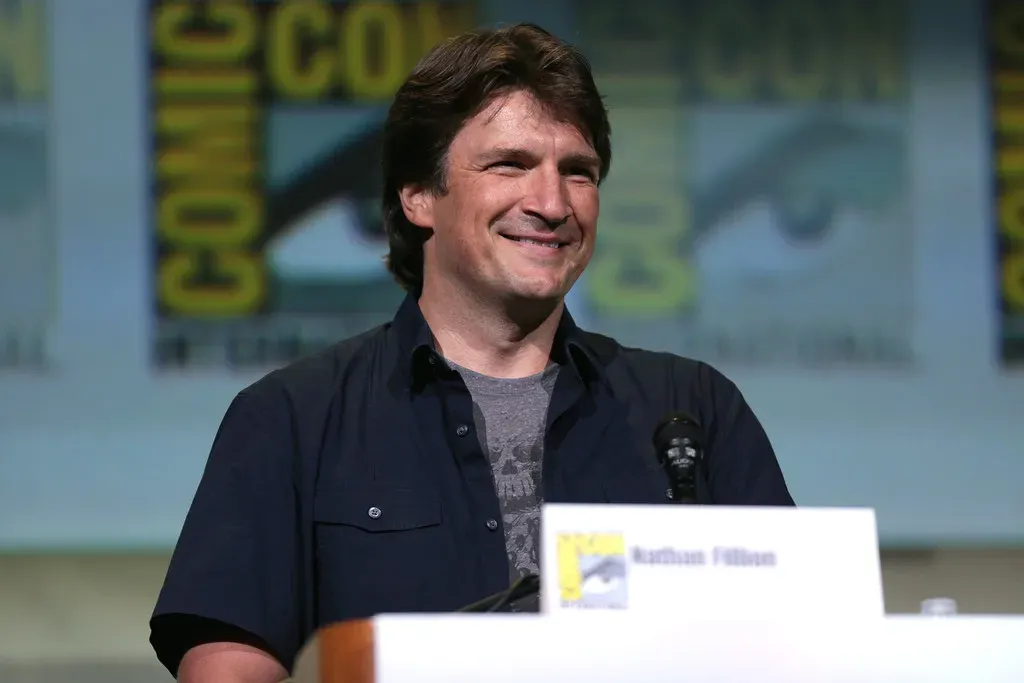
A major problem was Fox’s requirement that the episodes be aired out of sequence. The two-hour pilot was intended to introduce the characters and world of Firefly, but the network decided against it as the premiere, claiming there wasn’t enough action content to attract viewers. Instead, the series opened with a more action-oriented episode, “The Train Job,” which didn’t just ruin the basic narrative structure but dropped audiences into the middle of a complicated story without proper introduction. The entire series was eventually released on DVD and sold so well that it became a best-seller, proving that the fans were much more than the ones who watched the show within those Nielsen ratings. Now it can be confirmed that Firefly is indeed coming back as an animated show currently in very early stages of development, with star Nathan Fillion set to be involved in a series that will take place between the original TV show and the 2005 feature Serenity.
2. Freaks and Geeks (1999–2000)
Freaks and Geeks is a cult-classic teen coming-of-age television series focusing on two groups of high-school students in suburban Michigan in 1980. It aired on the NBC network for one season from 1999 to 2000 before its cancellation and is notable for its realistic portrayal of adolescence, its period-specific soundtrack, and for launching the careers of many of its actors, writers, and producers. Despite widespread critical acclaim, the show suffered from low ratings, in part because of its initial Saturday night time slot and irregular airings due to other televised events. Because the offbeat tone of the series differed so sharply from typical shows about high-school students, network executives asked Feig and Apatow to make the show more upbeat and give the characters more victories, which they declined to do.
After raking in a 6.77 million viewer average during its 12-episode run, the series was officially cancelled by Garth Ancier, who admitted, after an awkward run-in with Seth Rogen in 2014, that the decision has haunted him ever since in a Facebook post that was shared by Time. The series appeared on Time magazine’s 2007 “100 Greatest Shows of All Time” list. In spite of its short run time, Freaks and Geeks proved to be a big break for quite a few Hollywood A-listers, with Linda Cardellini, Seth Rogen, James Franco, Busy Philipps, Jason Segel, John Francis Daley, and Martin Starr all going on to have incredibly successful careers in television, comedy, and film. It remains one of the sharpest examples of a show that was simply ahead of its time.
3. Lovecraft Country (2020)
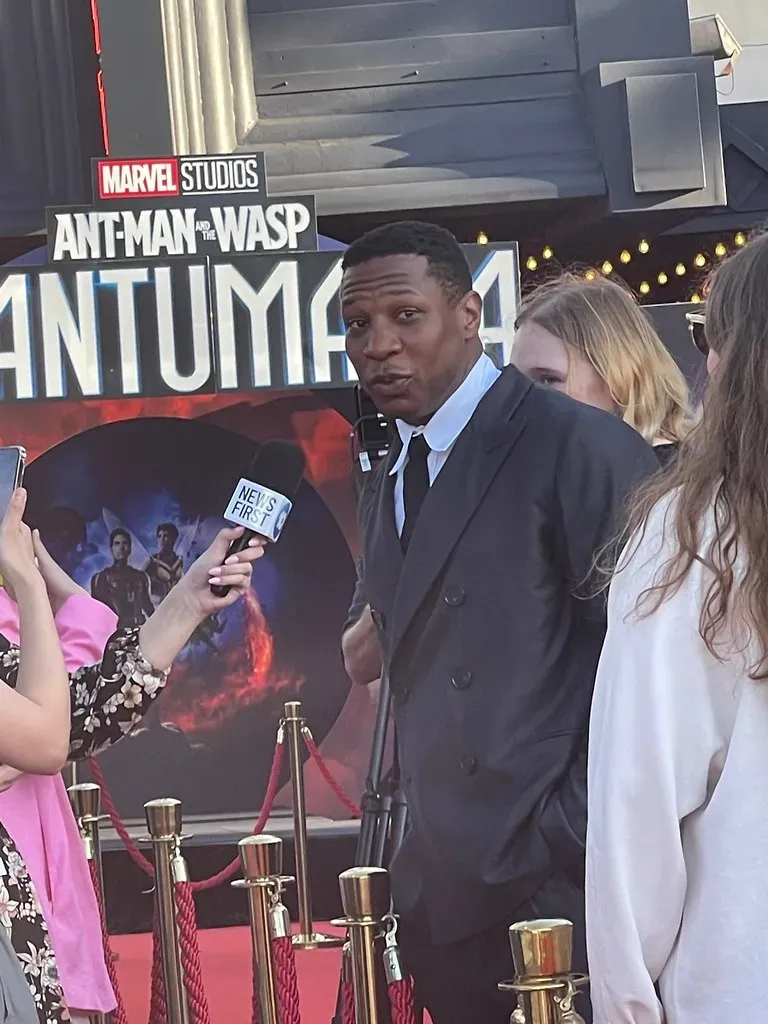
HBO’s Lovecraft Country, inspired by the fantastical writings of H.P. Lovecraft, earned a total of 18 Emmy nominations, including Best Drama Series and four acting bids for Jonathan Majors, Jurnee Smollett, Michael K. Williams, and Aunjanue Ellis. After premiering to positive reviews and solid ratings, HBO opted not to renew Misha Green’s horror drama, which was originally intended as a limited series. The cancellation caught many off guard, especially given the show’s extraordinary recognition from the Emmy community.
The HBO drama, which was canceled after one season, received 18 nominations, the fifth most of all shows that year. Only The Crown, The Mandalorian, WandaVision, The Handmaid’s Tale, Saturday Night Live, and Ted Lasso received more. Star Courtney B. Vance openly expressed his frustration, stating “I don’t understand it; it doesn’t make sense, it doesn’t make sense to fans and that’s all who matter. We set everyone up and then we don’t deliver for whatever reason.” It’s often a way to acknowledge the art and value of a show which may be critically acclaimed but not performing to expectations in terms of ratings or viewership, and Lovecraft Country left a lot of unanswered questions for a potential second season after its cancellation by HBO.
4. The Dark Crystal: Age of Resistance (2019)
The Dark Crystal: Age of Resistance honored Jim Henson’s original vision for continuing the story set forth by the original 1982 film. It even won the Emmy for outstanding children’s program, but critical acclaim wasn’t enough to save the show from Netflix going axe-happy at the onset of the COVID-19 lockdowns. The show debuted in August 2019 and immediately won the hearts of long-time fans for its reliance on actual puppets and practical effects, with only minimal CGI being used. While the series did make use of newer filmmaking technologies, the practical effects were still the predominant choice for creating the world of Thra and its denizens, alongside a crew of over 2,500 professionals.
The Dark Crystal: Age of Resistance’s cancellation is made even more frustrating due to the stellar reception, with a “Certified Fresh” 89% critics’ score on Rotten Tomatoes and a 94% audience score. The season 1 finale ends in a satisfying way that pays off all previous build-up, but it also leaves numerous questions and mysteries unresolved, which makes Netflix’s decision all the worse. A 2023 Forbes report cites the overall production budget for The Dark Crystal at around $97 million, and despite the show’s overall positive reception, it simply wasn’t positive enough for the upper brass to consider continuing it to be a cost-effective endeavor. Sadly, nothing new has manifested years later, though in a 2022 Variety interview, Henson Company TV head Halle Stanford said that the company was still thinking up ways to get the rest of the story out to fans.
5. 1899 (2022–2023)
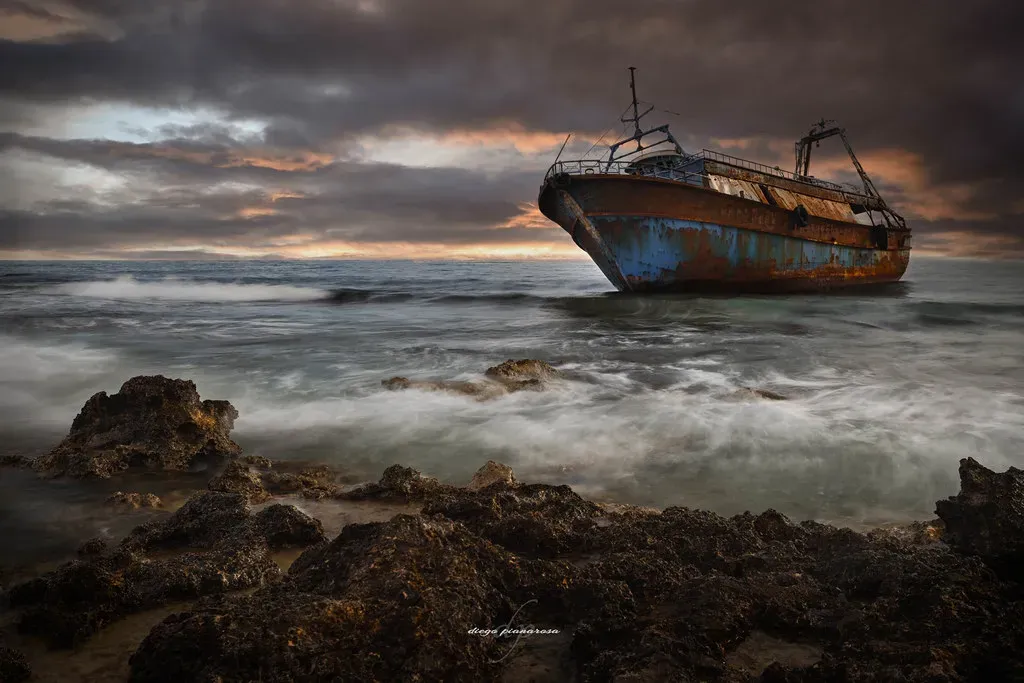
1899 ended unceremoniously after Netflix pulled the plug in January 2023. Despite seemingly positive reviews from fans and critics alike, the intriguing series from the creators of Dark did not survive the chopping block. Set on a mysterious steamship, the one-season series follows a group of European emigrants who hope to improve their lives by traveling from the UK to the US. Along the way, a series of unsettling events point towards the possibility that not everything is as it seems, and the show’s shocking twist ending confirms that there’s more to the potentially mind-bending story. Viewers who made it to the end were left completely stunned and desperate for answers that never came.
The worrying trend of mass cancellations continued to shape streaming in 2023, as companies dropped fan-favorite series left and right based on their own internal metrics. Recent abrupt cancellations like Netflix’s 1899 left viewers feeling frustrated, especially considering the quality and clear potential some of these shows had. There are many shows that haven’t made it past one season as they struggle to establish a strong fanbase, and for the most part these cancelled series plummet into the TV wasteland of forgotten shows, but a few live on as cult series in the memory of fans still bitter over an early cancellation. 1899 belongs firmly in that second category, a show that trusted its audience, set up an expansive mythology, and was then silenced before it could answer a single question it raised.
Why Networks Keep Getting It Wrong
There are several reasons a network cancels a show, but the main one is ratings, especially in the days when the Nielsen ratings determined the fate of a series. Before cable and streaming, the “Big Three” networks of ABC, CBS and NBC fought for viewership and wouldn’t hesitate to axe a show that didn’t perform well. Like it or not, network TV series typically live and die by their Nielsen ratings, live, delayed, or streaming. Since most fans do not live in Nielsen households, the average person’s preferences aren’t taken into account, and that is frustrating. The system has long been imperfect, and some of television’s finest creative work has paid the price.
Shows like Firefly existed in that weird in-between time when there was no streaming and TV ratings were the only way to determine the success of a show. Nowadays, a show might have a slow start on TV but people will start to watch it on-demand, Reddit groups will form, and the network might renew it based on that popularity. Although many of these programs failed to garner adequate viewership, many were loved by critics and even received Emmy nominations despite being cancelled, with many of these shows going on to become cult classics and developing loyal followings. That cult life, enduring through streaming platforms and passionate fan communities, is perhaps the only consolation these remarkable one-season wonders ever received.