Most people picture science happening in sterile university labs, behind expensive equipment, run by people with a string of degrees after their names. Honestly, that image is understandable. But some of the most genuinely exciting scientific breakthroughs have come from somewhere far less expected: the American classroom. A curious student, a willing teacher, a science fair assignment, and suddenly the world knows something it didn’t know before.
These aren’t feel-good myths or exaggerations for a school newsletter. These are real, documented discoveries that emerged from school science projects, high school labs, and student research programs across the United States. What follows might just change how you think about where knowledge comes from. Let’s dive in.
1. A Middle Schooler Who Discovered a Common Sweetener Kills Insects

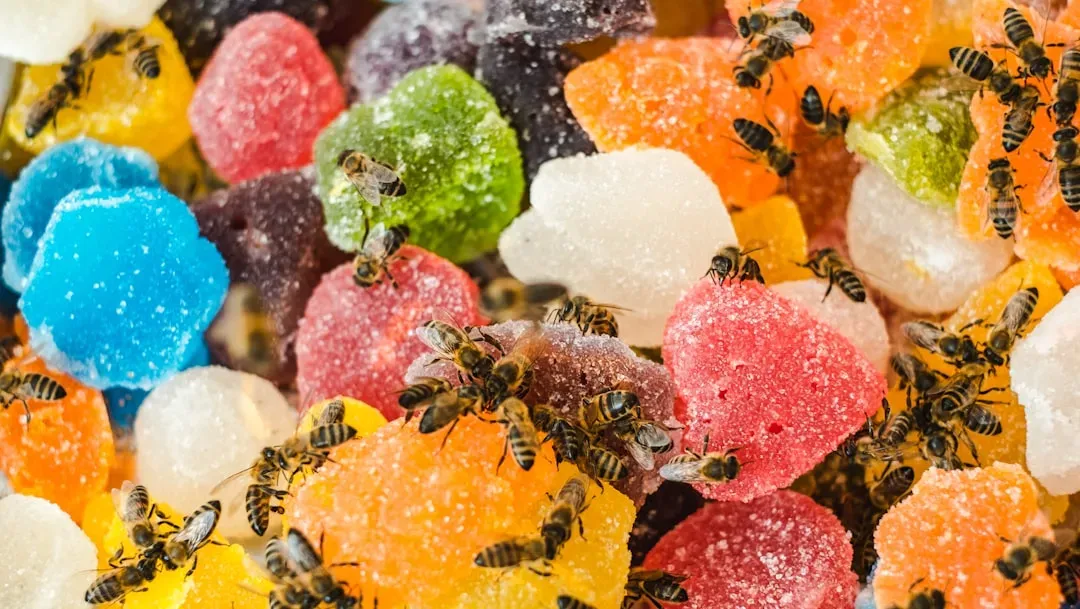
Here’s the thing – the discovery that rewrites a scientific assumption doesn’t always start in a prestigious institution. Sometimes it starts with a kid wondering what happens when you feed candy to fruit flies. For a middle school science project, Simon Kaschock-Marenda discovered that a sweetener found in most grocery stores doubles as a nontoxic insecticide. With help from his dad, Drexel University biology professor Daniel Marenda, Simon gave artificial sweeteners to fruit flies raised in their home.
The results were striking and impossible to ignore. Of all the groups they studied, the flies fed Truvia had the shortest lifespan, just 5.8 days compared to 38 to 51 days for other groups. Daniel realized the significance of their findings and conducted further experiments at his work lab. Along with his colleagues, he identified the ingredient responsible, erythritol, and published the work in the journal PLOS ONE. A middle school curiosity project ended up in a peer-reviewed scientific journal. Not bad for a homework assignment.
2. A High School Field Trip That Unearthed the Youngest Known Baby Dinosaur

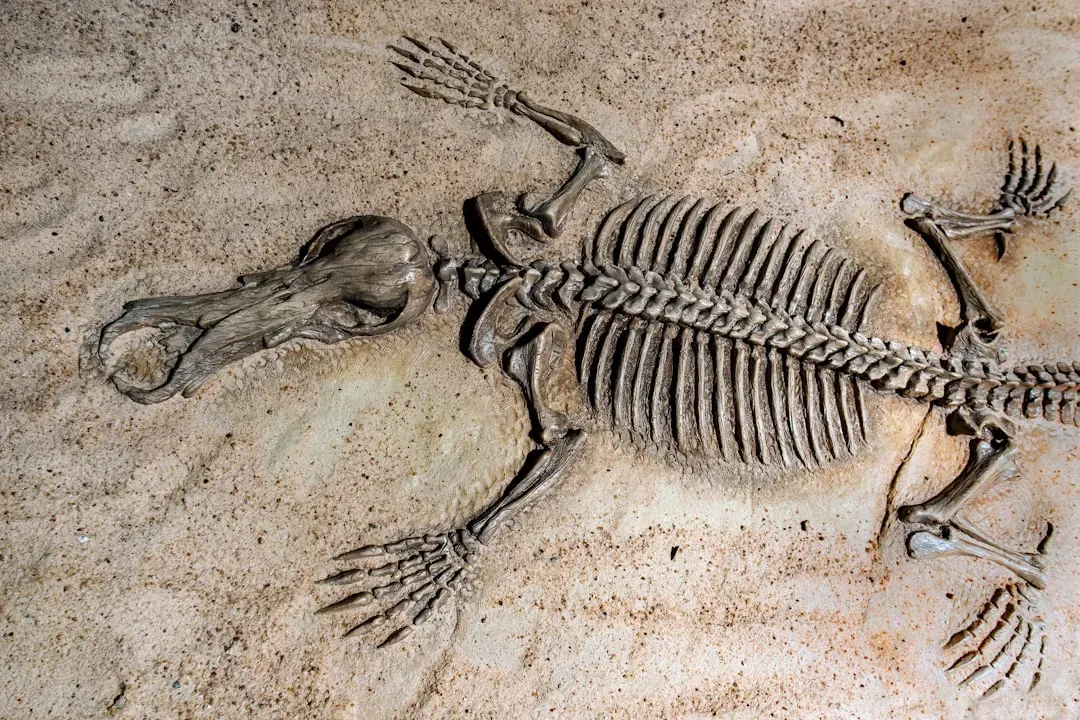
Most field trips produce a worksheet and a tired bus ride home. This one produced a paleontological landmark. In 2009, Kevin Terris was conducting paleontology fieldwork for a high school class when he discovered some baby dino bones sticking out from under a boulder in Utah’s Grand Staircase-Escalante National Monument. With help from Andrew Farke, a paleontologist and curator at Raymond M. Alf Museum of Paleontology in Claremont, California, Terris and his classmates unearthed the remains of a Parasaurolophus, a Cretaceous-era herbivore which roamed the Earth about 75 million years ago.
Terris’ discovery is the smallest, youngest, and most complete duck-billed Parasaurolophus ever found. The fossil, nicknamed “Joe,” is on display at the Raymond M. Alf Museum of Paleontology in Claremont, California, after providing important insight into the development of duck-billed dinosaurs. It’s a reminder that sometimes the most important thing a student can do is simply pay attention and look closely at the ground beneath their feet.
3. A New Jersey Freshman Who Found a Potential Lead in Cancer Research
I know it sounds crazy, but a freshman in high school once spent his free time investigating why synthetic stem cells age too fast and, in doing so, stumbled onto something that could one day influence how we approach cancer treatment. In Dr. Robert Pergolizzi’s class at Bergen’s Science and Technology Magnet School in New Jersey, students’ only assignment was developing an original research project. Freshman student Joshua Meier took that prompt and ended up discovering a possible treatment for cancer.
Partner offer

Meier began his research by looking into the causes of rapid aging in artificially-generated stem cells. He discovered that synthetic stem cells are missing roughly a third of their DNA, which makes them age faster. By controlling mitochondrial DNA deletion levels, he was able to slow the aging process. As a junior, Meier used his findings to come up with a potential cancer treatment. Instead of slowing aging in stem cells, he realized he could reverse the process to speed up aging in cancer cells and stop them from growing. Meier ultimately won third place and a $40,000 scholarship in the prestigious Siemens Competition in Math, Science and Technology.
4. A 10-Year-Old Who Accidentally Designed a Previously Unknown Molecule

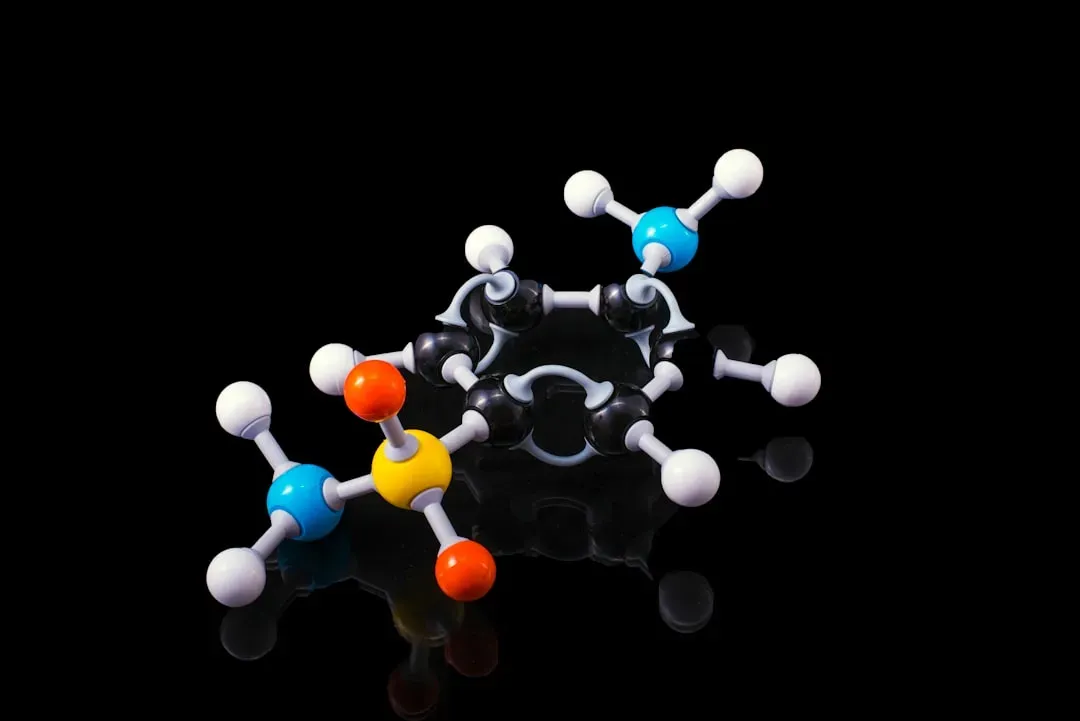
Let’s be real. Nobody expects a fifth grader to discover a new chemical compound during a classroom exercise. Yet that is precisely what happened in a Kansas City science class. In 2012, science teacher Kenneth Boehr handed out a molecular model set. These are the collections of balls and sticks that can be assembled into models of molecules. One of his pupils, 10-year-old Clara Lazen, got to work sticking and building, assembling atoms of nitrogen, oxygen, and carbon to create a three-armed molecular structure, and showed it to her teacher.
Boehr was bewildered because it looked feasible, but he had no idea whether this molecule really existed. Curious, he showed it to his friend Robert Zoellner, a chemistry professor at Humboldt State University. Zoellner searched through an online database of known chemicals. Clara probably never set out to invent an entirely new substance, but Zoellner’s search showed up no matches. He concluded her building project was an entirely conceivable but previously unknown chemical substance. A classroom building activity turned into a genuine contribution to chemistry. Not bad for a morning science lesson.
5. A Pasadena High Schooler Who Mapped 1.5 Million Unknown Objects in Space

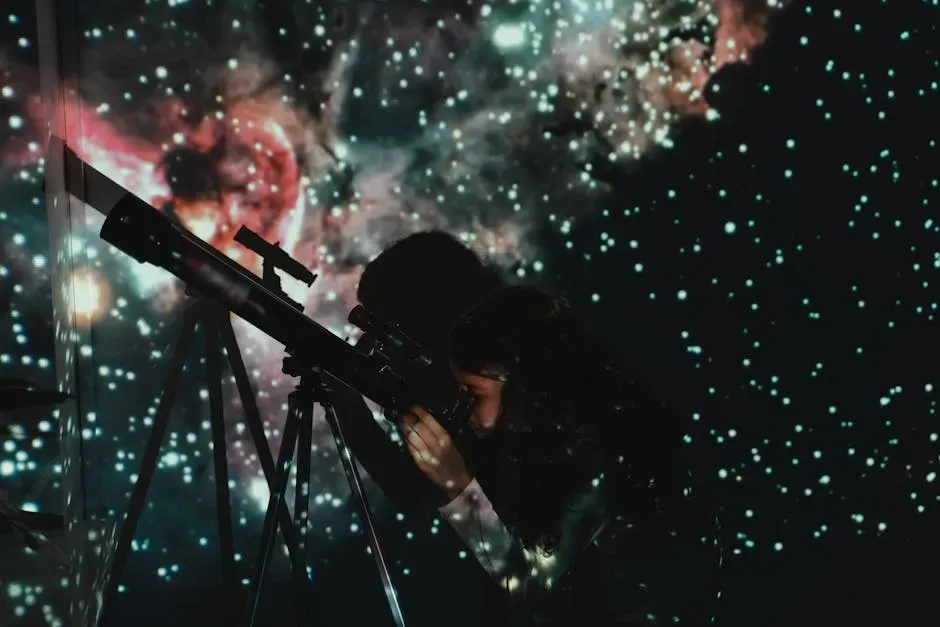
This one might be the most astonishing entry on this list, and it happened very recently. High school senior Matteo Paz stunned the astronomy world by uncovering 1.5 million previously unknown cosmic objects using a machine-learning model he developed at Caltech. What started as a summer research program transformed into a groundbreaking scientific contribution. His schoolwork had prepared him to bring a new viewpoint to the challenge. He had taken an interest in AI during an elective that integrated coding, theoretical computer science, and formal mathematics.
Paz developed waveform-based machine learning methods to sort an entire telescope catalog and detect potential variables within the data, including a machine-learning algorithm dubbed VARnet. He produced a complete census of 1.9 million infrared variable objects, 1.5 million of which are new discoveries, including supermassive black holes, newborn stars, and supernovae. The breakthrough is detailed in a study published in The Astronomical Journal, and the paper’s sole author is 18 years old. Matteo Paz won the first place prize of $250,000 in the 2025 Regeneron Science Talent Search for combining machine learning with astronomy. His work is now considered a real contribution to astrophysics, and it all traces back to a school program in Pasadena.
Taken together, these five stories share something quietly profound. None of these students set out to rewrite science textbooks. They were following curiosity, completing assignments, or simply building things with what they had. The discoveries came from paying attention, asking honest questions, and refusing to dismiss an unexpected result. That is, in the end, how most real science works. What would you have guessed your own classroom might be hiding?
Partner offer
Planning a trip to Vegas?
Compare hotel rates and show tickets on VEGAS.com.