
Musical reinvention is a gamble. Fans build loyalty around a sound, and when a band suddenly swaps distortion for melody, or synthesizers for silence, the reaction can be brutal before it becomes celebrated. Yet some of the most respected catalogs in rock history exist precisely because a band refused to stay put, even when staying put would have been the safer, more profitable choice. The six examples below span four decades and several genres, but they share a common thread. Each band reached a point where repeating themselves felt impossible, so they took a risk that reshaped how listeners understood them entirely.
Metallica: from thrash pioneers to arena rock giants
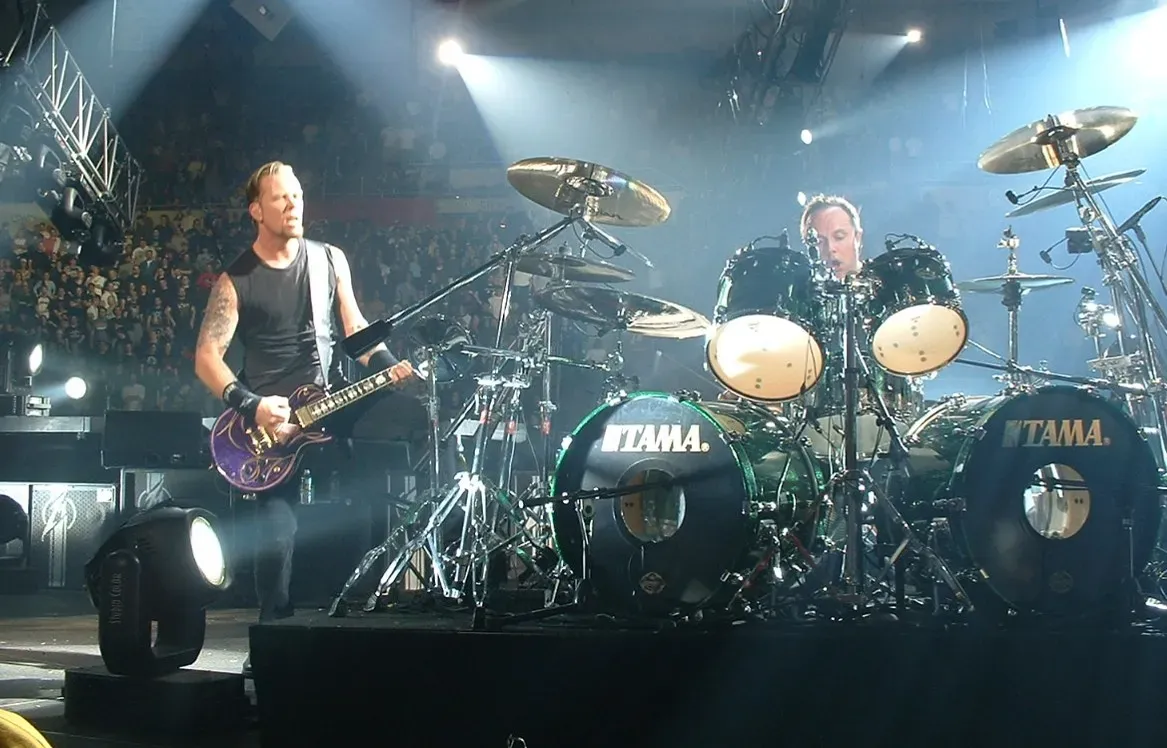
Metallica spent the 1980s defining thrash metal with breakneck tempos and sprawling song structures. That changed in 1991 with their self titled album, widely known as the Black Album, where the album marked a change in the band’s sound to one less harsh than the thrash metal style of their previous four albums. Producer Bob Rock pushed the band toward shorter, punchier songs, and the gamble paid off commercially in a way few metal records ever had.
Five years later, Load pushed the transformation even further. The songwriting dispensed almost entirely with the thrash metal style that characterized the band’s sound in the 1980s, replaced by blues, southern rock, and even hints of country. The visual shift matched the sonic one, too, since the thrash uniform of tight denim, white trainers and unruly hair were long gone, replaced with a Metallica decked out in black suits, eyeliner and short, quiffed hair.
Fleetwood Mac: blues purists who became pop royalty

It is easy to forget that Fleetwood Mac started as a British blues band with almost nothing in common with the group most people picture today. Under founding guitarist Peter Green, Peter Green’s Fleetwood Mac, in the early days, played music heavily rooted in the blues, drawing directly from Chicago blues traditions. Green’s playing was raw, emotional, and rooted in guitar tone rather than vocal harmony or polished production.
Everything changed after Green’s 1970 departure and the later arrivals of Lindsey Buckingham and Stevie Nicks. The band’s evolution eventually carried them to Rumours, a record that bore almost no resemblance to their origins, since the Fleetwood Mac Peter Green founded in 1967 bore only passing musical resemblance to the smooth pop/rock outfit that became rich, famous and chaotic in the 1970s with the album Rumours. Few bands have traveled that far stylistically while somehow keeping the same name intact.
Talk Talk: synth pop hitmakers who invented post rock

In the early 1980s, Talk Talk looked like just another synth pop act riding the same wave as Duran Duran. Their breakout single made them radio staples, and as one retrospective put it, the band that would eventually inspire Sigur Rós and Radiohead started out making the kind of synth-pop hits that defined early MTV and peak-era Top Of The Pops. Nobody listening in 1984 could have predicted where the band would end up by the decade’s close.
Frontman Mark Hollis had other plans, and the shift began in earnest with The Colour of Spring before reaching its extreme point on Spirit of Eden and Laughing Stock. Working with producer Tim Friese Greene, the band began systematically dismantling their pop scaffolding, starting with 1986’s The Colour of Spring, and by 1988’s Spirit of Eden, they’d gone full scorched earth on commercial structure. That collapse of pop songwriting rules is now widely credited as a founding moment for post rock, influencing bands who never even charted a single.
Partner offer
Linkin Park: leaving nu metal behind for alternative rock

Hybrid Theory and Meteora made Linkin Park one of the defining nu metal acts of the early 2000s, built on Mike Shinoda’s rap verses colliding with Chester Bennington’s melodic intensity. By 2007, that formula had run its course commercially and creatively. Minutes to Midnight arrived as a clear pivot, and as one retrospective summarized, it moved the band away from the rap-rock template of Hybrid Theory and Meteora towards alternative rock, hard rock and alternative metal.
The change wasn’t just cosmetic. Mike Shinoda did not rap as much as he did during the earlier albums, rapping on only two songs, and instead started singing, taking lead vocals on a song for the first time. Despite the risk, the album still debuted strong, since Minutes to Midnight debuted at number one on the Billboard 200 with 623,000 first week US sales, proving reinvention and commercial success were not mutually exclusive.
Radiohead: guitar rock giants who embraced electronic experimentation
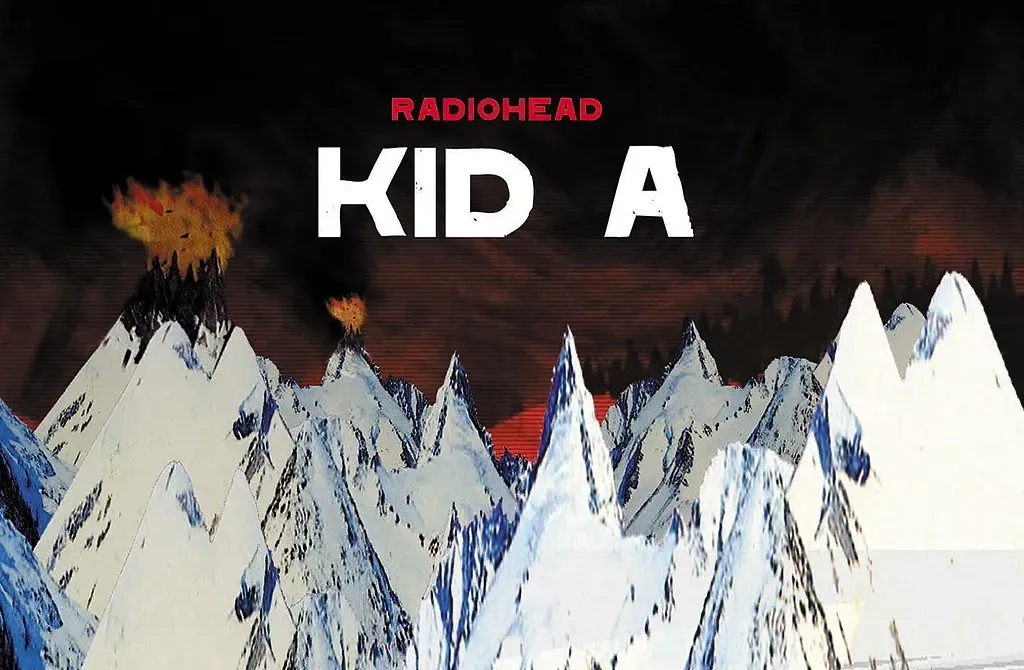
By 1997, Radiohead had already been crowned one of rock’s most important bands thanks to OK Computer, an album built on guitars, strings, and melancholic melody. Three years later, Kid A arrived and stripped nearly all of that away in favor of glitchy electronics, ambient textures, and songs that resisted traditional structure entirely. The shift confused plenty of longtime fans who expected another guitar driven record and instead got something closer to experimental electronic music.
What made the move remarkable wasn’t just the sound itself, but the timing. Radiohead made this leap at the peak of their commercial power, when a safer follow up would have guaranteed continued mainstream dominance. Instead, Kid A became one of the most influential albums of the 2000s, reshaping how mainstream rock bands thought about incorporating electronic production into guitar based music.
Genesis: progressive rock explorers turned pop hitmakers
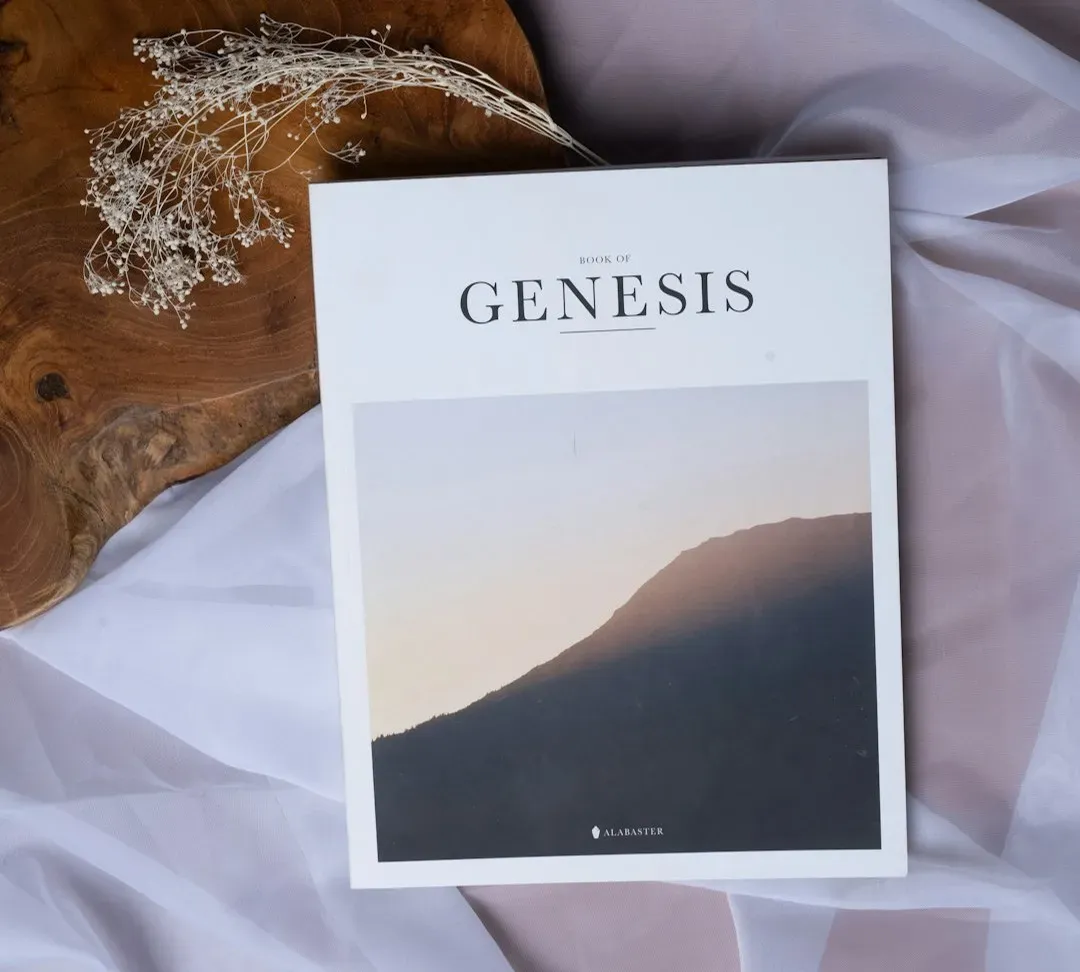
Genesis built their early reputation on sprawling, theatrical progressive rock, with lengthy compositions, conceptual storytelling, and Peter Gabriel’s elaborate stage costumes. After Gabriel’s departure in 1975, drummer Phil Collins stepped into the frontman role, and the band’s sound began drifting toward shorter, more accessible songwriting over the following decade. By the time Invisible Touch arrived in 1986, Genesis had transformed into one of the biggest pop rock acts on the planet.
The contrast between the two eras is stark enough that many casual listeners are surprised to learn both phases belong to the same band. Where early Genesis albums stretched past ten minutes per track with shifting time signatures, songs like the Invisible Touch title track ran under four minutes and dominated radio playlists worldwide. It remains one of the clearest examples of a band trading artistic ambition for mainstream reach, and doing so successfully enough to fill stadiums for another decade.
Reinvention rarely comes without cost. Every band on this list lost fans who preferred the earlier version, and several faced years of mixed reviews before critics reassessed the new direction with fresh eyes. What ties these six together isn’t just that they changed, but that the change eventually became inseparable from how each band is remembered, proof that the riskiest creative decisions sometimes age into the most defining ones.Partner offer
Planning a trip to Vegas?
Compare hotel rates and show tickets on VEGAS.com.