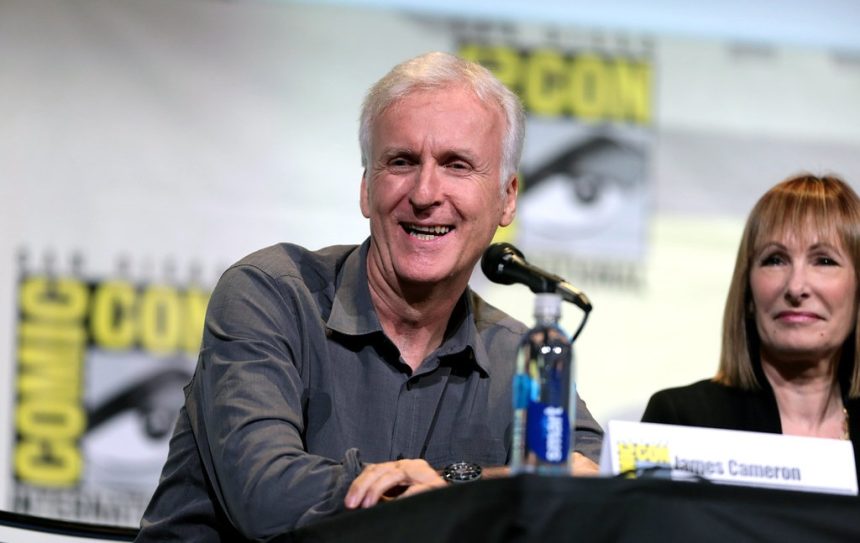
Movie endings feel permanent once they’re locked into the version we watch, but plenty of the finales audiences grew up loving were never the ones a director actually wanted. Studio notes, panicked test screenings, and box office anxiety have rewritten more third acts than most viewers realize. Some of those swapped endings eventually got a second life decades later, once directors finally had the leverage, or the streaming platform, to put things back the way they’d originally intended.
Ridley Scott and the unicorn that almost stayed hidden
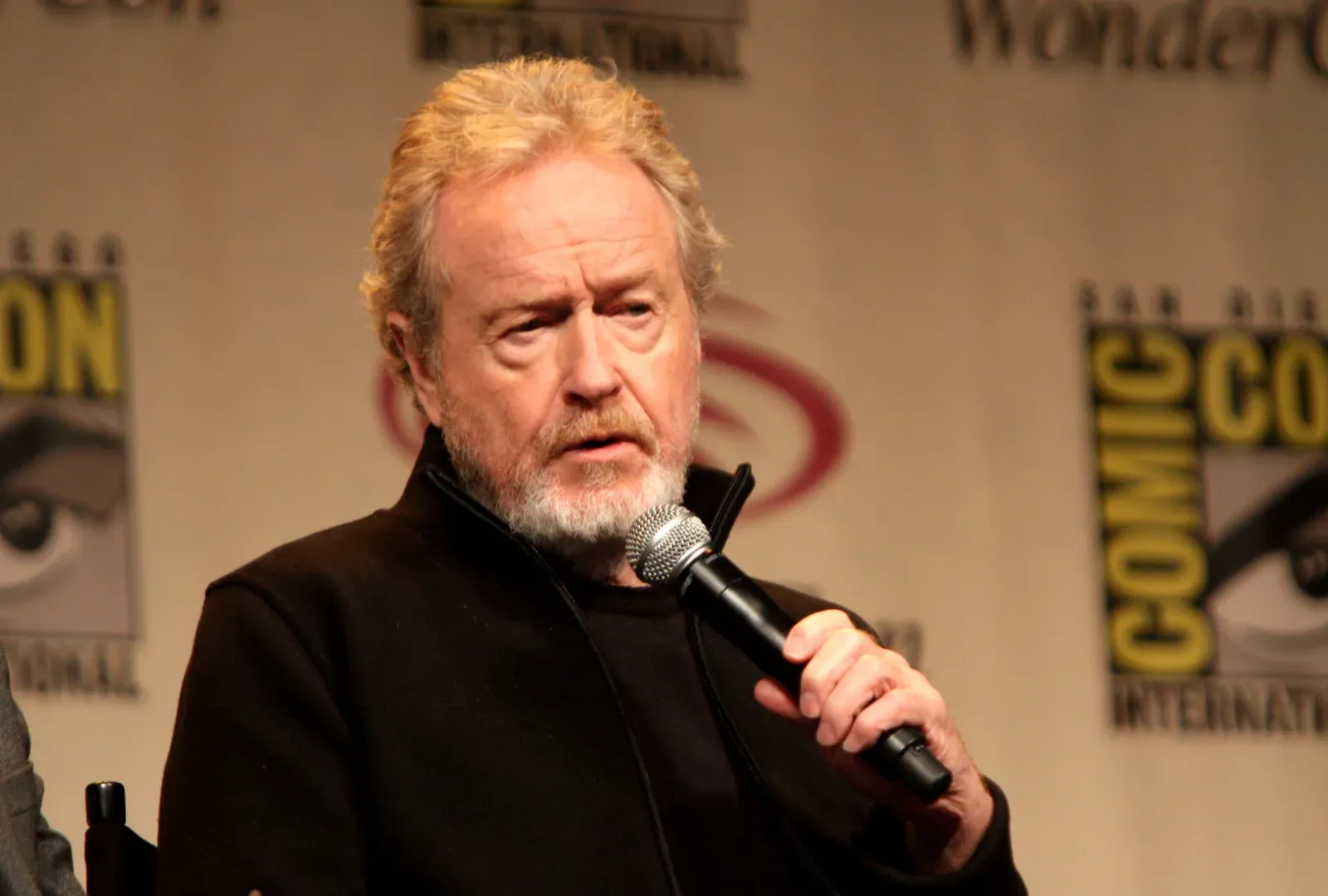
When Blade Runner hit theaters in 1982, Warner Bros. was nervous that audiences wouldn’t follow the story without help. Ridley Scott never wanted the original Blade Runner ending to be included, but after negative test audience reactions, Warner Bros. mandated a happier ending. That replacement finale had Deckard and Rachael flying off into a bright, hopeful sky, using leftover aerial footage that Stanley Kubrick had shot for The Shining and passed along to Scott.
Scott spent years trying to undo that decision. By the time the 1992 Director’s Cut arrived, it featured no voiceover narration, excluded the theatrical happy ending, and reinserted Scott’s recurring imagery of unicorns suggesting Rick Deckard is a replicant. The 2007 Final Cut went further still, and the removal of the tacked-on happy ending was a decision that both Ridley Scott and star Harrison Ford approved. What started as a studio-mandated compromise eventually became one of the most famous restorations in film history.
Terry Gilliam’s public fight over Brazil
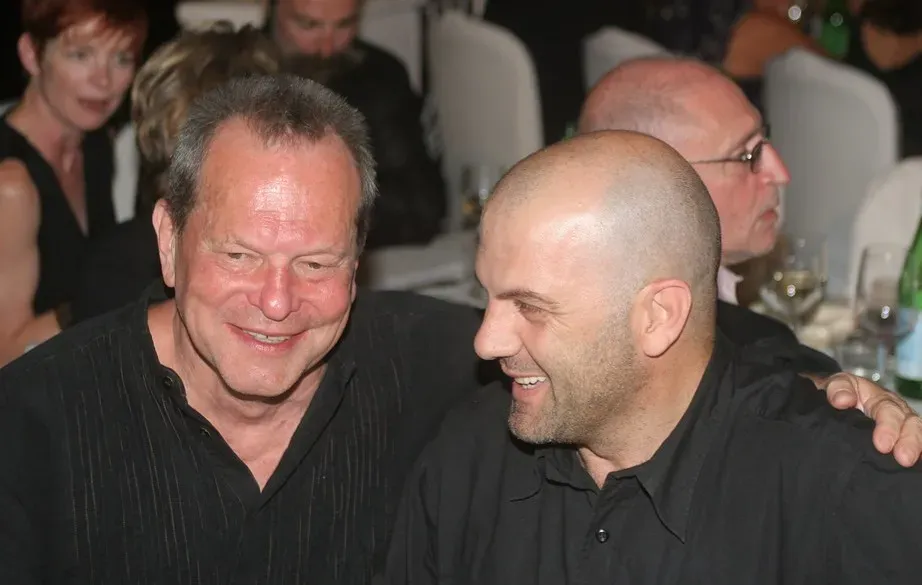
Terry Gilliam’s dystopian satire Brazil ran into trouble the moment Universal executives saw his cut. When Universal executives saw Gilliam’s original cut, they were alarmed, feeling the movie was too long, too bleak, and too unconventional, so the studio re-edited the film without Gilliam’s approval, shortening it and changing the ending so Sam escapes with the woman he loves. That version became known, rather ironically, as the “Love Conquers All” cut.
Gilliam refused to accept it quietly. He purchased a full-page ad in Variety addressed directly to Universal president Sid Sheinberg, asking when his movie would be released, and turned a private dispute into a Hollywood spectacle. The pressure worked. Once the Los Angeles Film Critics Association awarded Gilliam’s version Best Picture, Best Director, and Best Screenplay before it was even officially released, Universal relented and let his darker, original ending stand.
Adrian Lyne’s quieter, sadder version of Fatal Attraction
Fatal Attraction is remembered for its kitchen-sink intensity, but the version that reached theaters wasn’t the one Adrian Lyne first shot. Throughout the script, Alex makes frequent references to her favorite opera Madama Butterfly, and that’s how things played out in the first version of the film’s final moments, with a pregnant Alex slitting her throat in the bathroom of her apartment. Beth then finds a cassette tape Alex made before her suicide that reveals her plan, ensuring Dan’s freedom.
Test audiences wanted blood, not ambiguity, and the studio agreed. Lyne told Yahoo! Movies that the last 20 minutes of the movie fell flat, which is why the ending was reshot into the violent confrontation everyone remembers. Glenn Close reportedly resisted the change for a while, and didn’t want to shoot the new version because the original ending was a nod to the opera Alex loved, with Lyne admitting they were all reluctant since there was something nice about the ending reflecting the opera.
Partner offer
Frank Oz and the downer finale of Little Shop of Horrors
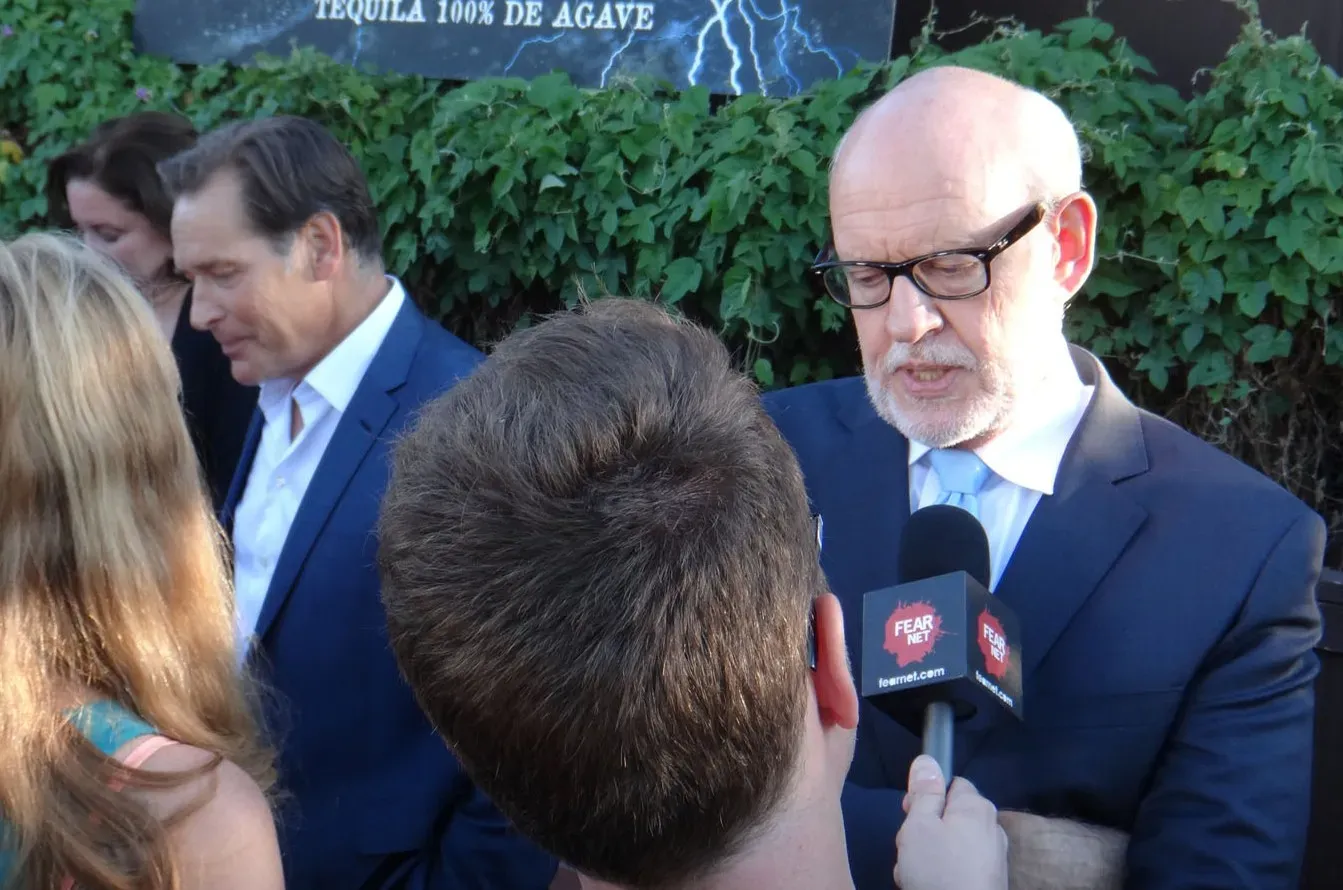
The 1986 film adaptation of Little Shop of Horrors was originally shot to match the stage musical’s ending, which was considerably darker than what most moviegoers eventually saw. Frank Oz filmed a conclusion where the man-eating plant Audrey II defeats Seymour and Audrey, then spreads across the world, mirroring the show’s bleak, satirical closing number. It was an ambitious and expensive sequence, built with elaborate practical effects, and Oz reportedly felt it honored the tone of the source material.
Test screenings turned hostile fast. Audiences didn’t want to watch two likeable leads die after rooting for them for ninety minutes, so the studio pushed for reshoots that let Seymour and Audrey survive and the plant get destroyed instead. The original ending eventually resurfaced on home video releases, giving fans a chance to see the grimmer conclusion Oz had originally committed to film.
James Cameron’s unfinished vision for The Abyss
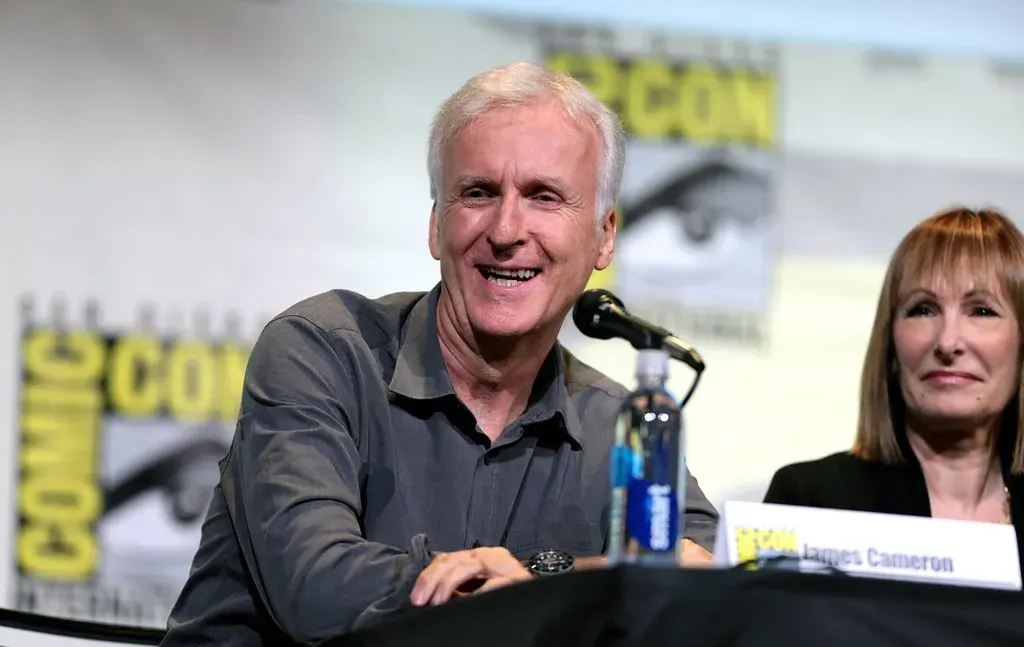
The Abyss suffered from a different problem: not studio meddling exactly, but unfinished special effects under a punishing deadline. Originally, the alien creatures were meant to send massive tidal waves toward coastlines worldwide, stopping them only after witnessing Bud Brigman’s sacrifice, but when test audiences reacted negatively, largely due to unfinished effects, the sequence was cut entirely from the theatrical version. Cameron was reportedly given an ultimatum, and a studio executive told him he could either finish the film immediately or personally explain it in 1,200 theaters, four times a day.
He got a second chance a few years later. Cameron later received five hundred thousand dollars to complete the effects for a longer cut, which was restored in the Special Edition home release. That 171 minute version gave the alien finale room to breathe, and fans have long treated it as the more complete telling of Cameron’s original story.
Zack Snyder and the four year wait for his own movie
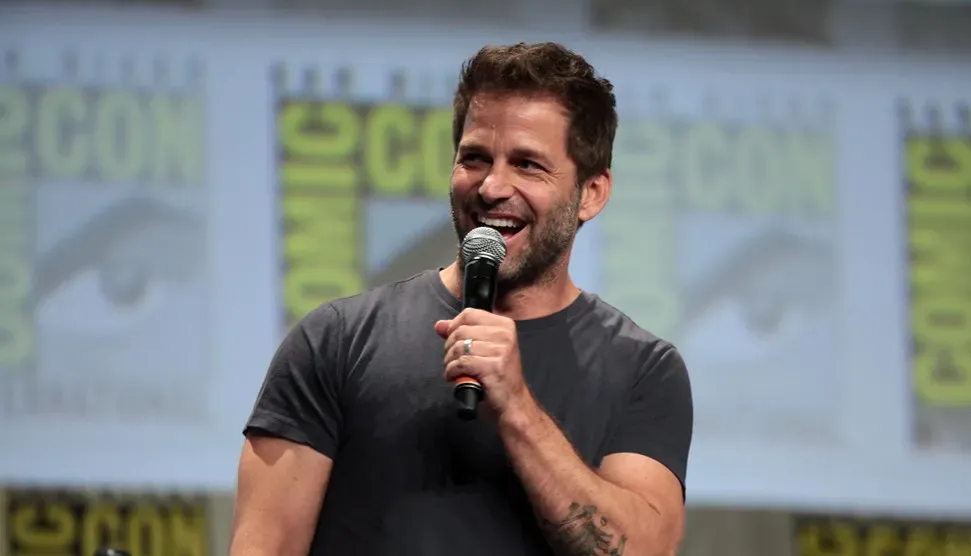
Justice League might be the most public example of a director losing an ending, then eventually getting it back in front of everyone. After Zack Snyder stepped away during postproduction following a family tragedy, though Snyder was initially open to Whedon rewriting the script, he eventually became more resistant as Warner Bros. began granting Whedon more directing privileges. The scenes Whedon wrote or reshot featured a brighter tone and more humor, and to meet the mandated runtime, more than ninety minutes of Snyder’s footage was removed.
Fans never let the issue drop, and Warner Bros. eventually caved. Zack Snyder’s Justice League became the 2021 director’s cut, representing director Zack Snyder’s original vision of the film prior to his departure from the production. The four hour version restored character arcs, villains, and a very different tone from the one audiences saw back in 2017, giving Snyder the ending he’d been denied for nearly four years. These six cases share a common thread: the version that reached theaters first wasn’t always the one its director believed in most. Whether the fix came from a director’s cut, a special edition, or years of fan pressure, each of these films eventually found its way back to something closer to its maker’s original intention.
Partner offer
Planning a trip to Vegas?
Compare hotel rates and show tickets on VEGAS.com.