Most history feels slow. Empires rise over centuries. Wars drag on for years. Political movements build across generations. But occasionally, the world pivots on something that lasts only seconds or minutes, and nothing that follows is ever quite the same.
These are not symbolic moments or gradual turning points. These are events with precise timestamps, brief durations, and consequences so vast they still shape how we live, travel, communicate, and govern ourselves today. Six of them stand out not just for what they changed, but for how little time it took to change it.
1. The Wright Brothers’ First Flight (December 17, 1903) – 12 Seconds

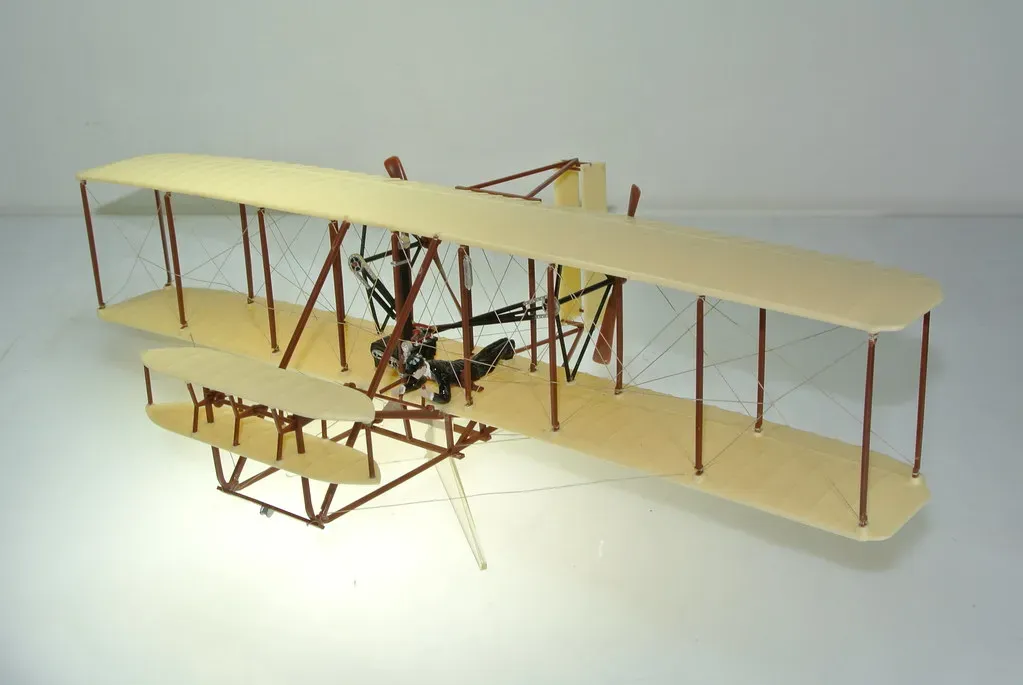
The flight lasted just 12 seconds, traveled 120 feet, and reached a top speed of 6.8 miles per hour. That is, by any measure, a modest achievement on paper. The Flyer darted up and down as it sailed slowly over the sand at last coming to rest with a thud 120 feet from where it took off. It was a short flight, only 12 seconds, but it was a true flight nevertheless. A human had flown.
The honor of the first sustained and controlled flight of a powered heavier-than-air aircraft went to two bicycle shop owners from Dayton, Ohio, Orville and Wilbur Wright. The brothers combined the mechanical experience from their business with the fundamental breakthrough invention of three-axis control to enable them to steer the aircraft and maintain its equilibrium. Within decades, that 12-second hop had seeded commercial aviation, air cargo, global warfare, and eventually space travel. Less than 60 years after Orville flew the Flyer at Kitty Hawk, Neil Armstrong planted his footprint on the surface of the Moon.
2. The Assassination of Archduke Franz Ferdinand (June 28, 1914) – Seconds

On June 28, 1914, Gavrilo Princip fired two shots in Sarajevo that triggered the cascade of events leading to World War I. After a failed bombing attempt earlier that day, Princip happened upon the Archduke’s car when it took a wrong turn, seizing his opportunity in a moment that lasted mere seconds. The fact that the assassination nearly did not happen at all, that Princip stumbled onto the Archduke’s motorcade almost by accident after the original attack failed, makes the randomness of it even more staggering.
This single act of violence set in motion a chain reaction of alliances and declarations of war that would claim over 16 million lives and redraw the map of Europe. Over 70 million men were mobilized in the ensuing war, and 10 million were killed. Four empires vanished, and the global center of power shifted from the Old World to the New. An age of aristocracy and traditional forms of government came to an end, and a fervent and fast-paced era of democracies, juxtaposed with radical ideologies and totalitarianism, took its place. Two gunshots on a street corner set the 20th century on fire.
3. The Atomic Bombing of Hiroshima (August 6, 1945) – Under 10 Seconds

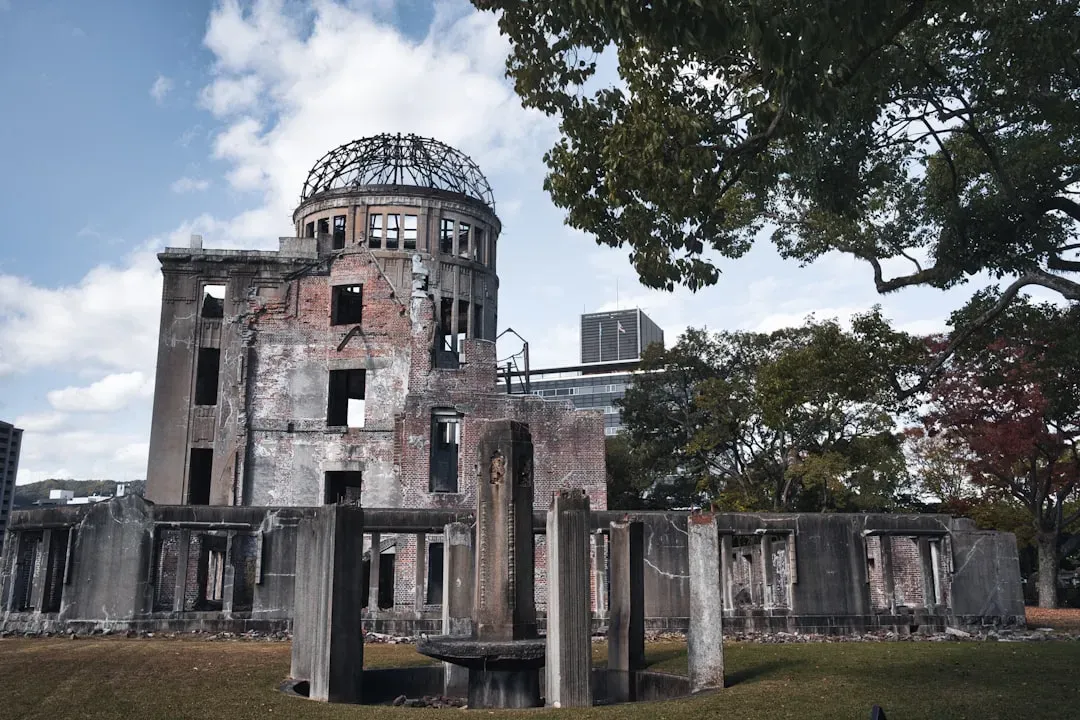
At 8:15 am on August 6, 1945, the first atomic bomb used against humans was dropped on Hiroshima. Six hundred meters over the city and with a blinding flash, the atomic bomb exploded 43 seconds after being dropped, creating a fireball that blazed like a small sun. More than one million degrees Celsius at its center, in one second the fireball reached a radius of over 200 meters, and the surface temperatures near the hypocenter rose to 3,000 to 4,000 degrees Celsius.
It takes around 10 seconds for the fireball from a nuclear explosion to reach its maximum size, but the effects last for decades and span across generations. Between 90,000 and 166,000 people are believed to have died from the bomb in the four-month period following the explosion. The U.S. Department of Energy has estimated that after five years there were perhaps 200,000 or more fatalities as a result of the bombing, while the city of Hiroshima has estimated that 237,000 people were killed directly or indirectly by the bomb’s effects, including burns, radiation sickness, and cancer. The moment also launched the nuclear age and the Cold War arms race that defined international politics for half a century.
Partner offer

4. The First Controlled Nuclear Chain Reaction (December 2, 1942) – Minutes

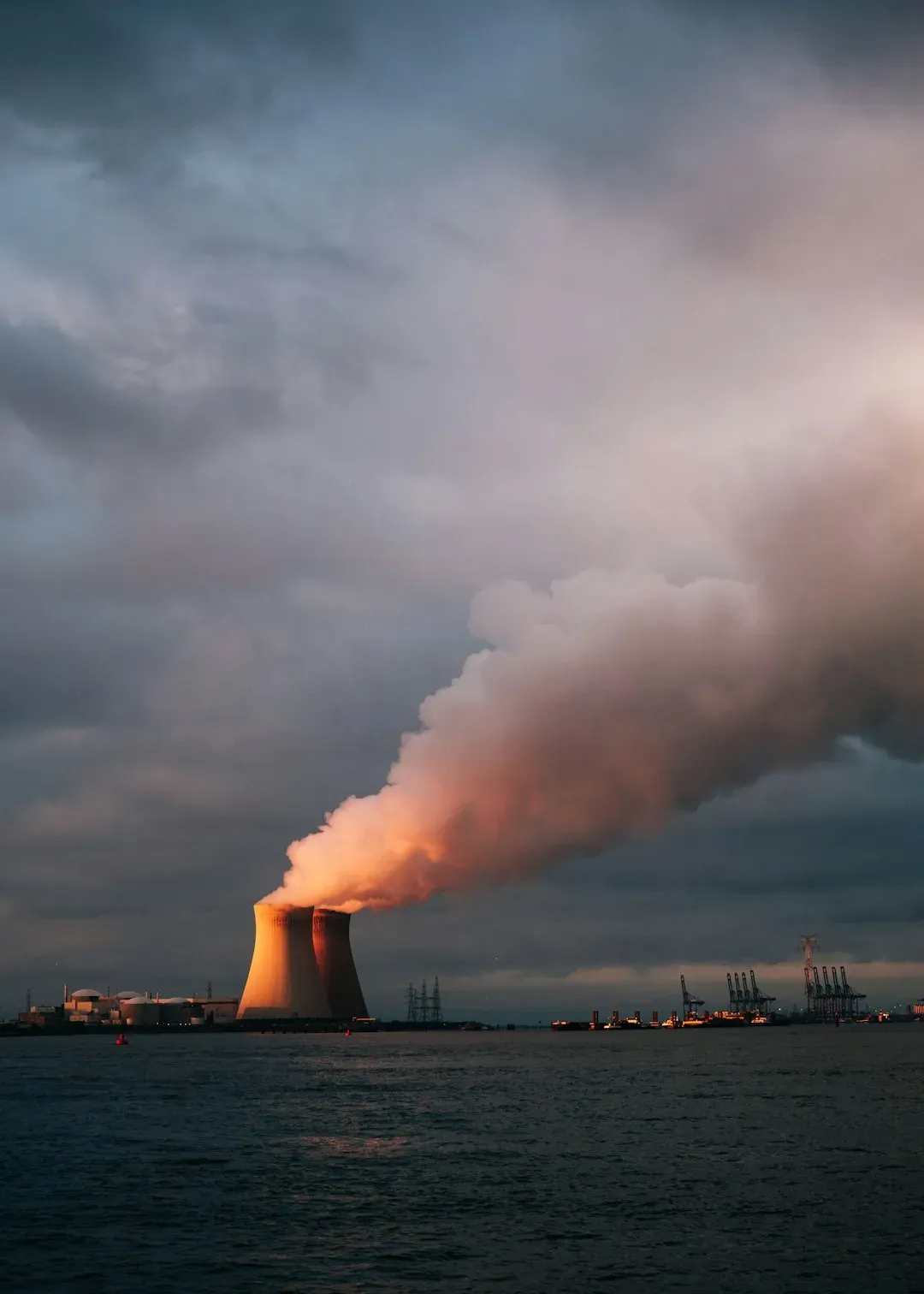
On December 2, 1942, scientists led by Enrico Fermi achieved the world’s first controlled nuclear chain reaction under the stands of a football stadium at the University of Chicago. The actual moment when the reaction became self-sustaining lasted just minutes but confirmed the theoretical possibility of both nuclear power and atomic weapons. The experiment, known as Chicago Pile-1, was deliberately kept secret and conducted in a converted squash court beneath Stagg Field, far from public view.
This brief chain reaction was the proof of concept that made the Manhattan Project viable. It opened a path toward nuclear power plants, which today supply a meaningful portion of the world’s electricity, and also toward the weapons that would soon be used on Hiroshima and Nagasaki. The few minutes that the reactor stayed critical in that cold Chicago basement rippled outward into nuclear energy policy, arms treaties, Cold War doctrine, and reactor designs still running in 2026. Few laboratory experiments have ever compressed so much consequence into such a short window.
5. The Assassination of John F. Kennedy (November 22, 1963) – Seconds

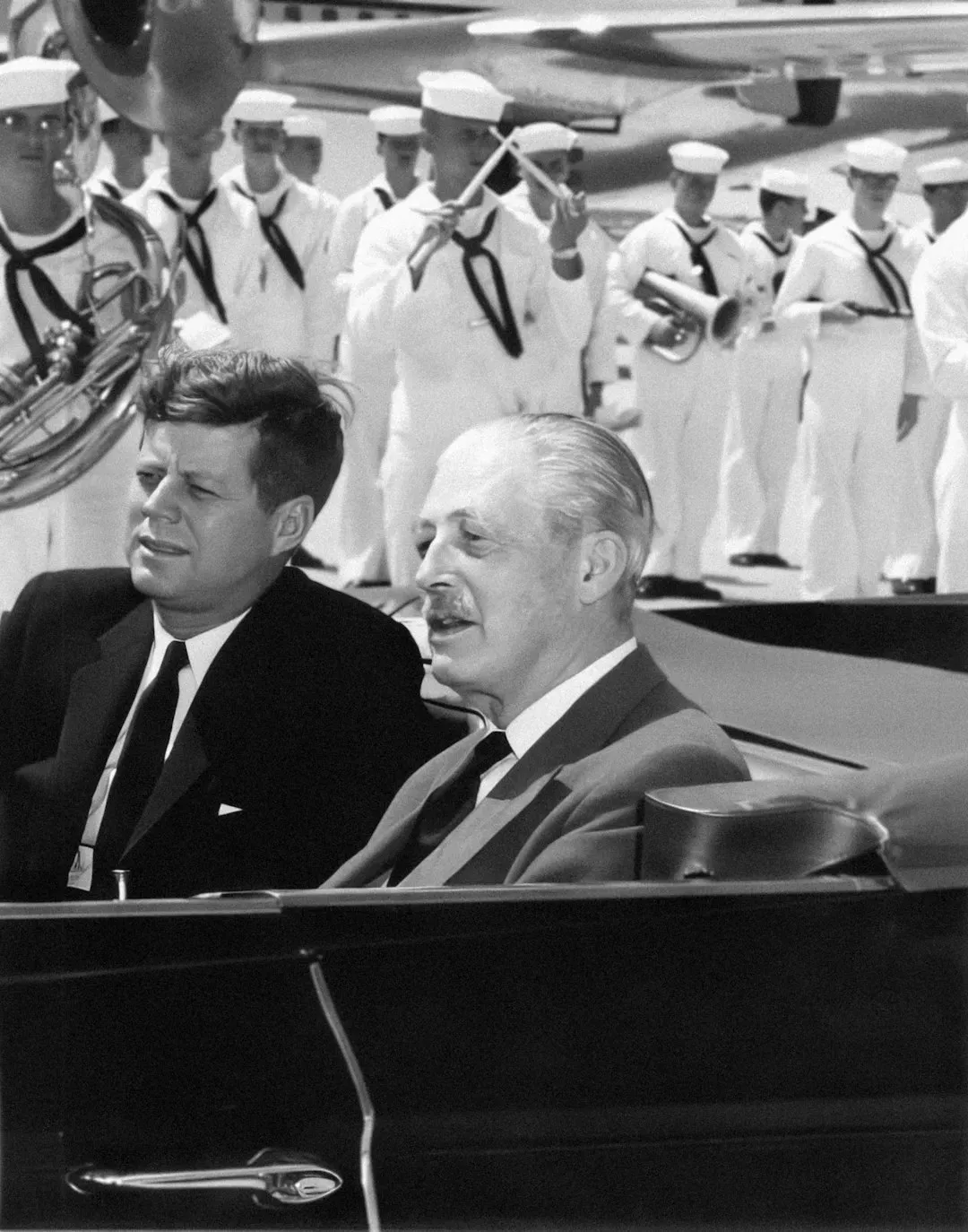
On November 22, 1963, President John F. Kennedy was fatally shot while riding in a motorcade through Dallas, Texas. The assassination took place in a matter of seconds, yet it traumatized an entire nation and dramatically altered the course of American politics. Abraham Zapruder hadn’t planned to make history that day, he just wanted to film the presidential motorcade passing through Dallas. His 26.6 seconds of 8mm footage captured the assassination of President Kennedy and became the most scrutinized home movie ever made.
Almost from the beginning, the killing of the popular young president was thought by many Americans to have been the result of a conspiracy rather than the act of an individual, despite findings to the contrary by the Warren Commission, which was established by Kennedy’s successor, U.S. President Lyndon B. Johnson, to investigate the assassination. The shooting accelerated the Civil Rights Act’s passage under Johnson, transformed the Secret Service, reshaped how America thought about its own government, and generated a distrust of official institutions that persists to this day. The shots themselves lasted under ten seconds; the cultural wound they opened has never fully closed.
6. The Fall of the Berlin Wall Announcement (November 9, 1989) – Under Two Minutes

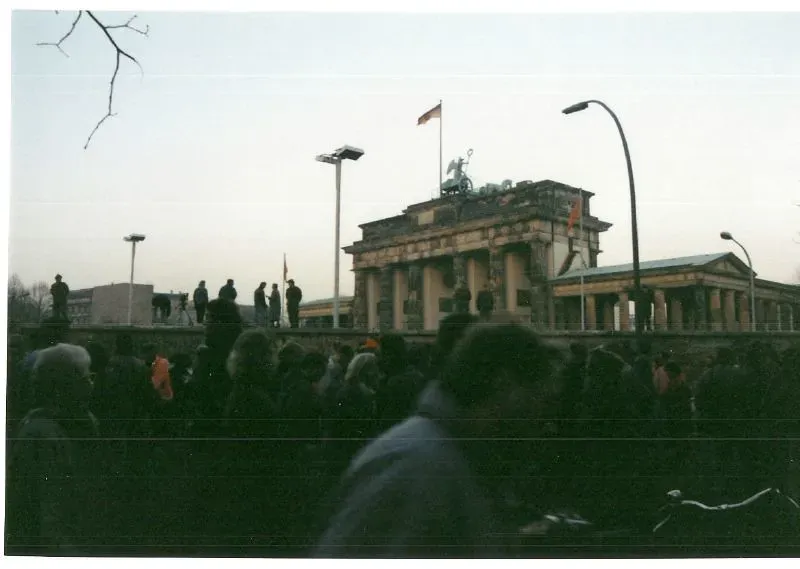
The Cold War’s most iconic symbol fell because of a misstatement that lasted under two minutes. During a press conference on November 9, 1989, East German official Günter Schabowski mistakenly announced that border crossings would open “immediately.” Confused guards, faced with growing crowds and no clear instructions, eventually allowed citizens through. This accidental announcement precipitated the physical dismantling of the wall and ultimately led to German reunification.
A misunderstood announcement at a press conference led East German citizens to flood checkpoints, overwhelming border guards who eventually opened the gates. The actual decision to open the wall happened in minutes, but effectively ended the Cold War division of Europe. East and West Berliners celebrated together as they crossed freely for the first time in 28 years, marking a powerful symbolic end to communist rule in Eastern Europe and setting the stage for German reunification. Schabowski had not even been present at the meeting where the policy was discussed. He misread the note. The wall that had divided a continent for 28 years came down because one official confused a scheduled announcement with an immediate one, in front of television cameras, in roughly 90 seconds.
What unites these six moments is not their drama, though they all have plenty of it. It is the sheer disproportion between duration and consequence. Seconds and minutes that reshuffled populations, redrew borders, launched technologies, and redefined what governments owe their citizens. Time, it turns out, is not always the measure of importance.
Partner offer
Planning a trip to Vegas?
Compare hotel rates and show tickets on VEGAS.com.