Music history is full of hit songs that made record labels rich while the people who actually wrote the words and melodies walked away with almost nothing. It sounds like an exaggeration until you look at the paperwork, the lawsuits, and the interviews these songwriters gave later in life. Some of the biggest songs of the twentieth century, tracks still played on the radio today, came from writers who signed away their rights for a flat fee, or who simply never saw a royalty check at all.
Richard Berry and the fortune he sold for $750

Richard Berry wrote “Louie Louie” in 1955, a simple three chord tune inspired by a bartender he knew, and recorded it in 1957 as a minor regional hit. Berry sold the copyright for $750 in 1959 to pay for his wedding, later saying that everybody sold their songs in those days. He had no way of knowing that a Portland garage band called the Kingsmen would turn his song into a garage rock standard just a few years later.
Berry sold the rights to all his songs for $750 in 1956 but received $2 million in royalties for Louie Louie 30 years later with the help of an artists rights group. That turnaround only happened because a beverage company wanted to license the song for a commercial and needed to track down the actual rights holder. Until that point, decades of airplay, cover versions, and film placements had generated money that never reached the man who wrote it.
Big Mama Thornton and the original “Hound Dog”
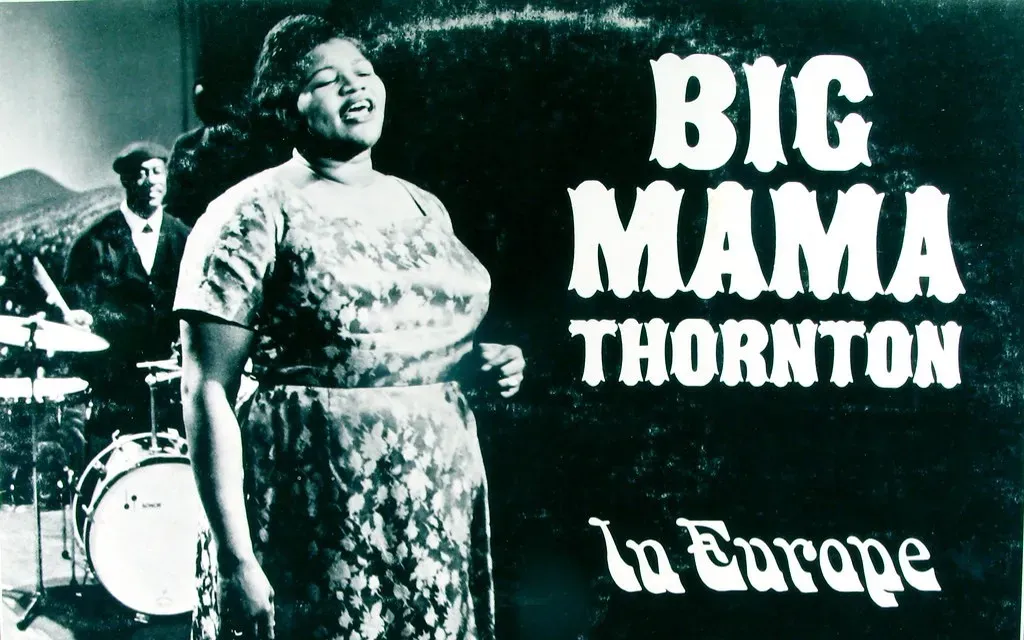
Willie Mae “Big Mama” Thornton recorded “Hound Dog” in 1952, turning a song written for her by Jerry Leiber and Mike Stoller into a rough, growling blues performance that topped the R&B charts for seven weeks. The single sold over 500,000 copies and spent 14 weeks on the R&B charts, making it the biggest hit of her career.
Despite that success, the financial reward never matched the cultural impact. She received only one check for 500 dollars and never saw another penny from the song. Three years later Elvis Presley’s version reached a much wider audience, and when he covered “Hound Dog” in 1956, he sold 10 million copies and got much more money from it than Thornton ever did.
Bo Diddley and the beat everyone borrowed
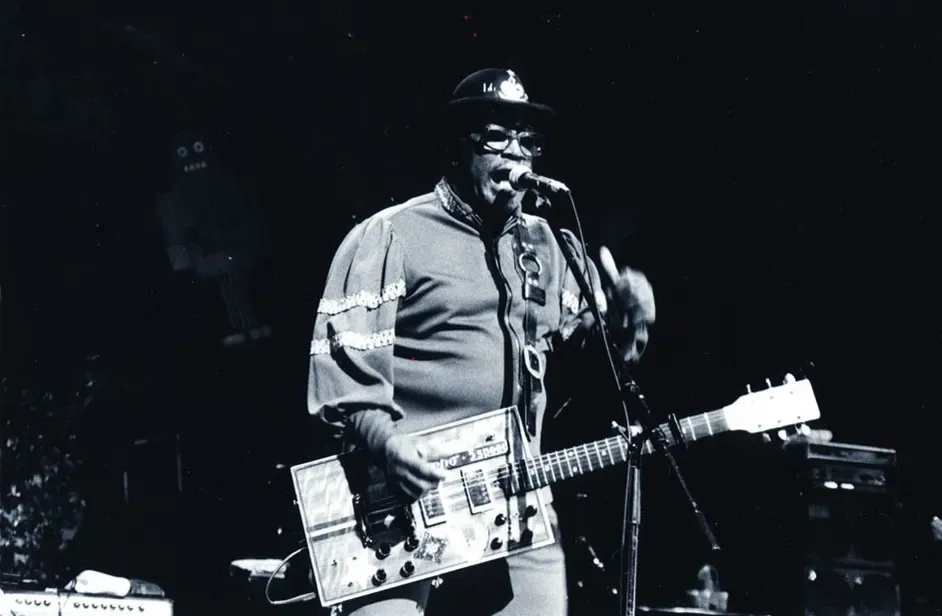
Bo Diddley created a rhythm so influential that it now carries his own name, and his early singles for Checker Records helped define the sound of rock and roll in the mid 1950s. Financially, though, the story was much messier. In the 1960s, just as British Invasion groups began to cover his songs, he hit a rough financial patch and sold his song publishing rights, so when the Rolling Stones cut “Mona” or the Yardbirds covered “I’m a Man,” he received nothing.
Diddley spoke about this frustration for the rest of his life, and he claimed that he never received royalties for any of his Chess recordings. It took organized lobbying from the Rhythm and Blues Foundation decades later to secure any ongoing payments for him and other veteran R&B artists from that era, a fix that came far too late to change the financial course of his early career.
Partner offer
Little Richard and the fifty dollar publishing deal

Little Richard’s raw, shouted vocal style helped invent rock and roll, but his business arrangements with Specialty Records left him with almost nothing from his biggest songs. He signed with Specialty in 1955, reportedly giving the label full ownership of the music he recorded in return for 50 percent of royalties earned, and according to his authorized biography, he sold his publishing rights to “Tutti Frutti” for 50 dollars, leaving him with a half cent royalty rate per record sold.
He eventually pushed back through the courts. In 1959 he left the label and filed a lawsuit claiming he never received his royalties, settling for 11,000 dollars while waiving his rights to future royalties from hits including “Tutti Frutti” and “Long Tall Sally”. A much larger lawsuit followed in the 1980s, but by then the songs had already generated fortunes for people other than the man who wrote and performed them.
Barrett Strong and Motown’s very first hit
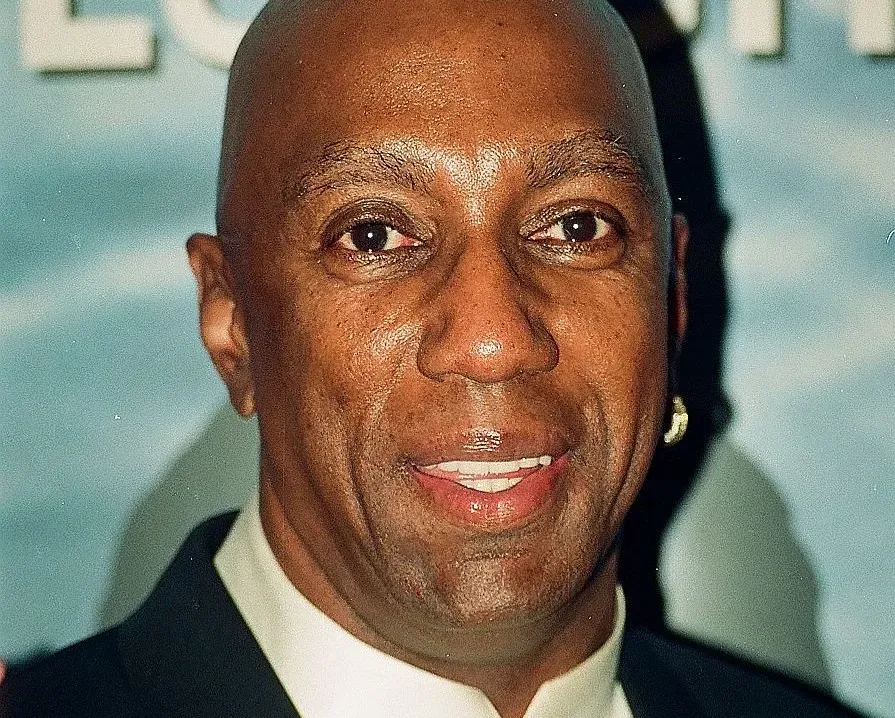
Barrett Strong sang lead on “Money (That’s What I Want)” in 1959, the song that gave Motown its first taste of real commercial success and later became a staple covered by the Beatles and the Rolling Stones. He was originally credited as a co-writer alongside Janie Bradford, but that credit quietly disappeared from the paperwork over time.
Only decades later would he learn that Motown had removed his name from the credits, costing him royalties for a song covered by countless artists and treasured enough to sit on John Lennon’s home jukebox. He had been credited as a co-author with Bradford, though Motown founder Berry Gordy later said Strong’s name only appeared on the copyright due to a clerical error. Strong spent much of his later life pursuing acknowledgment and payment for a song that never stopped earning money for everyone except him.
Willie Dixon and the blues songs rock and roll borrowed
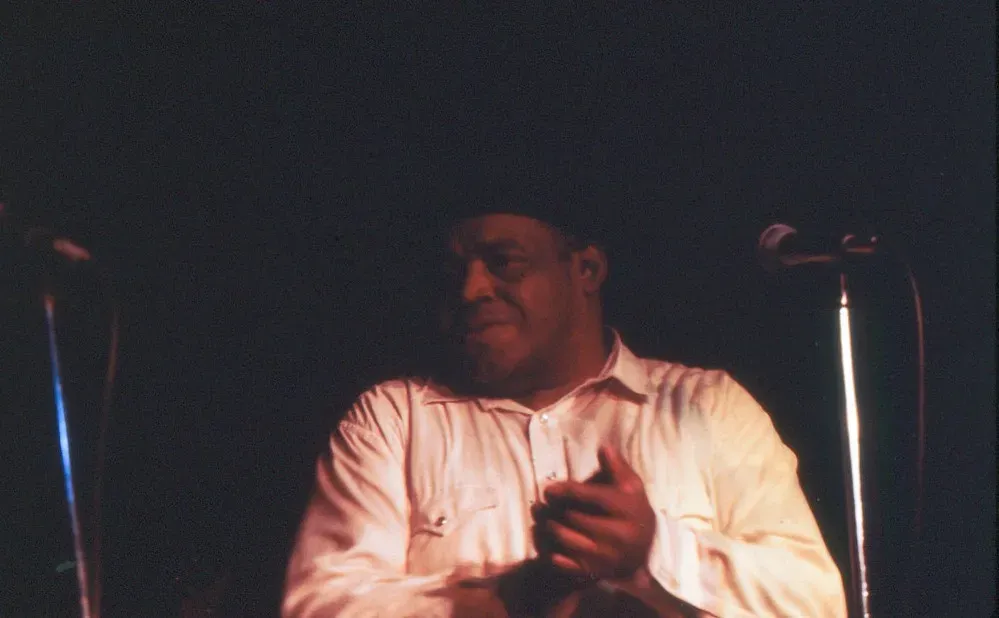
Willie Dixon wrote or co-wrote many of the songs that formed the backbone of Chess Records in the 1950s and 1960s, songs later reworked by British rock bands into some of the biggest hits of the classic rock era. For years he worked under arrangements at Chess that paid him modest session and writing fees rather than the ongoing royalty streams his material actually generated once it reached a much wider international audience.
When some of his blues compositions turned up, uncredited, inside songs by major rock acts in the following decades, Dixon had to take legal action just to get his name attached to material he had written years earlier. He eventually used the proceeds from those settlements to fund an organization dedicated to helping other blues musicians recover royalties they were similarly owed. His career became one of the clearest examples of how blues writers built the foundation of rock music while rarely sharing in its later profits.
These six stories share a common thread, songs that reshaped popular music while the people who wrote them were paid flat fees, small settlements, or nothing at all. Some eventually recovered a portion of what they were owed, often only after decades of legal battles or a lucky break like a commercial licensing request. Others never lived to see any correction at all, leaving their contributions preserved mainly in liner notes and royalty disputes rather than bank accounts.Partner offer
Planning a trip to Vegas?
Compare hotel rates and show tickets on VEGAS.com.