Hollywood has always been better at making movies than understanding them. Studios pour millions into productions, then occasionally do everything in their power to ensure as few people as possible see the finished result. Sometimes it’s a cold financial decision. Other times it’s a creative clash, a misread audience, or simply terrible timing. The result is the same: a film gets quietly strangled at the gate.
What’s remarkable is that some of those films refused to stay buried. History is filled with movies that initially stumbled in cinemas only to be rediscovered and revered, once dismissed by audiences or mishandled by studios, carving out legacies far surpassing their original financial receipts. These six are among the most striking examples of that phenomenon.
1. Blade Runner (1982) – The Film That Arrived Too Early
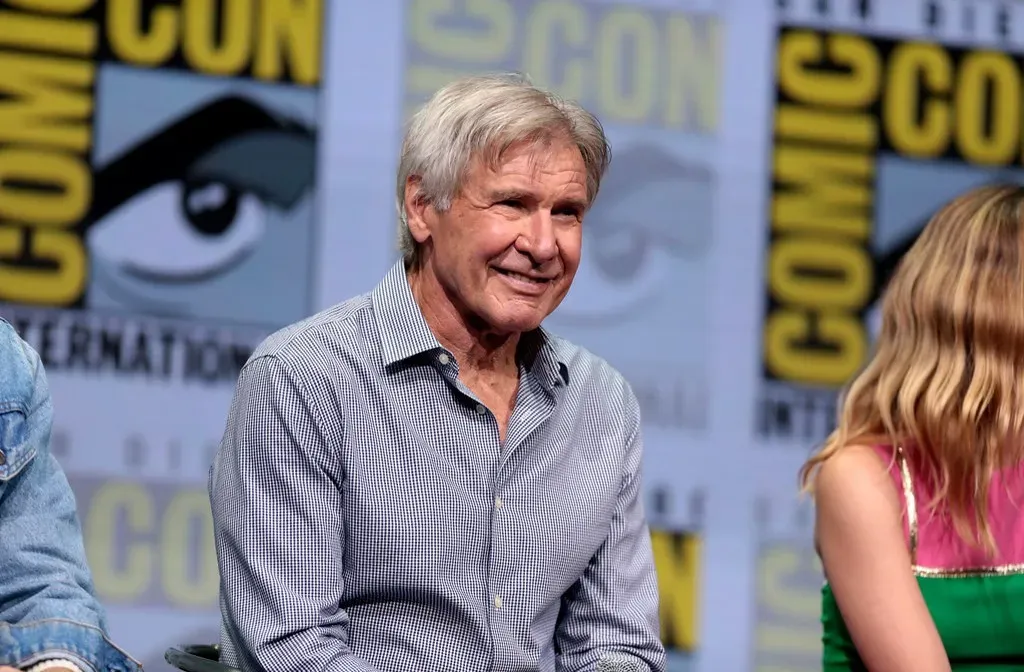
Released in 1982, Blade Runner was a visual spectacle that initially confused audiences. Its complex narrative and dystopian themes were not immediately appreciated, and the film was a financial disappointment upon release. It only grossed about $26 million that summer on a $28 million budget. The studio’s marketing leaned hard on Harrison Ford’s star power without actually preparing audiences for the slow, philosophical film they were about to see.
Released just after E.T. in 1982, audiences weren’t looking for a rain-soaked, morally murky future. Studio meddling and a tacked-on voiceover didn’t help. The home video market, along with the 1992 Director’s Cut, reframed it as a visionary work of neo-noir science fiction. Blade Runner is now preserved in the National Film Registry and has influenced countless movies, video games, and TV shows.
2. Fight Club (1999) – Mismarketed, Misunderstood, Unstoppable

David Fincher’s adaptation of Chuck Palahniuk’s novel face-planted at the box office, bringing in only $37 million domestically on a $63 million budget. Fox had no idea how to market the thing – they tried selling it as a straightforward action flick when it’s really a twisted satire about masculinity and consumer culture. The movie showed anti-consumerism and nihilism, which didn’t sit well with mainstream audiences in 1999. Clearly, it was ahead of its time.
Fight Club absolutely exploded on DVD, eventually raking in over $100 million in home video sales. The film’s examination of male identity crisis and that mind-blowing twist ending made it the defining movie for a generation of disaffected young men. Fight Club has a 96 percent audience score on Rotten Tomatoes out of over a million user ratings, is one of the top-rated movies on IMDb, and received an Oscar nomination.
3. Donnie Darko (2001) – Killed by Timing, Revived by Devotion
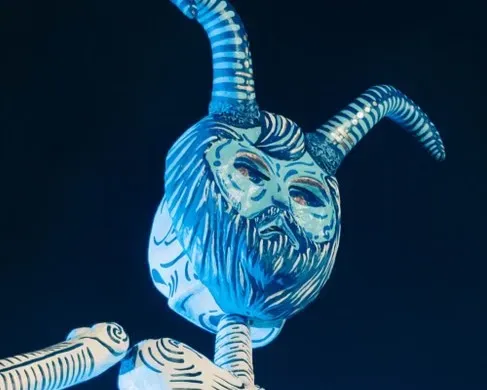
Filmed with a small budget of only $3.8 million and nearly sent straight to home video by the distributing studio, Donnie Darko debuted with a limited theatrical release on only 58 screens domestically. Its international release was delayed for almost a year because of the September 11 attacks. Richard Kelly’s mind-bending drama had the worst timing possible – released right after 9/11, with its airplane disaster subplot making it practically radioactive to American audiences. The movie scraped together a pitiful $398,386 in its initial US release. Its trippy narrative about time travel, parallel universes, and doomsday prophecies left mainstream moviegoers scratching their heads.
Donnie Darko found a foothold in the UK market first, which helped spark its eventual cult status. Jake Gyllenhaal’s breakthrough performance and that supremely creepy Frank the Rabbit costume made it required viewing for anyone who likes their movies weird and philosophical. DVD and late-night cable screenings sparked obsessive fan theories and internet forums, cementing it as a cult touchstone for its surreal blend of teen drama, science fiction, and existential dread.
Partner offer
4. The Shawshank Redemption (1994) – Seven Oscar Nods and Nobody Came

The studio fumbled in its marketing and didn’t use Stephen King’s name enough, probably because they feared audiences might expect a horror movie. Critics loved it, although the lack of female characters and the niche story were considerably criticized at the time. The film opened modestly, with most of the general public simply unaware it existed. It felt like a quiet disappearing act from a studio that didn’t quite know what it had.
The public started to take notice when The Shawshank Redemption earned seven Oscar nominations. When it hit VHS, it became the most-rented movie of 1995. Suddenly, everyone realized that it wasn’t just a prison movie. Today, it is IMDb’s number one film of all time. In 2015, the film was also selected for the National Film Registry.
5. Snowpiercer (2013) – A Director’s Fight Against the Scissorman

The Weinstein Company acquired the distribution rights to Snowpiercer from CJ Entertainment, with a plan for wide release in North America. It was released in the United States on just eight theaters in selected cities. This delay was caused by Harvey Weinstein requesting 25 minutes of footage be cut, asking for less dialogue and more action, and a voice-over sequence at the end of the film. After buying the distribution rights, Harvey was adamant about cutting 25 minutes from director Bong Joon-ho’s cut. Harvey wanted “more Chris Evans.”
A “Free Snowpiercer” petition campaign demanding the director’s cut be released in the US was created by cinema activist Denise Heard-Bashur, with support from the film’s stars Tilda Swinton and John Hurt. Bong’s uncut version of the film was eventually released, but with the caveat that it switched distributors to Radius-TWC, resulting in a limited release in art house cinemas. Snowpiercer received critical acclaim and appeared on many film critics’ top ten lists of 2014. In the United States, the critical response prompted the expansion of its showing to more theaters and to digital streaming services.
6. Freaks (1932) – Buried for Decades, Now a Classic
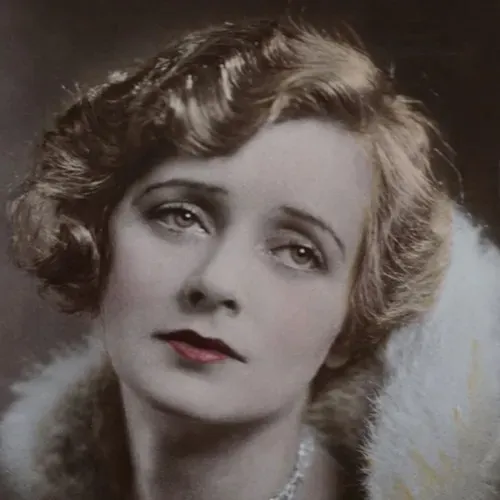
Tod Browning’s Freaks was pulled from distribution just a month after its release. MGM was so horrified by audience reactions that they cut nearly 30 minutes from the film and eventually shelved it entirely. The story – about a traveling circus and the revenge of its performers – cast real people with physical differences in the lead roles, which made studio executives deeply uneasy. For decades the film was banned in the UK.
When it finally resurfaced, audiences who came expecting exploitation found something far stranger: a film that actually sides with the people society marginalizes. It’s one of the most morally complex horror films ever made, and it came out in 1932. Cult films trace their origin back to controversial and suppressed films kept alive by dedicated fans, and Freaks is perhaps the clearest proof of that pattern. The more a studio tried to make it disappear, the more it refused to.
There’s a quiet irony running through all six of these stories. The very act of suppression, whether through minimal releases, chopped edits, or poor marketing, often became the thing that made audiences curious. Authenticity is the common denominator. Whether it’s absurd comedy, bleak horror, or subversive satire, cult classics are defined by voices unwilling to sand down their edges for mass appeal. Opening weekend was never the whole story. For these films, it turned out to be barely the beginning.
Partner offer
Planning a trip to Vegas?
Compare hotel rates and show tickets on VEGAS.com.