
There was a specific kind of social currency circulating in school hallways during the late 1980s, and it had nothing to do with grades or athletic ability. It came from knowing which movies mattered, which lines to drop at the right moment, and which fictional characters were worth emulating. Film wasn’t just entertainment back then. It was a shared language.
The 80s was a time of bold storytelling and larger-than-life characters, and movies were not just entertainment but cultural events. If you were tuned into the cinema of that decade, you carried a kind of quiet authority on the playground. Here’s what separated those kids from everyone else.
1. You Could Quote the Right Movies at Exactly the Right Moment
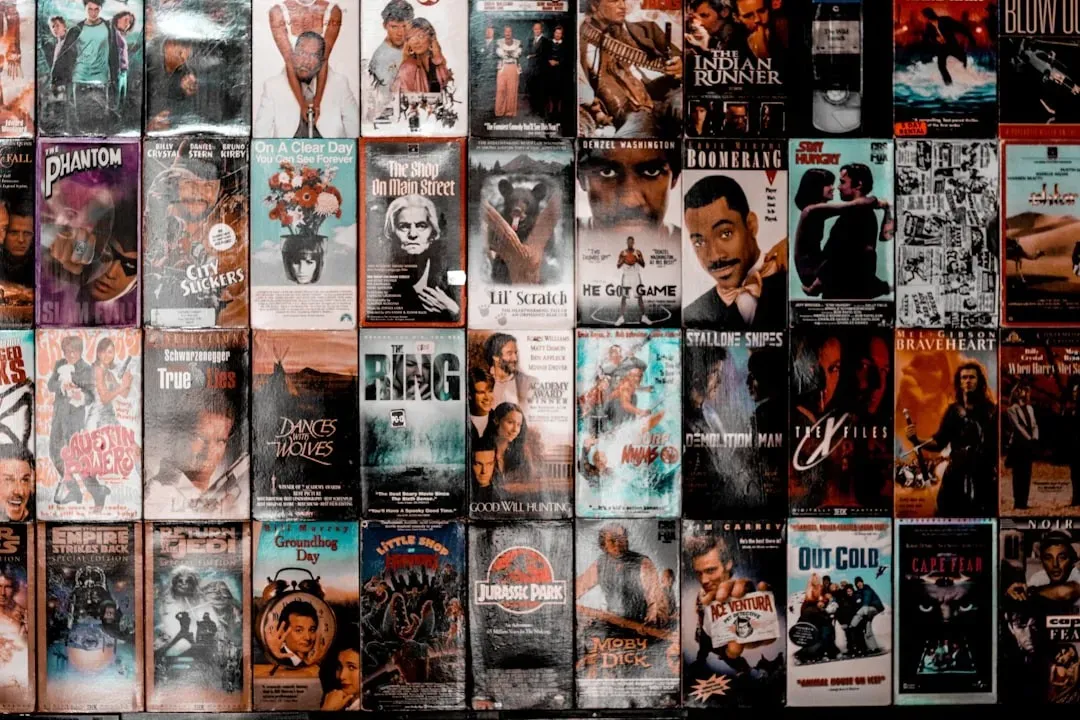
Beyond the epic stories and unforgettable characters, the decade produced some of the most iconic movie quotes of all time, lines that transcended the silver screen to become part of everyday conversation, evoking nostalgia and sparking joy. Knowing when to deploy a line from Ghostbusters or Back to the Future in the middle of a lunchtime argument was a genuine skill. It required not just having seen the film but truly absorbing it.
Quotes from these films encapsulate the essence of the era, a mix of optimism, rebellion, and fun. The kid who could time a well-placed reference perfectly didn’t need to explain the joke. Everyone who mattered already laughed. That shared understanding was the whole point.
2. You Had a VHS Collection Worth Talking About

These were the tapes that ruled living rooms, school sleepovers, and neighborhood video stores everywhere. Owning your own copy of a major 80s film was a statement in itself. If you lived through that era, you’ll remember that a good VHS collection wasn’t just entertainment. It was a reflection of who you were.
Ghostbusters became more than a box office hit. The movie impressed so many people that it became a cultural phenomenon, and it was one of the most successful comedy films of the 1980s, grossing a total of around $295.2 million by the end of its theatrical run. A taped-from-TV copy with the commercials still in it was acceptable. An actual store-bought cassette on your shelf? That made you someone worth visiting on a Friday night.
3. You Understood the John Hughes Social Hierarchy
John Hughes movies didn’t just change the way pop culture dealt with teenagers. They changed society, and by calling attention to high school cliques, the movies helped transform American teenage dynamics, in mostly positive ways. Kids who had watched The Breakfast Club understood something about group dynamics that no classroom ever taught directly. The film mapped the social terrain of high school with uncomfortable accuracy.
Teenagers continued, just as teens in the 1980s, to witness the clichés within their school that were also in The Breakfast Club, and the film teaches, in a way, how to cross those boundaries and break the status quo. Being able to reference which character you identified with was essentially a personality test among peers. Claiming to be a Ferris rather than a Cameron told people something real about how you saw yourself.
4. You Admired Ferris Bueller’s Approach to Life
Directed by the late, beloved John Hughes, Ferris Bueller’s Day Off remains a classic of the 80s and one of the best coming-of-age stories ever told. The spirit of Ferris Bueller, played by the charming Matthew Broderick, embodies a sense of freedom and irreverence that captures the essence of adolescence, and fast-forward to 2026, it’s clear that the themes of this film remain embedded in the fabric of youth culture, inspiring new generations to seize the day and defy expectations.
Partner offer
Director John Hughes revolutionized the cinematic experience by breaking the fourth wall, with Ferris directly addressing the audience, pulling viewers into his thrilling escapades and altering emotional connection, a technique that not only engages viewers but sets the stage for future films that aim to create intimacy. For kids at school, Ferris represented a blueprint. Confident, effortlessly charming, one step ahead of every adult in the room. You didn’t just watch him. You studied him.
5. You Knew Your Way Around a Ghostbusters Reference

Ghostbusters became a cultural phenomenon, offering comedy and supernatural adventure in equal measure. The film’s popularity led to the launch of a multi-billion dollar multimedia franchise, including movie sequels, an animated TV series, video games, clothing, music and more. By the time the animated series hit Saturday morning television, Ghostbusters was woven into nearly every part of school-age life.
Catchphrases from movies like Ghostbusters have been emblazoned across merchandise and lunchboxes, making the franchise impossible to ignore even for kids who hadn’t seen the original film. The child who had actually seen it in theaters or owned the VHS carried a distinct authority over those who only knew the cartoon. That distinction mattered more than most adults realized at the time.
6. You Owned the Back to the Future DeLorean as a Symbol
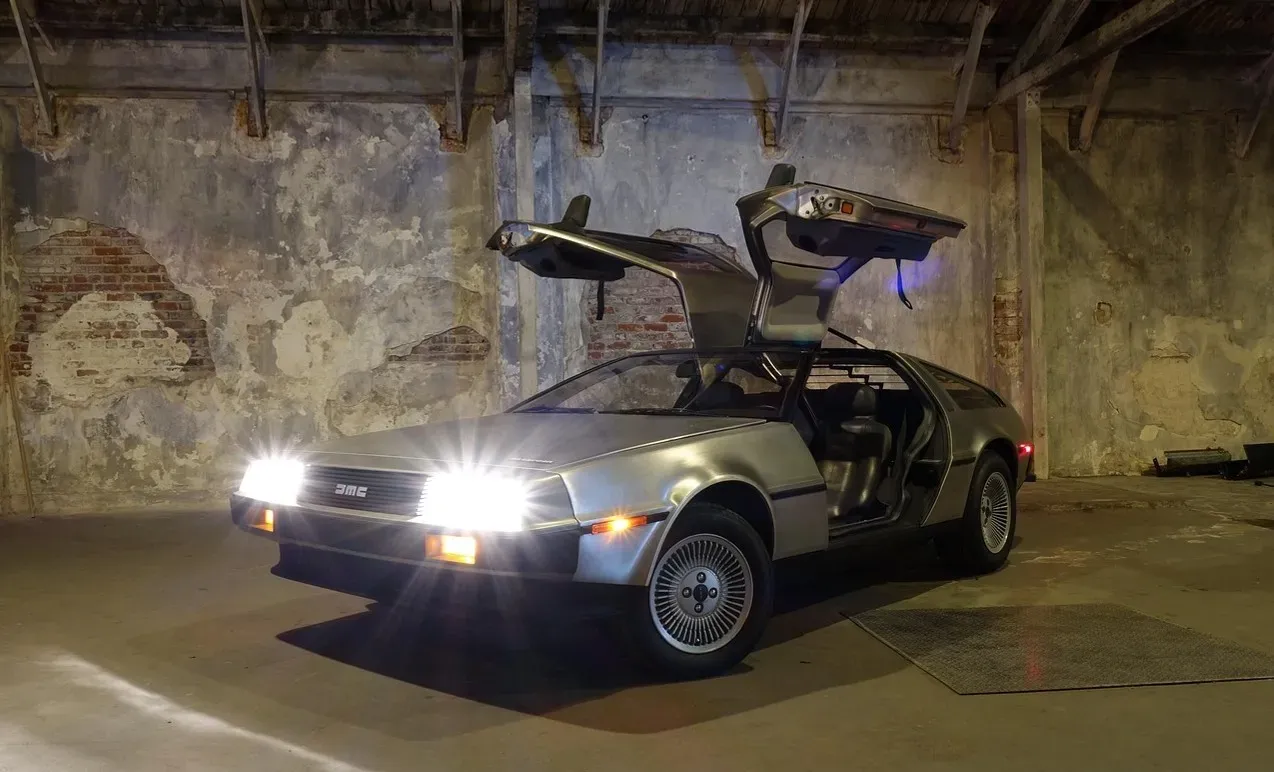
Few films defined the 80s quite like Back to the Future. Time travel, a DeLorean, and Michael J. Fox at his peak made it a box-office hit, but it was VHS that turned it into a cultural touchstone. Back to the Future has since become a bona fide classic, spawning sequels, theme park rides, and even a mention in Ronald Reagan’s 1986 State of the Union address. That level of cultural reach was staggering for a single film.
Universal Pictures released it on tape in 1986, and it became one of the most rented and purchased titles of the decade, with the film’s clever structure and endless rewatch value making it tailor-made for home viewing, as fans could pause to study every time-jump detail and rewind to catch Doc Brown’s wild-eyed expressions. Kids who could explain the rules of time travel from memory were operating at a different level during recess conversations. The DeLorean wasn’t just a car. It was a status symbol for a generation that never actually drove one.
7. You Felt the Pull of Top Gun’s Brand of Cool

Top Gun is one of the most entertaining movies from the 80s, packed with heart-melting romance and never-before-seen aerial combat, and the movie’s influence went beyond advertising and fashion, leading to an increase in Navy recruiting numbers at the time while also solidifying Tom Cruise as a bona fide star and heartthrob. Few films made ambition look so physically thrilling. For kids watching in 1986, the idea that confidence itself could carry you through danger felt genuinely radical.
Forty years later, these iconic films from the 1980s are not relics of the past. They stand among the great movie classics, proving that great storytelling lasts. Iconic, often rebellious lead characters, ranging from Matthew Broderick’s school-skipping Ferris Bueller to Cruise’s hotshot pilot Maverick, gave kids concrete figures to imitate. Top Gun aviator sunglasses on a twelve-year-old were not just an accessory. They were an entire worldview compressed into a pair of frames.
What made 80s cinema so powerful in a school context was its specificity. These films didn’t speak generally to young people. They spoke directly, almost personally, and kids recognized that. The ones who paid close attention to what was on screen carried something into their daily lives that no lesson plan could replicate. Decades later, those films still hold that charge. The cool kids from that era weren’t the loudest. They were simply the ones who were paying the most attention.
Partner offer
Planning a trip to Vegas?
Compare hotel rates and show tickets on VEGAS.com.