Some films earn a permanent spot in your memory not because of their visuals or performances, but because of a single moment that flips everything you thought you understood. That moment when the screen seems to rewind inside your head and you start mentally replaying every scene you just watched with completely new eyes.
The best of these twists don’t just shock you once. They haunt the rewatch, too, filling quiet scenes you’d already forgotten with suddenly urgent meaning. These five are widely considered the most ruthlessly effective ever committed to film or television. Consider this your spoiler warning.
The Sixth Sense (1999) – The Ghost You Were Watching the Whole Time
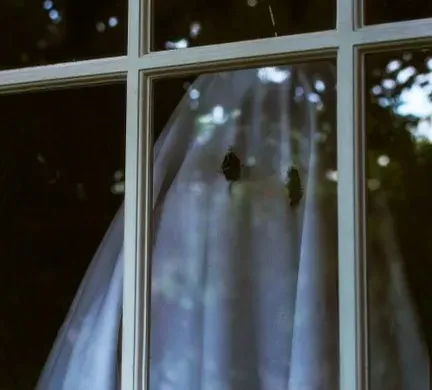
M. Night Shyamalan’s breakthrough revealed that Bruce Willis’s character has been dead the entire film, and the twist works because every scene is carefully constructed to hide the truth while playing fair with the audience. That fairness is what makes it stick. You weren’t cheated. You were guided.
Every conversation is staged so Bruce Willis never interacts with anyone but the boy. Every scene has a subtle clue: the red color motif, the wedding ring, the temperature drops. On rewatch, it’s all there, hiding in plain sight. No twist has been more imitated, more discussed, or more influential on modern cinema, and it established Shyamalan as a master of the form and raised audience expectations for surprise endings entirely.
Fight Club (1999) – The Imaginary Friend Who Ran Everything
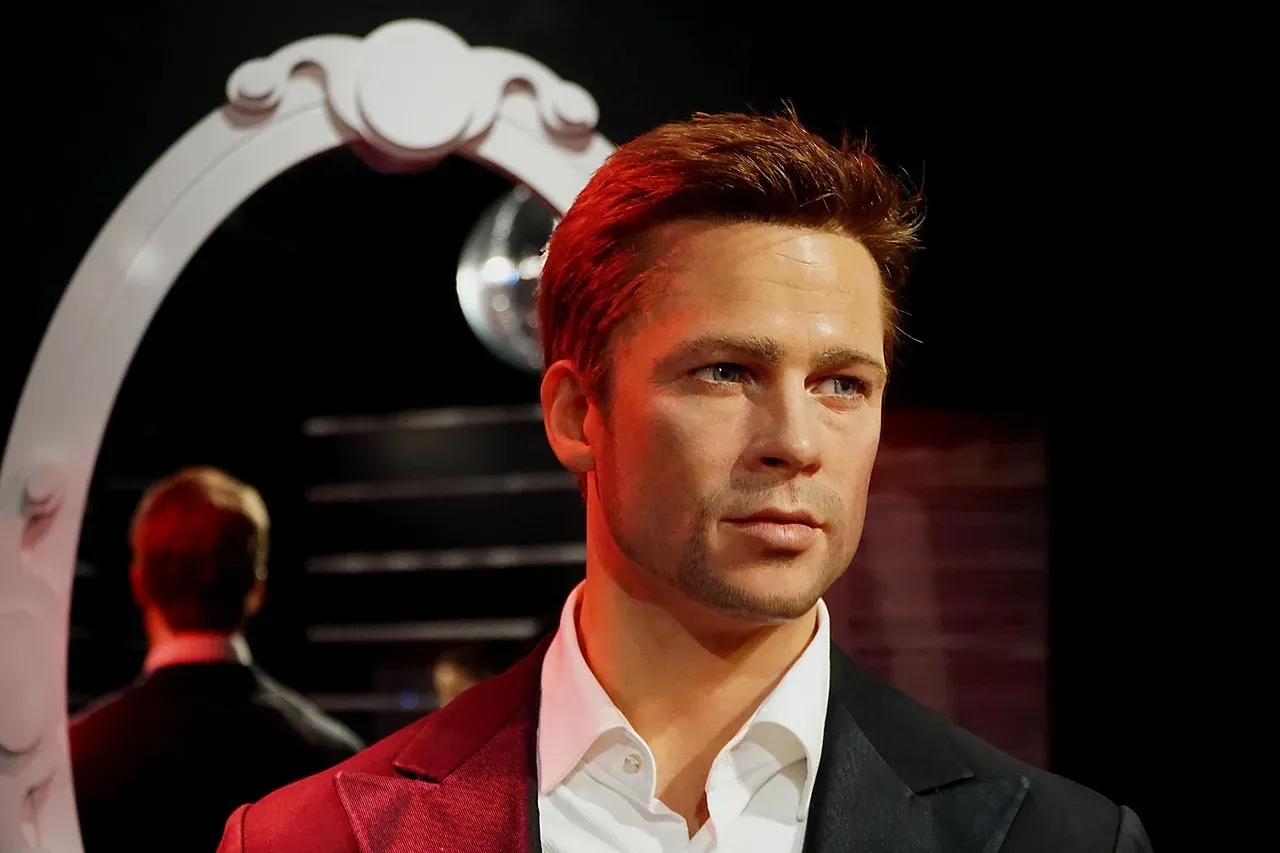
Tyler Durden, played by Brad Pitt, is a figment of the narrator’s imagination, and this twist recontextualizes the entire film, making subsequent viewings reveal new layers of meaning about identity, masculinity, and consumerism. What’s remarkable is how openly David Fincher hid this truth.
Fincher almost wanted to spoil the twist himself, leaving hints throughout the movie. Aside from dropping single frames of Tyler into the film before the audience formally meets him, there is one significant clue: after Tyler and the narrator meet, the narrator calls Tyler from a payphone but Tyler doesn’t answer – he calls back a few moments later. That detail means nothing the first time. The second time, it means everything.
Partner offer
The Usual Suspects (1995) – The Man Who Was Never There
The Usual Suspects tells the story of five criminals assembled for a mysterious heist, narrated by the sole survivor during a police interrogation, and the ending recontextualizes everything you have seen, turning the entire film into a puzzle you will want to immediately rewatch. Few reveals in cinema history have been as perfectly constructed as this one.
Verbal Kint, played by Kevin Spacey and appearing throughout as a meek, low-level con man with a limp, is actually Keyser Söze, the mysterious and terrifying criminal mastermind everyone has been chasing the whole movie. Each beat of that finale, from subtle verbal cues to the now-iconic limp, is meticulously constructed so that the reveal feels both shocking and inevitable. On a second watch, the sheer audacity of it is almost funny.
Gone Girl (2014) – The Diary Was a Weapon

David Fincher’s razor-sharp thriller keeps you confidently guessing right up until the moment it pulls the rug out from under you. The film reveals that Amy Dunne has been several steps ahead the entire time, manipulating every move, every narrative, and every person in her orbit, cementing her as one of cinema’s most unforgettable masterminds.
The diary and public narrative were deliberately constructed by Amy to frame her husband for a crime she secretly planned herself. What makes the rewatch so unsettling is that all the theatrical grief, the carefully timed appearances, and even the diary entries read differently once you know she wrote them as a script rather than a confession. Amy staged her own disappearance and framed her husband Nick for her murder to get revenge on him for cheating and escape their unhappy marriage. Cold, precise, and utterly convincing.
Breaking Bad – Walter White Poisoned the Child
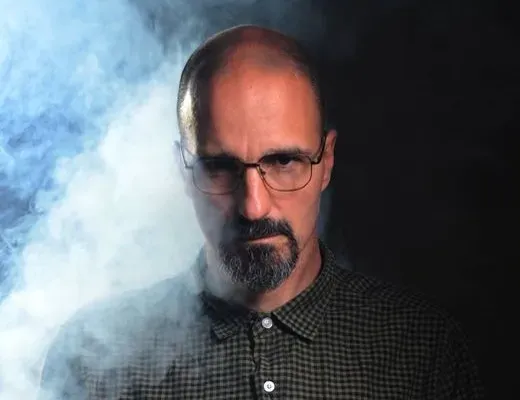
One of Breaking Bad’s most disturbing moments came when viewers discovered Walter White had poisoned Brock, the innocent young son of Jesse’s girlfriend, purely to manipulate Jesse into turning against Gus Fring. This revelation was a defining checkpoint in Walter’s transformation from a sympathetic teacher to a calculating monster, and it forced audiences to completely rethink their relationship with the main character.
The twist worked so well because the show had masterfully misdirected viewers into thinking Gus was behind it all, making that lingering camera shot of the lily of the valley plant in Walt’s backyard absolutely chilling. Even on a rewatch, knowing exactly what that plant means, it somehow lands harder the second time. What makes a truly great twist work is the way it leaves breadcrumbs throughout while still managing to knock you sideways when the truth finally hits. This moment is the textbook example of exactly that.
Partner offer
Planning a trip to Vegas?
Compare hotel rates and show tickets on VEGAS.com.