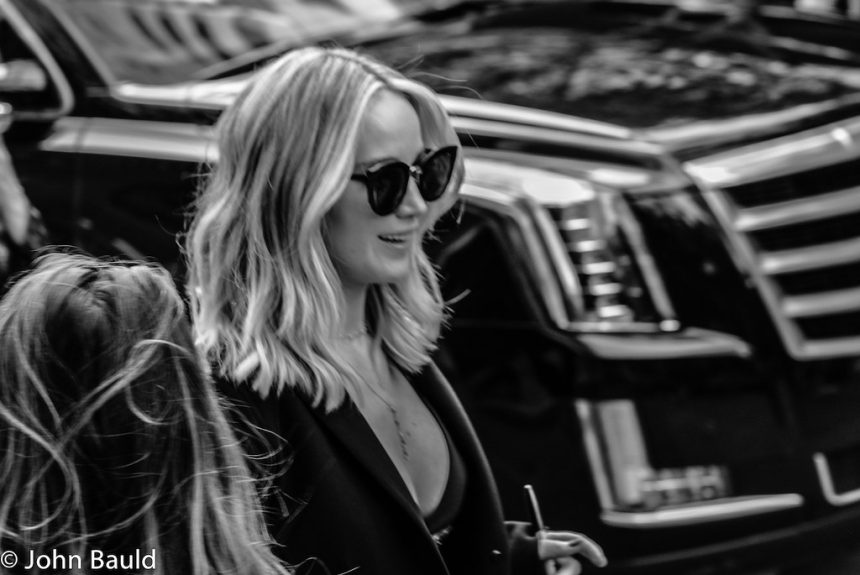
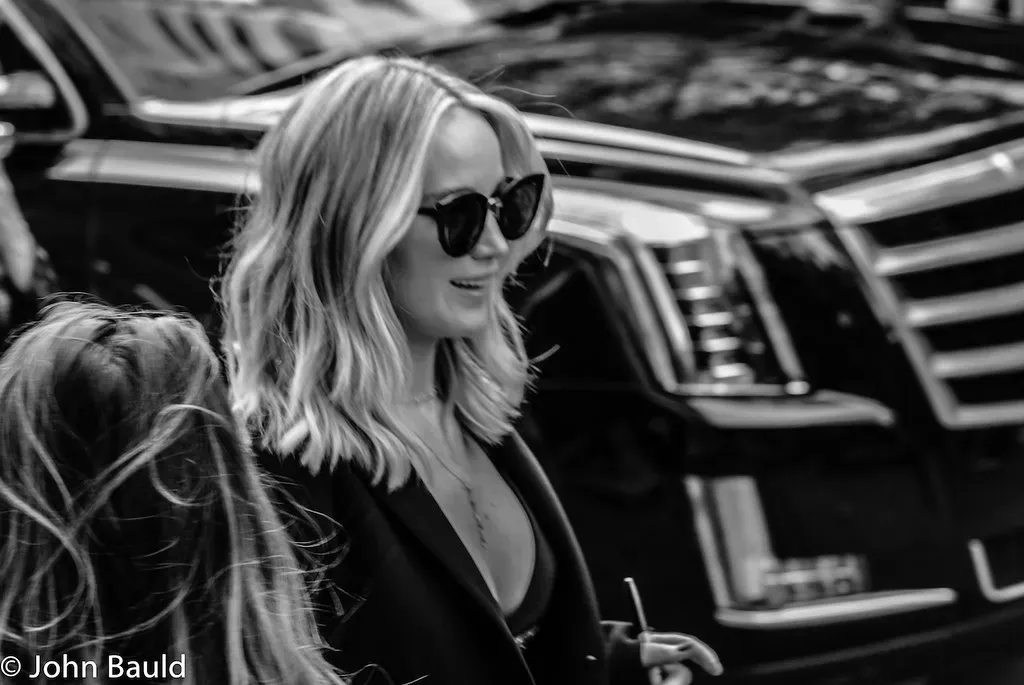
From the outside, fame looks like a long list of perks. Red carpets, magazine covers and bigger paychecks are what most people see. Over the years, though, actresses have used interviews, essays and memoirs to describe the parts of the job that rarely show up in the photos.
The same themes keep coming up across generations and genres. Here are six of the most common ones, each tied to things actresses have said publicly.
Losing Privacy in Everyday Life
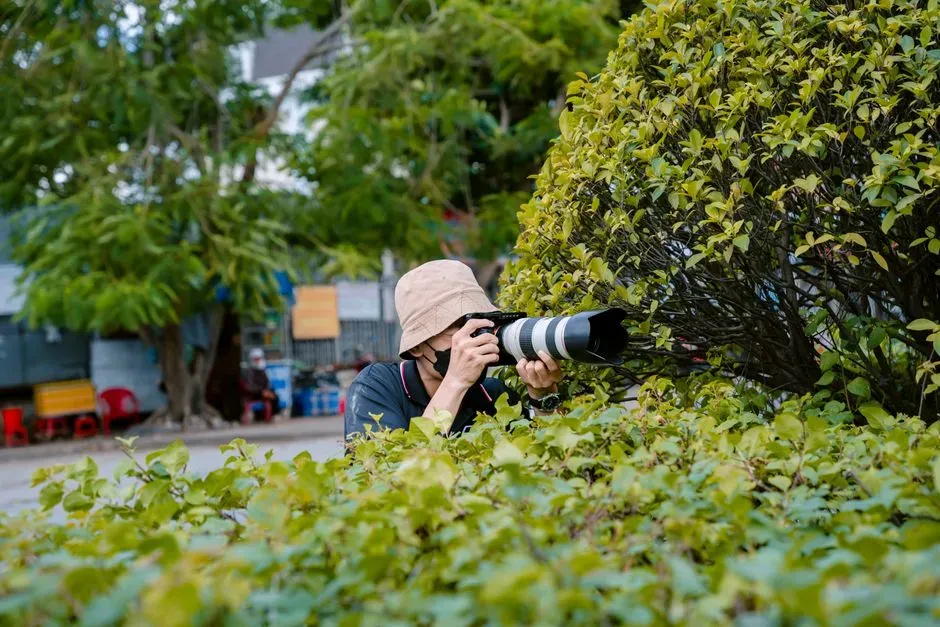
Kristen Stewart has talked about how the attention that followed the Twilight films made ordinary outings feel exposed. Photographers, fans and online commentary made it hard to simply exist in public. She has described that period as overwhelming.
Emma Watson, who became famous as a child through the Harry Potter series, has also spoken about growing up under constant observation. Her comments suggest that privacy is not just a convenience. It’s the space where people work out who they are.
Constant Judgment of Their Bodies
Kate Winslet has said more than once that she was criticized for her body early in her career. She has described refusing to be altered to fit a narrow ideal, and she has encouraged younger actresses to do the same.
Jennifer Lawrence has similarly said she felt pressure early on to change her weight for the industry. She chose not to. Their accounts show how commentary on appearance can follow actresses into every role and every red carpet.
Unequal Pay and the Pressure of Age
In 2015, Jennifer Lawrence wrote an essay for Lenny Letter about learning she had been paid less than her male co-stars on American Hustle. She said she was mostly annoyed with herself for not negotiating harder. The piece helped push the pay gap in Hollywood into wider public conversation.
Maggie Gyllenhaal said in 2015 that at 37 she had been told she was too old to play the love interest of a man in his fifties. Her remark became a frequently cited example of ageism in casting. Together, these stories show that money and age can limit an actress’s options.
Living Under the Weight of Social Media
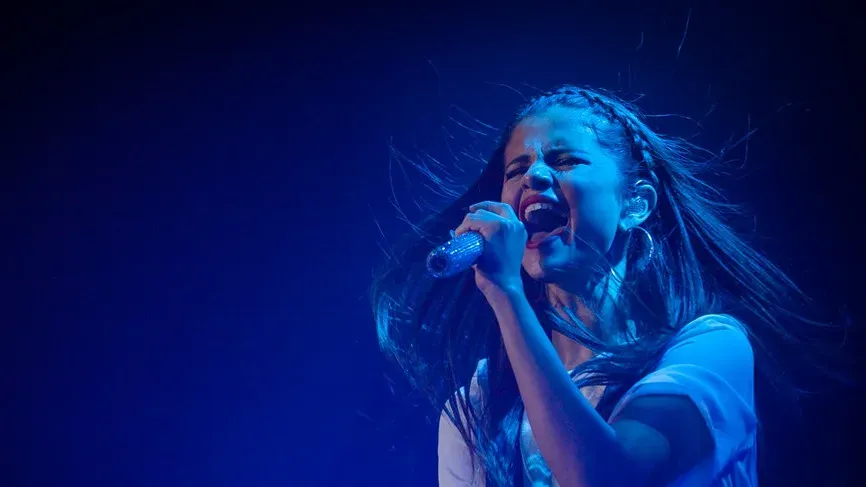
Selena Gomez, an actress as well as a singer, has said in interviews that social media took a toll on her mental health. She has described stepping away from it and handing off her accounts at times. Her experience reflects a trade that many public figures face, since visibility online is often expected as part of the job.
The pressure is double edged. Posting keeps fans engaged, yet it also invites instant criticism and comparison. Gomez has been open that she needed distance from it to feel steady.
Growing Up Famous Before Adulthood

Drew Barrymore was a child star in E.T. and later wrote a memoir, Little Girl Lost, about her early years in the spotlight and the struggles that followed. She has spoken about how little room she had for a normal childhood. Her story is often cited as a warning about how young fame can distort a person’s formative years.
Emma Watson and Millie Bobby Brown, both of whom found fame as children, have also described how strange it felt to be recognized so young. They’ve said that growing up in public made ordinary milestones more complicated. It also meant their mistakes happened in front of an audience.
Safety Concerns and Unwanted Attention
Sandra Bullock has spoken about the fear she felt in 2014, when a man who had been stalking her was found inside her home. She hid and called the police, and the man was later convicted. She has described how the experience changed how safe she felt.
Her case is among the most widely reported examples, though not the only one. Obsessive fans and persistent photographers can turn admiration into something threatening. For many actresses, security becomes a permanent part of daily life.