Radio in the 1950s sat in the kitchen, the car dashboard, and the corner of the living room. It was where families first heard a new record, often before they ever saw the person who made it. Television was spreading fast, yet the radio dial still shaped what the country hummed.
A handful of voices came up again and again on those stations. If their names feel familiar, you probably grew up in a home where the radio was always on, or with parents who never turned it off.
Frank Sinatra and the Capitol Years
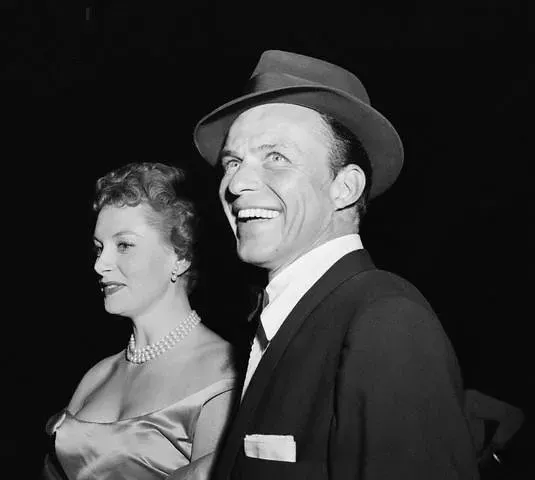
Frank Sinatra signed with Capitol Records in 1953, and his work through the rest of the decade became a template for the concept album. Records like Songs for Swingin’ Lovers! were built as full listening experiences rather than collections of singles. Radio programmers still played individual tracks, which kept his voice in constant rotation.
His 1950s comeback also included an Academy Award for Best Supporting Actor for From Here to Eternity, awarded in 1954. That success helped bring a new audience to his music. For many listeners, his phrasing and relaxed swing defined what a grown-up pop singer sounded like.
Elvis Presley and the Sound That Changed the Dial
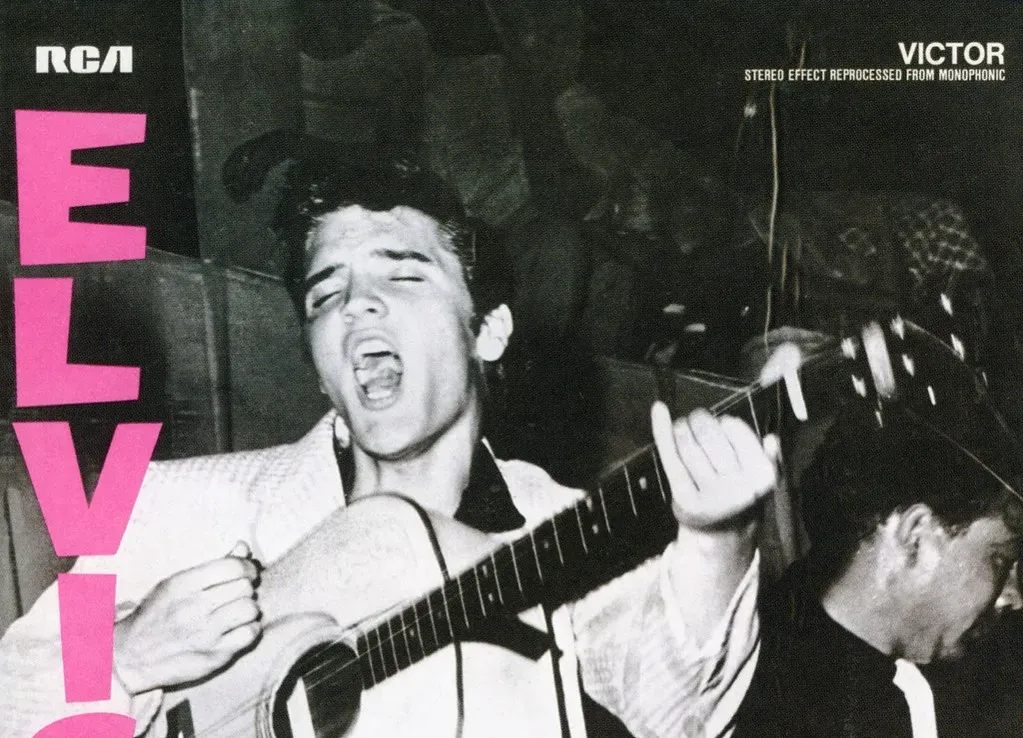
Elvis Presley began recording at Sun Records in Memphis in 1954, then moved to RCA in 1955. His 1956 hit Heartbreak Hotel pushed him into national view, and radio stations that had never mixed genres suddenly had to. His blend of country, rhythm and blues, and gospel did not fit tidy format boundaries.
Parents often worried about his influence, which only made teenagers tune in more eagerly. By the end of the decade, he had a long list of chart toppers and a place in the center of American pop culture. Hearing him on a transistor radio was, for many, a first taste of rock and roll.
Nat King Cole and the Smooth Radio Standard
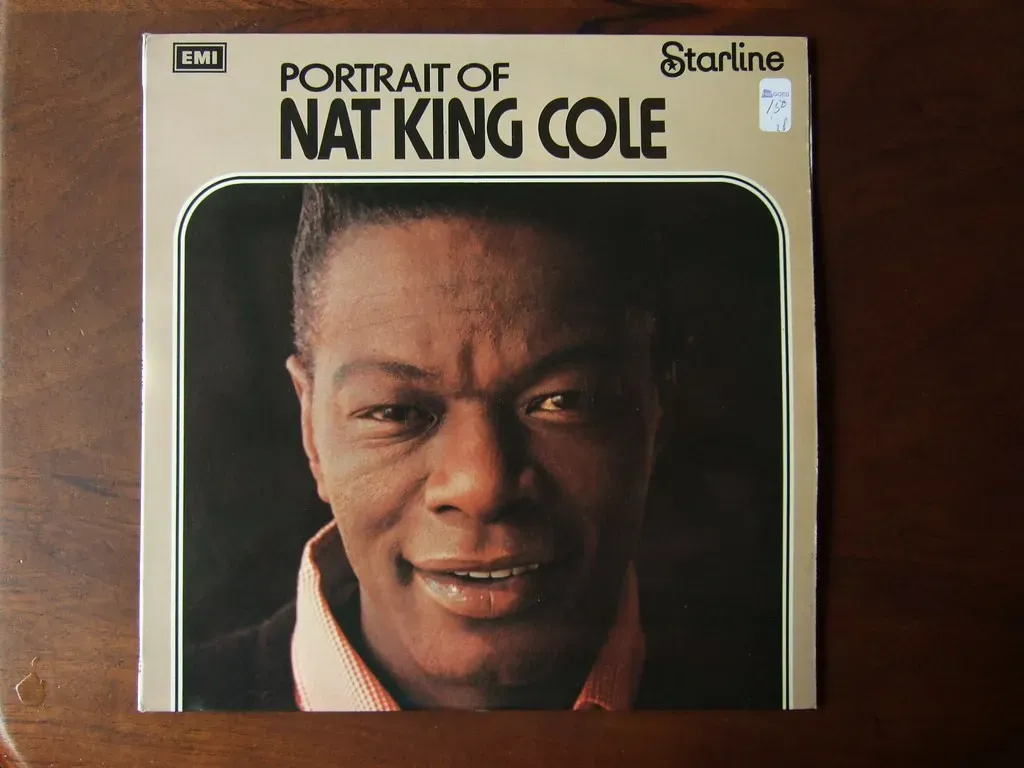
Nat King Cole began as a jazz pianist and became one of the most beloved vocalists on American radio. Songs such as Mona Lisa, a hit in 1950, showed how his warm baritone could carry a ballad without any strain. Capitol Records built much of its early success around him.
In 1956, he also became the first Black performer to host a network television variety show with The Nat King Cole Show. The program struggled to find national sponsors and ended after about a year. His records, however, kept playing on the radio and remained steady favorites well beyond the decade.
Patti Page and the Crossover Hit Machine
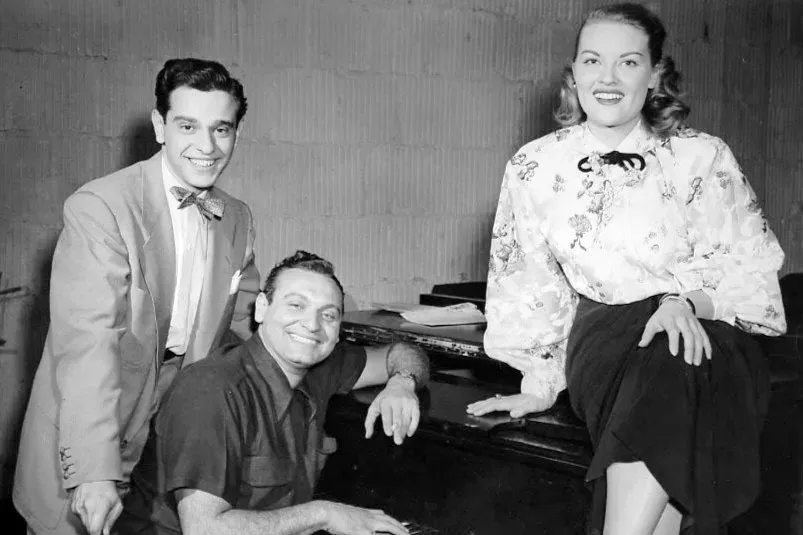
Patti Page was among the biggest female pop stars of the early 1950s. Her 1950 recording of Tennessee Waltz became a huge seller and is often cited as one of the best known pop records of the era. She also made popular use of multitrack vocal recording, singing harmony with herself.
Her hit How Much Is That Doggie in the Window arrived in 1953 and stayed lodged in the memory of anyone who heard it on the radio as a child. Page moved comfortably between pop and country, which widened her reach across different stations. That flexibility is part of why her voice was so common in so many households.
Chuck Berry and the Teenage Anthem
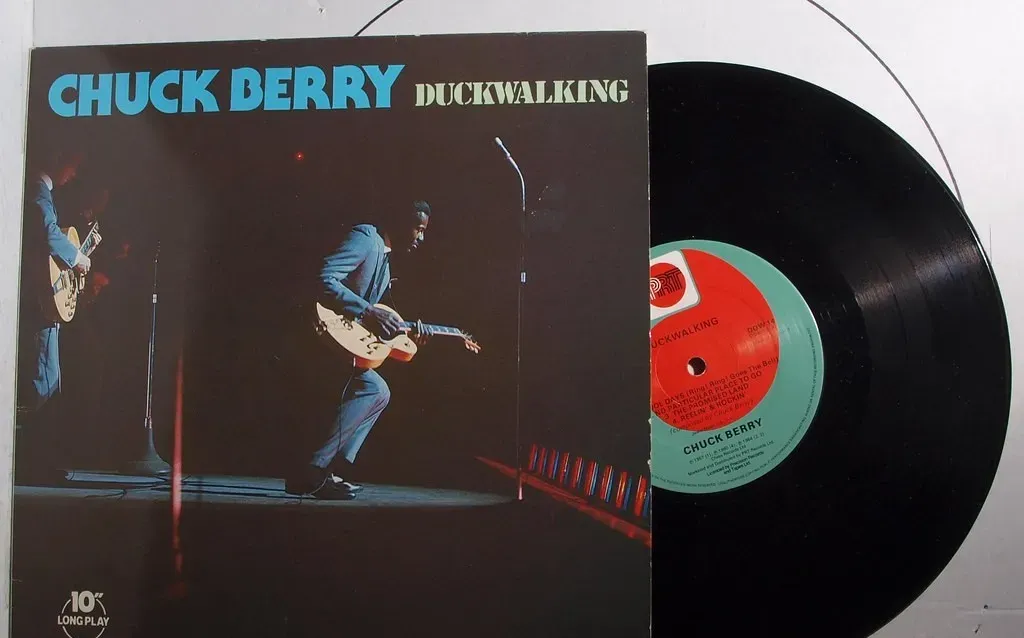
Chuck Berry released Maybellene in 1955 on Chess Records, and it quickly found a place on both rhythm and blues and pop airwaves. He wrote about cars, school, and young love, subjects that spoke directly to teenagers. His guitar style became one of the foundations of rock music.
Songs like Roll Over Beethoven and School Day followed in the mid 1950s. Berry was inducted as part of the first class of the Rock and Roll Hall of Fame in 1986. For listeners of the era, his records were often the ones turned up the loudest.
Doris Day and the Everyday Favorite
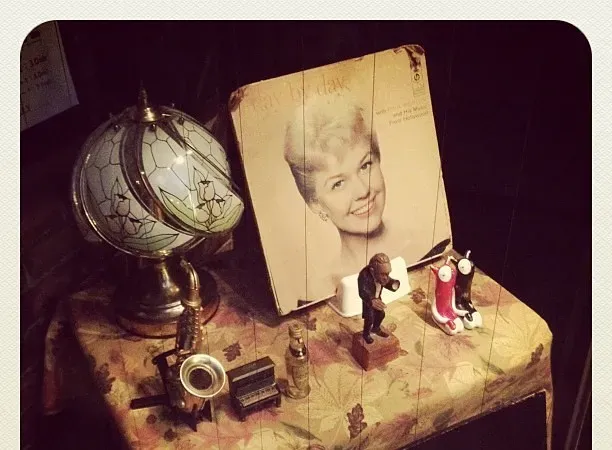
Doris Day had already been a big band singer before the 1950s, and she became a fixture on radio and in film during the decade. Her recording of Secret Love, from the 1953 film Calamity Jane, won the Academy Award for Best Original Song. The tune topped charts and helped cement her image as a bright, dependable presence.
In 1956, she introduced Que Sera, Sera in the Alfred Hitchcock film The Man Who Knew Too Much. That song also won an Oscar and became closely tied to her name. Even people who never saw her movies could often recognize her voice from the radio alone.