There’s a moment in almost every great performance when something shifts. The actor stops “acting” and the audience simply believes. Ask film fans what causes that shift and you’ll get a surprisingly consistent list of answers, from the way an actor holds silence to the small physical choices that make a character feel lived in rather than performed. These traits show up again and again in audience discussions, festival reviews, and casting conversations across the industry. Some are about presence, some are about restraint, and a few are almost impossible to teach. Here’s what moviegoers consistently point to when they try to explain why certain actors hold their attention the second they appear on screen.
1. Stillness that commands attention
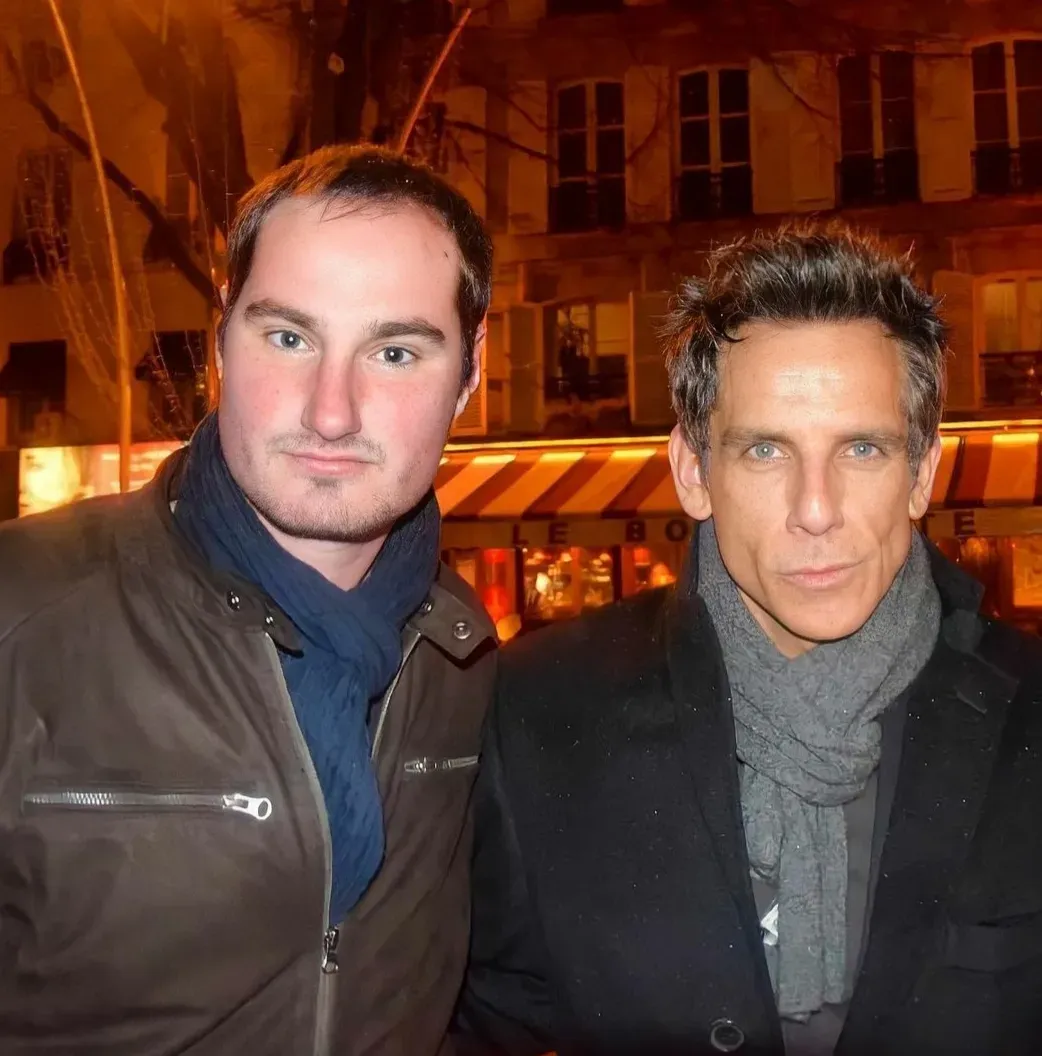
Audiences often mention that the most magnetic actors know how to do less, not more. Rather than filling every second with movement or expression, they let a single held gaze or a slight change in breathing carry the emotional weight of a scene. This kind of stillness forces viewers to lean in, because it suggests there’s something happening beneath the surface that words alone can’t explain.
Actors known for this quality often get praised for scenes with little dialogue, where the camera simply stays on their face. It’s a technique that works because human attention naturally gravitates toward restraint in a medium otherwise full of noise and motion. When everything else in a frame is loud, quiet becomes the thing people remember.
2. Voice that carries emotional texture

Moviegoers frequently point to voice as an underrated ingredient in screen charisma. It’s not just about a distinctive tone, but about how an actor uses pacing, breath, and subtle shifts in pitch to reveal what a character is feeling without stating it outright. A voice that can slow down at exactly the right moment often does more emotional work than a full page of dialogue.
This is part of why voice coaching has become such a central part of actor training in recent years, with many performers crediting dialect and vocal work for helping them find a character’s inner life. Audiences may not consciously register the mechanics, but they feel the difference between a voice that sounds performed and one that sounds true.
3. Eyes that seem to think in real time

Few traits come up as often in fan discussions as the idea of “thinking eyes,” where an actor appears to be genuinely processing a thought rather than simply reciting a line. This effect is closely tied to close-up cinematography, which has remained a staple of modern filmmaking specifically because it rewards actors who can convey internal shifts through subtle eye movement alone. When it works, viewers feel like they’re watching someone actually decide something in the moment.
Casting directors have long described this quality as one of the hardest to teach, since it often separates technically skilled actors from those who feel effortlessly natural. It’s less about performance technique and more about a kind of unguarded presence that reads as authentic even under studio lighting and multiple takes.
4. Physical specificity in small gestures

Small physical choices, like how a character holds a coffee cup, adjusts their posture, or reacts to being touched, often stick with audiences long after bigger plot points fade. These details signal that an actor has built a full internal world for the character rather than just hitting marks and reciting lines. Viewers frequently cite these tiny gestures in online discussions as the moment a performance clicked for them.
This kind of specificity usually comes from extensive character preparation, including research into mannerisms tied to a character’s profession, background, or physical condition. When done well, it creates a sense that the character existed before the story started and will continue after it ends, which is part of what makes a performance feel complete rather than constructed.
5. Vulnerability without visible effort

Audiences consistently respond to actors who can access genuine emotional vulnerability without appearing to strain for it. This is different from simply crying on cue or delivering an emotional monologue with technical precision. It’s about a rawness that feels involuntary, as though the character’s feelings are simply spilling out rather than being carefully staged.
Film critics often highlight this quality in award-season performances, noting that the strongest contenders tend to be the ones where emotional breakdowns feel unpolished rather than choreographed. This unguarded quality is part of why certain scenes go viral or get replayed in retrospectives, since the emotion reads as real rather than performed for effect.
6. A sense of unpredictability

Viewers often say the most captivating actors keep them slightly off balance, never quite letting the audience predict what a character will do or say next. This unpredictability doesn’t mean chaotic or erratic behavior, but rather a subtle refusal to play scenes exactly how the genre or script setup might suggest. It creates tension even in otherwise ordinary conversations, because the audience isn’t sure what emotional turn is coming.
This trait is frequently associated with actors who make bold, unconventional choices during rehearsal or improvisation, sometimes surprising even their directors and scene partners. That unpredictability tends to translate directly to the screen, giving performances an energy that feels alive rather than rehearsed to the point of predictability.
7. Chemistry that extends beyond romance

While on screen chemistry is often discussed in the context of romantic pairings, moviegoers increasingly point out that the same quality matters just as much in friendships, rivalries, and family dynamics. The best scene partners seem to genuinely listen and react to each other rather than waiting for their turn to speak. This kind of responsiveness creates a sense of real relationship history, even between actors who may have just met during production.
Directors have noted that chemistry reads are now a standard part of casting for ensemble films and franchises specifically because this quality cannot be manufactured through editing alone. When two actors have it, scenes feel spontaneous even when they’ve been rehearsed dozens of times, and audiences consistently rank chemistry as one of the top reasons they stay invested in a story.
8. Confidence in silence and pauses
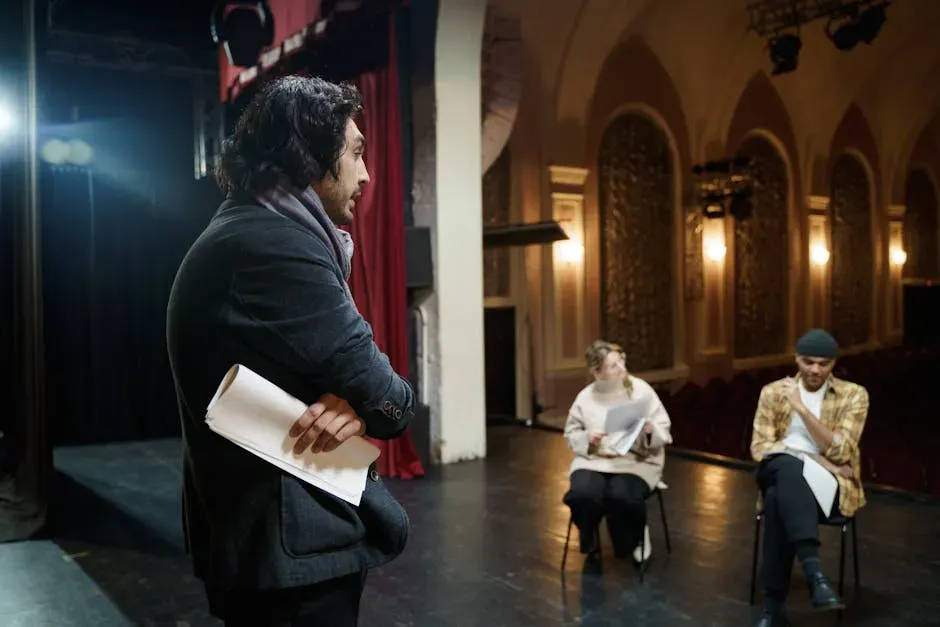
Moviegoers often cite comfort with silence as a marker of a genuinely skilled screen actor, since pausing before a line requires trusting that the moment will land without dialogue to prop it up. Inexperienced actors tend to rush through beats, but those with strong instincts let a pause breathe, giving the audience time to absorb what’s happening emotionally. This patience often ends up being the difference between a scene that feels rushed and one that feels weighty.
Editors have spoken about how much of this timing gets shaped in post production, but the raw material has to come from the performance itself. An actor who instinctively knows when to hold back, rather than fill every gap with movement or speech, gives editors something powerful to work with, and audiences tend to notice the result even if they can’t articulate exactly why a scene feels so effective.
9. A distinct physical presence or energy

Beyond technical skill, audiences often describe certain actors as simply having a presence that fills the frame, an energy that reads clearly even in a crowded scene or a wide shot. This isn’t necessarily about height, build, or conventional looks, but about how an actor occupies space and draws focus without obvious effort. It’s a quality that casting directors sometimes describe as impossible to fully quantify, yet instantly recognizable when auditioning talent.
This kind of screen presence has been discussed extensively in industry interviews as one of the primary reasons certain performers get cast in lead roles despite limited formal training. It suggests that charisma on screen isn’t purely a product of craft, but also involves an element of natural magnetism that technique alone can amplify but not fully create.
10. Emotional transparency during reaction shots

Some of the most memorable moments in film come not from an actor delivering a line, but from how they react while someone else is speaking. Moviegoers frequently mention reaction shots as underrated tools for judging acting quality, since a genuine flicker of surprise, hurt, or amusement can reveal more about a character than dialogue ever could. This requires an actor to stay fully present in a scene even when the camera isn’t technically focused on their performance.
Film editors often say that strong reaction footage gives them far more flexibility in the editing room, allowing emotional beats to be built through cutting between faces rather than relying solely on scripted lines. When an actor commits fully to listening and reacting, even off camera during a scene partner’s close-up, it tends to elevate the entire sequence rather than just their own moments.
11. Authenticity that resists imitation

Perhaps the hardest trait to define, authenticity comes up constantly in audience discussions as the quality that separates memorable performances from merely competent ones. It’s the sense that an actor isn’t just playing a role but has found something true and specific within it, something that couldn’t be replicated by another performer doing the exact same lines. This authenticity often becomes tied to an actor’s identity over time, shaping the kinds of roles audiences come to expect and trust from them.
Industry conversations around award nominations frequently return to this idea, with voters and critics alike noting that technical precision alone rarely wins over audiences the way authenticity does. It’s a quality that resists formula, which is part of why certain performances continue to be studied and referenced years after their initial release, while technically flawless but emotionally distant work tends to fade from cultural memory much faster.
These eleven traits rarely appear in isolation. The most talked about performances tend to combine several of them at once, layering vocal control with physical specificity, or pairing genuine chemistry with an unpredictable edge. What audiences consistently agree on is that captivating screen presence isn’t about doing more. It’s about doing the right small things with total conviction.