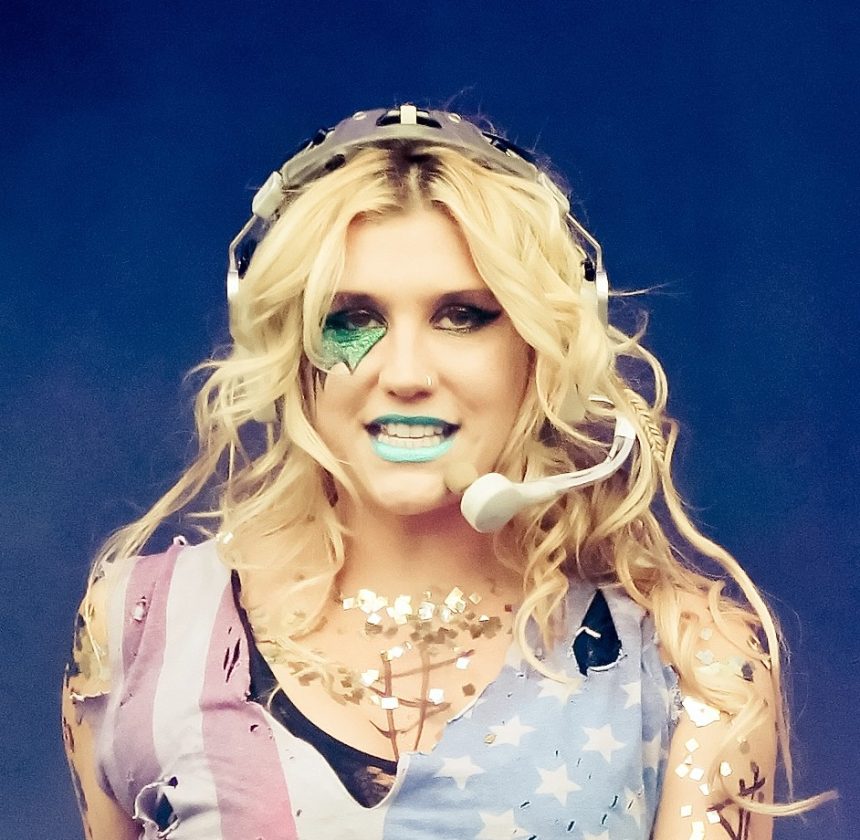
The music business has always operated on a simple, ruthless principle: money flows toward whoever looks most profitable right now. When an artist stops fitting that calculation, the support doesn’t always vanish dramatically. Often it just quietly evaporates. No announcement, no public explanation. The marketing budget shrinks, the radio pushes slow down, the label meetings get shorter. What makes this topic worth examining is how frequently the artists who get sidelined are also some of the most talented ones. The stories below are a reminder that chart success and industry support don’t always travel together, and that sometimes the best thing that happened to a singer was being left to figure it out alone.
1. Chappell Roan – Dropped Mid-Pandemic, Left Without Healthcare
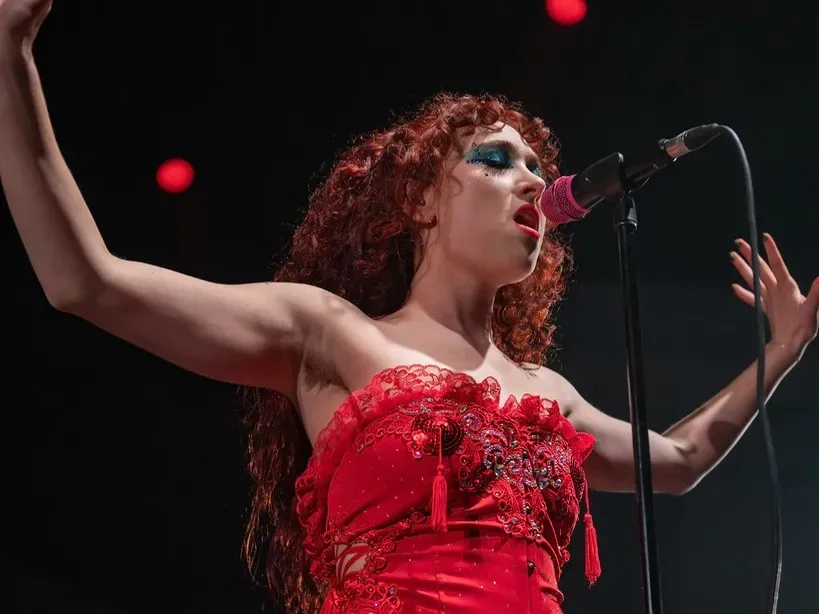
Chappell Roan, whose real name is Kayleigh Rose Amstutz, was signed by Atlantic Records in 2016 when she was 17. From the start, the relationship was marked by creative tension. Both Roan and producer Dan Nigro were enthusiastic about the track “Pink Pony Club” and believed it could reach a wide audience, but Roan revealed that Atlantic tried to discourage her from even releasing it.
After a series of underperforming EPs and singles, Roan was eventually dropped from the label in 2020, and, in a burgeoning pandemic, quickly came to realize just how underprepared she was as a suddenly unemployed now-adult. In August 2020, Atlantic dropped a then 22-year-old Chappell the same week she broke up with her boyfriend of four years. Amid the Covid-19 pandemic, she moved back to Missouri to live with her parents, and was diagnosed with bipolar II disorder later that year. The label had signed her as a minor, shaped her early output, then quietly cut her loose when commercial returns didn’t meet expectations. Roan eventually inked a deal with Island via Nigro’s imprint, Amusement Records, gaining all the creative freedom and resources she needed. Since then, she’s been able to embrace a variety of styles and create the kind of brilliantly chaotic image she always dreamed of, two things Atlantic had also warned her against.
2. RAYE – Seven Years Trapped, Then Six BRIT Awards in One Night
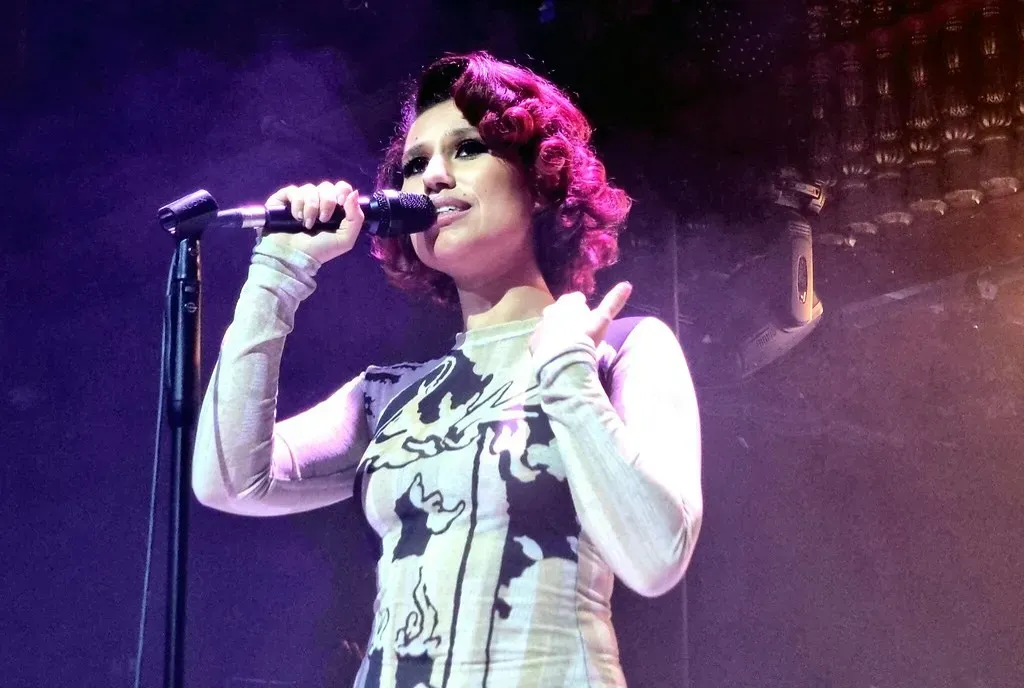
British pop singer-songwriter RAYE had her debut album held hostage by Polydor, an imprint of Universal Music, despite having signed a four-album deal with them in 2014. For years, she was told to wait. Each time she was told one of her singles had to perform well before she could start on an album, and she was repeatedly pushed further down the line for years. RAYE claimed to have “albums on albums of music sat in folders collecting dust,” which she was giving away to other A-list artists as she waited for Polydor to allow her to release her first LP.
Hoping to force a rupture, she publicly exposed the pain of having her dreams delayed, and 20 days later, Polydor agreed to release RAYE from her contract, allowing them to part ways relatively amicably, a rarity in the industry. The gamble paid off in historic fashion. Since leaving Polydor, she’s racked up billions of streams, notched two U.K. number one singles, and won seven BRIT Awards, six of which came in 2024, a record for the most in one year. It’s one of the clearest examples in recent memory of a label failing an artist it should have been fighting for.
3. Kesha – Contractually Bound, Strategically Sidelined
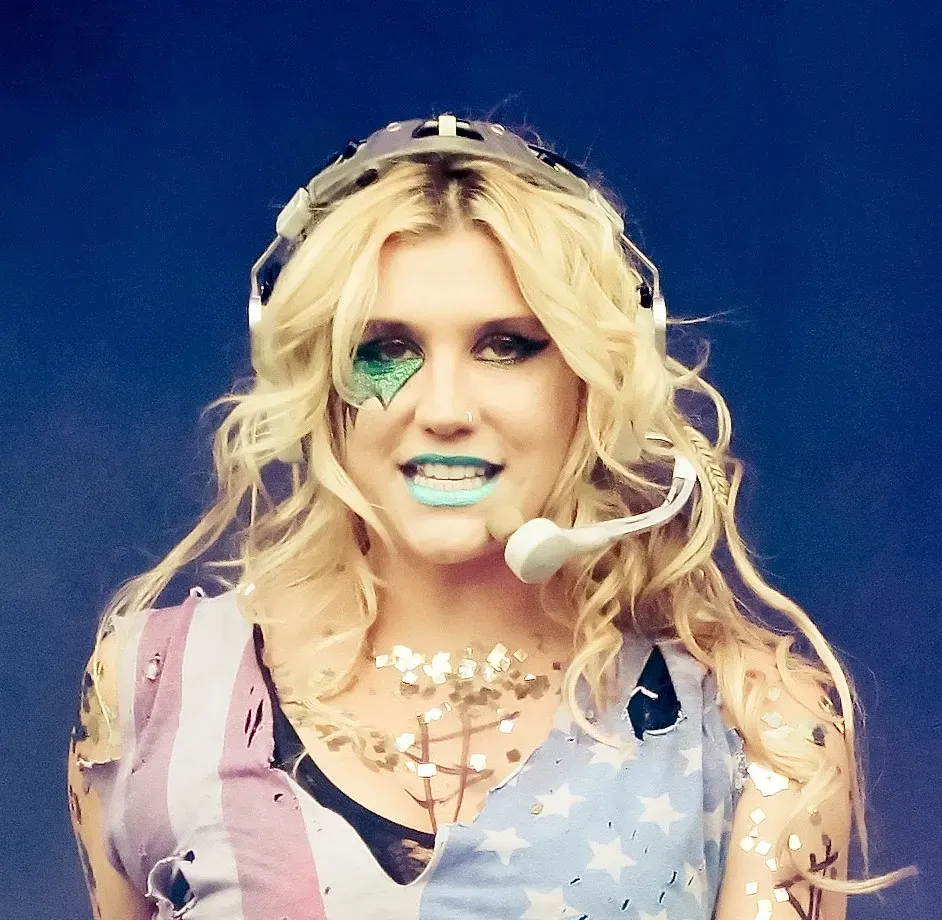
The legal dispute between Kesha and music producer Dr. Luke began in October 2014 when Kesha filed a civil suit against him for infliction of emotional distress, sex-based hate crimes, and employment discrimination. What made the situation particularly suffocating was how the contract itself became a tool of industry control. Despite Sony Music’s insistence that Kesha was free to work on new music independently from Dr. Luke, she remained signed to his Sony imprint, Kemosabe Records. This was the result of a traditional industry contract signed in 2009, worth a total of seven albums.
Kesha’s lawyers expressed the concern that Sony would fail to promote her albums to the best of their ability, and while that concern was legally dismissed, it was not entirely a baseless suspicion. George Michael had sued Sony Music in 1992 for many of the same reasons, believing his label had deliberately sabotaged promotion for his new music. Kesha extracted herself from the contract with Dr. Luke following a 2023 settlement in her long-running civil lawsuit. She has since formed her own independent label, Kesha Records, which she said is the first big step in taking back her musical voice.
4. George Michael – A Superstar Who Fought Sony and Lost (Then Won)
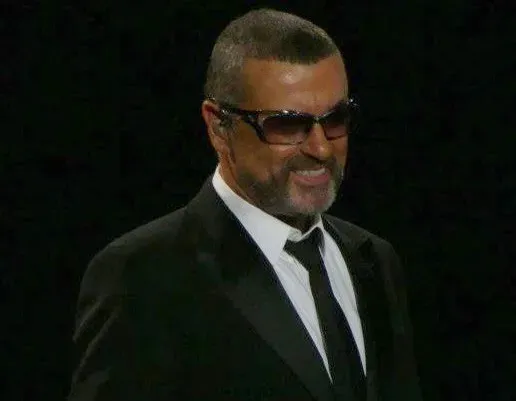
George Michael’s battle with Sony Music in the early 1990s was one of the first high-profile cases that pulled back the curtain on how major labels can quietly suffocate an artist they no longer wish to actively support. George Michael sued Sony Music in 1992, believing his label had deliberately sabotaged promotion for his new music. His central argument was that the label, having lost enthusiasm for his artistic direction after his public coming out and stylistic evolution, was simply allowing his career to stall rather than investing in it.
Partner offer
The British courts ultimately ruled against him, determining that a recording contract was a legitimate business agreement rather than an unfair restraint of trade. The case, however, illuminated a tactic that artists have quietly complained about for decades: labels don’t always need to drop a singer to sideline them. They can simply reduce the promotional budget, slow-walk the release cycle, and let the silence do the work. Tales of terrible record deals and labels essentially holding their artists hostage via legal strongholds are as old as time. Michael eventually negotiated his way to DreamWorks and went on to release some of the most critically acclaimed work of his career.
5. Nemahsis – Dropped for Speaking Up
Nemahsis was dropped by her record label for her activism for Palestine. Her case stands apart from the financial and commercial disputes that typically define these stories, because it wasn’t about streaming numbers or creative disagreements. It was about what she chose to say publicly, and who that made her label uncomfortable around. The music industry has always been acutely sensitive to anything that might complicate a brand’s commercial relationships, and political activism from signed artists has historically been managed, muted, or eliminated.
Embracing a new phase of independence, she released Verbatim in 2024, earning herself Juno nominations and proving that authentic storytelling is what audiences crave. Her story reflects a broader pattern where artists with strong personal convictions sometimes find those convictions are treated as liabilities rather than assets by the labels managing them. The promotion doesn’t get pulled in a dramatic way. It simply stops being scheduled. The machine moves on to the next act, and the message is delivered without a single word being said.
6. Lorde – A Quiet Exit from a Major After Years of Diminishing Support

Lorde, a New Zealand singer-songwriter known for her debut studio album Pure Heroine and more recently Solar Power and Virgin, announced her independence on March 19, 2026, after her contract with Universal Music Group expired quietly at the end of 2025. Her trajectory after the record-breaking debut Pure Heroine was a study in diminishing institutional enthusiasm. Each subsequent album arrived with less radio backing and fewer mainstream placements, a pattern familiar to artists whose initial sound is treated as a fixed commercial formula rather than a foundation to build on.
Solar Power in particular landed with considerably less industry muscle behind it than her earlier work, with critics and listeners debating whether the album had been given the promotional runway it deserved. In recent years, more and more artists have realized that their creative control is worth more than any advance or promotion a major label is offering. Lorde’s decision to go independent fits that pattern. The growing number of independent artists is a direct result of the failure of major labels to adapt to the changing music industry. Thanks to platforms like Patreon, artists can now create and promote their music without the help of a major label.
What ties these six stories together isn’t bitterness or failure. It’s the gap between an artist’s actual potential and the industry’s willingness to invest in it. A significant proportion of artists signed to a major label deal are shelved or put on the back burner, because these companies sign an impressive number of artists, all of whom are competing for the label’s time, attention, and money. The ones who push through, whether through public confrontation, legal battles, or simply refusing to stop making music, often end up with the careers they were always capable of having. The industry didn’t hand it to them. They took it.
Partner offer
Planning a trip to Vegas?
Compare hotel rates and show tickets on VEGAS.com.