Most people know their favorite comedians as the person who made them laugh on TV or during a sold-out arena tour. What they rarely see is the boardroom version: the equity negotiations, the media company stakes, the syndication deals that keep quietly compounding for decades. These eight comics didn’t just tell jokes. They leveraged their fame into something far more durable.
The gap between what fans imagine a comedian earns and what the most successful ones actually own is genuinely striking. A few of these figures have crossed the billion-dollar mark, some almost invisibly. This is the real financial story behind the punchlines, ranked from lowest to highest estimated net worth as of 2026.
8. Drew Carey – Estimated Net Worth: $165 Million

Drew Carey started out performing stand-up in Cleveland in the 1980s, before rising to fame as the star of The Drew Carey Show, which ran from 1995 to 2004. At the height of its success, Carey was one of the highest-paid TV stars in the world, earning the inflation-adjusted equivalent of roughly a million dollars per episode. In 2007 he transitioned to hosting The Price Is Right, a gig that still pays him around $12.5 million annually, placing him among the highest-paid TV hosts in the country.
What makes Carey’s financial picture genuinely unusual is a 7.5% ownership stake in MLS team Seattle Sounders FC, which adds a real-asset dimension that most people would never associate with a game show host. After serving in the US Marine Corps, Carey won a Cleveland open-mic contest in 1985, beginning a rise that proved that a slow, methodical career path can build serious long-term stability.
7. Ricky Gervais – Estimated Net Worth: $170 Million
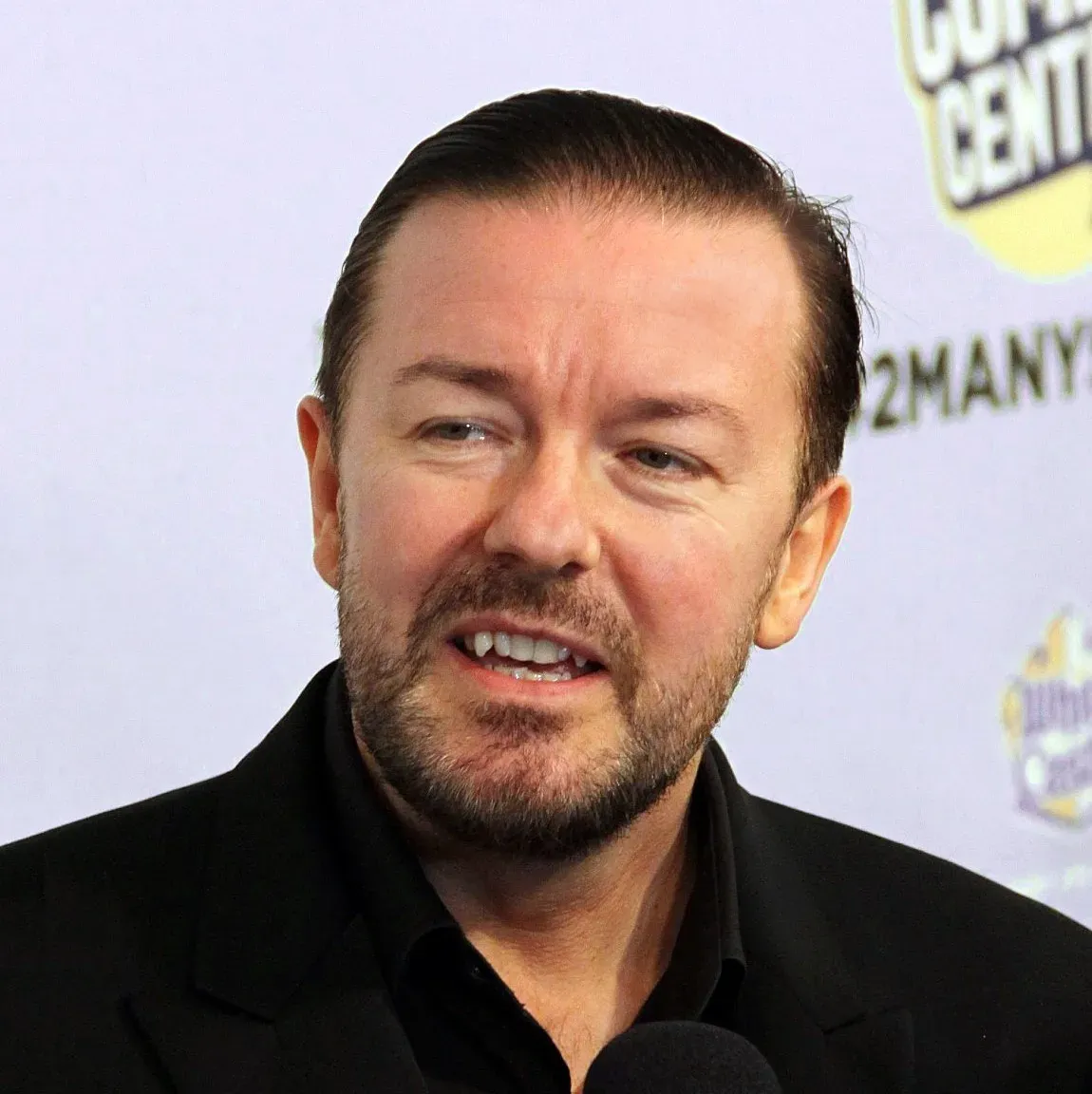
British comedian Ricky Gervais scored his big break with the UK series The Office in 2001, which he co-created and starred in. The show became a global phenomenon, spawning a successful US spin-off and numerous international adaptations. Gervais reportedly holds a 10% stake in The Office, earning millions annually from syndication revenue alone.
Beyond The Office, he boosted his fortune by creating acclaimed shows like Extras and After Life, and Netflix reportedly paid him around $20 million for a comedy special in 2018. His latest comedy special, “Ricky Gervais: Mortality,” debuted on Netflix in December 2025, winning him another Golden Globe for Best Performance in Stand-Up Comedy on Television at the January 2026 ceremony.
6. Bill Murray – Estimated Net Worth: $180 Million
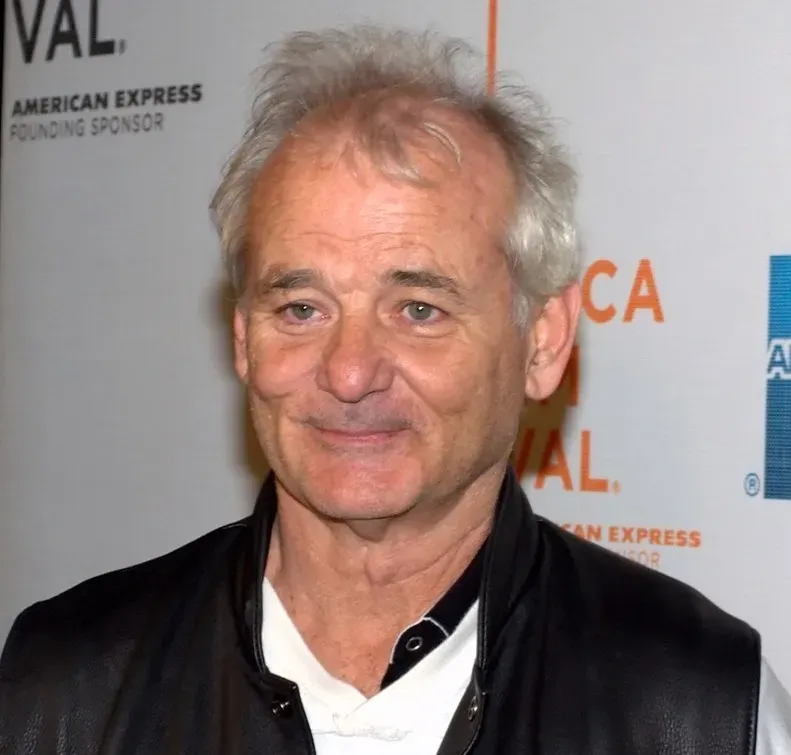
Bill Murray began his comedy career on the National Lampoon Radio Hour before breaking out on Saturday Night Live in the 1970s, going on to become one of America’s best-loved movie stars, with Ghostbusters, Caddyshack, and Groundhog Day among his most iconic roles. The revenue generated by those films has been flowing back to Murray for decades in ways that most casual fans haven’t fully appreciated.
Thanks to a lucrative backend profit deal on the Ghostbusters franchise, Murray earned $125 million from the first two films alone, which amounts to roughly $310 million in today’s money. His overall estimated net worth stands at around $180 million. The backend deal was the defining financial move of his career, far more consequential than any single upfront salary he ever negotiated.
5. Seth MacFarlane – Estimated Net Worth: $400 Million
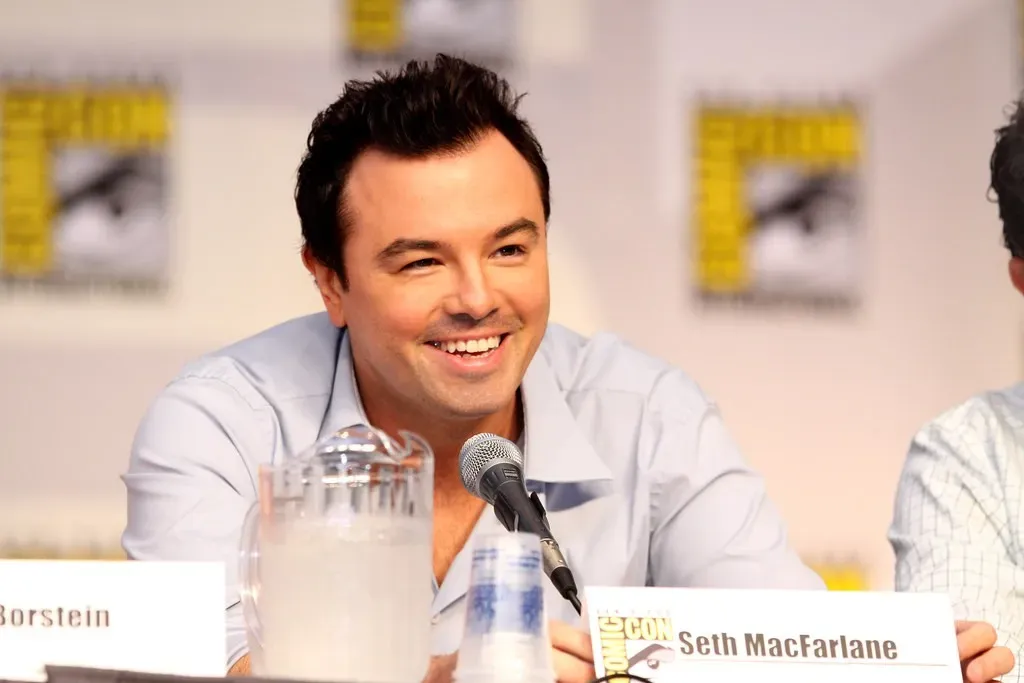
Seth MacFarlane began his career as an animator at Hanna-Barbera before skyrocketing to fame as the creator of Family Guy. He then went on to create three more hit shows: American Dad, The Cleveland Show, and The Orville, while also achieving big-screen success with films like the Ted franchise.
In 2009, MacFarlane negotiated a five-year, $100 million deal with Fox, then the largest contract in TV history, and later left Fox for Universal in 2020 with a five-year, $200 million deal. Those salaries exclude merchandise and DVD royalties from his animation empire, which reportedly earn him upward of $20 million per year on top of his contract income. Few comedy writers have monetized syndication and ancillary rights as methodically as MacFarlane has.
Partner offer
4. Adam Sandler – Estimated Net Worth: $420–$440 Million

Adam Sandler rose to fame on Saturday Night Live in the 1990s before launching a blockbuster film career with hits including Happy Gilmore, The Wedding Singer, and Big Daddy. One of Hollywood’s most bankable stars, he has regularly commanded upwards of $25 million per project.
In 2014, his company Happy Madison Productions signed a $250 million content creation deal with Netflix, a contract that was later extended thanks to the popularity of releases such as Murder Mystery. His 2023 earnings were reported as $73 million, making him the top-earning actor in Hollywood that year – a figure that, even for a comedian of his stature, catches most people off guard. His performance in the 2025 film “Jay Kelly” also earned him significant awards buzz.
3. Byron Allen – Estimated Net Worth: $1 Billion

Byron Allen began his career as a stand-up comedian, making his debut on The Tonight Show at just 18, holding the record as the youngest comedian ever to perform on the show. He later founded Entertainment Studios in 1993, which grew into a media empire producing dozens of syndicated TV shows and owning networks including The Weather Channel.
Allen owns 100% of his company and operates with a distinctive revenue model: offering shows to networks for free in exchange for advertising time, which he then sells directly. His estimated net worth stands at $1 billion. In 2020, Allen also joined forces with the Sinclair Broadcast Group, executing a major acquisition of 21 sports networks from Walt Disney for an astounding $10.6 billion. Most people still think of him as a comedian, not a media tycoon worth ten figures.
2. Matt Stone and Trey Parker – Estimated Net Worth: $1.2 Billion Each
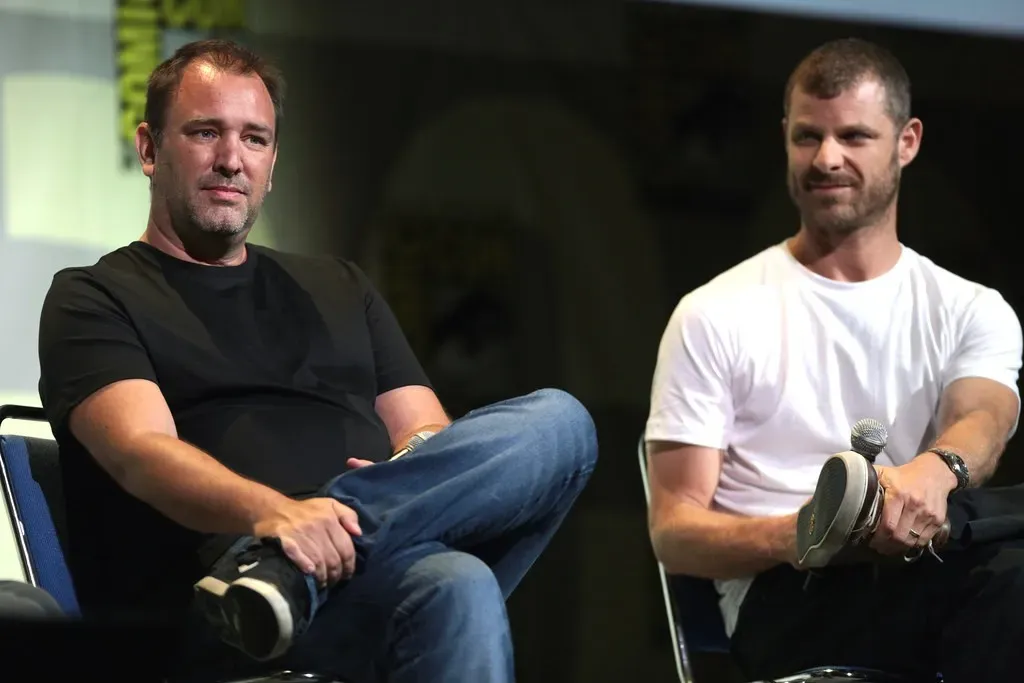
With their new $1.5 billion deal with Paramount, South Park creators Matt Stone and Trey Parker are now each worth an estimated $1.2 billion. According to reporting by the Los Angeles Times, Parker and Stone reached a groundbreaking five-year deal with Paramount for global streaming rights to their iconic animated series, valued at $300 million per year and totaling a staggering $1.5 billion.
At the heart of their fortune is what may be the most valuable TV contract clause ever written, which ultimately entitled them to 50% of South Park’s digital revenue. Hulu had licensed the show’s streaming rights in 2014 for $87.5 million, reupping for $110 million through 2019, and then HBO Max won a bidding war to become South Park’s exclusive domestic streaming home for $550 million over five years. The duo have built one of the most profitable creative partnerships in entertainment history, largely without the celebrity financial profile that would match it.
1. Jerry Seinfeld – Estimated Net Worth: $900 Million to $1.1 Billion
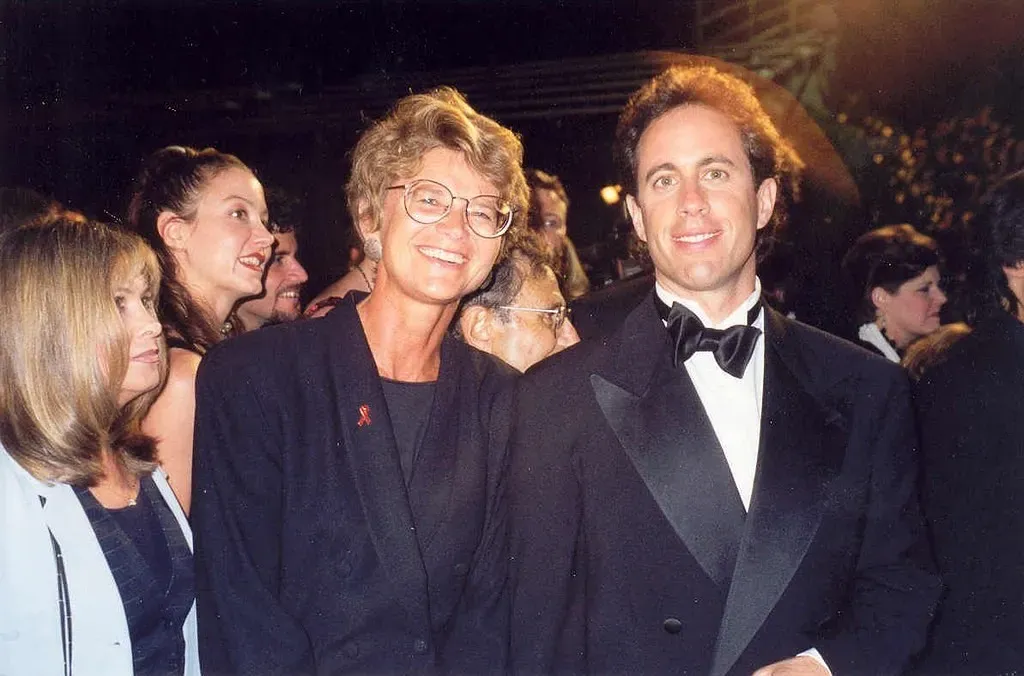
Jerry Seinfeld earned the vast majority of his fortune thanks to the sitcom Seinfeld, which remains one of the most profitable shows in television history. Because Jerry and his co-creator Larry David own 15% of the show’s backend equity, Seinfeld has earned exponentially more in the years since the finale from global syndication sales. As of 2026, the show has generated $5 billion in total, meaning Jerry and Larry have each earned around $800 million from salary, DVD sales, merchandise, and syndication deals combined.
Netflix acquired global streaming rights to the show for $500 million in 2019, resulting in a $75 million payout for Seinfeld personally. His 15% ownership stake in the show’s backend continues generating an estimated $20 million to $50 million annually from syndication royalties alone. As of 2026, Forbes lists Jerry Seinfeld on its Billionaires list, though exact figures remain debated. He also maintains a 22-car garage filled with Porsches worth an estimated $100 million – a collection that, in a different life, might have been worth more than most people’s entire career earnings.
The pattern across all eight of these comedians is the same, even if the specific strategies differ. Stage talent opened the door. Ownership, equity, and long-term rights deals built the actual fortune. The joke was always on whoever didn’t read the fine print.
Partner offer
Planning a trip to Vegas?
Compare hotel rates and show tickets on VEGAS.com.