Television has always been a place where talent meets ambition, but the real money rarely goes to the people in front of the camera. The creators who dream up entire worlds, write the characters, and oversee every episode from pilot to finale are the ones who quietly accumulate staggering fortunes through syndication rights, streaming deals, and production ownership. The gap between a well-paid showrunner and a genuinely wealthy one is enormous. It comes down to equity. When a creator negotiates a slice of the backend, every rerun, every international licensing deal, and every streaming platform renewal sends another check. These six individuals understood that better than anyone in the business.
#6 – David Chase: The Man Who Changed Television (Net Worth: ~$80 Million)

As of 2026, David Chase’s estimated net worth is around $80 million, with much of his wealth stemming from the massive success of The Sopranos. The series generated substantial revenue through HBO distribution, international licensing, streaming rights, and DVD sales, with Chase also benefiting from long-term royalties connected to the show’s continued popularity.
Chase rose from relative anonymity to international fame in 1999 when he created the HBO television crime series “The Sopranos,” a show heavily inspired by his own experiences growing up in New Jersey, focusing on Italian-American mobster Tony Soprano and his struggles balancing organized crime with family life. More than two decades after the show premiered, critics, filmmakers, and fans frequently credit Chase with helping launch what many call the “Golden Age of Television,” and even in 2026 his legacy remains powerful with new generations still discovering the series.
#5 – Shonda Rhimes: The Queen of Peak TV (Net Worth: ~$240 Million)
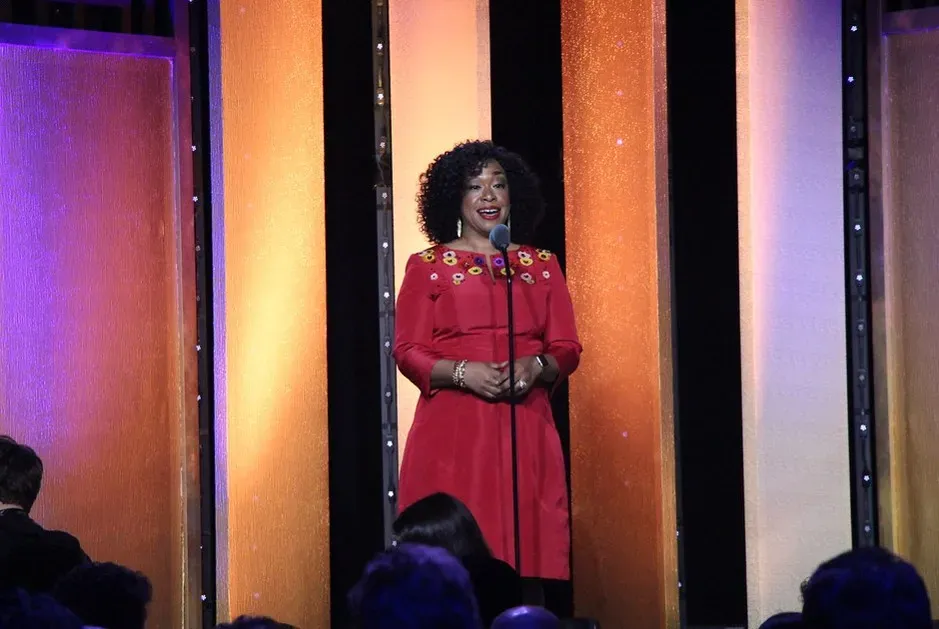
Shonda Rhimes’ net worth in 2026 is estimated at $240 million, thanks to her long and lucrative career behind the scenes in television. She is the founder of Shondaland, a production company responsible for some of the most successful shows in modern television history.
Grey’s Anatomy alone has generated over $2 billion in revenue for ABC during its long run. In 2017, Shonda signed a four-year, $150 million studio partnership deal with Netflix, and in 2021 she signed a five-year extension worth $300 to $400 million, which also includes budget for live events, a film, and various bonus milestones. She became the first woman to create three television dramas that each achieved the 100-episode milestone.
#4 – Larry David: The Reluctant Billionaire Who Isn’t Quite One (Net Worth: ~$400 Million)
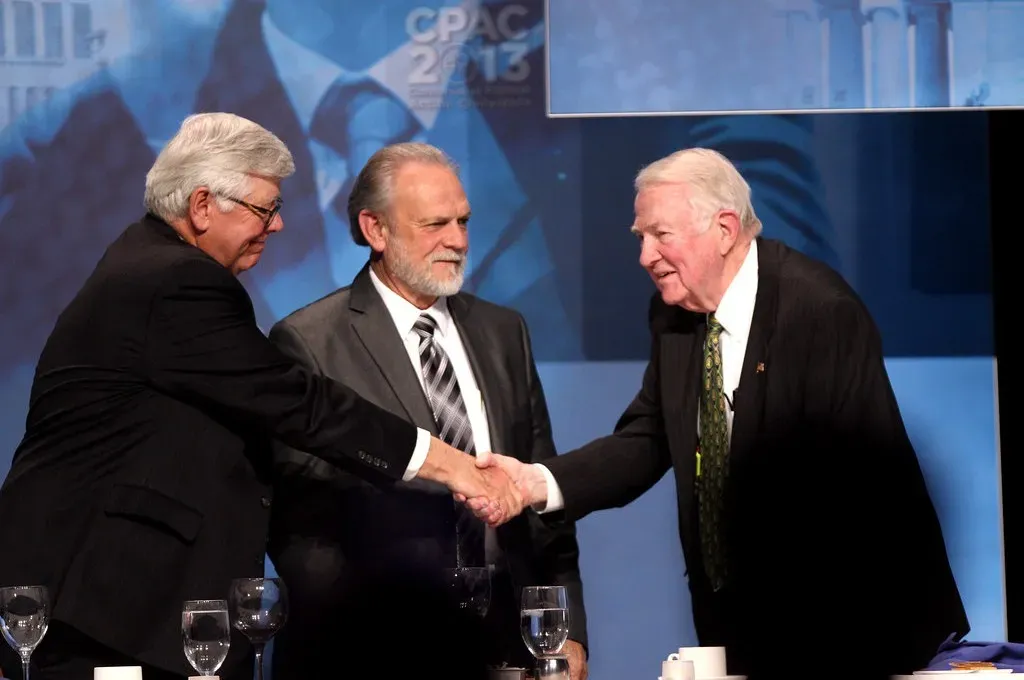
Larry David’s net worth in 2026 is estimated at a stunning $400 million. Larry earned the vast majority of his net worth thanks to his creation of “Seinfeld,” with he and Jerry each owning 7.5% of the show’s backend equity from the start, before negotiating a deal with NBC at the peak of the show’s mid-1990s success that boosted their points to 15% apiece.
The first syndication deal in 1998 generated $1.7 billion in revenue, giving Larry and Jerry each a $250 million pre-tax windfall, and the show continued to generate enormous licensing revenue, with total revenue tied to the series climbing to roughly $5 billion by 2026. His similarly popular HBO series “Curb Your Enthusiasm” also netted him a significant fortune, coming to an end in April 2024 after 12 seasons, and David announced in July 2025 that he would return to TV for a new sketch show produced by the Obamas.
Partner offer
#3 – Chuck Lorre: The King of the Modern Sitcom (Net Worth: ~$700 Million)

Chuck Lorre is an American writer, producer, composer, and director with a net worth of $700 million, best known for creating or co-creating “Grace Under Fire,” “Cybill,” “Dharma & Greg,” “Two and a Half Men,” “The Big Bang Theory,” “Mike & Molly,” “Mom,” “Young Sheldon,” and several others. Over several decades, Lorre became synonymous with the modern multi-camera sitcom through his long relationship with Warner Bros. Television and CBS, with his shows generating thousands of episodes and dominating broadcast syndication.
His largest windfall came from “The Big Bang Theory,” where after the success of “Two and a Half Men,” Lorre reportedly negotiated an unusually large 20% backend stake; when the show was first sold into syndication he earned an estimated $200 million, and then another $200 million when HBOMax paid $1 billion for the show’s exclusive streaming rights. Between syndication, streaming, backend participation, production fees, royalties, and his long-running Warner Bros. Television overall deal, Lorre has earned at least $650 million during his career from syndication deals alone.
#2 – Dick Wolf: The Law & Order Empire Builder (Net Worth: ~$1.2 Billion)

As of 2025, Dick Wolf’s net worth stands at an extraordinary $1.2 billion, with his wealth largely attributed to his position as creator and executive producer of multiple franchise series, most notably “Law & Order,” which alone earned him around $1.5 billion from syndication royalties over the years. Wolf consistently ranks among TV’s richest producers, sharing stature with industry peers such as Chuck Lorre and Jerry Bruckheimer.
Wolf’s annual earnings are among the most impressive in the entertainment sector, with estimates placing his yearly income between $120 million and $180 million from his TV empire, with recent Forbes reports citing $125 million in annual earnings before taxes. These figures are supported by lucrative licensing and streaming deals he has secured, including a $300 million exclusive streaming agreement for his series with NBCUniversal’s Peacock platform, followed by a $1 billion production deal spanning five years.
#1 – Jerry Seinfeld: Television’s First Billionaire Creator (Net Worth: ~$1.1 Billion)
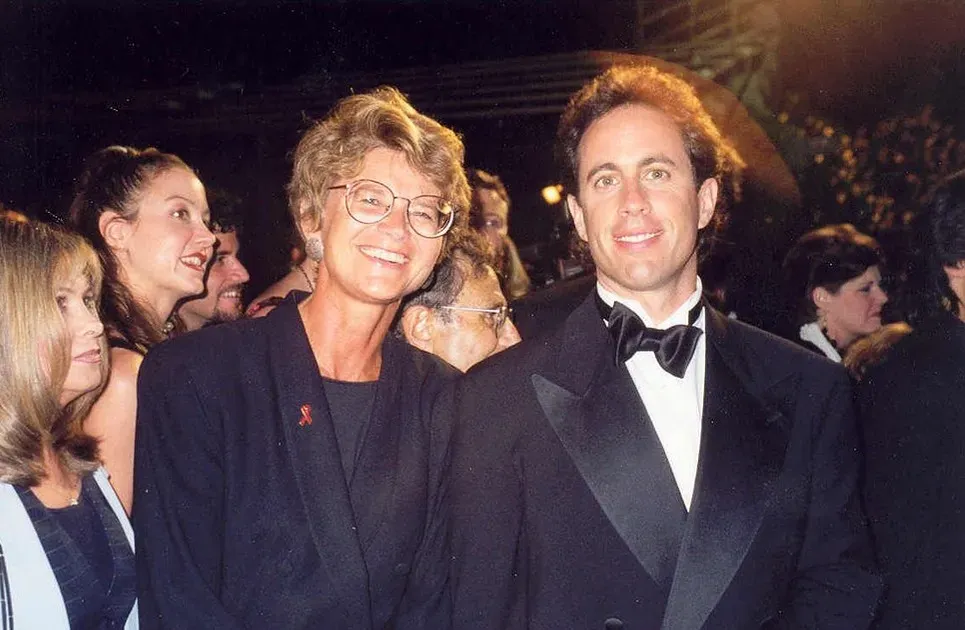
Netflix paid $500 million to acquire the digital rights for just five years, a deal that helped Jerry Seinfeld become the richest comedian in the world, with his net worth estimated at $1.1 billion as of June 2026. Where Seinfeld is collecting the hard cash is from the enduring popularity of the TV show itself: he and co-creator Larry David reportedly still earn 15% of its syndication revenue.
During the show’s final season in 1998, Seinfeld was paid $1 million an episode, which adjusted for inflation would be nearly $2 million today, and NBC reportedly offered him $5 million an episode for a proposed 10th season, which he ultimately declined. Seinfeld and Larry David earn 15% of the show’s syndication profits, and Netflix specials along with touring revenues have further inflated his comedy empire. His path from stand-up comic to television’s wealthiest creator remains one of the most remarkable financial stories in entertainment history.
Partner offer
Planning a trip to Vegas?
Compare hotel rates and show tickets on VEGAS.com.