The standard story in the music industry goes something like this: you get the call, you sign the contract, you hand over creative control in exchange for a big advance, and you spend years trying to earn it back. For most artists, that trade feels like the only way in. The major label system has, for most of the past century, been the gatekeeper to everything: distribution, radio play, marketing budgets, world tours.
A smaller group of singers has done the opposite. They looked at contracts worth millions of dollars and said no – or eventually forced their way out. Some walked away at the peak of their commercial momentum. Others escaped deals that were quietly suffocating them. What they share is a clarity of purpose that most people only talk about, and a track record that suggests the gamble paid off.
Prince – The Artist Who Changed His Name Rather Than Bend to Warner Bros.
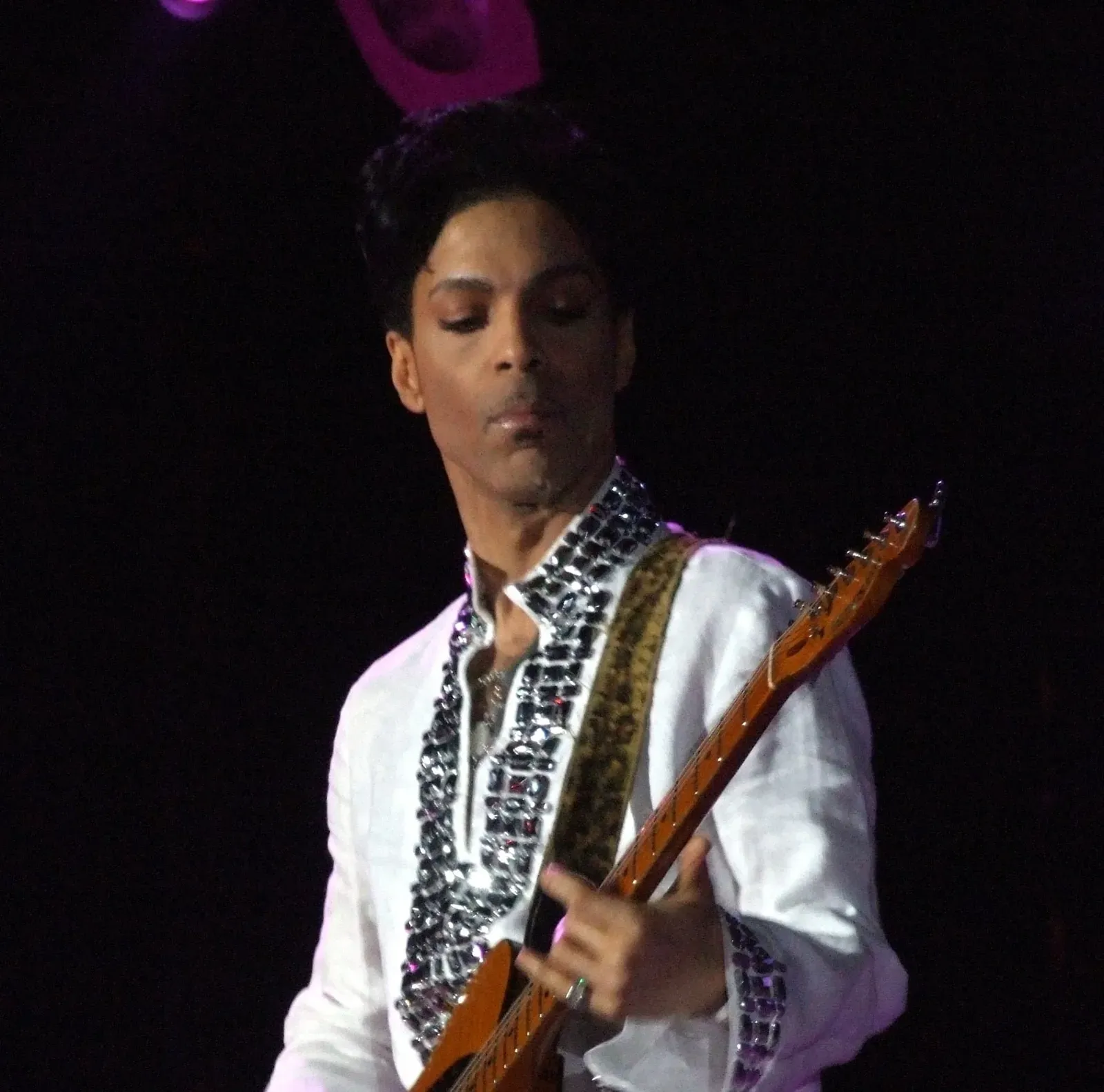
In 1992, Prince renegotiated a deal with Warner Bros. that included six albums, a reported ten million dollar advance per album, and a twenty-five percent royalty rate. On paper, it was one of the richest recording contracts in history. Prince’s rebellion against Warner Bros. came just a year after signing that allegedly lucrative six-album deal that was publicly valued at around one hundred million dollars.
In response to the label controlling his release schedule, Prince disavowed his own name in 1993, taking on the unpronounceable “Love Symbol.” Determined to escape, he spent the next two years fulfilling the terms of his contract so that in 1996 he was finally able to move on and release Emancipation via his own NPG Records. Prince became one of the first major artists to prove that independence could be lucrative, controlling his music distribution, selling albums directly to fans, and influencing countless artists to follow suit. His fight for ownership was never really about the money. According to those close to him, it was truly a cause, not just a desire to make more money.
Raye – The British Singer Who Publicly Freed Herself From a Label That Silenced Her
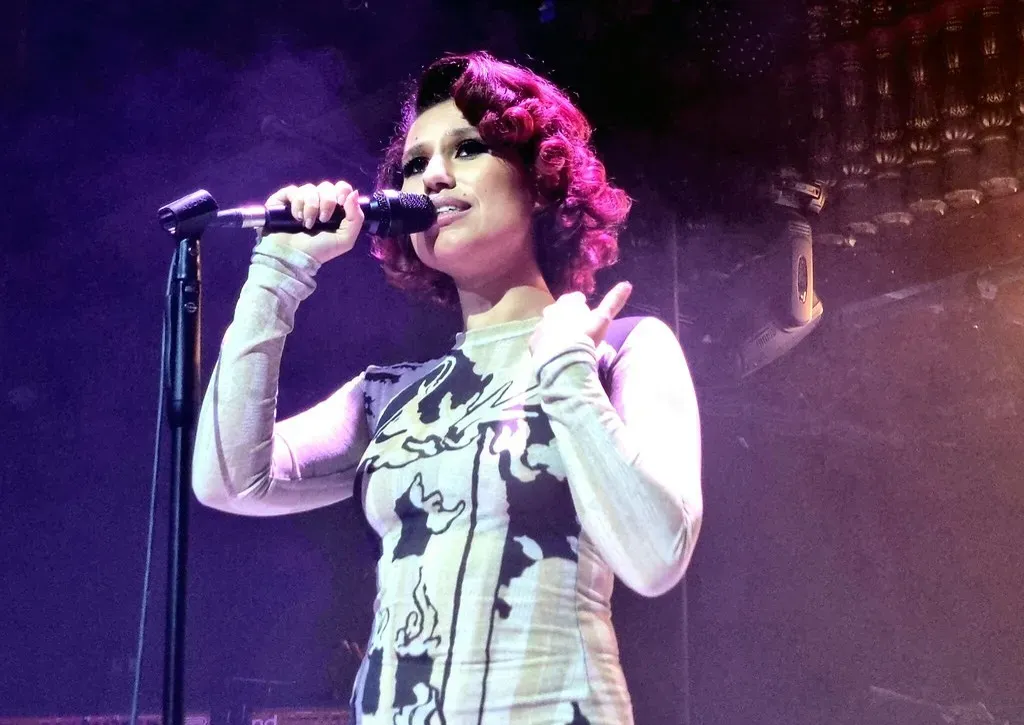
Back in 2014, Raye signed a four-album deal with Polydor, but by 2021, not a single one of those albums had been made. Seven years inside the machine and nothing to show for it. According to Raye, Polydor pressured her to release “chart-friendly dance tracks” that she did not like, pushing her further away from the artist she actually was.
My 21st Century Blues was released independently by Human Re Sources on February 3, 2023. It marked her first project following her departure from Polydor Records in 2021, which had denied her the release of an album for several years. The results were impossible to argue with. In 2024, the album won British Album of the Year at the Brit Awards, where Raye broke the record for the most wins in a single ceremony. Escapism became her first song to reach number one in the UK, three months after its original release.
Chance the Rapper – The Artist Who Turned Down Ten Million Dollars and Won a Grammy
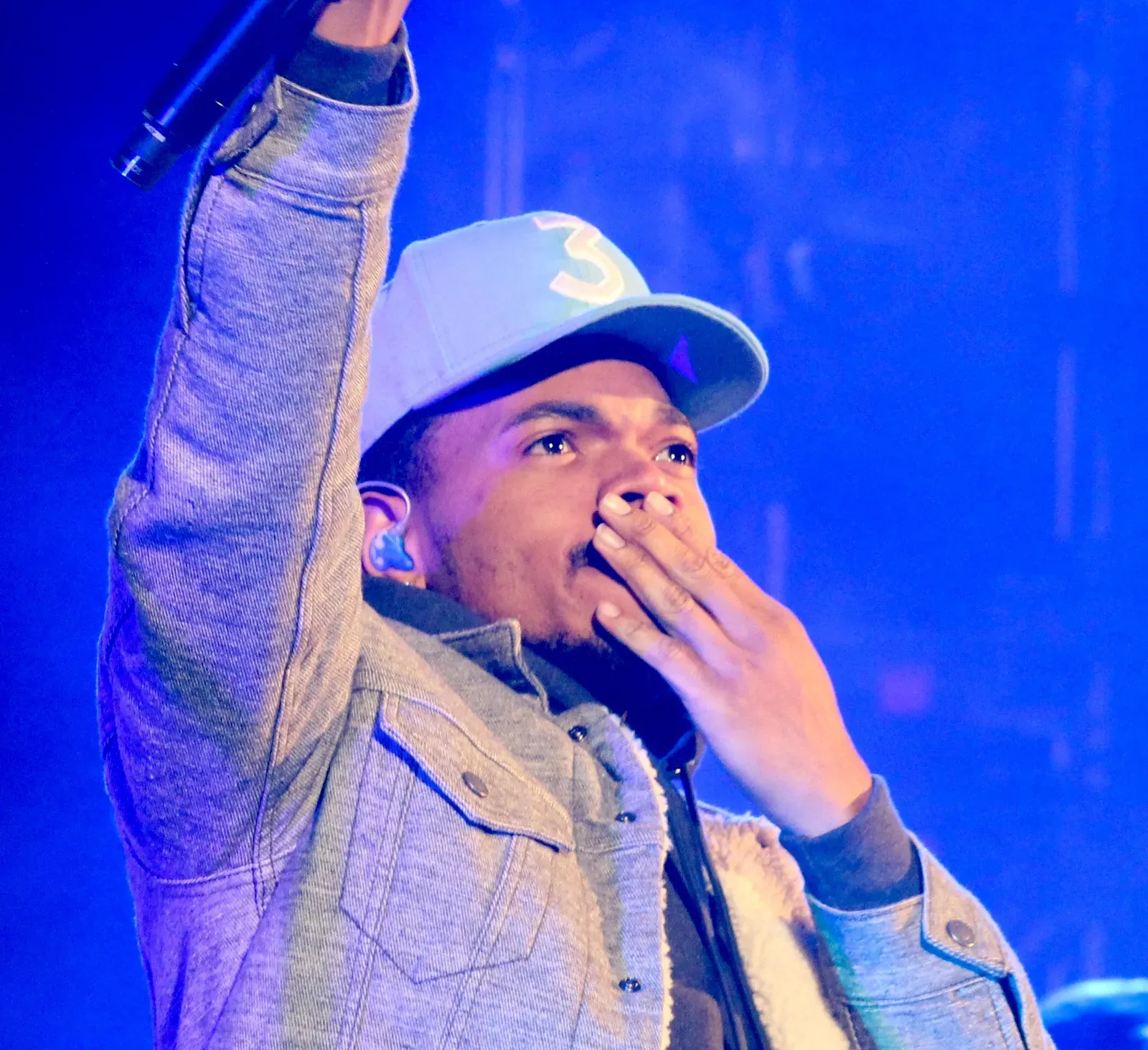
Chance the Rapper turned down record deals worth up to ten million dollars. That’s not a figure he ever seemed conflicted about. He rejected major-label deals, opting instead to release his music for free, seeing independence as the best way to maintain creative freedom and ownership of his masters.
Chance made history in 2017 by becoming the first streaming-only, unsigned artist to win a Grammy for Album of the Year, taking home Best Rap Album for his mixtape Coloring Book. Notably, the single No Problem also won Best Rap Performance. To this day, he has released all his music independently, retaining full rights and ownership. His strategy of leveraging streaming, merchandise, and touring revenue set a blueprint for independent success that a generation of artists has since tried to replicate.
Frank Ocean – The Masterstroke Exit From Def Jam
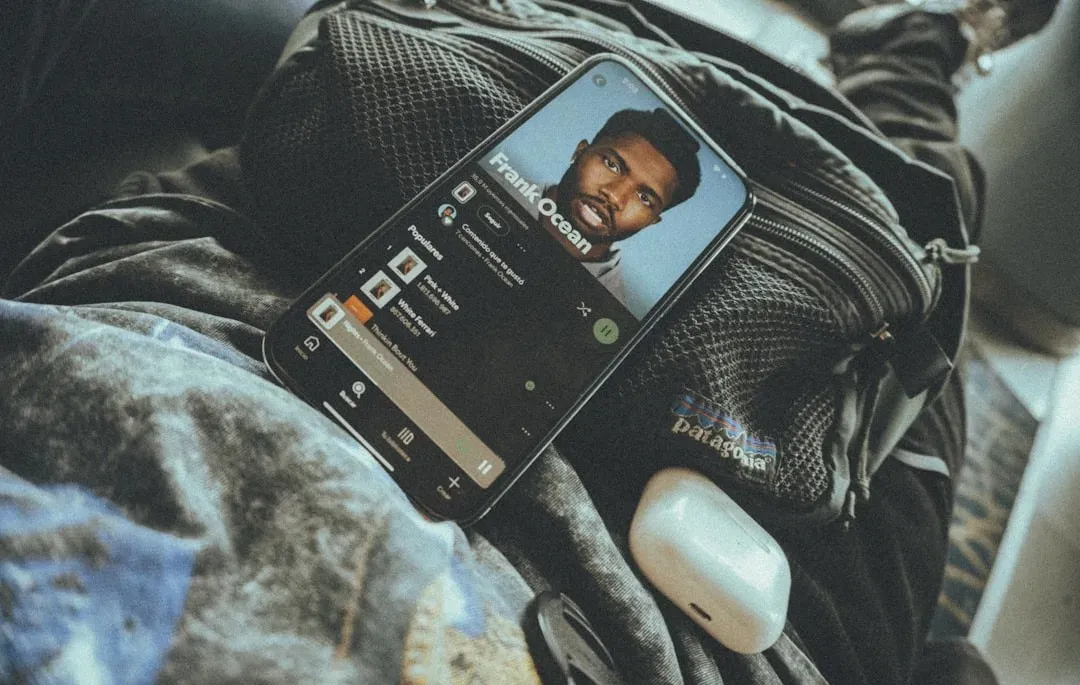
Frank Ocean played one of the most strategically brilliant moves in music business history. After fulfilling his contractual obligations with Def Jam by releasing Endless, he dropped Blonde as an independent artist just a day later. This allowed him to keep full control and reap the financial benefits of his most anticipated project.
Blonde debuted at number one on the Billboard 200, and Frank made a reported two million dollars in just the first week of sales – far more than he would have earned under a label deal. In late 2016, Frank Ocean had split from his record label, Def Jam, in favor of a completely independent push, and Forbes reported the move may have more than doubled his profit for the release. Ocean understood his numbers precisely, and used that clarity to time his exit perfectly.
Nipsey Hussle – The Rapper Who Built a Business Empire Before the Industry Could Co-opt It
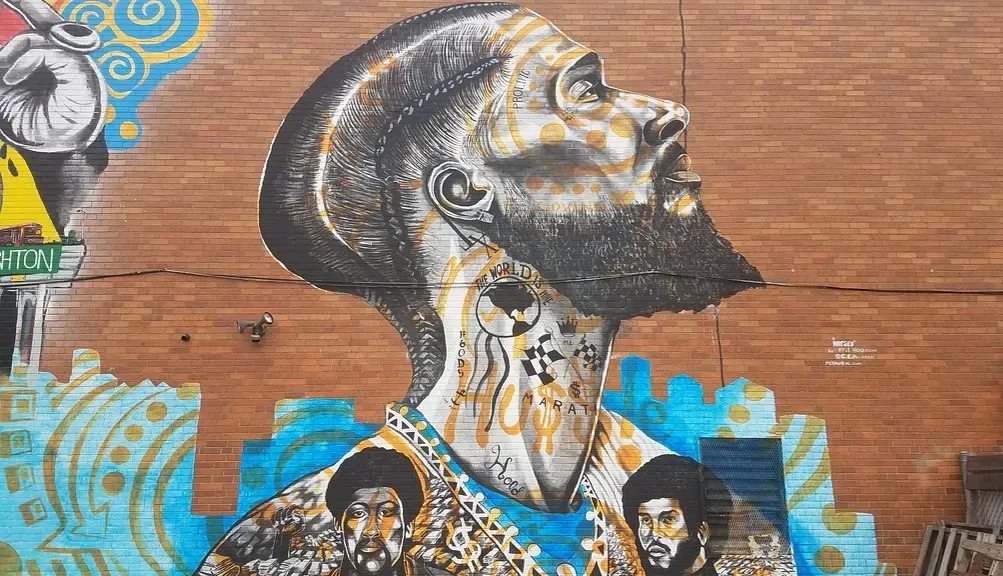
After Epic experienced financial issues in 2010, Nipsey opted not to renew his contract and left the label. Rather than wait for the next deal, he founded his own infrastructure. In 2010, Nipsey left Epic and founded his label All Money In in his Crenshaw neighborhood. Three years later, he released his mixtape Crenshaw and instead of selling it digitally for a standard price, hard-pressed one thousand copies and sold them for one hundred dollars each.
Jay-Z caught wind of the strategy and purchased one hundred copies himself, tipping his hat to Hussle’s brilliant approach. Nipsey cut out the middleman to market, distribute, and sell his project at the price he deemed fair. Nipsey believed in ownership and self-sufficiency, turning down major-label deals early in his career because he wanted full control over his music and business. His bold business model inspired others – echoes of his decision can be seen in the moves made by artists like Chance the Rapper and Frank Ocean.
Macklemore – The Independent Artist Who Won Four Grammys Without a Label
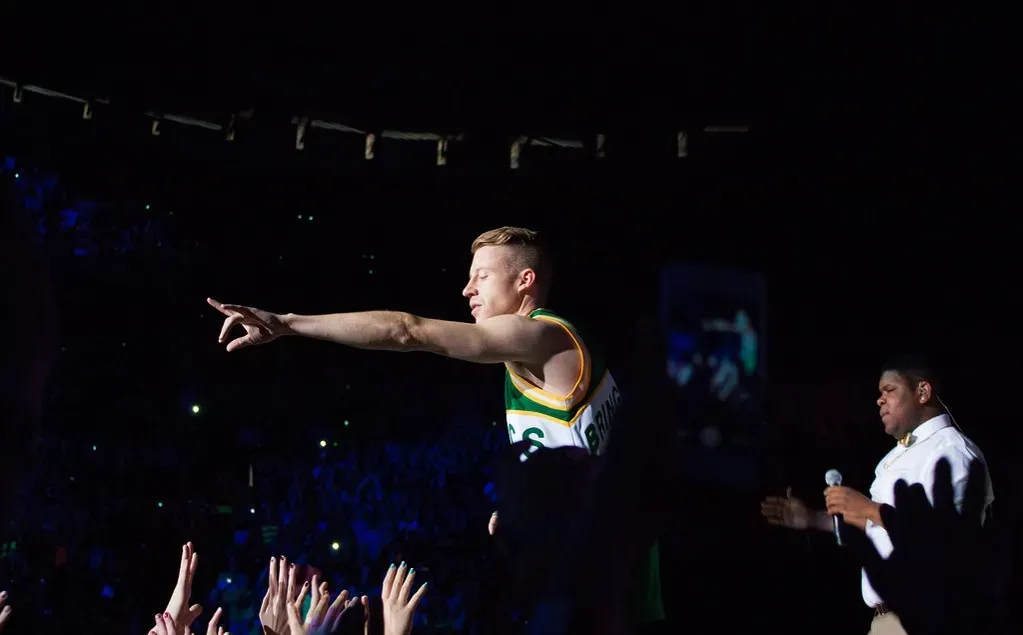
Macklemore and Ryan Lewis self-funded The Heist and released it independently in 2012. It went on to sell millions of copies, produce multiple platinum singles, and win four Grammy Awards – all without a major label deal. That accomplishment had no real precedent in mainstream pop or hip-hop at the time. The conventional wisdom was that you simply could not reach that level without a major label’s distribution and marketing machine behind you.
After years of trying to fit into the traditional music industry, Macklemore and Ryan Lewis decided to go independent, believing they could break through on their own terms. Macklemore rejected label deals because he knew that owning his masters and publishing rights would lead to greater long-term wealth. He became one of the most successful independent artists in the game, with millions in revenue from streaming, touring, and direct-to-fan sales. His story still reads as one of the cleanest arguments for independence the industry has ever produced.
The music industry’s power structure hasn’t collapsed – independent artists often keep roughly eighty to one hundred percent of their streaming revenue compared to the fifteen to twenty percent typical of major deals, which tells you something about why these six artists made the choices they did. Each one found a different exit, a different path, and a different version of what success on their own terms could look like. The money left on the table wasn’t really left at all.