Music has a habit of escaping its creators. A song leaves the studio, lands in the world, and people immediately start hearing their own story in it. That’s not a flaw in how we listen – it’s actually part of what makes music feel personal. The problem arises when that personal reading drifts so far from the original intent that the artist ends up watching their work used for the exact opposite purpose they imagined.
Some of these gaps between intention and interpretation are amusing. Others have genuinely frustrated the people who wrote the songs. A few have turned into decades-long arguments that still haven’t been fully resolved. Here are six well-known songs whose public meanings strayed significantly from what the artist actually had in mind.
“Born in the U.S.A.” – Bruce Springsteen (1984)
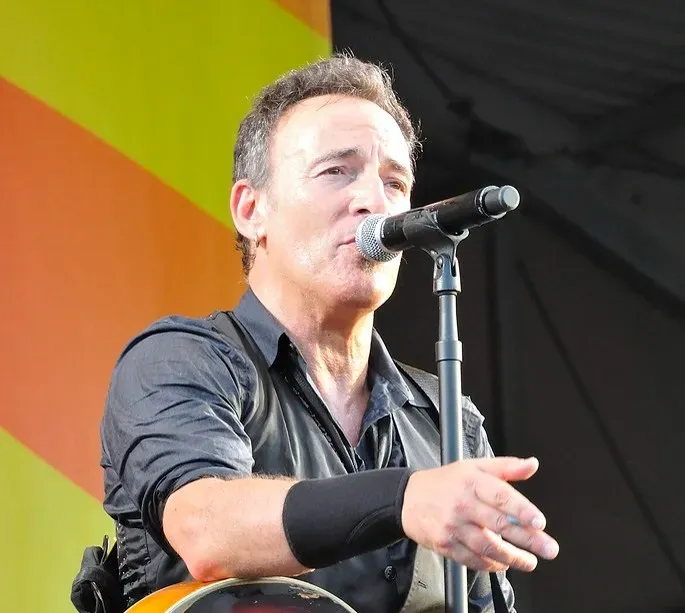
Among all the songs Americans have embraced in ways that reveal who they are, “Born in the U.S.A.” may hold the title for the most historically misunderstood. The song actually highlights disillusionment among Vietnam War veterans and the American working class, with Springsteen intending the hopeful chorus to contrast with verses about hardship and neglect. The driving synthesizer hook and the sheer volume of that chorus made it easy to stop listening after the refrain.
Ronald Reagan was among the first to misrepresent the song’s message, referencing it during his 1984 presidential campaign – even though it’s an explicitly anti-war song that highlights how America failed Vietnam veterans. The lyrics describe a man returning home from Vietnam, having lost a friend in the war, and returning to an America where it’s easier to end up in prison than to get a job at a refinery. Ten years later, he has nowhere to go, and nowhere to run. Springsteen eventually started playing stripped-down acoustic versions of the song on tour specifically to make that darker tone impossible to miss.
“Every Breath You Take” – The Police (1983)

Some couples have used “Every Breath You Take” as their wedding song, but it’s actually far from romantic. This eerie Police track continues to be used in pop culture and everyday life as a signifier of romance, appearing as the soundtrack to TV slow dances and being arranged for weddings by string quartets. The melody is undeniably beautiful, which makes it very easy to let the actual words wash past unexamined.
Sting felt disconcerted after finding out listeners enjoyed the song and thought it was a love song. The track really emphasizes control and jealousy. Sting told The Independent in 1993, “I didn’t realize at the time [I wrote it] how sinister it is. I think I was thinking of Big Brother, surveillance, and control.” The song depicts an obsessive, possessive narrator cataloguing his target’s every movement – not devotion, but surveillance dressed up in a major key.
“Fortunate Son” – Creedence Clearwater Revival (1969)

Creedence Clearwater Revival’s “Fortunate Son” has had an interesting lifespan since its release in 1969. While John Fogerty wrote it as a cleverly coded protest of the Vietnam War, it has had almost the opposite effect – becoming a staple in films set in the jungles of Vietnam, nearly romanticizing the conflict with classic rock nostalgia. The raw, punchy energy of the recording is so physically exciting that many listeners absorb the feeling without processing the fury underneath it.
In his autobiography, Fogerty stated that he wrote the song while thinking about David Eisenhower, President Dwight D. Eisenhower’s grandson and President Richard Nixon’s son-in-law. You’d hear about the son of this senator or that congressman who was given a deferment from the military or a choice position in the military. They seemed privileged and whether they liked it or not, these people were symbolic in the sense that they weren’t being touched by what their parents were doing. They weren’t being affected like the rest of us. The song’s theme of privilege was later misappropriated by Donald Trump’s presidential campaign team, and his use of it at a 2020 rally so enraged Fogerty that he issued a cease and desist order.
Partner offer
“Lucy in the Sky with Diamonds” – The Beatles (1967)
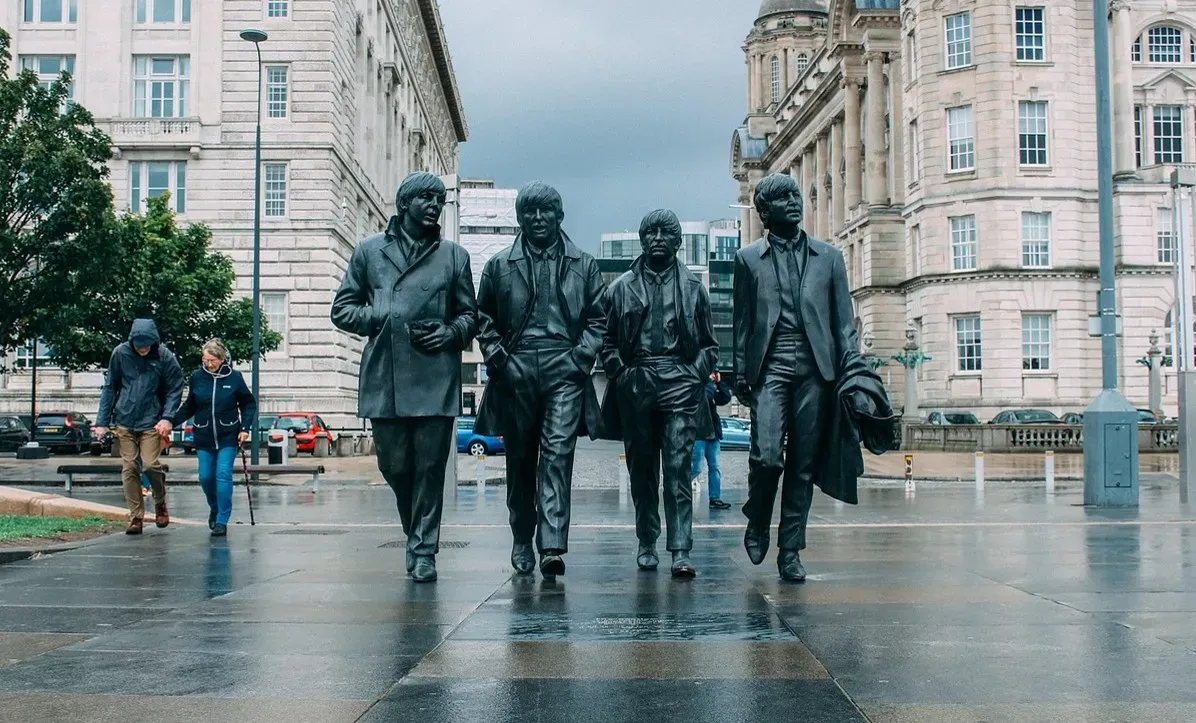
Given the era in which this Beatles classic was released, amid the drugged-out haze of the late 1960s, it’s not hard to figure out why fans latched onto the theory that it was about LSD. The initials of the three title nouns do spell out L-S-D, and the imagery – tangerine trees, marmalade skies, kaleidoscope eyes – seemed to confirm what many people already wanted to believe. It was the perfect rumor for a particular cultural moment.
Lennon routinely dismissed any speculation that the song was drug-influenced, and instead explained that the song was inspired by a drawing his son Julian had done. “It never was [about LSD] and nobody believes me,” Lennon said in a 1971 interview. Lennon consistently claimed that the song was a response to a picture painted by his almost four-year-old son Julian. The oft-repeated story goes that Julian had brought the picture home from school and told his father it was of his friend Lucy, who was up in the sky with diamonds. Lennon’s mind had then wandered toward the Lewis Carroll books he had long admired, and the song was born when he took images from Julian’s picture and combined them with elements of Carroll’s stories.
“Pumped Up Kicks” – Foster the People (2010)

This bubbly, mellow song launched Foster the People to fame. It was dubbed the second-best song of 2011 by Entertainment Weekly and might have been played at your high school dance. Regardless of its cheerful tempo, the subject matter doesn’t match. The lyrics are written from the perspective of a troubled and delusional youth with homicidal thoughts. The lines in the chorus warn potential victims to outrun his gun and that they’d better run faster than his bullet. The whistling hook did a remarkable job of disguising what was actually being said.
Mark Foster told CNN Entertainment in a 2012 interview that he wrote the song when he began reading about the growing trend in teenage mental illness. He wanted to understand the psychology behind it because it was foreign to him, and found it terrifying how mental illness among youth had skyrocketed in the last decade. Foster told Billboard that people filled in the blanks that it was about a school shooting, but he never mentioned a school in the song. He added that it was more about the narrator Robert’s psyche, explaining that the song was about violent things, but it’s a misconception that it’s specifically about a school shooting.
“Who Let the Dogs Out” – Baha Men / Anslem Douglas (2000)

Back in 2000, you couldn’t escape Baha Men’s booming cover of “Who Let the Dogs Out” – it became a staple of sporting events everywhere, a kind of bookend for the Jock Jams era. Almost universally, people treated it as a novelty track about actual dogs, a harmless chant designed to fill arenas. It was everywhere at once, and the interpretation went completely unquestioned for years.
There’s a good chance most of the people chanting the chorus weren’t thinking about the song’s real meaning, crafted by Trinidadian artist Anslem Douglas for his 1998 original. If you pay attention to the lyrics, “Who Let the Dogs Out” has a feminist theme, telling the story of women who stand up against crass catcalling. Douglas told Vice in a 2021 video history of the track, “This is going to be a revenge song where a woman tells men, ‘Get away from me – you’re a dog.'” The song was designed as a sharp rebuke to men who harass women in public – and it spent years being cheerfully sung by the very audience it was criticizing.
What ties these six songs together isn’t bad listening so much as selective listening. Melody reaches us before meaning does, and an irresistible sound can effectively mute the message beneath it. Springsteen, Sting, Fogerty, Lennon, Foster, and Douglas each wrote something specific and considered – then watched the world hear something else entirely. The gap between intent and reception is where some of pop music’s most interesting stories actually live.
Partner offer
Planning a trip to Vegas?
Compare hotel rates and show tickets on VEGAS.com.