There’s a particular kind of pressure that settles over a career once an actor crosses the half century mark. The scripts change, the camera angles get kinder, and the public commentary gets louder. Some habits that once seemed harmless, or even smart, start to look a little different once someone is deep into their fifties and beyond, and a handful of them are worth a second look.
1. Chasing a permanently frozen, filler heavy face
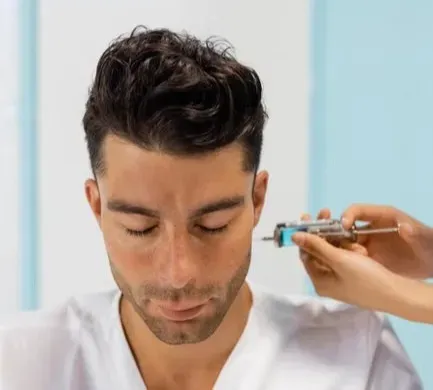
There’s a version of aging in Hollywood that involves smoothing out every line the moment it appears, and it rarely reads as intended on screen. Demand for cosmetic eye work among older male actors has grown noticeably in recent years, with one Los Angeles based surgeon describing a booming trend and noting a rise of roughly half in the number of men coming in to address dissatisfaction with how their eyes look. The results are not always flattering, since a number of high profile male celebrities have emerged from eye procedures with mixed results, often trading rugged looks for a smoothness that reads as more feminine.
The bigger issue is what it does to performance. A face that no longer moves the way it used to limits the tools an actor has, and audiences notice even when they can’t quite name why a scene feels off. Industry commentary from 2025 pointed to a broader shift toward subtlety, with celebrities increasingly prioritizing individualized treatment plans rather than drastic makeovers. That restraint seems like the healthier lane for anyone whose job depends on facial expression.
2. Insisting on doing every single dangerous stunt themselves
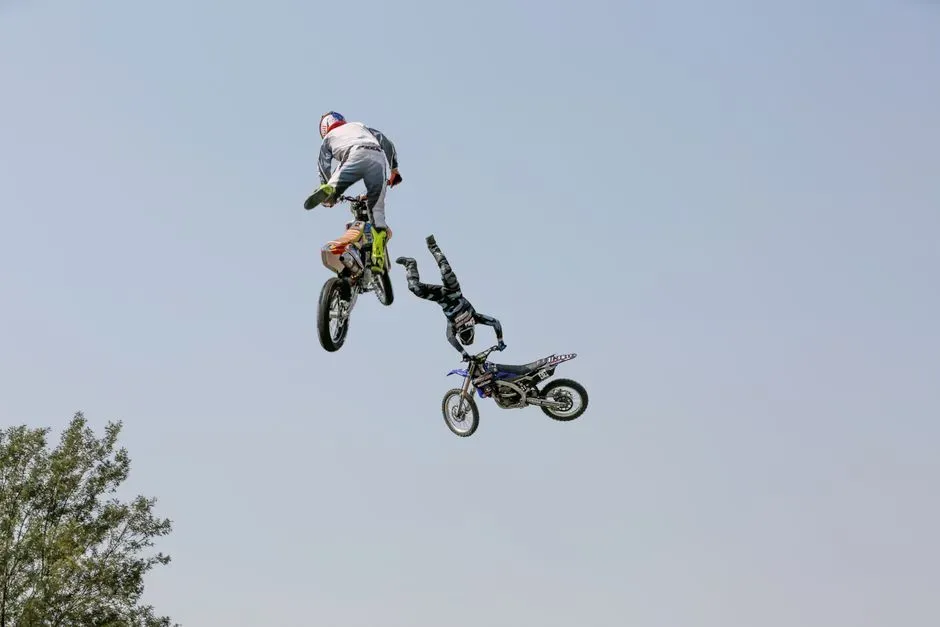
There’s something admirable about a sixty something actor refusing to hand off the hard stuff to a double. It’s also, medically speaking, a bit reckless. Tom Cruise remains the most visible example, since he is known mostly for performing dangerous movie stunts himself and without using doubles, most notably in the Mission Impossible and Top Gun movies, well into his sixties.
Harrison Ford offers a cautionary parallel. He performed stunts for the 2008 Indiana Jones film and was actively doing stunts during Star Wars The Force Awakens to the point that he broke his leg on set, and has also reportedly injured his shoulder during filming of Indiana Jones 5. Jackie Chan, now past seventy, has been candid that everybody gets hurt on the set of fight heavy films, including him, though after over six decades in the industry he has grown accustomed to it. Commitment is admirable, but at some point the body sends a bill that no amount of dedication can cover.
3. Accepting romantic pairings with much younger costars without question

This one cuts in an interesting direction because the pattern is so lopsided. Recent industry data found that in 2024, male romantic leads averaged just over eight years older than their female counterparts across major studio releases. Films like The Idea of You paired a 40 year old Anne Hathaway with a 29 year old Nicholas Galitzine, which at least ran counter to the usual direction of the gap.
Audiences have started calling this out more openly than they used to. Even the newer wave of films flipping the script, such as Babygirl, sits inside a run of releases where several buzzy films featured older women involved with younger men, marking a noticeable shift after decades of the reverse pairing going unquestioned. Actors on either side of fifty might do well to ask why a script needs a partner twenty years their junior before signing on, rather than treating it as a compliment.
Partner offer
4. Refusing to scale back punishing production schedules

Night shoots, back to back stunt sequences, and grueling travel schedules take a different toll after fifty than they did at thirty. Injuries pile up quietly across a career and then arrive all at once. Sylvester Stallone learned this the hard way, since he suffered a number of injuries while performing stunts in the first Expendables film, and Jason Statham had a similarly rough experience when he was involved in a serious accident involving a truck while filming Expendables 3 in 2013.
Daniel Craig’s run as James Bond tells a similar story. Playing the role required full physical commitment, and it caused him to lose teeth and even the tip of his finger, with Craig sustaining multiple injuries on set following the occasional stunt mishap. None of this suggests these actors lack toughness. It suggests that the industry, and the actors themselves, could stand to treat fifty as a genuine turning point rather than a number to power through.
5. Clinging to leading man status instead of shifting into character roles
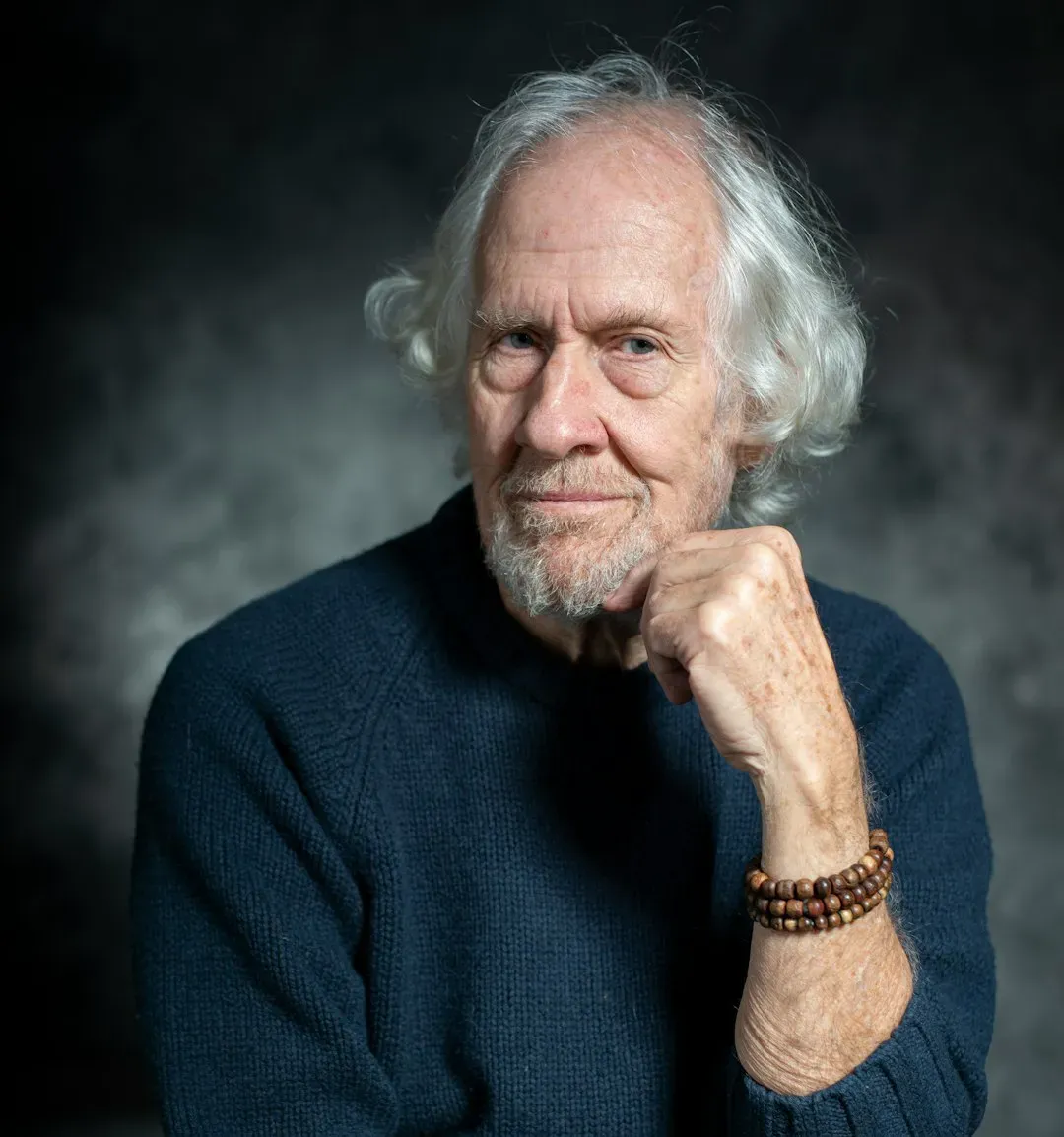
There’s a version of pride that keeps an actor chasing the same kind of role they played at thirty five, long after the story would fit better elsewhere. The actors who have aged most gracefully on screen tend to be the ones who let the roles evolve with them. Stallone is a good example of adaptation rather than resistance, since after studios questioned the bankability of older action leads, he built ensembles of veteran stars in The Expendables and later took mentor roles in Creed that showed audiences would accept legacy characters with age appropriate arcs.
Denzel Washington followed a comparable path, as his career has required navigating expectations that older leading men should slow down, and he has more often been offered authority figures and mentors rather than romantic or exploratory leads. Morgan Freeman built an entire late career phase around this same shift, since he became widely known later than many peers, which made him a frequent target for age typecasting, with offers leaning toward wise counselors in films like The Shawshank Redemption. Fighting that shift usually produces worse work than embracing it.
6. Managing an over filtered, youth chasing public image
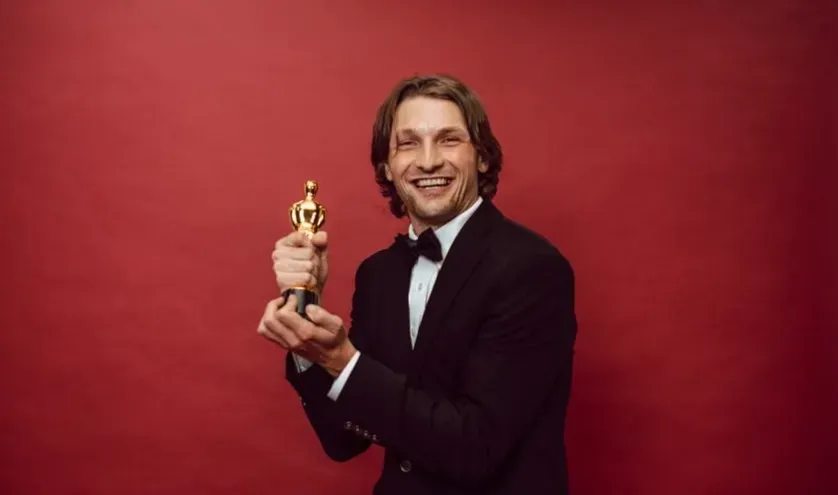
Social media has changed how closely every wrinkle, jawline, or haircut gets examined, and plenty of actors over fifty seem to be playing along rather than stepping back. Industry observers have pointed to the influence of social media and Hollywood’s evolving beauty standards, with platforms creating a culture of visual perfection that pushes celebrities toward treatments meant to keep their appearance flawless on and off screen. The pressure is constant, and it rewards exactly the kind of upkeep that tends to look strange rather than youthful once it’s overdone.
The strange part is that audiences often respond better to actors who look like themselves. Speculation and commentary swirl around nearly every appearance from stars over fifty now, whether they’ve had work done or not, which suggests the scrutiny itself has become the problem rather than the aging. Stepping away from that particular treadmill, rather than trying to win it, tends to serve a long career better.
None of this is about actors disappearing quietly at fifty or pretending age doesn’t exist. It’s closer to the opposite. The performers who seem to age best in this industry are usually the ones willing to let the work, the face, and the roles shift honestly, rather than fighting to freeze a version of themselves that has already moved on.Partner offer
Planning a trip to Vegas?
Compare hotel rates and show tickets on VEGAS.com.