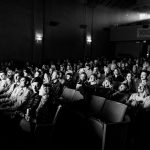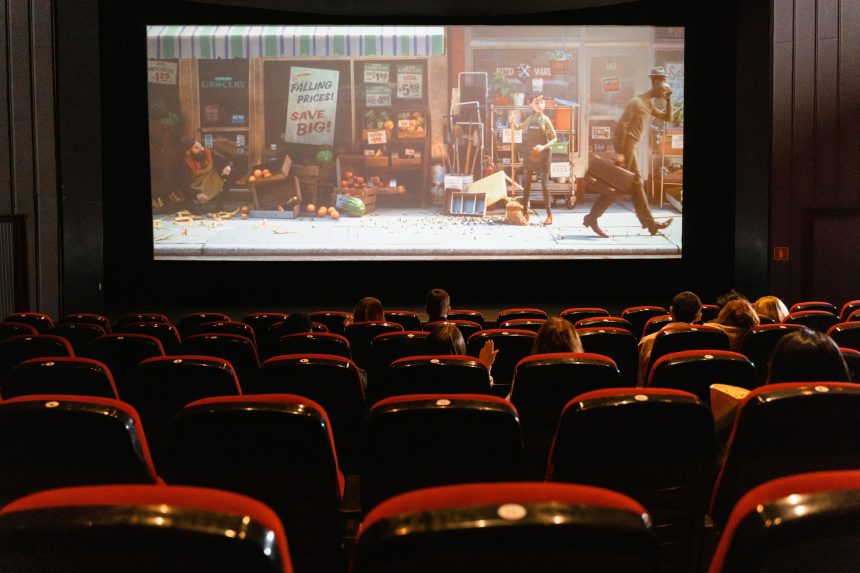
Walk into almost any multiplex today and the routine feels the same everywhere: buy a ticket on your phone, scan a code, sit in an assigned recliner, maybe order snacks from an app before you’ve even parked the car. It’s efficient, quiet, and almost entirely automated. Thirty years ago, the whole experience ran on a completely different rhythm, one built around cash registers, coin slots, and a lot more improvisation than most people remember. Before streaming, before stadium seating, before anyone thought to reserve a seat in advance, going to the movies meant navigating a set of habits and rituals that have since quietly vanished. Some disappeared because of health regulations, others because of technology, and a few simply because the business model that supported them stopped making sense. Here’s a look back at seven of them.
Lighting up right inside the auditorium
For most of the twentieth century, smoking inside a movie theater wasn’t unusual at all, it was expected. The early photoplay houses permitted smoking in some sections, larger theaters permitted smoking in the balcony only, and the grandest theaters such as Radio City Music Hall and the Fox chain also offered elegant smoking lounges featuring plush furniture and fireplaces. By the 1980s that culture was already cracking, but it hadn’t disappeared.
One moviegoer recalling an early 1980s trip to a local British cinema described asking about a no smoking section, only to be told plainly, “No love, you can smoke wherever you like.” Change came gradually rather than all at once. By the mid 1980s, according to one account, theaters shifted to designated non-smoking policies but had smoking rooms, and finally there was no smoking in the theater at all. That slow phase-out meant a whole generation of moviegoers watched blockbusters through a faint haze that nobody thought twice about.
The drive-in as a normal Friday night, not a novelty
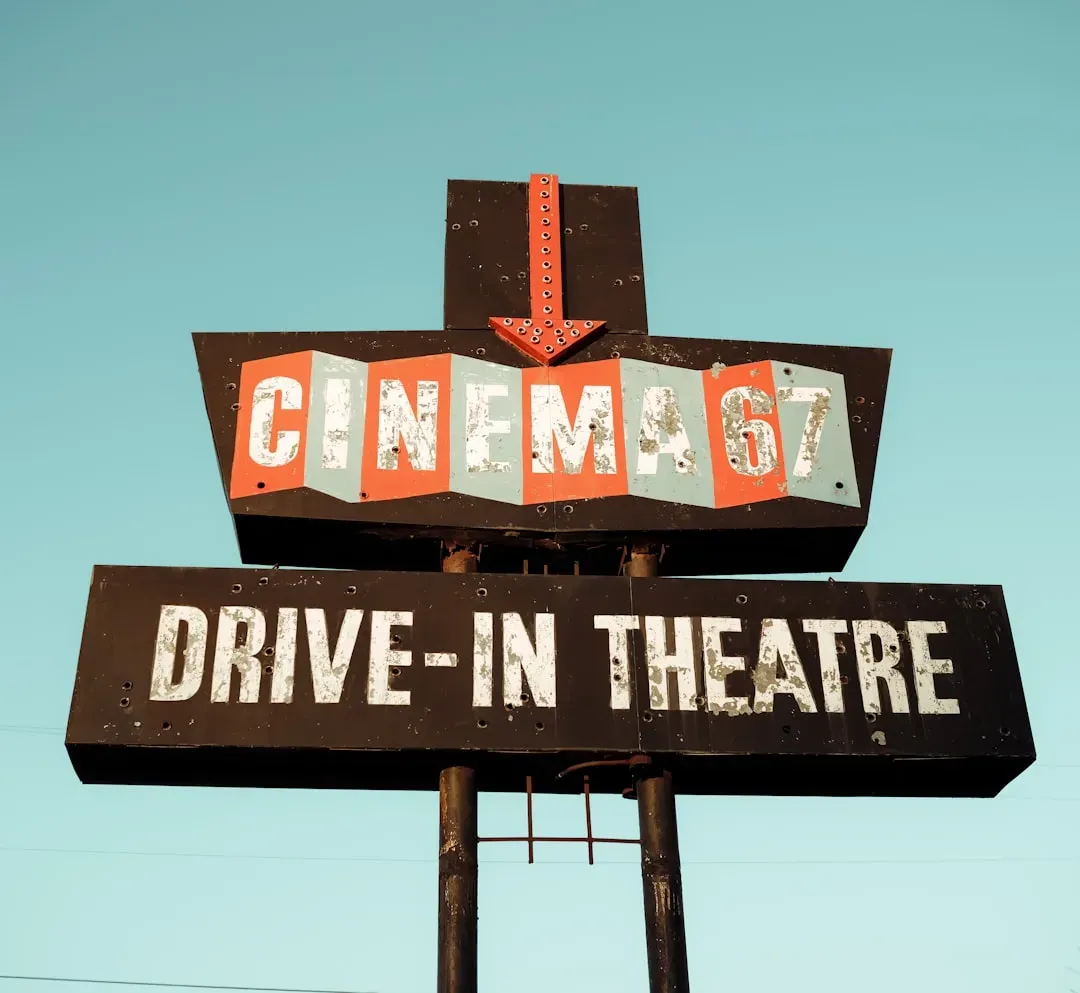
Drive-ins weren’t a retro gimmick in the early 1980s, they were still a real option for families and teenagers looking for a cheap night out. That said, the format was already in serious trouble. By the mid-1980s, the count of drive-ins in America plummeted below 2,000, and by 1989, fewer than 1,000 remained.
The reasons were practical rather than sentimental. The 1980s saw the rise of multiplex theaters offering multiple screens with continuous showings, and these indoor cinemas provided comfort and convenience, including advanced sound systems and air conditioning, which drive-ins couldn’t match. Add in the rise of home video, and VCRs and video rentals arrived in the early 1980s, letting families watch movies comfortably at home, and it’s easy to see why the outdoor screen lost its edge. What was once a coast to coast staple became a shrinking niche almost overnight.
Standing in a real line for a real paper ticket
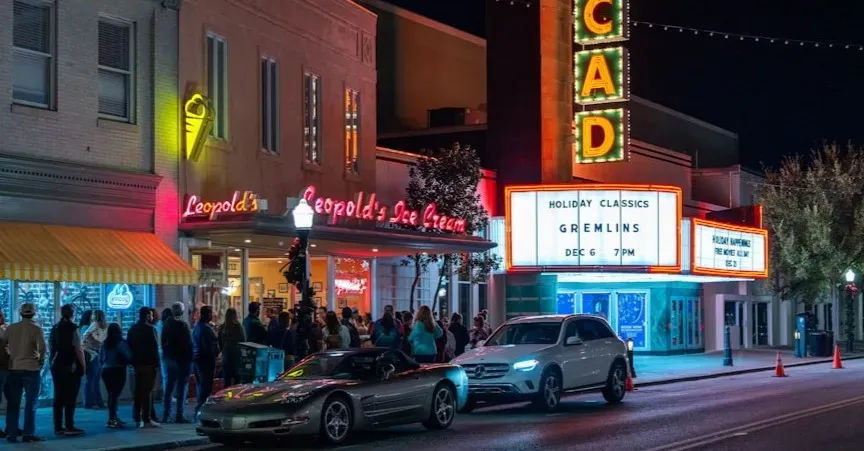
There was no app to check showtimes, no seat map to study in advance, and no way to know if a movie was sold out until you were already standing at the box office window. Getting tickets meant physically showing up, often early, and hoping the line moved fast enough that you didn’t miss the trailers. For a genuinely popular release, that line could wrap around the building, especially opening weekend.
Seating inside wasn’t assigned either, so once you had your ticket the real competition began: finding a decent spot before the good rows filled in. Groups would send one person ahead to hold seats while everyone else grabbed popcorn, a small logistical dance that doesn’t exist anymore now that seats are locked in at the moment of purchase. It sounds minor, but it shaped the whole social rhythm of going to a movie with friends.
The THX trailer that actually meant something
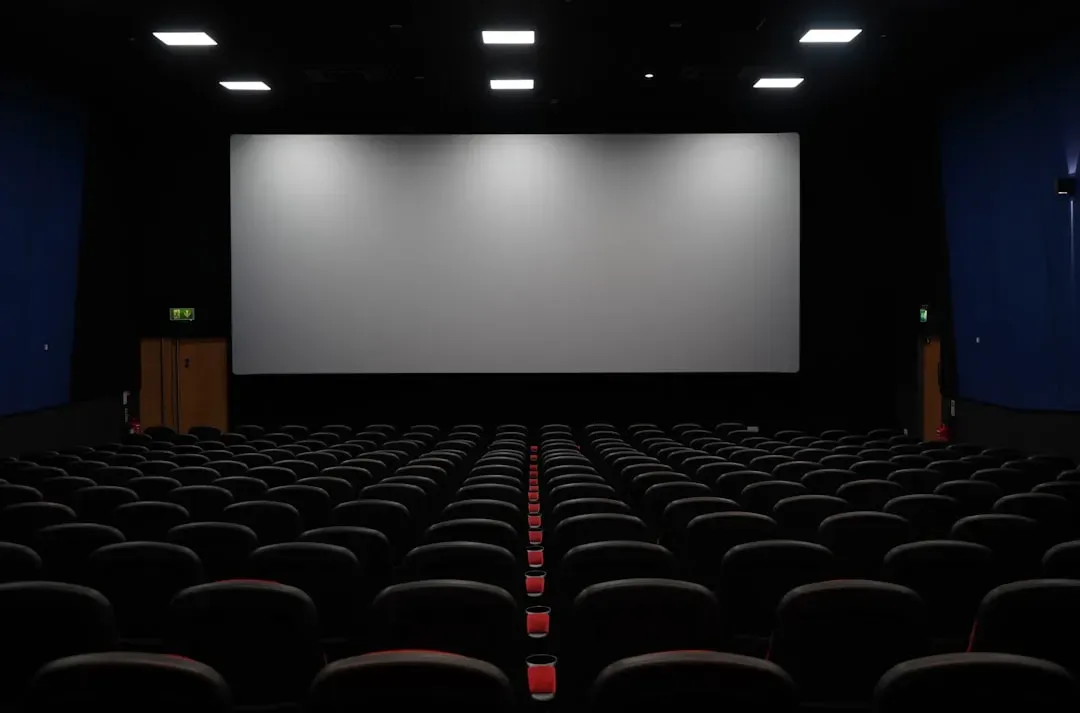
Today a sound certification logo barely registers before the trailers start. In 1983, it was the opposite, and audiences noticed immediately. The first THX certified theaters opened in 1983 with the release of Star Wars: Episode VI, Return of the Jedi, after George Lucas, disappointed by the sonic limitations of movie theaters when the original Star Wars was released in 1977, engaged audio engineers to define technical standards for the immersive experience.
The rollout was small and deliberate rather than instant. For the release of Jedi, Lucasfilm representatives visited around 100 theaters to inspect their technical systems, and four movie houses in the United States would opt to fully install their own THX sound system, becoming the first certified theaters. Hearing that distinctive Deep Note before a film in one of those handful of theaters was genuinely an event, something people would drive across town for. It’s a strange contrast to now, when THX and Dolby branding barely gets a glance.
Partner offer
A coin-operated arcade parked right in the lobby
Before the movie even started, a good chunk of the evening happened a few feet from the concession stand. Lobbies were commonly stocked with cabinets, and the bleeps and bloops from arcade games like Galaga or Joust just off to the side were as much a part of the soundscape as the popcorn machine humming nearby. Kids and teenagers would burn through quarters while waiting for doors to open or for a late friend to show up.
This wasn’t a small side business either. Arcade gaming was a massive industry at the time, and video game arcades were widely described as the “hottest thing walking” in cities across the country during the early 1980s. Theater lobbies leaned into that energy because it kept people, and their spending money, on site longer. Once home consoles caught up in graphics and convenience through the following decade, that particular draw faded fast.
Motorized curtains and the dreaded shout of “Booth!”
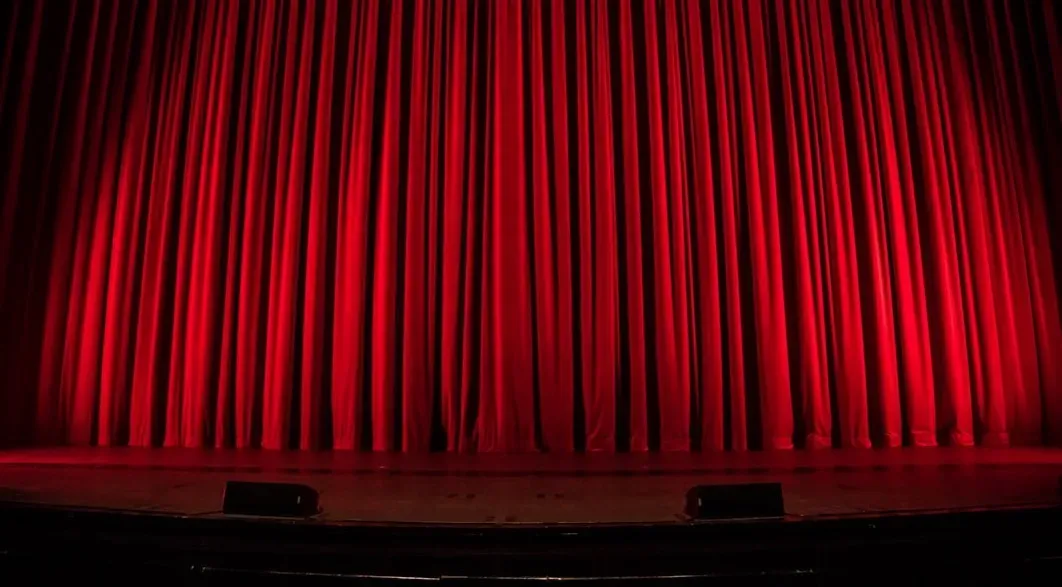
Plenty of 1980s theaters still used physical curtains that opened with an audible mechanical hum right before the trailers rolled, a small theatrical flourish that modern digital projection has no reason to replicate. Real motorized curtains parted with actual drama as the trailers began to roll, and that sound became part of the anticipation of the show starting.
Film prints also broke or slipped out of the projector more often than anyone would like to admit, and when that happened the room reacted the same way every time. The occasional film snapping led to a collective groan and a voice yelling “BOOTH!” It was a shared, slightly chaotic moment that digital files simply don’t produce, since there’s no physical strip of celluloid left to jam or tear.
The single-screen movie palace with just one film a week
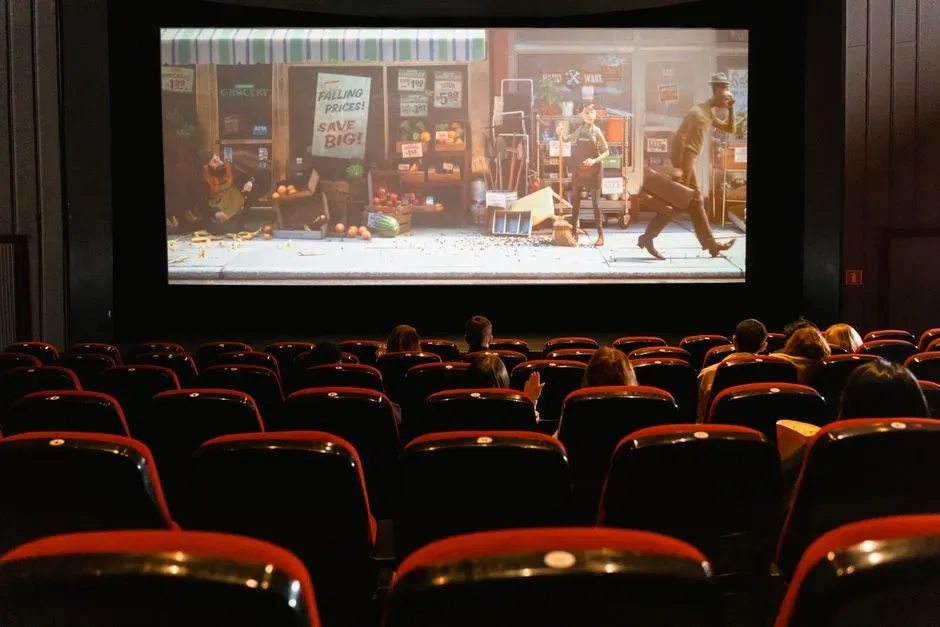
Before multiplexes became the default, plenty of towns had exactly one theater, and that theater showed exactly one movie at a time. If you wanted to see something else, you waited until the following week or drove somewhere farther away that happened to be screening it. There was no picking between eight showtimes across four auditoriums under one roof.
That began changing quickly through the decade as the multiplex model spread. The 1980s saw the rise of multiplex theaters offering multiple screens with continuous showings, and multiplexes became the preferred choice for moviegoers, particularly as they began to be integrated into shopping malls and urban centers. The old single-screen movie palace, with its grand marquee and a single title lit up for the whole week, gradually gave way to something more convenient but noticeably less distinctive.
Popcorn popped the old fashioned way, chemical butter and all
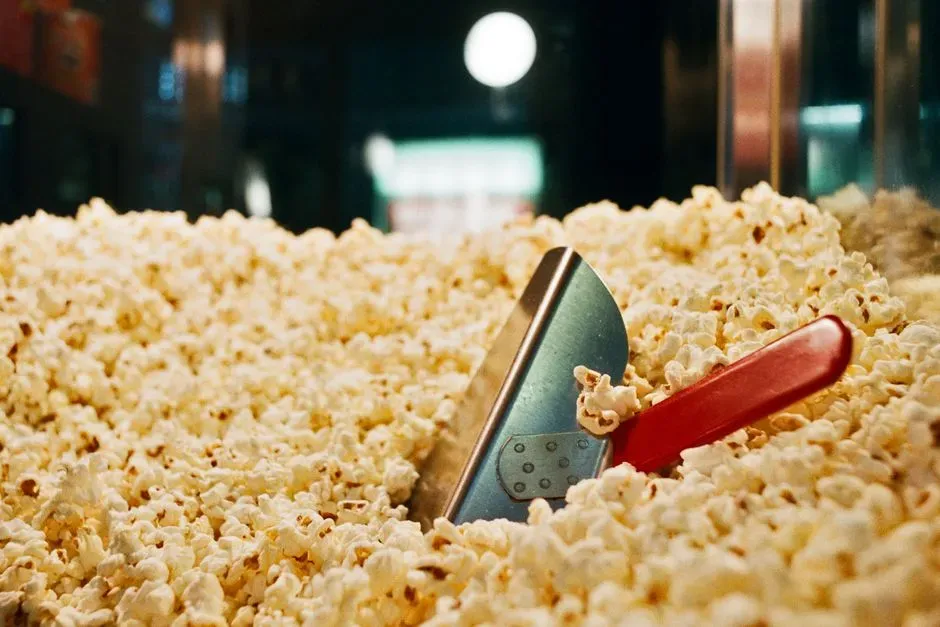
Snack bars in the 1980s weren’t chasing gourmet branding or health conscious labeling. Popcorn was popped fresh in coconut oil and topped with a liquid butter substitute that had little to do with actual dairy, and nobody seemed bothered by that fact. No matter what movie was playing, popcorn was the headliner, and not just any popcorn, but the kind popped in coconut oil, drizzled with a liberal helping of that “butter-flavored topping.”
Candy counters matched that same unpretentious energy, stocked with warmed up boxes of familiar names rather than anything resembling a curated menu. There was no mobile ordering, no loyalty app, no seat-side delivery, just a counter, a short line, and whatever was in the case that week. It wasn’t fancy, but it was consistent, and for a lot of people it’s still the smell that instantly brings the whole decade back.
Partner offer
Planning a trip to Vegas?
Compare hotel rates and show tickets on VEGAS.com.