There’s a particular kind of storytelling magic that happens when a character is designed to make you cringe, and instead ends up making you cancel plans to stay home and finish the season. Writers set the trap, audiences walk straight into it, and somehow the most morally compromised, insufferable, or outright cruel character on screen becomes the one you can’t stop thinking about. It doesn’t happen by accident. It takes precise writing, the right performer, and a willingness to follow a character into genuinely uncomfortable territory.
What follows are six characters who were built to be disliked. Some were intended as pure villains. Others were crafted as cautionary figures or comic irritants. Every single one of them ended up becoming the reason viewers stayed tuned.
Walter White – Breaking Bad
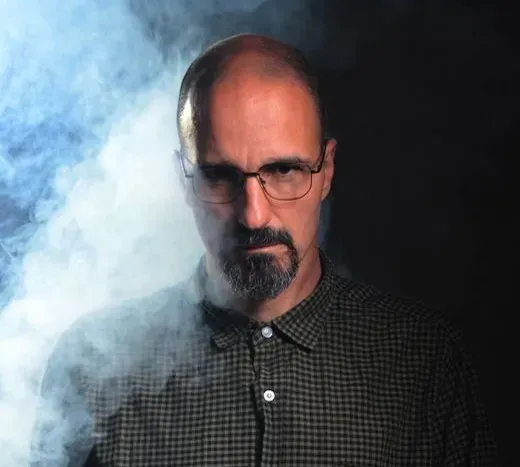
Fans genuinely rooted for Walter White at the beginning of Breaking Bad because he was a father, husband, and working man who had just found out he’d been terminally diagnosed with lung cancer. His transformation from a mild-mannered chemistry teacher to a ruthless drug kingpin showcased the gradual erosion of morality, with his initial noble intentions of providing for his family slowly giving way to ego and power-driven choices. The show never asked you to approve of him. It asked you to understand him, which turned out to be far more dangerous.
One of the most groundbreaking achievements of Breaking Bad was the way it implicated viewers in Walter’s transformation. Early seasons portrayed him as an everyman struggling against a rigged system: an underpaid teacher battling cancer, a father desperate to leave behind something meaningful. Viewers rooted for him because they understood his pain and could imagine making the same hard choices. As Walter’s actions grew darker, audiences were forced into uncomfortable territory. Bryan Cranston’s portrayal of Walter White earned him four Emmy Awards, and audiences watched him transform from a sympathetic everyman to a monstrous villain over five seasons of consistent moral erosion.
Jaime Lannister – Game of Thrones

Beginning as an apparently irredeemable villain who pushed a child from a tower, Jaime’s journey through loss, humility, and honor became one of the show’s most nuanced storylines. Fans loathed him at the start of Game of Thrones for many reasons, his intimate relationship with his sister Cersei being a major one. Right from the get-go, Jaime made it clear that he would do anything to advance House Lannister toward the Iron Throne, including pushing a child out of a window, crippling him for life. There was almost no reasonable case to make for him in season one.
His relationship with Brienne of Tarth served as a catalyst for change, forcing him to confront his past actions and reshape his identity beyond the “Kingslayer” moniker. Jaime’s redemption didn’t come in a single moment or scene. Instead, it happened piece by piece over several seasons, with plenty of backslides. This all served to make Jaime’s arc both more meaningful and more realistic, the sort of person anyone could relate to. His tragic, messy conclusion only deepened how much audiences had invested in him along the way.
Negan – The Walking Dead
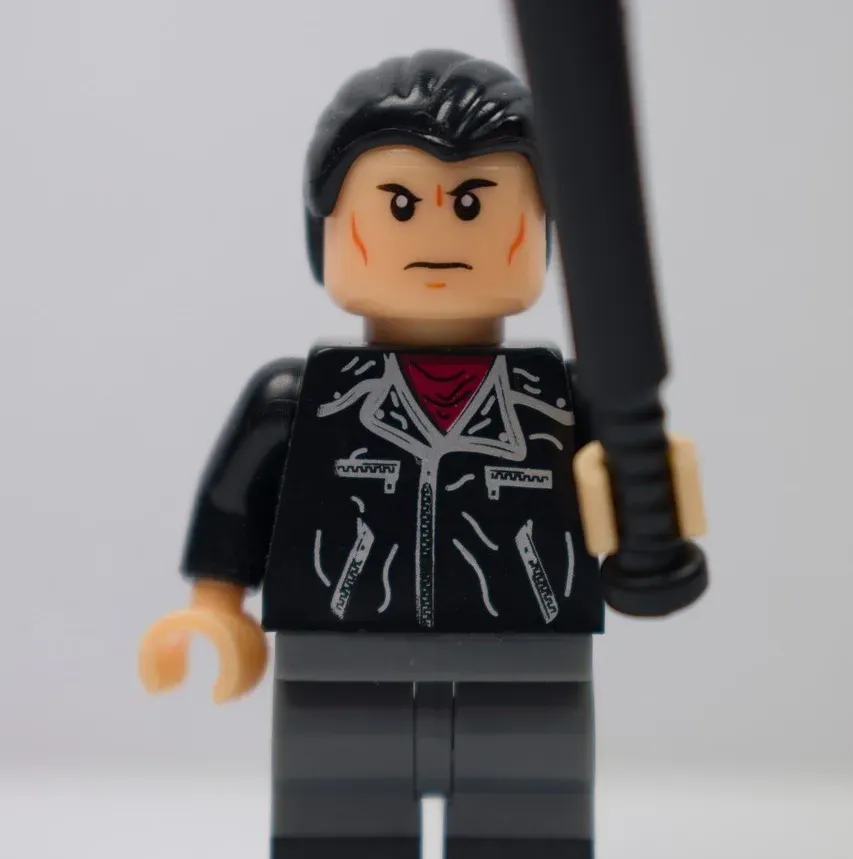
Introduced in The Walking Dead season 6, Negan was nothing more than a sadistic bat-wielding antagonist, but over time, he slowly evolved from a total villain into somewhat of an antihero with redeeming qualities. Negan first appeared at the end of Season 6, making him instantly horrific when he killed fan favorites Abraham and Glenn. However, his charismatic and quirky personality quickly won viewers over. By the time he became a redeemed villain turned reluctant hero in Season 9, audiences were ready to embrace him as a main character in the franchise.
Many of his past sins are unforgivable, but that hasn’t stopped viewers from being highly invested in this intriguing character. With the help of Jeffrey Dean Morgan’s superb performance, Negan breathed new life into The Walking Dead and became popular enough to earn his own spinoff, The Walking Dead: Dead City. The Season 10 finale finally let audiences dive deeper into Negan’s backstory, revealing that before the zombie outbreak, Negan was a high school gym teacher married to a woman named Lucille. That backstory changed everything. It didn’t excuse him. It just made him human.
Partner offer
Barney Stinson – How I Met Your Mother

While initially unlikable at the beginning of How I Met Your Mother, Barney Stinson was the friend you love to hate. He was habitually callous and often treated women terribly, going so far as entering womanizer territory. Of all of Ted’s friends, he was very easily the least likeable, though funny at times. His pickup artistry and casual cruelty were designed to be repellent, the kind of behavior the show held at arm’s length, at least initially.
Only after an intense amount of character development does Barney come around. Fans grew to love him due to his loyalty to his friends and eventual deeper growth. He becomes emotionally vulnerable, especially in his relationship with Robin. He feels very real as a character, and fans connect with Barney as he learns to be a better person. Neil Patrick Harris’s comic timing turned what could have been a one-note creep into the emotional center of a show that was supposedly about someone else entirely.
Spike – Buffy the Vampire Slayer

Starting out strong in the show as an actual villain, many fans could not see an ending where Spike ended up being a good guy, or at the very least an antihero. That is exactly what happened as Spike’s relationship with Buffy became more complex throughout the seasons. Scheduled to die after just a few episodes, Spike’s chemistry with the cast saved his life. His punk rock attitude and British accent made him stand out among generic vampire villains. Viewers loved his sarcastic humor and complicated feelings about being evil.
The writers rewrote entire storylines to keep him around season after season. His romance with Buffy became one of the most controversial and discussed relationships in TV history. Spike evolved from villain to anti-hero to genuine hero throughout his journey. Even though Buffy ended up with Angel, that didn’t make Spike’s redemption arc less impactful. He spent the end of the show putting up a fight for his soul, and that was very inspiring for fans, making him a favorite.
Richie Jerimovich – The Bear

The Bear takes audiences to the kitchen of a Chicago sandwich restaurant. The series largely centers around Carmy, a fine dining chef who shows up to take over his late brother’s casual dining establishment with an initially rough kitchen crew that includes his honorary “cousin,” Richie. In Season 1, Richie was constantly antagonistic to Carmy and Sydney, the sous chef. He was loud, resistant to change, and often the most exhausting person in the room. The show gave viewers little reason to root for him early on.
In Season 1, Richie was quite simply a jerk, filled with arrogance and a total disregard for his fellow teammates and others around him. By Season 3, his character had gone through quite the redemption arc that had everyone rooting for him and showed that The Bear was more than just a show about a restaurant. Ebon Moss-Bachrach’s Season 2 standalone episode, in which Richie stages at a fine dining restaurant and begins to see the world differently, became one of the most praised hours of television in recent years. The writers took the character audiences most wanted to walk away from and turned him into the beating heart of the whole series.
What connects all six of these characters isn’t a formula. It’s something subtler: each one was given an interior life that audiences eventually earned the right to understand. Being unlikeable, it turns out, isn’t the obstacle to great television. It’s often the starting point.
Partner offer
Planning a trip to Vegas?
Compare hotel rates and show tickets on VEGAS.com.