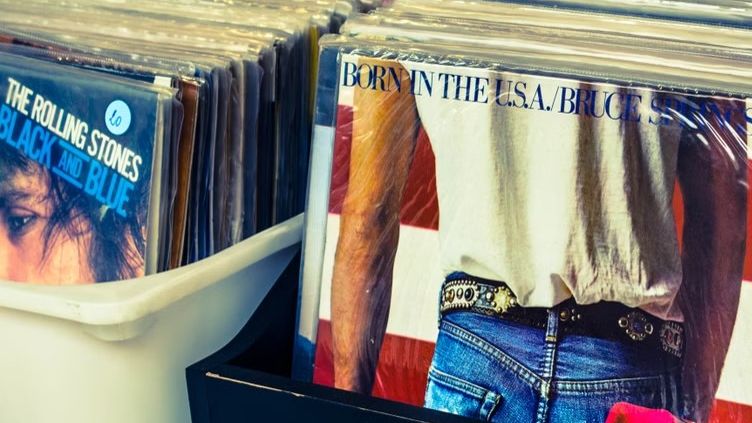
There’s a strange pattern that keeps repeating itself throughout music history. An album lands, critics sharpen their pens, and the verdict comes back harsh. Too raw. Too weird. Too different. Too much. Then, somehow, a decade passes and those same records end up in “greatest of all time” lists, their influence so deeply embedded in the culture that it becomes impossible to imagine music without them.
The albums below didn’t just survive bad reviews. They thrived despite them, quietly shaping the sound, language, and identity of entire generations while the critics were still writing them off. Some took years to find their audience. Others found it immediately, just not in the places anyone was looking.
Led Zeppelin – Led Zeppelin I (1969)

Rolling Stone famously tore apart Led Zeppelin’s 1969 debut, calling Jimmy Page a limited producer and writer of weak songs, while dismissing Robert Plant as a pale imitation of Rod Stewart. British publications joined the pile-on, with critics across the pond equally unimpressed by the band’s shift from blues to hard rock. The attacks were remarkably personal for a debut record from a band that hadn’t yet had the chance to disappoint anyone.
Fans ignored the critics entirely, pushing the album to number 10 on the Billboard 200 and eventually getting it inducted into the Grammy Hall of Fame. The album defines rock music of that era in many ways, but maybe some distance was required before that could be fully appreciated. It is now regarded as the blueprint for hard rock and heavy metal, and the critical mauling it received at release reads today as one of the more spectacular misjudgments in music journalism history.
The Velvet Underground & Nico – The Velvet Underground & Nico (1967)
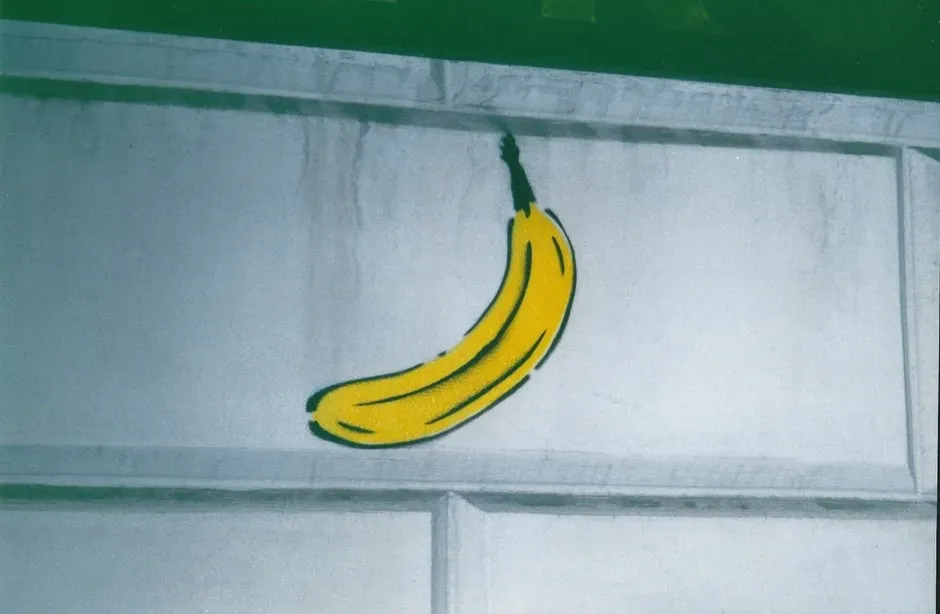
Due to its abrasive, unconventional sound and controversial lyrical content, the album underperformed commercially and polarized critics upon release. Various record stores banned the album, many radio stations refused to play it, and magazines refused to carry advertisements for it. On the rare occasion it was even reviewed, it was called “dull and repetitive” and “pretentious to the point of misery,” and only sold around 30,000 copies in its first five years.
Brian Eno famously stated in 1982 that while the album only sold approximately 30,000 copies in its first five years, “everyone who bought one of those 30,000 copies started a band.” Artists such as David Bowie and Patti Smith, along with bands like Joy Division, R.E.M., and Sonic Youth, all had their now distinct sounds shaped by this record. Pitchfork later ranked the debut as the best album of the 1960s, towering over critically acclaimed giants like Abbey Road, Blonde on Blonde, and Pet Sounds.
The Rolling Stones – Exile on Main St. (1972)
The Stones’ sprawling double album got a pretty lukewarm reception when it landed in 1972. Critics found it messy and unfocused, especially compared to their earlier albums. Recorded in the dank basement of Keith Richards’ French villa while they were essentially hiding from British tax collectors, the album’s murky production and wild genre-hopping between blues, country, rock, and soul left both reviewers and fans scratching their heads.
What is now considered its greatest strength, that raw, unpolished sound, was seen as its biggest flaw back then. Over time, people started to appreciate its gritty authenticity and genre-blending approach as capturing the very essence of rock and roll. This album aged like fine wine, and its diverse musical explorations were later recognized as ambitious and innovative, making it a landmark in the band’s discography. It is now considered the 9th greatest album ever by Acclaimed Music.
Black Sabbath – Black Sabbath (1970)
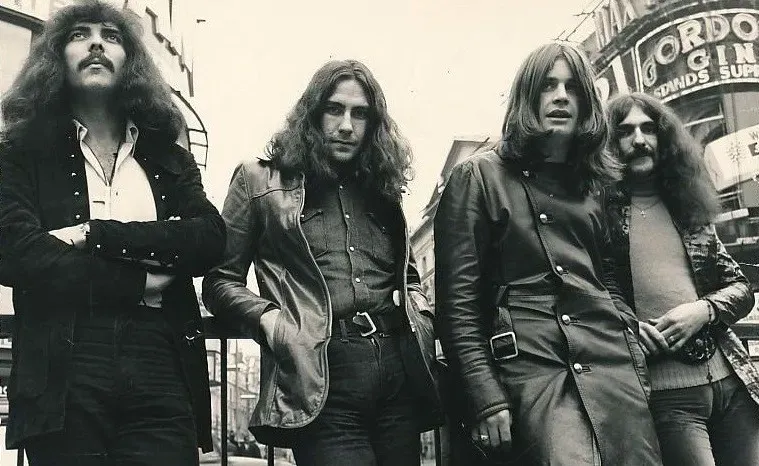
Black Sabbath is an album now considered one of the most legendary pioneering heavy metal albums of all time, and yet it was met with overwhelmingly negative reviews from critics when it first dropped. Some called it the “worst of the counterculture.” Critics called the approach amateur and couldn’t see past the dark, ominous tone that made the album revolutionary.
Over time, the album’s distinctive sound and ominous tone were recognized as truly innovative, earning it a place in music history. Black Sabbath essentially invented heavy metal with this record, but reviewers at the time were too busy clutching their pearls to notice they were witnessing the birth of an entire genre. The band peaked at number eight in the UK charts despite the critical hostility, carried entirely by an audience that understood something the press entirely missed.
Partner offer
Weezer – Pinkerton (1996)

After their massively successful Blue Album debut, Weezer took a darker, more personal turn with Pinkerton, and critics and fans alike absolutely trashed it when it came out in 1996. Rolling Stone readers voted it the third worst album of the year, and the backlash hit frontman Rivers Cuomo so hard that he publicly called the record “a hideous mistake.” Initially, the raw emotion and vulnerability led to harsh reviews and disappointing sales.
Fourteen years after its release, the album finally received the recognition it deserved, with fans validating an album that had been a source of pain for Cuomo. By 2002, Rolling Stone readers voted it the 16th greatest album of all time, and Pitchfork later gave it a perfect score. That complete reversal of fortune is almost unmatched in rock history. An album that nearly broke the artist who made it became the very record that defined emo for a generation.
David Bowie – “Heroes” (1977)
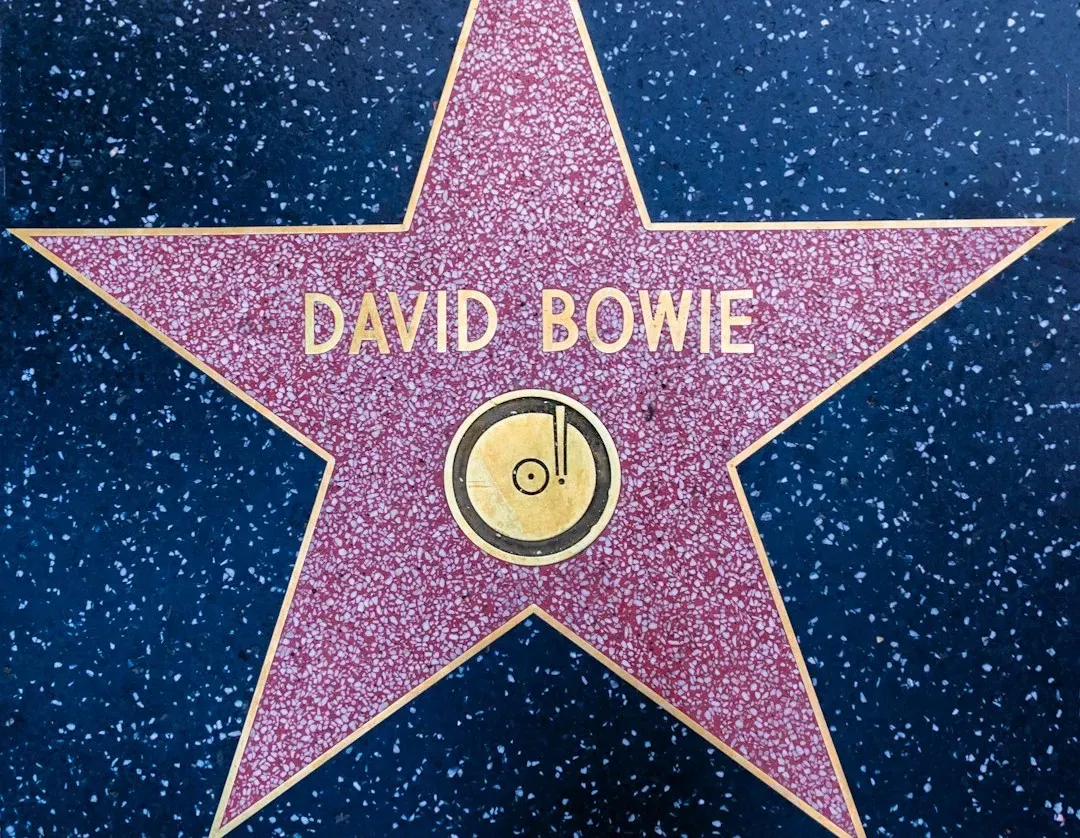
Rolling Stone criticized the experimental second side of this 1977 album, finding parts of the first side more tolerable but overall dismissing Bowie’s venture into electronic and ambient music. Critics felt the album went over their heads, unable to connect with Bowie’s refusal to be pigeonholed. Words like “inaccessible,” “hermetic,” and “too much electronics” were thrown around by critics at the time.
They later realized that one of the greatest musical shapeshifters in rock was never standing still and that innovation and novel thoughts were his mode of operation, as this turned out to be another Bowie classic. The album’s title track became one of the most beloved songs in rock history, and its influence on synth-pop, post-punk, and electronic music proved far more enduring than any of the negative notices it received. Distance, as it often does, transformed criticism into reverence.
N.W.A – Straight Outta Compton (1988)
One critic felt experiencing this 1988 album was comparable to listening to an endless fight next door, while another dismissed it as lightweight with regressive nonsense content. The raw, unapologetic portrayal of life in Compton made critics deeply uncomfortable, and they responded by dismissing the entire project. It wasn’t quite the first gangsta rap album, but it was the first one to find a popular audience, and its sensibility virtually defined the genre from its 1988 release, establishing West Coast rap as a commercial force and going platinum with no airplay.
In 2016, it became the first rap album inducted into the Grammy Hall of Fame, and in 2017 it was added to the Library of Congress’ National Recording Registry for being “culturally, historically, or aesthetically significant.” It gave a voice to a generation of young Black Americans who felt ignored and marginalized by mainstream society. The critics who dismissed it in 1988 were essentially documenting their own cultural blind spots for posterity.
Queen – Jazz (1978)

The Chicago Tribune, Rolling Stone, and the Village Voice all panned Queen’s 1978 album Jazz. Famous for yielding classic Queen songs like “Bicycle Race,” “Fat Bottomed Girls,” and “Don’t Stop Me Now,” Jazz was trashed by Rolling Stone so badly that critic Dave Marsh even went as far as calling Queen “the first truly fascist rock band.” Critics seemed to have a particularly low opinion of Queen at the time, with one reviewer labeling the band as fascists.
Jazz has since become a beloved entry in Queen’s catalog, with its songs remaining radio staples decades later. The criticism didn’t age well, but the music certainly did. The songs from this record never left mainstream radio, cycling through commercials, sports arenas, and films for nearly five decades. The gap between what critics wrote at the time and what audiences chose to keep playing is about as wide as any in rock history.
What ties these eight records together isn’t just bad timing or stubborn critics. It’s the fact that each one arrived speaking a language that hadn’t fully been invented yet. The reviews failed not because the critics were careless, but because the music was genuinely ahead of the cultural conversation. Initial reactions often say more about the moment than the music itself. What sounds difficult or challenging on a first listen can become essential and influential given enough time. That’s perhaps the most honest takeaway from all of it: the most lasting records rarely arrive pre-approved.
Partner offer
Planning a trip to Vegas?
Compare hotel rates and show tickets on VEGAS.com.