Movies rarely arrive on screen exactly as they were written. Somewhere between the first table read and the final cut, endings get rewritten, reshot, or thrown out entirely, often because of a single bad test screening. What’s surprising is how many beloved films almost ended in a completely different way, sometimes darker, sometimes just plain stranger than what audiences eventually saw. Below are seven well documented cases where the finale audiences remember was not the one filmmakers originally intended. Each one shows how test screenings, studio pressure, or a change of heart on set reshaped a story’s final moments.
1. Fatal Attraction (1987)
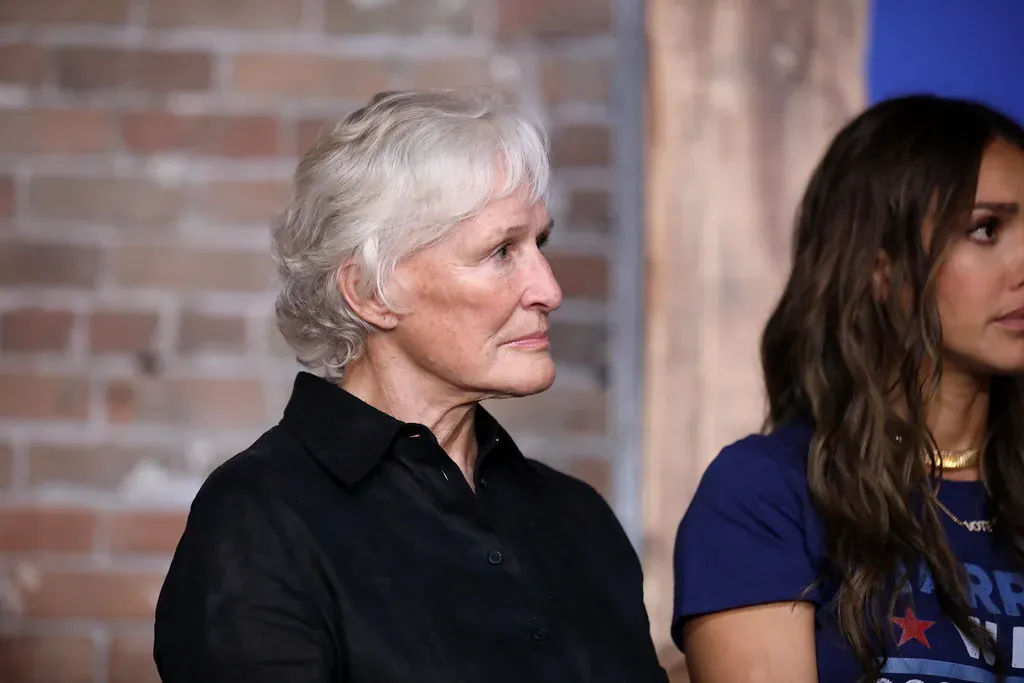
Before it became famous for its bloody bathtub climax, Fatal Attraction ended on a much quieter, sadder note. Test audiences didn’t like the original ending, which featured Alex taking her own life and then framing Dan for her murder, ensuring his fingerprints were on the knife so police would charge him with the crime. The scene even echoed the opera Madama Butterfly, a detail Alex was shown watching earlier in the film.
When test screenings turned hostile, director Adrian Lyne faced a difficult choice. During production, that ending felt right to Lyne and the creative team, but when they saw the film cut together, it quickly became a concern, with the last twenty minutes falling flat. Glenn Close initially refused to shoot the replacement, believing the suicide made Alex a more tragic and human figure, but the studio pushed through with the now iconic confrontation ending instead.
2. Pretty Woman (1990)
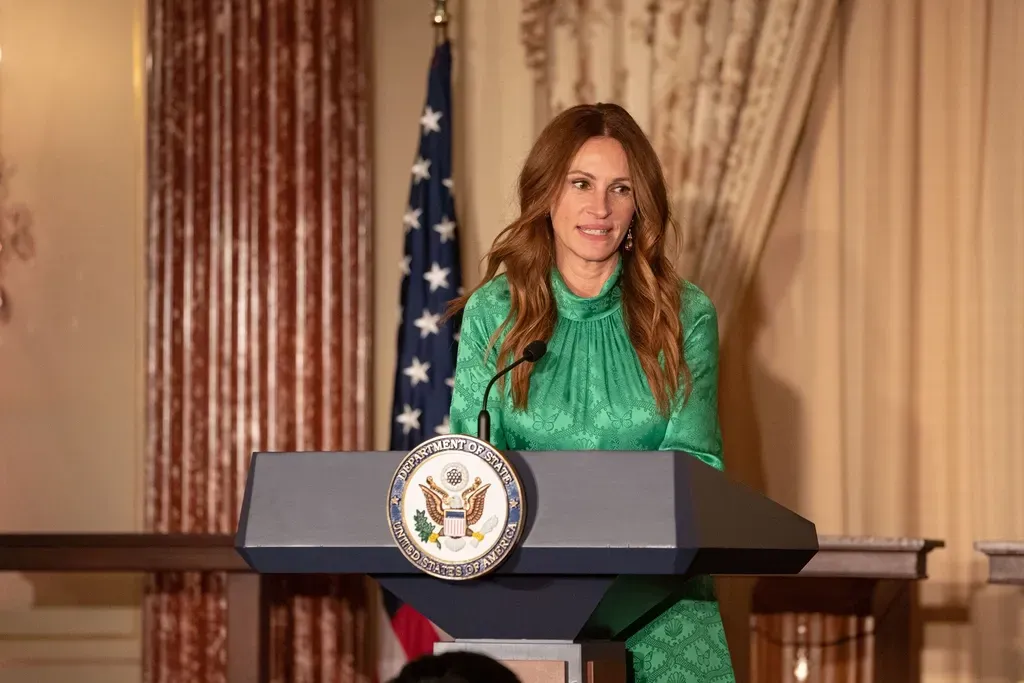
It’s hard to imagine Pretty Woman without its fairy tale fire escape finale, yet the film’s earliest script had almost nothing romantic about it. The original script, titled 3000, had Edward throw Vivian out on the street with three thousand dollars. She then gathers the money and decides to take her friend Kit to Disneyland instead.
Julia Roberts later described the scene from that draft in blunt terms, recalling that Gere’s character tossed the cash on top of her and simply drove off. Director Garry Marshall and the studio reworked the material into the softer, more hopeful story audiences know today, trading a bleak commentary on sex work for a modern Cinderella story. It ended up becoming one of the most successful romantic comedies of its era.
3. First Blood (1982)
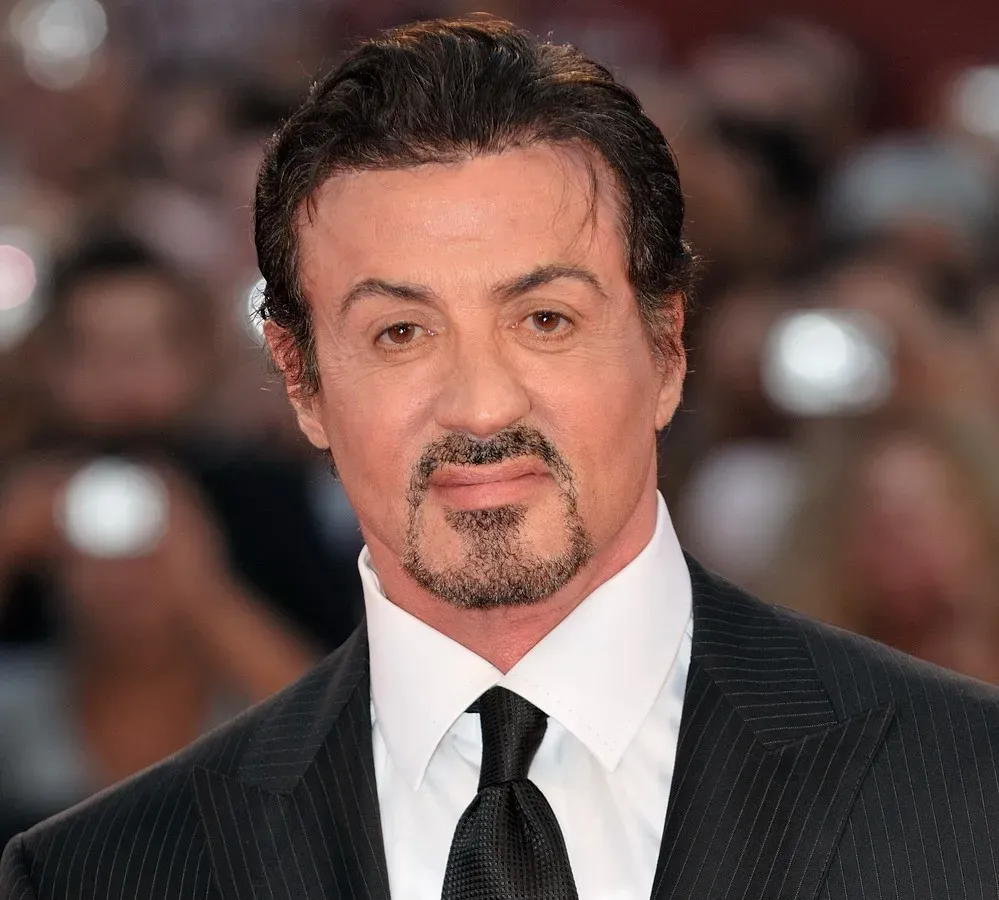
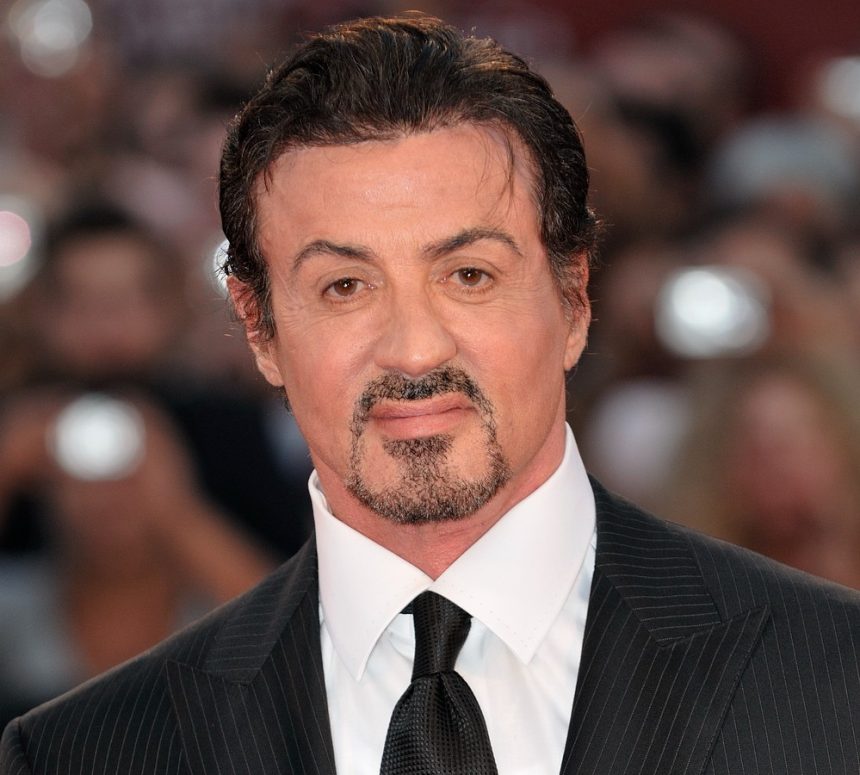
John Rambo was never supposed to survive his own origin story. The powerful final confrontation audiences remember was not the original ending, as after running circles around the police, Rambo was meant to die by suicide. Director Ted Kotcheff conceived the film as Rambo’s tragedy, mirroring the real experiences of veterans he had spoken with who later took their own lives.
Stallone reportedly pushed back hard against that finale after filming it, feeling it didn’t sit right with the character he had built. The scene was scrapped in favor of Rambo surviving his standoff with Colonel Trautman, a change that opened the door to four sequels and turned Rambo into one of the defining action heroes of the eighties.
4. I Am Legend (2007)
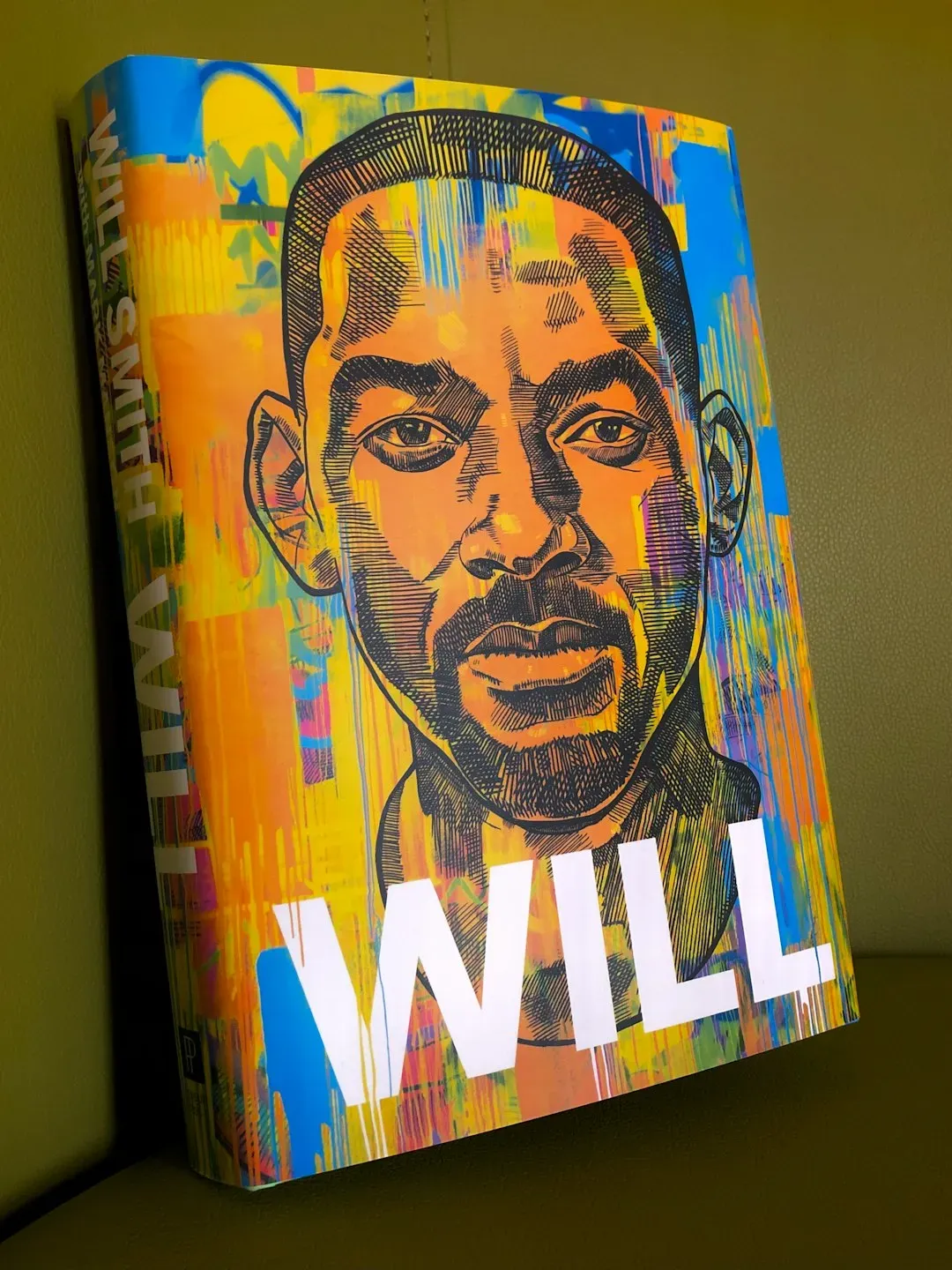
Will Smith’s post apocalyptic thriller originally stayed much closer to Richard Matheson’s source novel. The original ending showed Robert Neville discovering that the Darkseekers were trying to survive just like humans, realizing he might be the monster in their eyes and letting them go. That twist gave the title its full meaning, framing Neville as the legendary threat rather than the hero.
Partner offer
Test audiences did not respond well to that ambiguity. A test screening had a couple hundred people fill out feedback forms with five rating options, and the top two boxes only fetched fifty one percent of the votes, the lowest score of Smith’s career. The filmmakers changed the ending so Neville sacrifices himself to save Anna and her son, then had to reshoot the sequence just six weeks before release.
5. Little Shop of Horrors (1986)

Frank Oz’s musical adaptation originally followed the stage show’s grim conclusion rather than a Hollywood happy ending. The original ending stayed closer to the stage musical by having Audrey II win, eating both Audrey and Seymour, and then proceeding to take over the world. The sequence even featured apocalyptic shots of the plants conquering entire cities.
It played well on stage, where actors take a bow after the curtain falls, but on film it landed very differently. Preview audiences hated the ending while loving everything that came before it, so Frank Oz and screenwriter Howard Ashman rewrote the finale so that Audrey and Seymour would survive. The darker original ending was eventually restored for home video and limited theatrical rereleases decades later, giving fans a chance to see what almost was.
6. Blade Runner (1982)
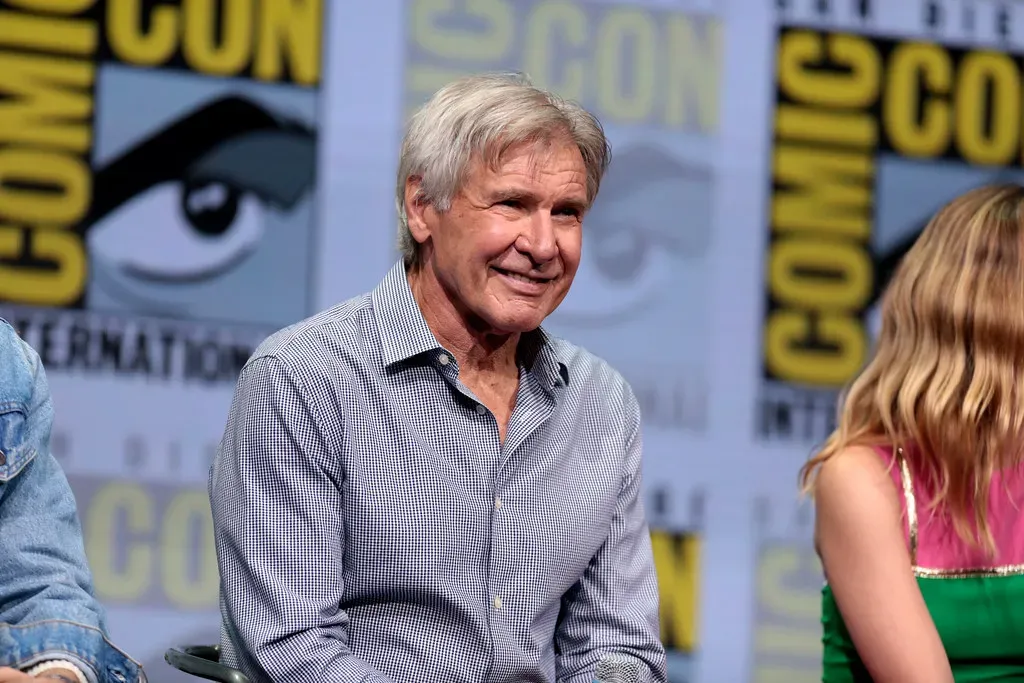
Ridley Scott’s neo noir classic has one of the most tangled release histories in Hollywood, largely because of its ending. Scott was forced to include an ill fitting happy ending along with a voiceover from Harrison Ford to appease producers for the theatrical release. That softer conclusion, showing Deckard and Rachael driving off into open countryside, clashed with the film’s moody, ambiguous tone.
Years later, the studio reconsidered. Positive audience response to unauthorized screenings of an earlier workprint in Los Angeles and San Francisco pushed the studio to approve work on an official director’s cut. The 1992 Director’s Cut and later Final Cut removed the voiceover and the tacked on happy ending, restoring the more uncertain, unresolved finish Scott had wanted from the start.
7. Clue (1985)
Clue took an unusual approach to its ending problem: rather than picking one, the filmmakers used all three. The board game adaptation was released in theaters with three different conclusions, each revealing a different killer among the film’s ensemble cast, with individual theaters randomly assigned one version to show.
Audiences at the time had no way of knowing which ending they’d get until the credits rolled, turning a simple whodunit into a genuine gamble. When Clue arrived on home video, all three endings were included back to back, letting viewers see every possible solution to the mystery. What started as a marketing gimmick to encourage repeat viewings has since become one of the film’s most talked about features among comedy fans.
These seven films are a reminder that a story’s ending is rarely fixed until the very last stage of filmmaking. Test audiences, studio notes, and even an actor’s gut instinct can reshape a finale right up until release, sometimes for the better and sometimes leaving behind an alternate version that fans still argue about decades later.Partner offer
Planning a trip to Vegas?
Compare hotel rates and show tickets on VEGAS.com.