There’s something quietly unsettling about the way fame works in literature. The writers whose names now fill university reading lists and whose books outsell almost everything on the shelf were, in many cases, the same people who died broke, rejected, or simply invisible to the world around them. The gap between how they lived and how they’re remembered today is often enormous.
These six writers share something more than posthumous celebrity. They shared the experience of writing in the dark, without recognition, without financial stability, and in some cases without the will to keep going. Their stories are a reminder that the literary world has always been better at honoring the dead than supporting the living.
1. Franz Kafka – The Man Who Wanted His Work Burned
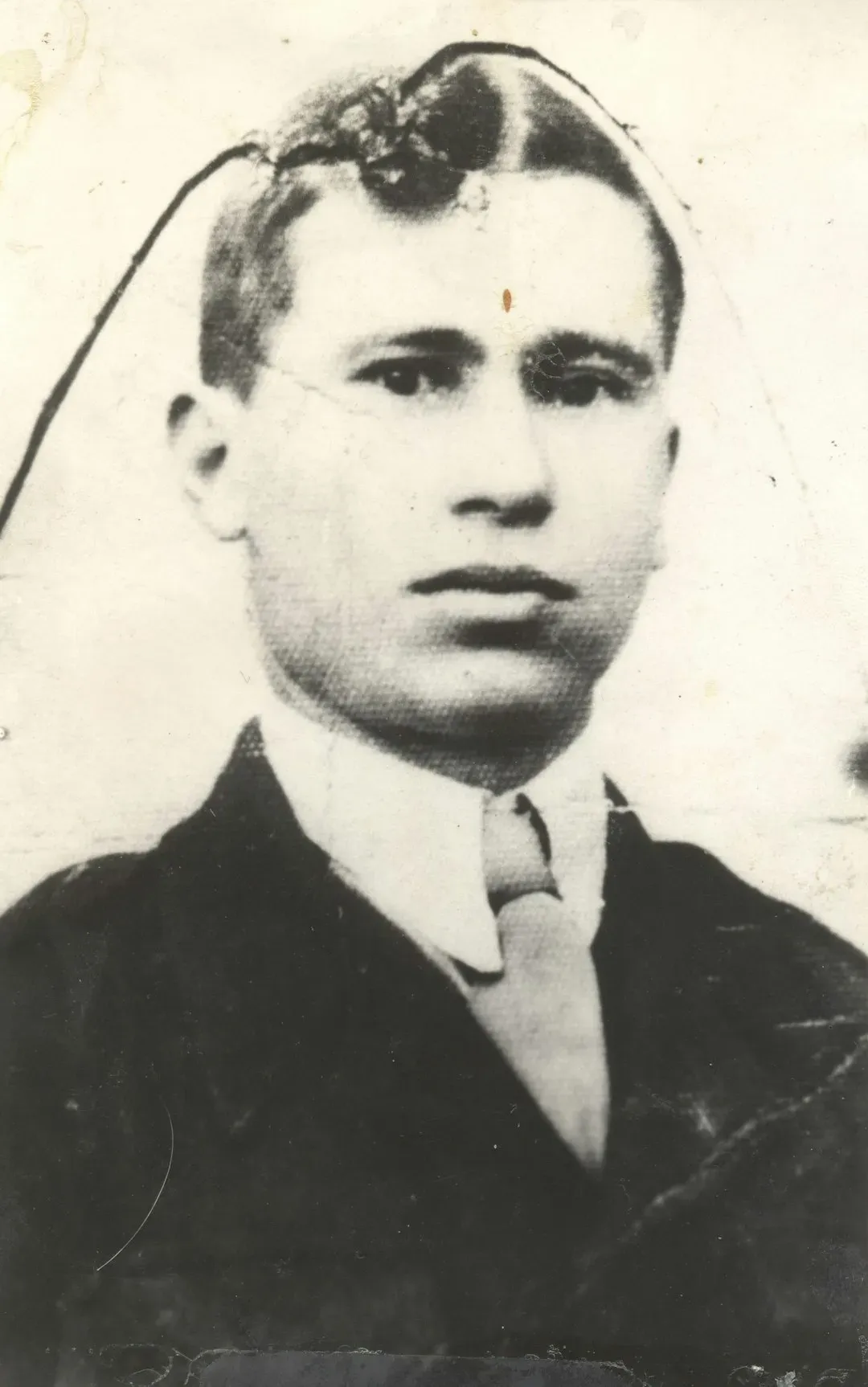
Kafka trained as a lawyer and spent his days working in insurance jobs, a professional life he felt deeply conflicted about, since his true vocation was always writing. Only a minority of his works were published during his lifetime, and they received little attention. Despite his current reputation as a giant of literature, Kafka failed to achieve meaningful recognition or financial success as a living writer. His diaries from his twenties reveal a palpable struggle, with entries that barely stretch beyond a few despairing words: “Complete standstill. Unending torments.” “Too tired.” “Nothing.”
It is generally agreed that Kafka had clinical depression, social anxiety, and many other stress-exacerbated ailments throughout his life. He died relatively unknown in 1924 of tuberculosis, aged 40. His literary executor and friend Max Brod ignored Kafka’s explicit wishes to destroy his remaining works, publishing them to eventual acclaim. Albert Camus, Gabriel García Márquez, and Jean-Paul Sartre are among the writers influenced by his work, and the term “Kafkaesque” has since entered the English language.
2. Sylvia Plath – A Pulitzer Prize She Never Got to Hold
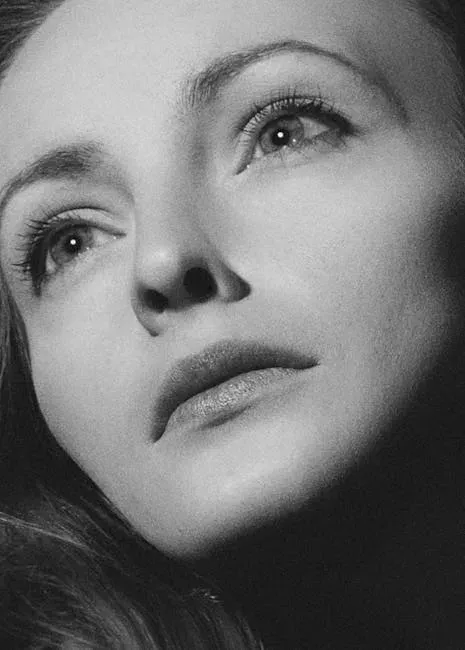
Sylvia Plath’s poetry cuts straight to the bone, but her own life was marked by a relentless battle with depression. Plath was clinically depressed throughout most of her adult life, and in 1963, just a month after she published a semi-autobiographical novel, The Bell Jar, she committed suicide. Her first novel had been published under the pseudonym Victoria Lucas, which meant that even the small recognition it earned didn’t quite land as her own.
She was prolific and published often, starting when she was only eight years old, but she remained relatively obscure. She committed suicide shortly after publishing The Bell Jar. Her fame continued to grow after her death, and her husband published a collection of her poems nearly 20 years later, which won the Pulitzer Prize. Many previously unpublished poems were included in The Collected Poems, published in 1981. In 1982, it was awarded the Pulitzer Prize for poetry. The honor arrived nearly two decades too late.
3. John Kennedy Toole – A Pulitzer He Never Lived to See
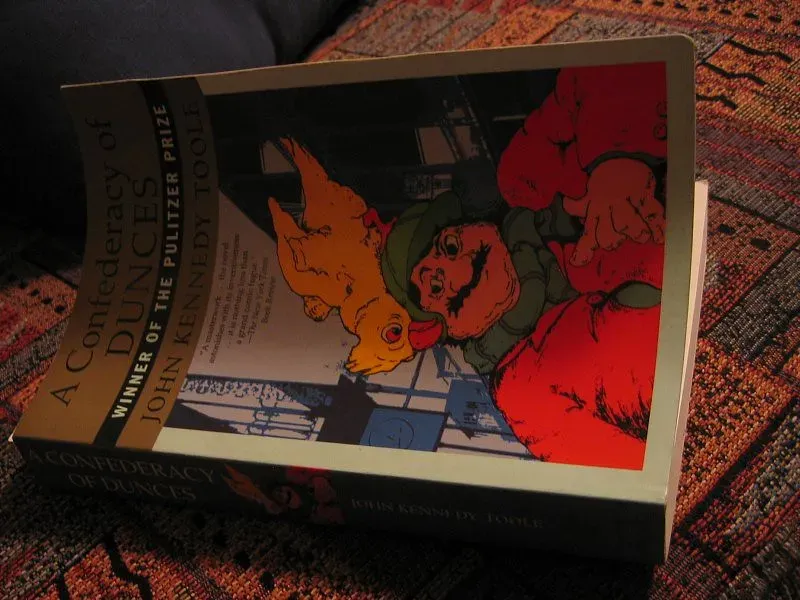
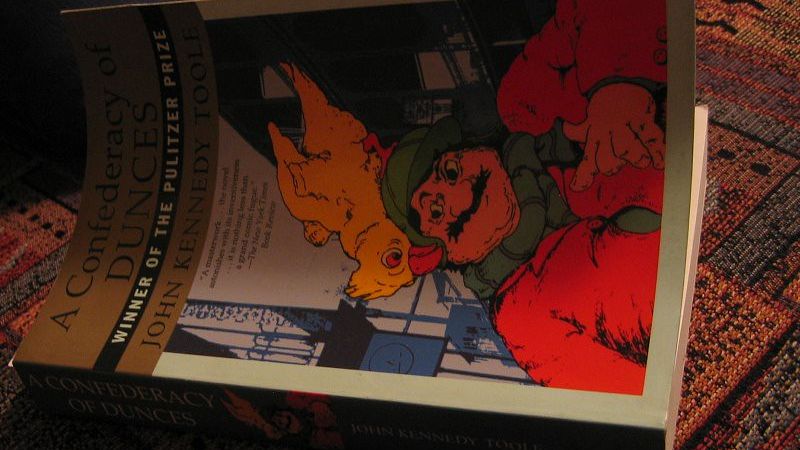
Author of A Confederacy of Dunces, one of the few comic novels to win the Pulitzer Prize, Toole never lived to see the success of his novel. He committed suicide at the age of 31, a full decade before his book was published. Having persuaded Simon and Schuster to accept the manuscript, he was unable to resolve editorial disputes. Due in part to the novel’s failure, he suffered from paranoia and depression, dying by suicide at the age of 31.
Suffering from depression, excessive alcohol consumption, and distress at being unable to see his novel in print, Toole committed suicide in 1969. He was 31 years old. A Confederacy of Dunces was published because of the persistence of Toole’s often overbearing mother, who petitioned noted writer Walker Percy, then teaching creative writing at Loyola University, to promote the manuscript. Though initially skeptical, Percy soon saw the merits of the novel, and Louisiana State University Press published it in 1980. The book met with rave reviews, and Toole was posthumously awarded the 1981 Pulitzer Prize for fiction.
4. Zora Neale Hurston – Buried in an Unmarked Grave
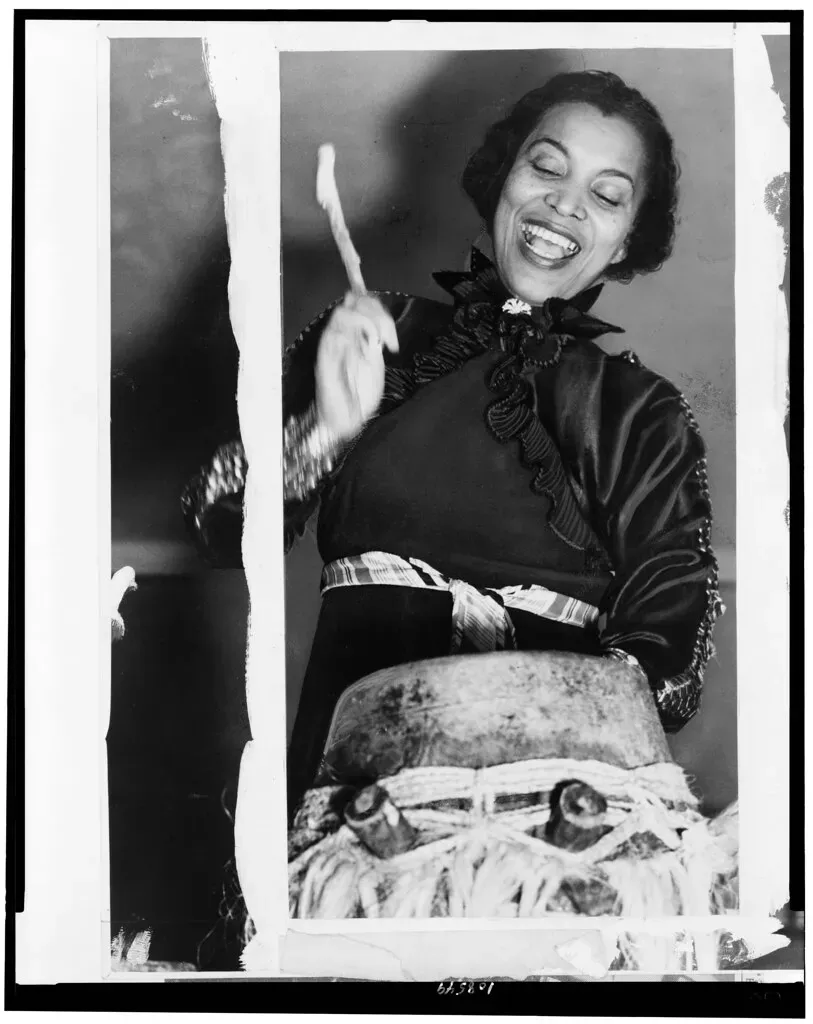
While Hurston was one of the most influential literary figures of the 20th century, she died in 1960 largely forgotten and enveloped in a life of poverty. In a fairly torrid life, she was largely unpopular in both white and black literary circles, with her Harlem Renaissance contemporaries taking their share of negative reviews. Although Hurston eventually received some praise for her works, she was often underpaid. She remained in debt and poverty. After years of writing, Hurston had to enter the St. Lucie County Welfare Home as she was unable to take care of herself.
The once-famous writer and folklorist died poor and alone on January 28, 1960, and was buried in an unmarked grave in Fort Pierce, Florida. Her legacy and literary genius reemerged into the public consciousness nearly two decades after her death, when writer Alice Walker wrote the Ms. magazine article “In Search of Zora Neale Hurston” in 1975. The article chronicled Walker’s pilgrimage to Eatonville, Florida, in search of the people who knew the writer and her burial site. She found that Hurston’s final resting place was an unmarked grave, reflective of just how forgotten the literary titan was at the time. Walker purchased a headstone for Hurston and had it engraved with “A Genius of the South.”
5. H.P. Lovecraft – Horror’s Founding Father Who Died Broke
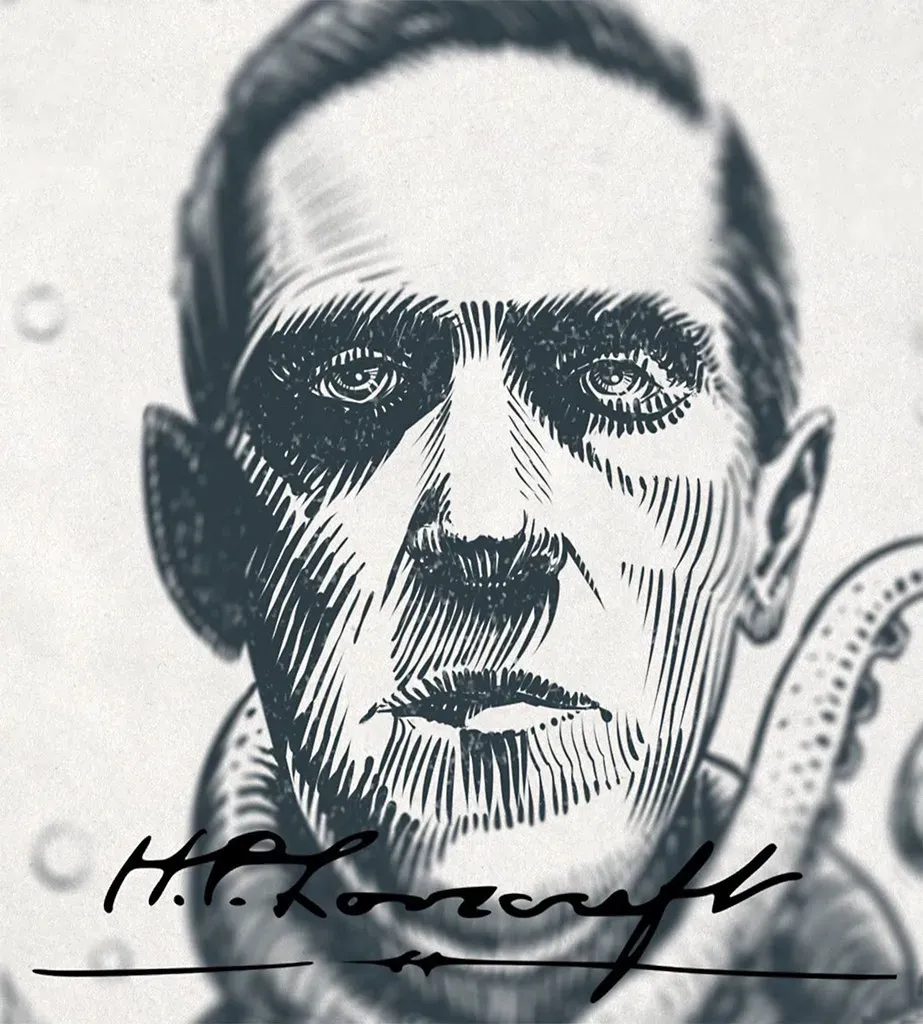
Lovecraft published mostly in pulp magazines for little pay, and his work was often dismissed as too weird or unsettling. He struggled with poverty and isolation, his health declining as he failed to gain recognition. He created the Cthulhu Mythos, an entire universe of cosmic dread, but saw almost no commercial success. In life he was frequently published in pulp magazines, but being a pulp writer in the 1920s was about as prestigious as being a blogger in 2010. The genre he was quietly building around himself went almost entirely unnoticed.
After his death, fans and fellow writers rallied to keep his stories alive, and his influence exploded. Today, Lovecraft is considered one of the founding fathers of modern horror, inspiring authors, filmmakers, and even video game creators. The monsters that haunted his imagination would eventually become cultural icons, but he never lived to see his impact. The Great Old Ones may have slumbered since their creator died, but H.P. Lovecraft has experienced a particularly strong resurgence in the last few decades.
6. Fernando Pessoa – The Office Worker With a Literary Universe Inside Him
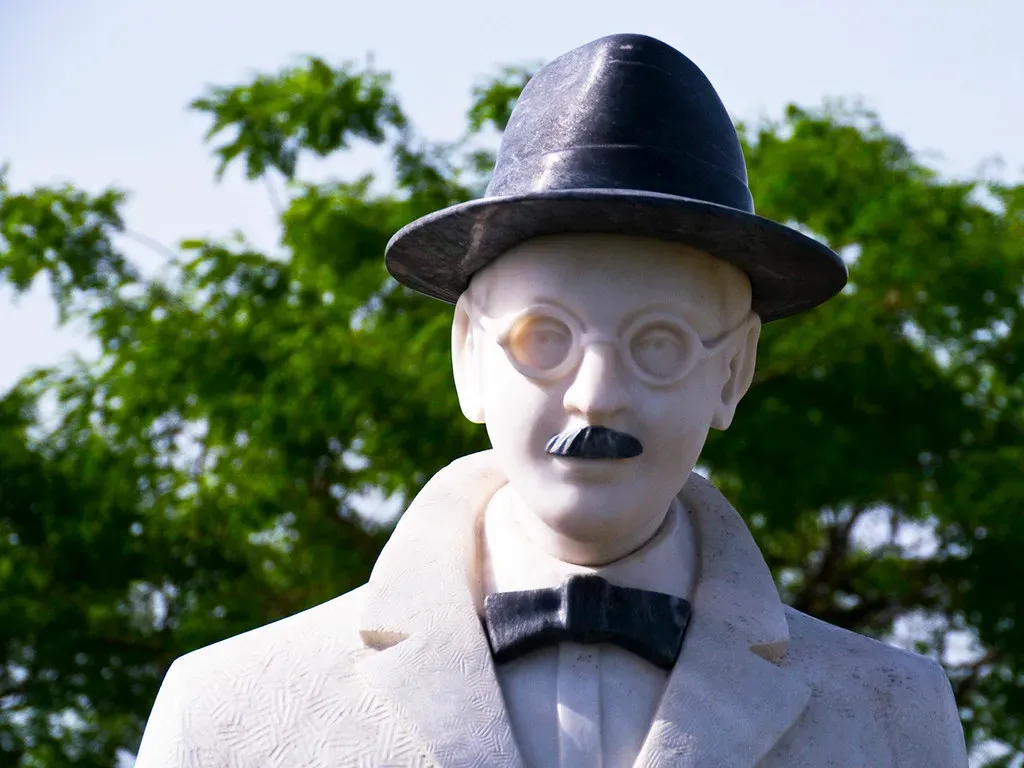
Fernando Pessoa lived most of his life out of the spotlight, working day jobs as a translator in Lisbon. He wrote under dozens of heteronyms, fictional author identities, each with their own biography and style. Pessoa published little while alive, and those who knew him thought of him as just another office worker with a quirky imagination. He moved through his days almost invisibly, all while building one of the most original bodies of work in European literature.
Pessoa died in 1935, leaving behind a trunk containing thousands of unpublished manuscripts written under his various heteronyms. It took decades for scholars and publishers to work through what he had left behind, and his international reputation only really crystallized in the second half of the twentieth century. Today he is considered a pillar of Portuguese modernism, and his major work, The Book of Disquiet, is read across the world. The translator living quietly in Lisbon had no idea the trunk in his room would one day make literary history.
What strikes you, looking at these six lives together, is not just the irony of posthumous fame but the particular weight of obscurity while you’re still in it, still writing, still hoping. Each of these writers poured everything they had into work that the world simply wasn’t ready for. The recognition came, and came abundantly, just not in time to matter to the people who needed it most.