Hollywood and politics have always overlapped, since both depend on public attention and the ability to hold a room. A handful of performers have gone further than endorsing candidates or giving speeches. They’ve stepped away from the screen, at least in part, to run for office and govern.
Some of these figures never fully quit acting, and a few came from outside the American film industry. Still, each made a real shift from entertainer to elected official. Here are seven of the most notable, with the facts that back up each story.
Ronald Reagan
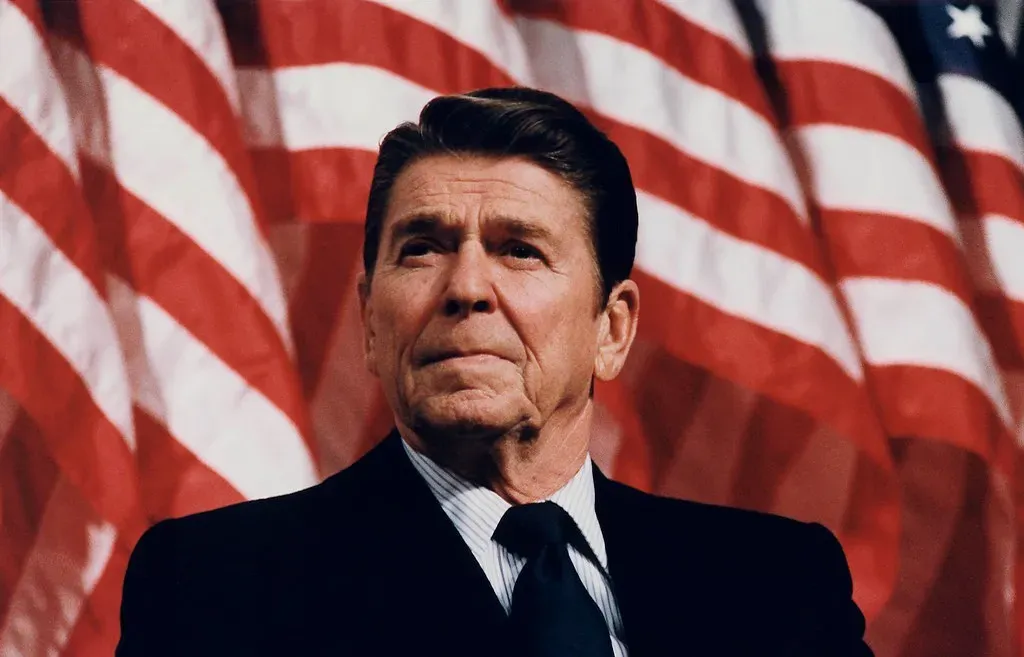
Reagan is the best-known example. He worked as a film actor for decades and served several terms as president of the Screen Actors Guild, the first in 1947. That union work gave him early experience in negotiation and public argument.
His political career took off after he became a television spokesman for General Electric. He was elected governor of California in 1966 and served from 1967 to 1975. He then won the presidency and held office from 1981 to 1989.
Arnold Schwarzenegger
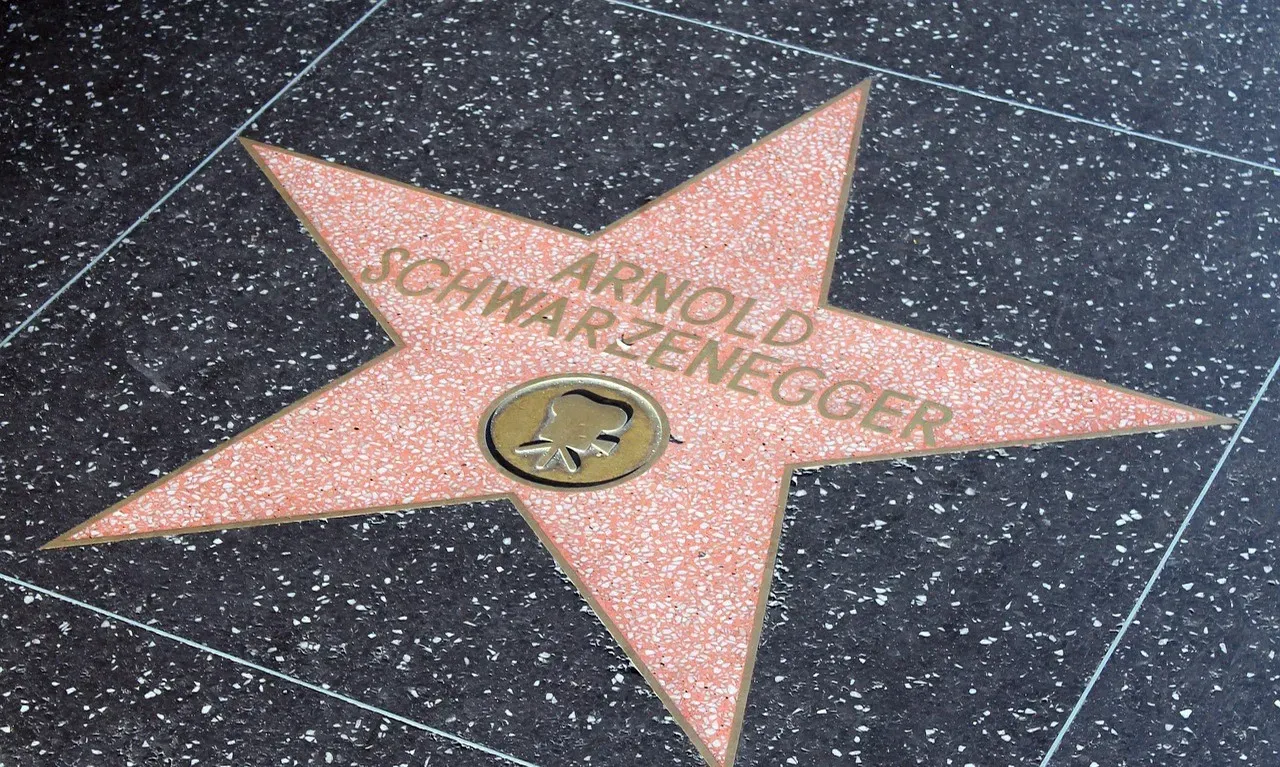
Schwarzenegger went from champion bodybuilder to one of the biggest action stars in the world, thanks to films like The Terminator. In 2003 he entered the recall election against California Governor Gray Davis and won. He took office that November.
He was re-elected in 2006 and served until January 2011. His tenure was known for work on climate policy, including California’s landmark greenhouse gas legislation, and for budget fights with the legislature. He returned to acting after leaving office.
Volodymyr Zelensky
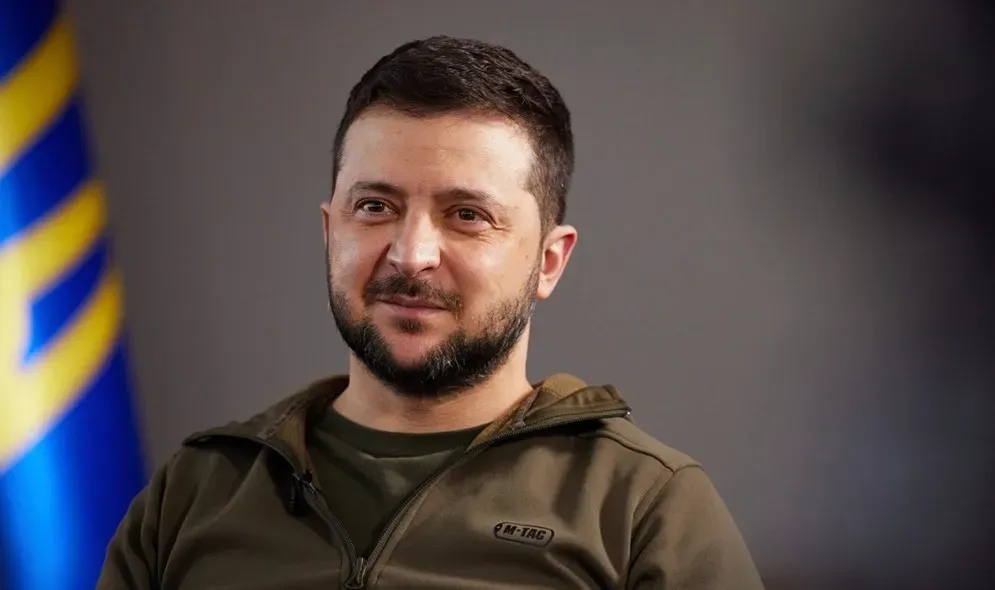
Before politics, Zelensky was a comedian and actor in Ukraine. He starred in the television series Servant of the People, which ran from 2015 and featured a schoolteacher who unexpectedly becomes president. The show made him a household name.
He ran for real in 2019 and won the runoff by a landslide, taking nearly three quarters of the vote. His presidency has since been defined by Russia’s full-scale invasion of Ukraine in 2022, which turned a former TV performer into a wartime leader.
Glenda Jackson
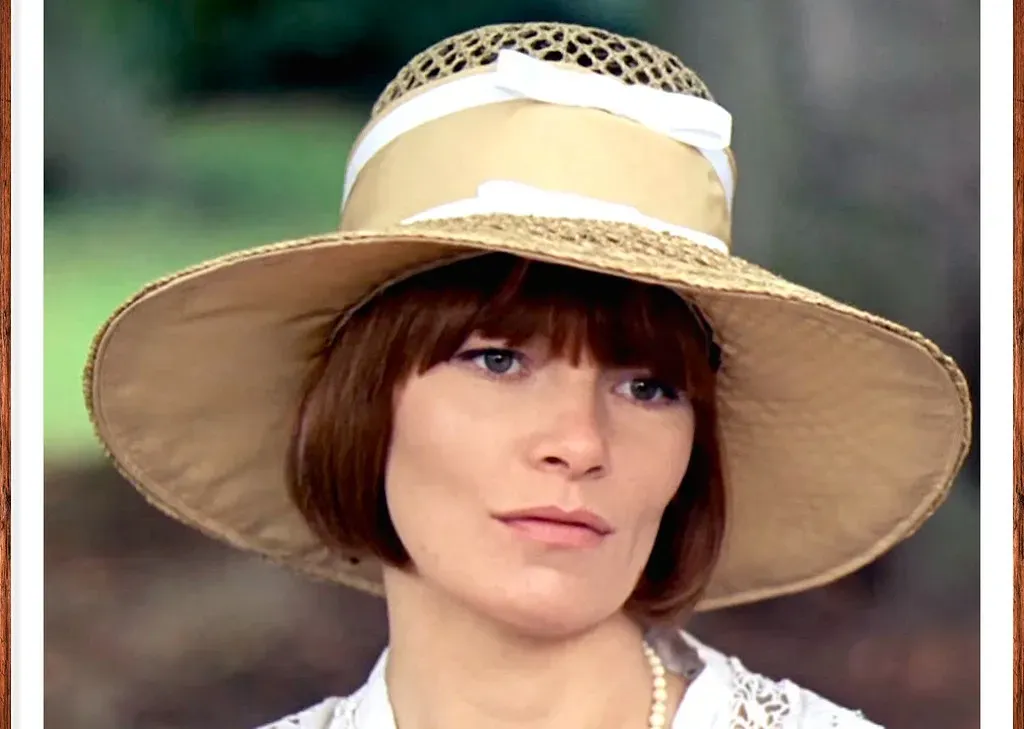
Jackson was a two-time Academy Award winner, honored for Women in Love in 1970 and A Touch of Class in 1973. In 1992 she was elected to the British Parliament as a Labour member for Hampstead and Highgate. She held that seat until 2015.
She also served as a transport minister in the late 1990s. After leaving Parliament, she went back to the stage and played King Lear at the Old Vic in 2016. She died in June 2023 at the age of 87.
Fred Thompson
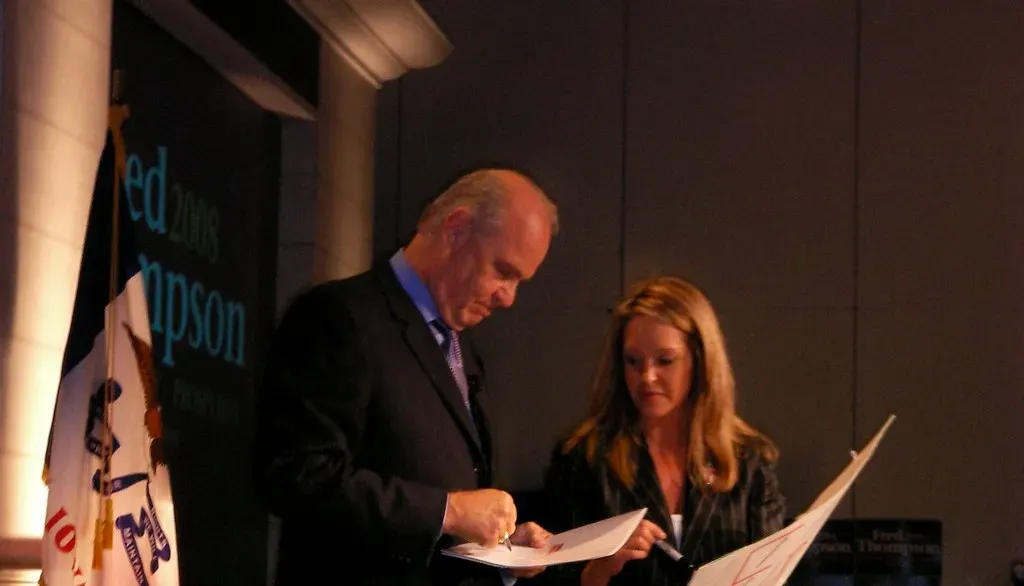
Thompson’s path was unusual because politics came first. He worked as a lawyer and served as minority counsel during the Senate Watergate hearings. That exposure helped launch an acting career in films such as The Hunt for Red October and In the Line of Fire.
He was elected to the U.S. Senate from Tennessee in 1994 and served until 2003. He then played District Attorney Arthur Branch on Law & Order and sought the 2008 Republican presidential nomination before withdrawing in January 2008. He died in 2015.
Clint Eastwood
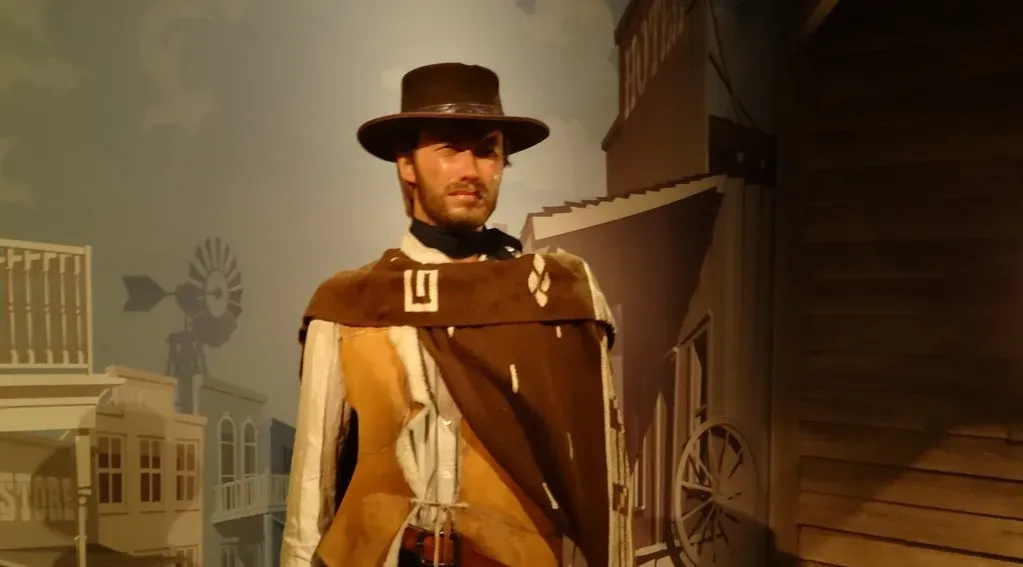
Eastwood is a looser fit, because he never really left the film industry. Even so, he stepped into public office at the height of his fame. In 1986 he was elected mayor of Carmel-by-the-Sea, California, and served one term until 1988.
His time as mayor was local and practical in scope. He kept acting and directing afterward, which shows that a political detour doesn’t always mean a permanent exit from Hollywood.
Sonny Bono
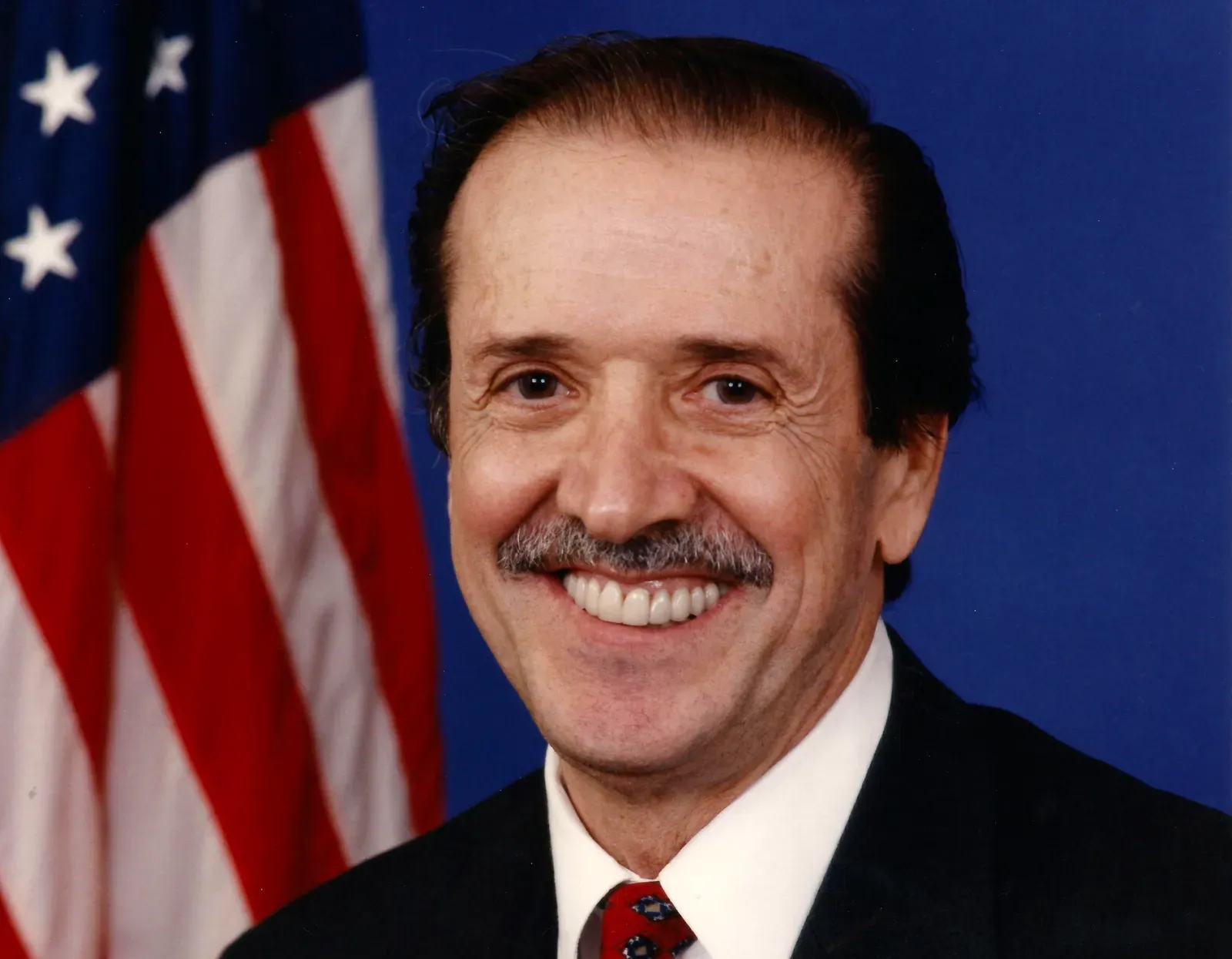
Bono first found fame as half of the pop duo Sonny & Cher, and he also worked in television and film. After his show business years, he moved into local politics and served as mayor of Palm Springs from 1988 to 1992.
He was elected to the U.S. House of Representatives as a California Republican in 1994. His congressional career was cut short when he died in a skiing accident in January 1998.
Taken together, these seven careers show that fame can open a door, but staying in office takes more than name recognition. Reagan, Schwarzenegger, and Zelensky won major executive posts, while Jackson, Thompson, and Bono built legislative careers. Eastwood’s short stint as mayor proves that smaller offices count too.
Each of them carried public speaking skills and a recognizable face into a new arena. What they did once they got there is what history remembers.