Box office math has never been forgiving, but the last two years have been especially brutal for actors once considered safe bets. Studios used to build entire release calendars around a handful of bankable names, trusting that star power alone could carry a film through a rocky opening weekend. That confidence has eroded fast, and the numbers from 2024 through 2026 tell a pretty blunt story about who still moves tickets and who does not. What follows is not gossip or speculation about anyone’s talent. It is a look at verified box office data, studio budgets, and reported industry reactions that explain why certain names keep coming up in casting conversations for the wrong reasons.
Joaquin Phoenix
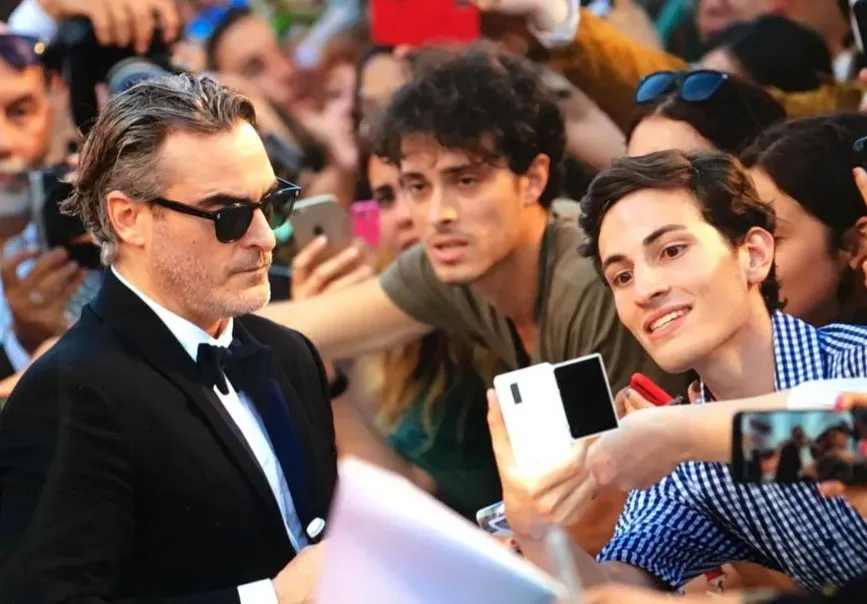
Joaquin Phoenix won an Oscar for the original Joker, a film that turned into a billion dollar global hit in 2019. Its sequel told a very different story. Todd Phillips’ sequel Joker: Folie à Deux bombed in its box office debut with a domestic opening of $37.8 million, well behind expectations after becoming the first Hollywood comic book movie in history to earn a D CinemaScore from audiences.
The financial gap only widened from there. The movie cost $200 million to make, and promoting it left Warner Bros. with a $100 million bill, meaning it would’ve needed to earn $450 million to break even. The film ultimately closed with a worldwide gross of $207.5 million, less than half of what was needed, and that kind of shortfall on a personal star vehicle tends to linger in a studio’s memory far longer than a single bad weekend.
Lady Gaga
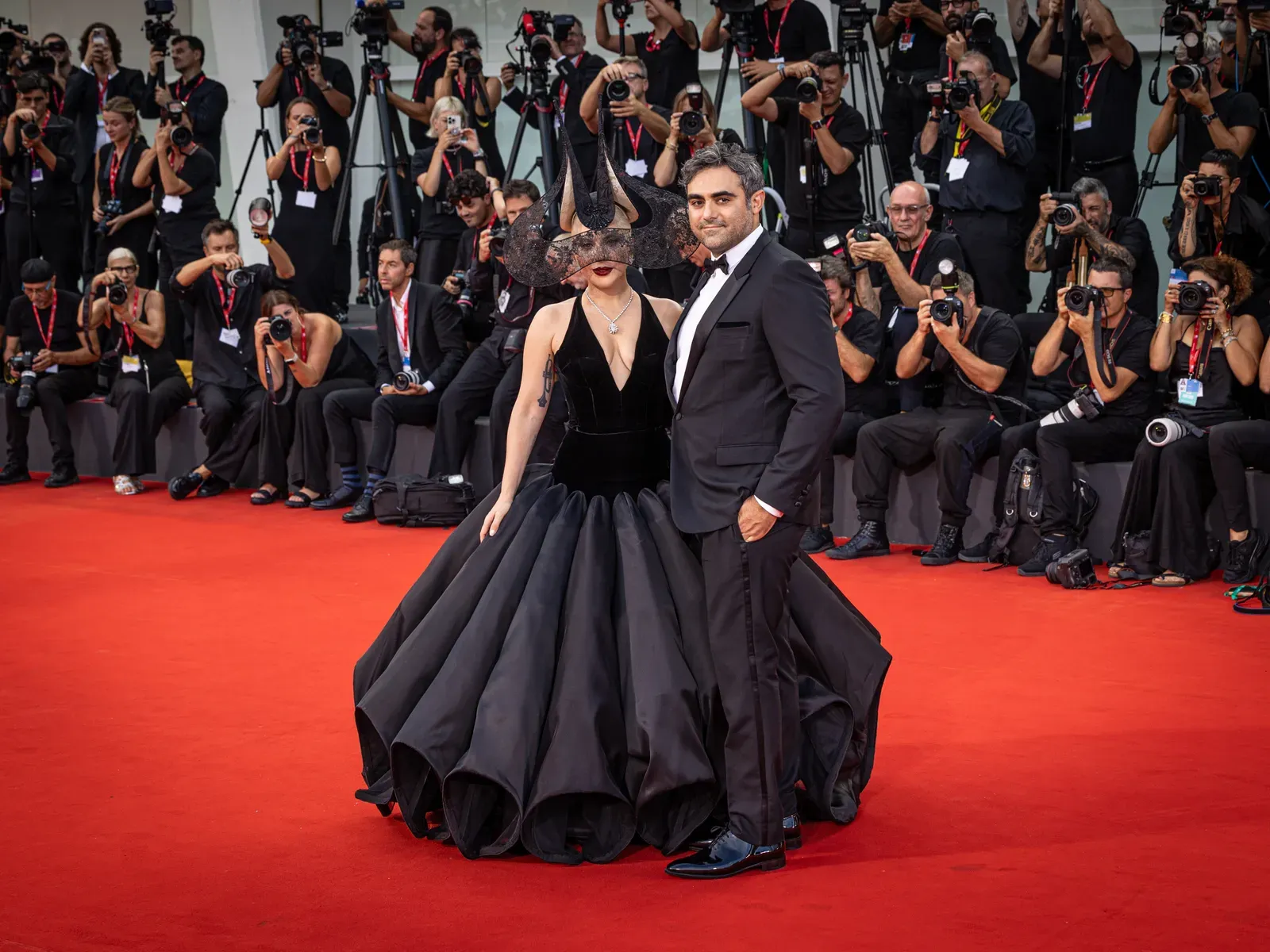
Lady Gaga’s Harley Quinn was supposed to be the fresh element that made Folie à Deux feel like an event rather than a retread. Much of the film’s gargantuan price tag came from fees for Todd Phillips and Joaquin Phoenix, who each earned $20 million upfront, along with Lady Gaga, who pocketed $12 million, a payday that only heightened scrutiny once the box office receipts came in.
Critics were unkind to the pairing, and awards bodies followed suit. Joker: Folie à Deux earned six Razzie nominations overall, including nods for Worst Picture, Worst Director for Todd Phillips, and Worst Screen Couple for Phoenix and Lady Gaga. A musical crime drama built around a global pop star should have been an easier sell, and the fact that it was not still gets brought up when studios weigh casting a musician turned actress in another big budget swing.
Anthony Mackie
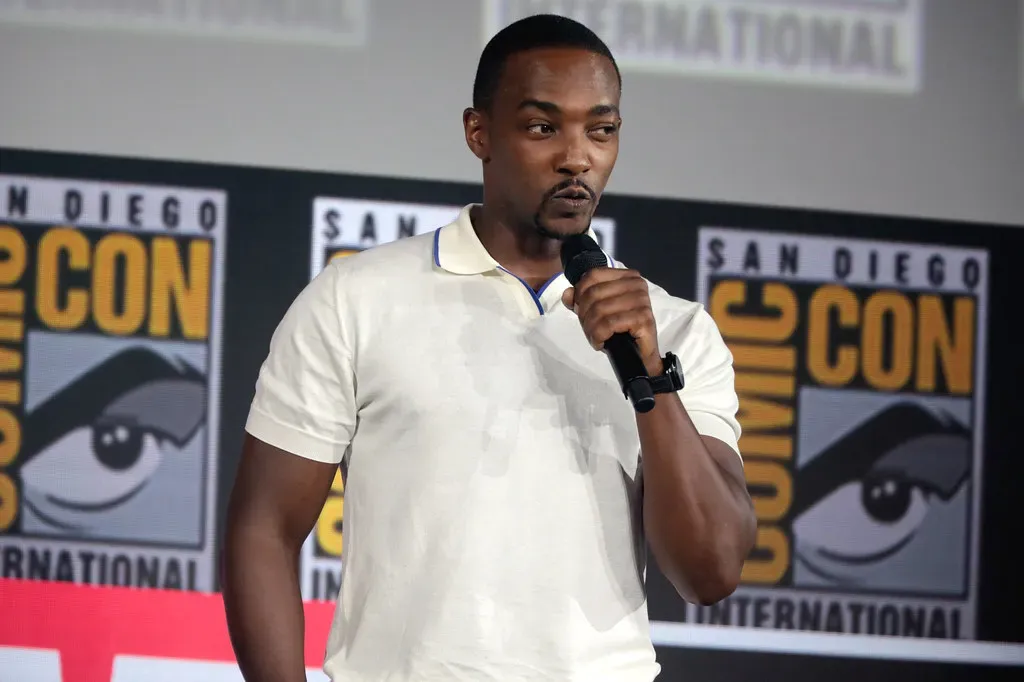
Taking over the Captain America shield was always going to be a tough assignment, and the numbers suggest audiences never fully bought in. Despite a great cast that included Anthony Mackie, Harrison Ford, and Giancarlo Esposito, the film stumbled to a 46% critic score on Rotten Tomatoes and earned just $415 million at the global box office. That total made it one of the lowest earners in the entire Marvel Cinematic Universe lineup.
Marvel’s own leadership has publicly acknowledged the shortfall. Marvel Studios president Kevin Feige offered a blunt assessment of what went wrong, saying it was the first Captain America film without Chris Evans, a comment that landed as a pointed explanation for the underperformance. Mackie’s next starring vehicle outside the franchise, Desert Warrior, reportedly struggled at the box office as well, adding to the sense that his solo drawing power remains an open question heading into future Marvel projects.
Rachel Zegler

Disney’s live action Snow White carried enormous expectations and an equally enormous budget, and it landed as one of the studio’s costliest miscalculations in years. Reports point to a rough $270 million budget, paired with a worldwide gross of roughly $205 million, plus millions more spent on marketing, making it the year’s biggest financial failure.
That gap between spending and return is difficult to spin, no matter how the press tour is framed. A film built around a beloved fairy tale and a major promotional push falling that far short of its costs tends to raise questions about future casting decisions for the actress at the center of it, fairly or not, especially when the shortfall becomes the headline attached to the project for months afterward.
Robert Pattinson

Mickey 17 arrived with a respected director in Bong Joon Ho and a strong pedigree following Parasite, yet the science fiction epic still struggled to find its audience. Its global return of $131 million won’t have steered it into the black, considering its hefty $118 million budget and estimated marketing spend of around $80 million.
Partner offer
The film avoided becoming a historic disaster, but the math simply did not work out. The failure of 2024’s Joker: Folie à Deux cast a long shadow, and things didn’t improve early in the year when Mickey 17 flopped. Pairing a recognizable star with an acclaimed filmmaker was supposed to be a safe combination, and when it still comes up short, studios take notice.
Jennifer Lopez
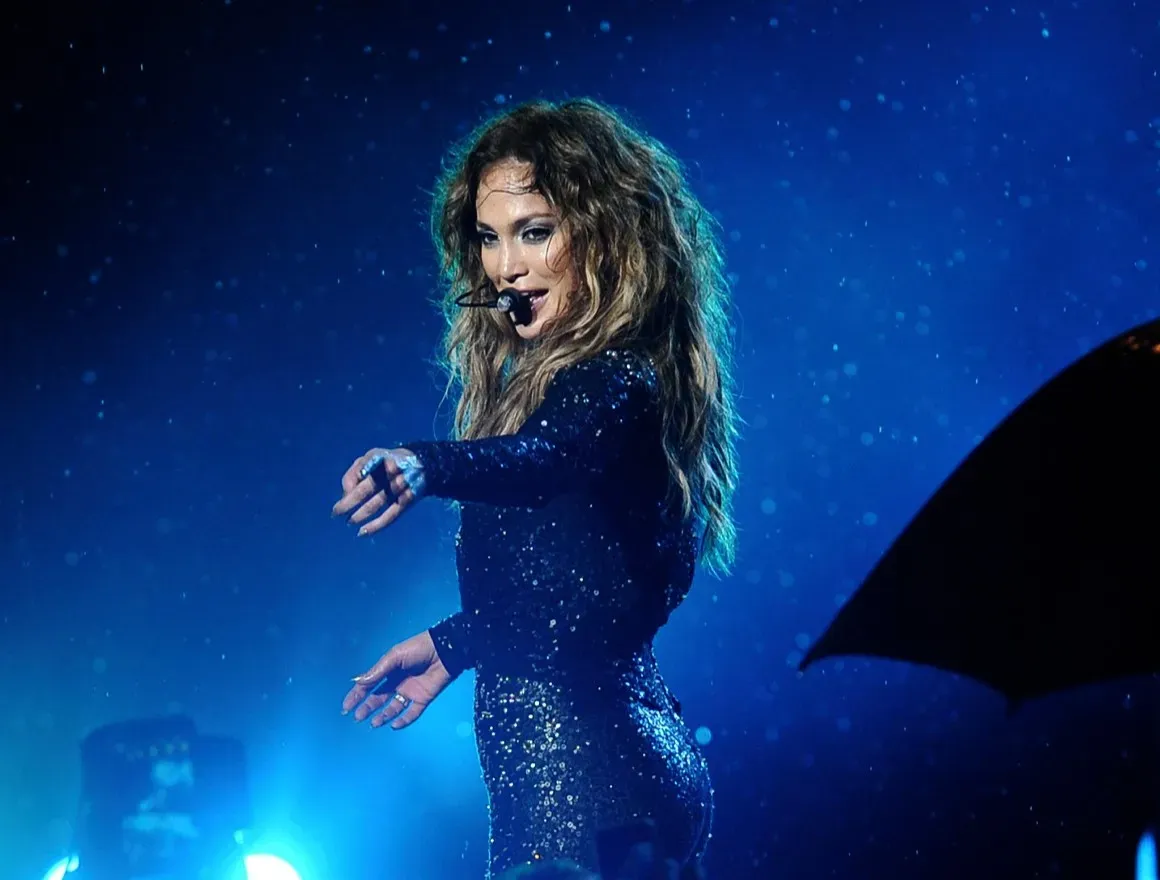
Kiss of the Spider Woman looked like a natural fit for a performer with Jennifer Lopez’s musical background, blending drama with the kind of song and dance sequences meant to draw crowds back to theaters. Instead, the numbers were among the weakest of the entire year. Despite a $30 million budget and a cast featuring major stars like Diego Luna and Jennifer Lopez, Kiss of the Spider Woman was one of 2025’s biggest flops with a domestic take of only $1.62 million.
A modest budget usually offers some protection against being labeled an outright disaster, but a domestic haul that thin is difficult to spin as anything other than a miss. Musicals have proven they can still work at scale, yet this particular pairing of star power and genre simply did not translate into ticket sales.
Diego Luna

Diego Luna shares the same box office burden from Kiss of the Spider Woman, and the timing was not ideal given his rising profile from other high visibility work. With Kiss of the Spider Woman, a remake of an ’80s film of the same name, hopes were high that this Bill Condon directorial effort could break out as a must-see musical event, but it ended up posting one of the year’s weakest domestic returns.
The lackluster reception is a reminder that even performers with strong credibility in prestige projects are not immune to genre risk. Studio executives weighing a leading role in a big budget musical will inevitably factor this result into the conversation, particularly when the film’s reach fell so far short of the buzz it generated during production.
Channing Tatum

Fly Me to the Moon had a clever premise, a charming period setting, and a pairing that seemed built for box office success. With a clever concept and a stacked cast led by Scarlett Johansson and Channing Tatum, Fly Me to the Moon seemed to have all the necessary elements to be a success at the box office, but despite having a nine figure budget, it recuperated less than half of what it cost to make.
Part of the trouble traced back to release strategy rather than performance quality. The underwhelming performance can be at least partially attributed to the poor release of the film, which was originally meant to be a straight to streaming movie, leaving many potential viewers unclear as to what the film would really be about. Even so, a shortfall of that size on a romantic comedy with recognizable leads tends to get filed away as a cautionary example the next time a similar project comes up for greenlighting.
Kevin Costner
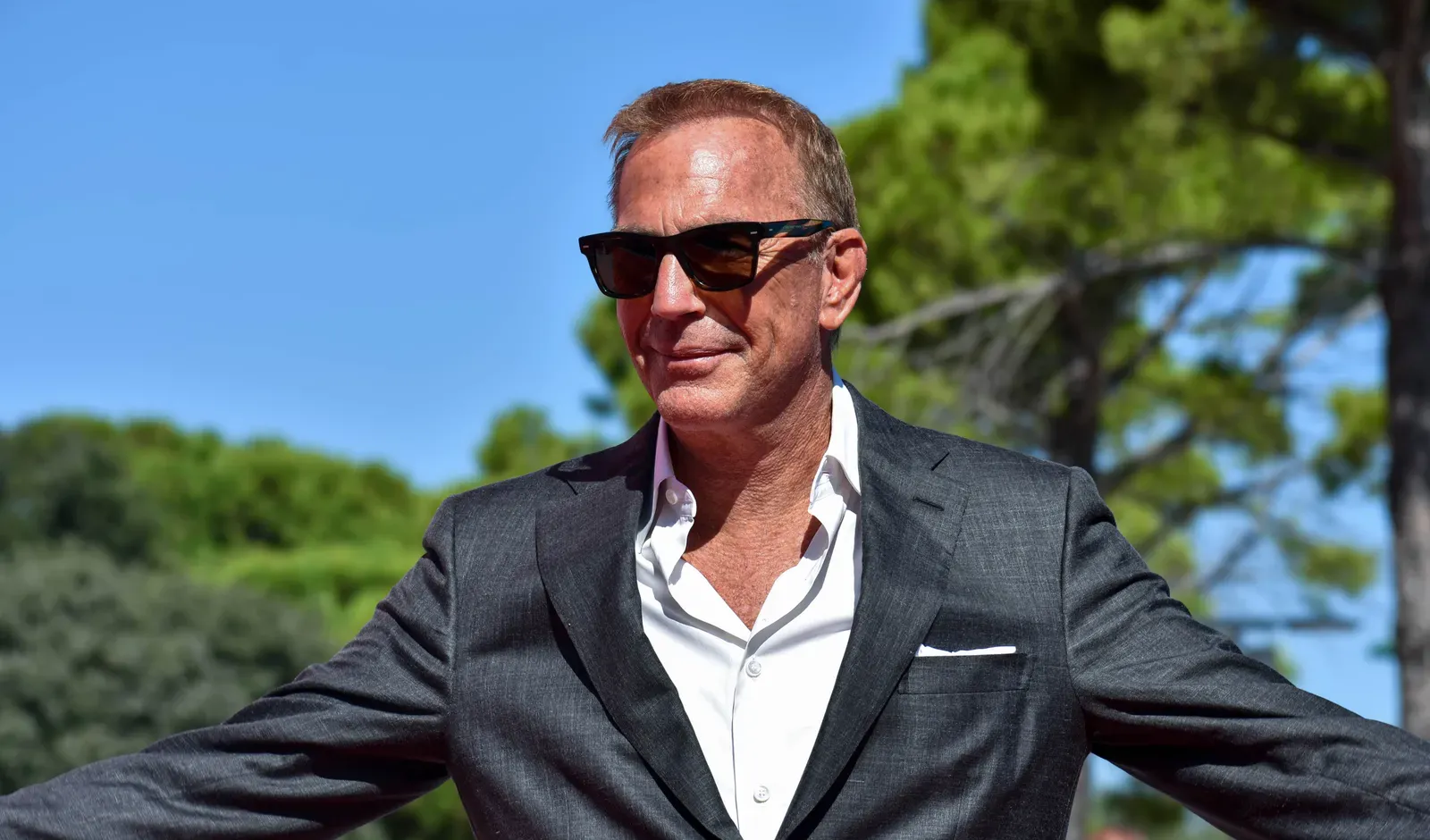
Few recent box office stories have been as personally costly as Kevin Costner’s Horizon saga. Horizon: An American Saga generated only $11 million against a $100 million budget on opening weekend in June 2024, and Costner struggled to finance the four part film franchise, adding $38 million of his own funds and leveraging his own land as collateral.
The fallout extended well beyond a single weekend. THR listed Costner alongside Megalopolis director Francis Ford Coppola as one of the biggest losers in Hollywood for 2024, and the planned sequel installments were delayed as a direct result of the poor reception. For an actor who spent his own money betting on the project, the financial and reputational hit landed harder than a typical studio backed flop ever could.
Partner offer
Planning a trip to Vegas?
Compare hotel rates and show tickets on VEGAS.com.