There’s a particular moment in certain songs where something shifts, a voice rises up from behind the lead singer and suddenly the track feels bigger than itself. Most listeners never learn the names behind those moments. Yet these singers, standing just off to the side of the spotlight, often did as much to define a recording’s identity as the artist whose name appears on the album cover. The following seven vocalists rarely got top billing, but their contributions became inseparable from the songs they touched. Some were paid a modest session fee for an afternoon’s work. Others spent decades on tour buses and in studios, shaping sound after sound without ever needing their own marquee.
Merry Clayton and the scream heard on “Gimme Shelter”
In the autumn of 1969, Merry Clayton was pulled out of bed close to midnight and asked to drive to a Los Angeles studio to sing with a British rock band she barely knew. Producer Jack Nitzsche called and said there were some musicians in town from England who wanted a female vocalist to help with a song, and those musicians turned out to be the Rolling Stones working on “Gimme Shelter.” She was several months pregnant at the time and had come straight from a performance earlier that evening.
What happened in that booth became one of the most talked about vocal performances in rock history. Jagger sang backup vocals with Richards and Clayton, who was summoned from bed around midnight by Nitzsche while about four months pregnant, and made her recording with just a few takes before returning home to bed. Her voice cracks audibly on the word “murder,” a moment so raw that Jagger himself can be heard reacting in the control room, and that imperfection is now considered one of the greatest vocal takes ever committed to tape.
Clare Torry’s wordless cry on “The Great Gig in the Sky”

Pink Floyd needed a voice for a piece of music that had no lyrics, only a chord progression built around Richard Wright’s piano. The song features music by keyboard player Richard Wright and improvised, wordless vocals by session singer Clare Torry. She was in her mid twenties and had never done anything quite like it before, improvising on the spot in the studio at Abbey Road.
The financial side of the story is almost as famous as the performance itself. Torry was paid a flat session fee of thirty pounds, double the usual rate because it was recorded on a Sunday, and only became aware her parts were used when she saw the album at a local record shop. It took decades and a lawsuit before the situation was corrected. Torry was initially paid a flat rate and denied songwriting royalties, but received joint credits for the song with Richard Wright in 2005.
Darlene Love and the sound behind Phil Spector’s biggest hits
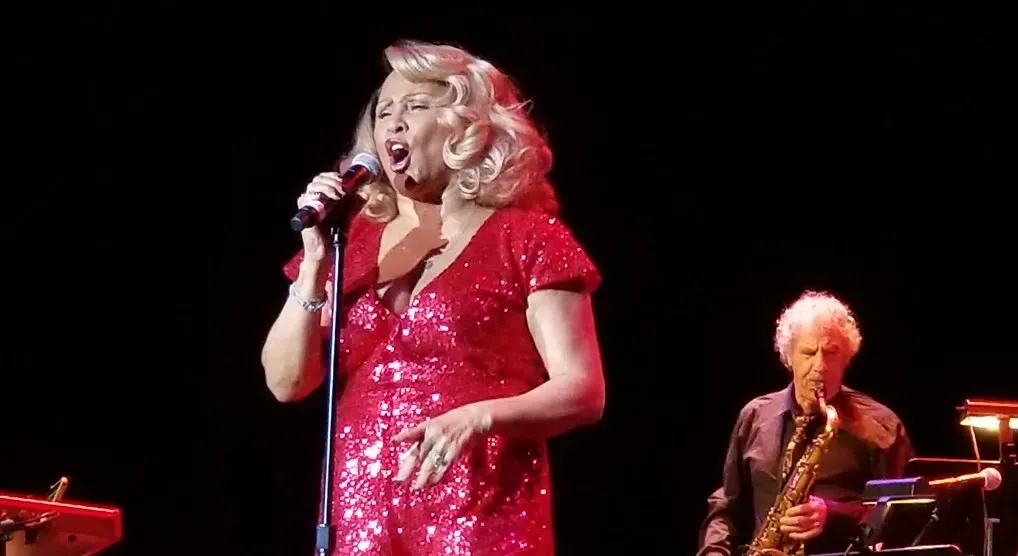
Long before she became known in her own right, Darlene Love was the voice powering some of the most recognizable pop records of the early 1960s. She sang lead on tracks credited to other acts, including “He’s a Rebel,” which was released under the name of The Crystals even though Love provided the vocal. Her sound became a defining piece of Phil Spector’s Wall of Sound production style, a dense, echo laden approach that reshaped how pop records were made.
Love’s story became more widely known decades later through documentary work highlighting overlooked background vocalists, and she eventually earned induction into the Rock and Roll Hall of Fame for her contributions. Her holiday recording “Christmas (Baby Please Come Home)” has become a genuine seasonal standard, still played every December on radio stations across the country. It’s a rare case where a singer’s uncredited early work eventually caught up with the recognition it deserved.
Lisa Fischer’s decades beside Mick Jagger
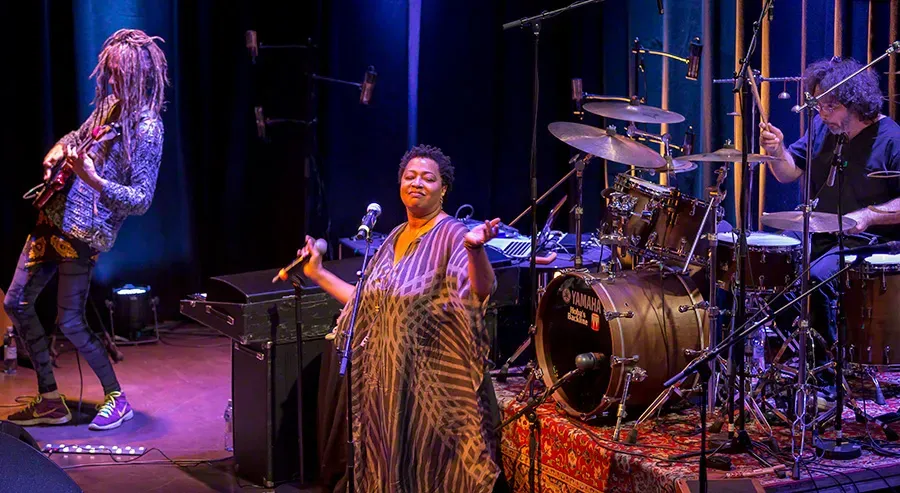
Few backup singers have had a career as sustained as Lisa Fischer’s run with the Rolling Stones. Alongside her celebrated career as a backup singer for the Stones, touring with the band from 1989 to 2015, she also collaborated with Luther Vandross, Sting, Tina Turner, and many other major pop and rock stars. Night after night, she took on the vocal part Merry Clayton had originated in the studio, turning “Gimme Shelter” into a live duet moment between herself and Jagger.
Fischer’s talent extended well beyond that one song. She shared the spotlight with Mick Jagger on “Gimme Shelter” for twenty five years of touring with the Rolling Stones, was the featured voice on Sting’s “The Hounds of Winter,” and sang with Luther Vandross for twenty two years of touring and recording. Her work was eventually spotlighted in the Academy Award winning documentary “20 Feet From Stardom,” which brought overdue attention to singers like her who had spent careers just out of camera range.
Luther Vandross and the hook that defined “Young Americans”
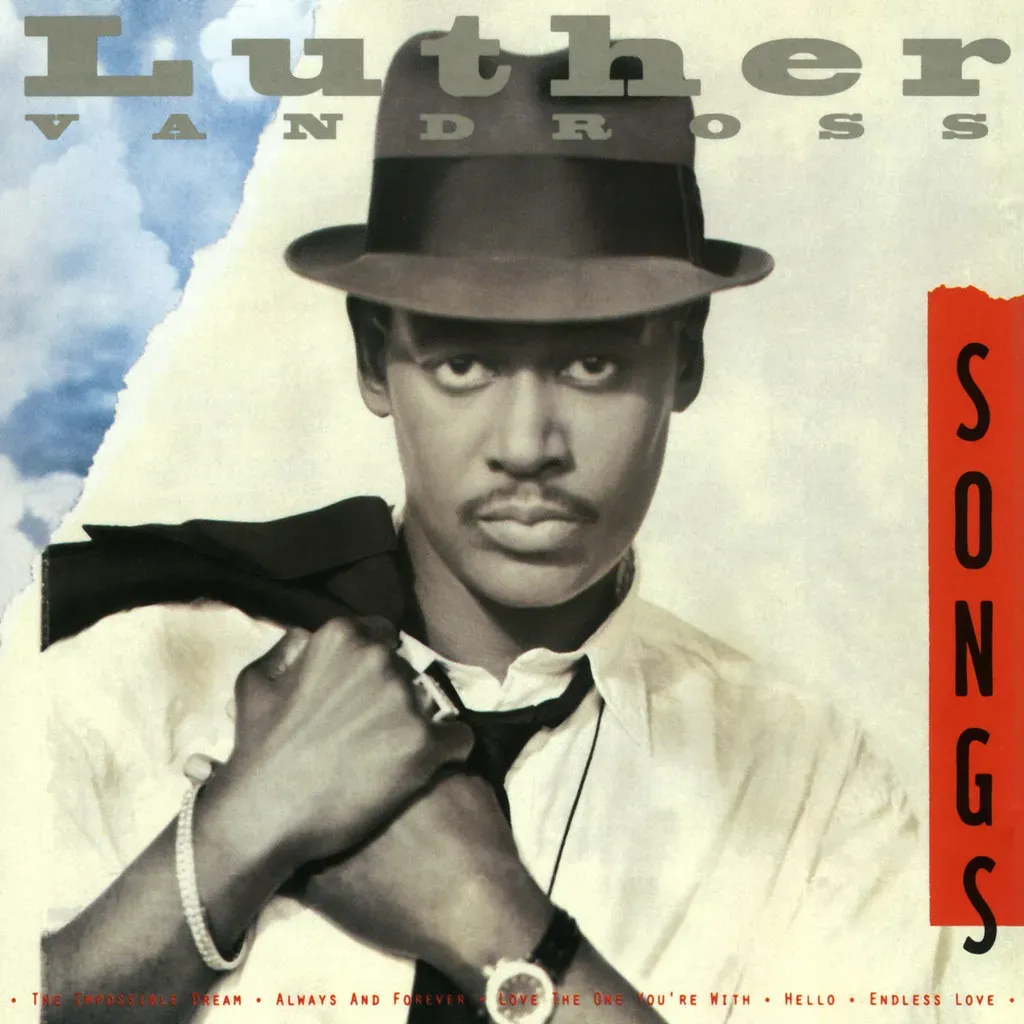
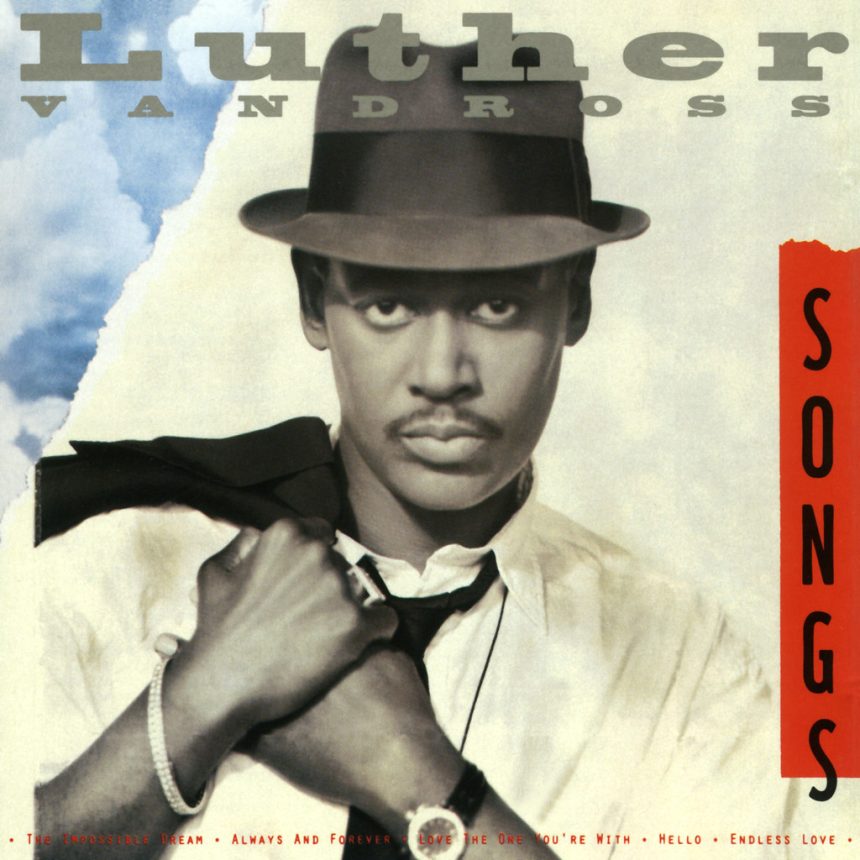
Before Luther Vandross became a solo star, he was an unknown singer brought into David Bowie’s orbit almost by chance. Vandross was only twenty four during the Young Americans sessions but had already become the go to backup singer for Donny Hathaway and Roberta Flack, and through his connection with guitarist Carlos Alomar he was invited down to Philadelphia to help add vocals that would define the album’s sound. He did far more than simply sing along.
Vandross actually shaped the title track’s most memorable moment. According to producer Tony Visconti, the title track “had a strong, lengthy dialogue but no hook,” and it was Vandross who, while leading the backing vocals, snatched at the words “Young Americans” and came up with the musical hook that carries the song. Bowie was so taken with Vandross that he reworked one of the young singer’s own compositions into the album track “Fascination,” giving him a rare songwriting credit alongside a rock icon.
Cissy Houston and the gospel foundation of soul’s golden era

Cissy Houston spent years as part of The Sweet Inspirations, a vocal group that became one of the most in demand backing ensembles in American music. The group provided vocal support for Aretha Franklin during some of her most celebrated recordings, adding a churchlike depth to songs already rooted in gospel tradition. They also served as Elvis Presley’s backing vocalists during his celebrated Las Vegas years, standing just behind him on stages where his legend was being rebuilt in real time.
Houston’s influence rippled outward in ways that outlasted any single recording session. Her daughter Whitney Houston would go on to become one of the defining vocalists of her generation, and Cissy’s own gospel trained phrasing can be heard as a clear influence on that later sound. It’s a reminder that a backup singer’s impact sometimes travels through entire families and generations, not just individual tracks.
Venetta Fields and Clydie King’s gospel lift on “Tumbling Dice”

The Rolling Stones’ “Tumbling Dice” is built on a loose, rolling groove, but its emotional lift comes from an unexpected source. The recording features backing vocals by Clydie King, Venetta Fields and Sherlie Matthews, alongside Nicky Hopkins on piano, Bobby Keys on sax, and Jim Price on trumpet and trombone. Their voices arrive late in the track and push the song into a different register entirely, closer to a gospel revival than a rock and roll single.
Jagger himself recognized how much those voices added to the finished record. Background vocalists Venetta Fields and Clydie King were brought in during the Los Angeles sessions, adding a touch of gospel soul to the proceedings, with Jagger later remarking that a little bit of those singers went a tremendously long way. Fields went on to build a long career working with acts ranging from Pink Floyd to Steely Dan, but her turn on “Tumbling Dice” remains one of the clearest examples of how a few bars of backing vocal can change a song’s entire center of gravity.
Taken together, these seven singers show how much of what we call a classic song was actually shaped by voices working just outside the frame. A late night phone call, a Sunday session fee, a few unscripted bars sung on the spot, and suddenly a track has a different emotional weight than it started with. Their names rarely appear on the album spine, but listen closely to any of these recordings and it becomes clear who is doing some of the heaviest lifting.