Every so often a musician takes a hard left turn, and the result splits fans right down the middle. Sometimes it’s a genre swap, sometimes a whole new persona, and sometimes it’s just an artist chasing an idea nobody asked for. What follows are seven records that stand so far apart from their creators’ usual output that longtime listeners could be forgiven for checking the label twice.
1. Beyoncé, Cowboy Carter (2024)

After decades of R&B and pop dominance, Beyoncé released a full-blown country album, and it landed like a cultural event rather than a side project. “COWBOY CARTER,” released on March 29, 2024, spent four weeks at No. 1 on Billboard’s Top Country Albums chart, and helped Beyoncé become the first Black woman to top that chart. The album leaned into pedal steel, banjo, and Nashville songwriting traditions that had never featured so prominently in her catalog before.
What made the shift even more striking was how the industry initially reacted. Despite its critical and commercial success, “COWBOY CARTER” was completely snubbed from the 2024 CMA Awards. The Grammys told a different story entirely, and Beyoncé finally took home album of the year at the 2025 Grammys, cementing the record as one of the most significant genre pivots of the decade.
2. Metallica and Lou Reed, Lulu (2011)

Nothing in Metallica’s thrash metal history prepared fans for a spoken-word concept album built around the writings of a German playwright. Lulu is a double album that, conceptually, is based on the two “Lulu plays” by the German playwright Frank Wedekind (1864–1918). Reed handled most of the lyrics and vocals, often talking rather than singing, while Metallica supplied dense, sludgy instrumentation behind him.
The reaction was immediate and brutal, with the album becoming something of a punchline for years. Even so, opinions have softened with time, and people on music rating sites like RYM and AOTY have changed their minds about this album, with fans of Metallica beginning to come around to this oddity in their discography. It remains the strangest entry in either artist’s discography, a genuinely uncategorizable record that neither metalheads nor Reed loyalists fully claimed.
3. Chris Cornell, Scream (2009)

The man behind Soundgarden’s grunge anthems and Audioslave’s arena rock handed the reins to Timbaland, a producer best known for R&B and hip-hop hits. Released on March 10, 2009, it marked a shift from Cornell’s previous musical efforts, with guitar and rock elements largely excluded and replaced with producer Timbaland’s electronic pop soundscapes. Gone were the wailing guitar solos, replaced by drum machines and dance-pop production.
Critics were not kind, and the backlash from rock fans was swift and loud. The album was met with mostly negative reviews and debuted in the U.S. at number 10 on the Billboard 200 with 26,000 copies sold. Musician Trent Reznor even mocked the record publicly at the time, though he later apologized, a small footnote that captures just how jarring the reinvention felt to Cornell’s core audience.
4. Garth Brooks, In the Life of Chris Gaines (1999)
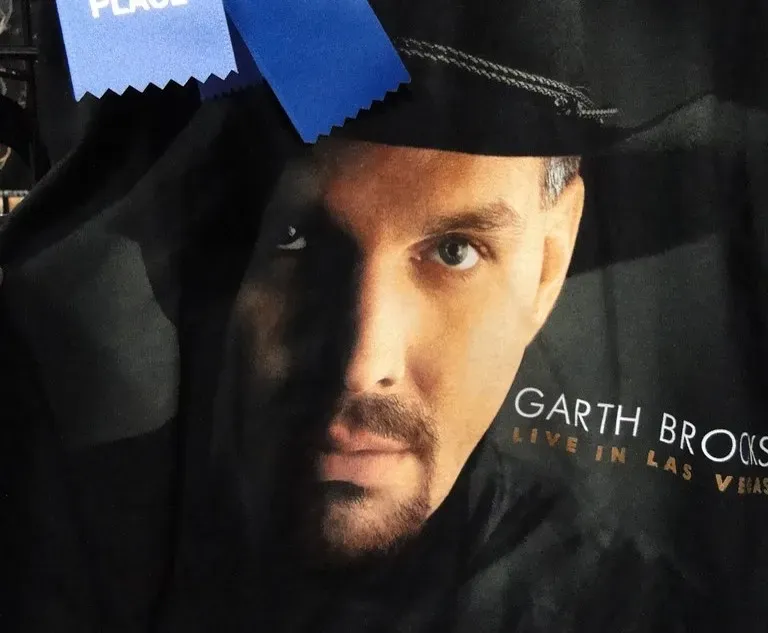
Garth Brooks did not just change his sound, he invented an entirely fictional Australian rock star named Chris Gaines to sing it. The album was meant to serve as a soundtrack for a planned film about Gaines’s rise to fame, trading Brooks’s country twang for moody, falsetto-driven pop rock. Originally, this album was intended to be the soundtrack for a movie called The Lamb that would star Brooks as a rock star recalling the different periods of his life, released a year in advance to pique interest, though the film was never made due to financial and management problems.
Commercially it was not a disaster by ordinary standards, but for an artist of Brooks’s stature it read as a stumble. The album spawned a hit single and sold over two million copies in the United States, but was considered a commercial disappointment relative to Brooks’ earlier success in country music, and his use of an alternate persona caused widespread confusion among the public. Brooks has largely avoided revisiting the project since, and it remains a curious, half-forgotten detour in an otherwise record-setting career.
5. David Bowie, Tin Machine (1989)
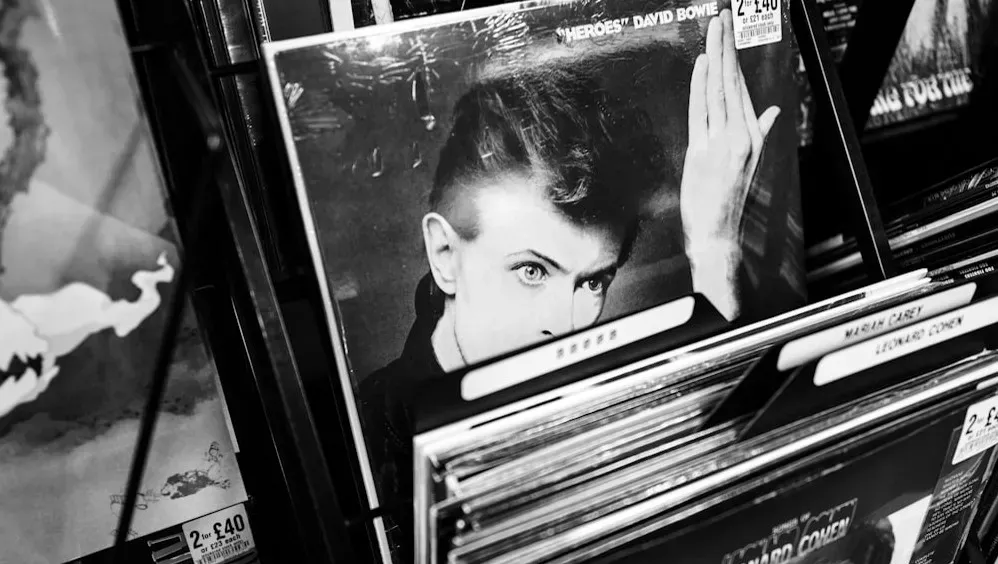
By the late 1980s, Bowie had already reinvented himself several times over, but forming Tin Machine was different because it meant stepping back from being the frontman entirely. He assembled a straightforward hard rock band with guitarist Reeves Gabrels and the Sales brothers on rhythm section, deliberately stripping away the theatrical persona-driven pop that had defined Let’s Dance and its predecessors. The result was raw, guitar-heavy, and loud in a way that felt almost anonymous compared to his solo work.
Partner offer
Fans and critics were divided, with many seeing it as a strange overcorrection after years of glossy, radio-friendly hits. Bowie himself later described the project as a way to escape the trap of expectation that came with being a solo superstar, choosing to be one voice in a band rather than the sole creative focus. Tin Machine lasted for two albums before quietly dissolving, but it remains one of the clearest examples of an artist deliberately disappearing into a different identity.
6. Paul McCartney, McCartney II (1980)
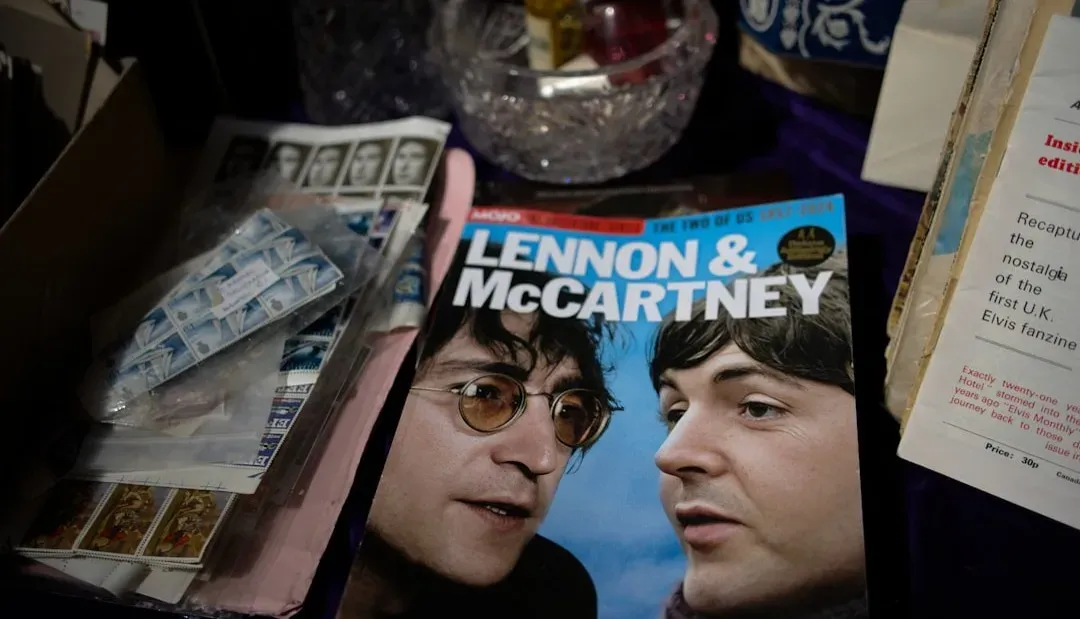
After years of polished pop with Wings and his earlier solo records, McCartney retreated to his home studio with a synthesizer, a drum machine, and almost no outside help. The resulting album was stripped of the melodic warmth fans expected, replaced instead by minimalist electronic experiments and odd, lo-fi textures. Tracks like the hit single “Coming Up” hinted at accessible pop, but much of the record ventured into strange, almost avant-garde territory that felt worlds away from Beatles-era songcraft.
At the time, reviews were mixed, with some critics baffled by the shift toward synth experimentation from one of pop’s most reliable melodicists. Over the decades, though, the album has been reassessed as an early and influential dabble in home-recorded electronic music, predating similar bedroom-producer trends by years. It stands as proof that even the most commercially minded songwriters occasionally want to disappear into something weirder and more personal.
7. Neil Young, Trans (1982)
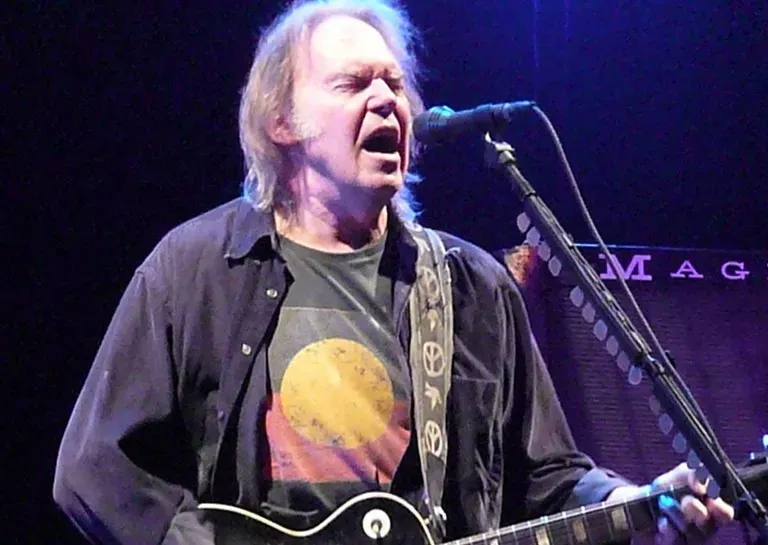
Neil Young built his reputation on raw, emotionally direct folk rock and grunge-adjacent guitar work, which made Trans feel like a transmission from another planet. The album leaned heavily on vocoders and synthesizers, with Young’s voice processed into robotic, distorted tones across most of the tracklist. Reportedly inspired in part by his desire to communicate with his son, who had cerebral palsy and used assistive communication devices, the record carried a personal weight beneath its cold, electronic surface.
Commercially and critically, it was a rough landing, alienating longtime fans who wanted the familiar rasp of “Harvest” or “Rust Never Sleeps.” Young’s label at the time was reportedly unhappy with the direction, and the album became part of a stretch of records so far removed from his signature style that it later fueled a lawsuit over albums deemed uncharacteristic of his work. Decades later, Trans is often reconsidered as an odd but sincere experiment rather than a commercial stunt, a rare case where an artist’s strangest work carried real emotional stakes.
Reinvention like this rarely comes without cost. Some of these albums damaged careers in the short term, others eventually earned reappraisal, and a couple turned into full-blown redemption stories decades later. What ties them together is a simple truth about creative risk: the artists who make these records know exactly how far they’re straying from what listeners expect, and they choose to do it anyway.Partner offer
Planning a trip to Vegas?
Compare hotel rates and show tickets on VEGAS.com.