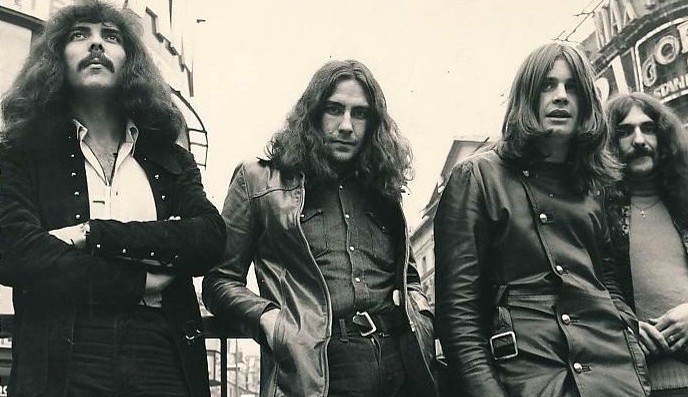
Most albums take months. There are drum sounds to chase, vocals to redo and mixes to fret over. A handful of landmark records skipped all of that and were finished between breakfast and midnight.
The reasons vary. Some artists were short on money, some wanted to catch a live moment, and some just played well and moved on. These seven are well documented examples, and each one shows a different way to work fast.
Please Please Me by The Beatles
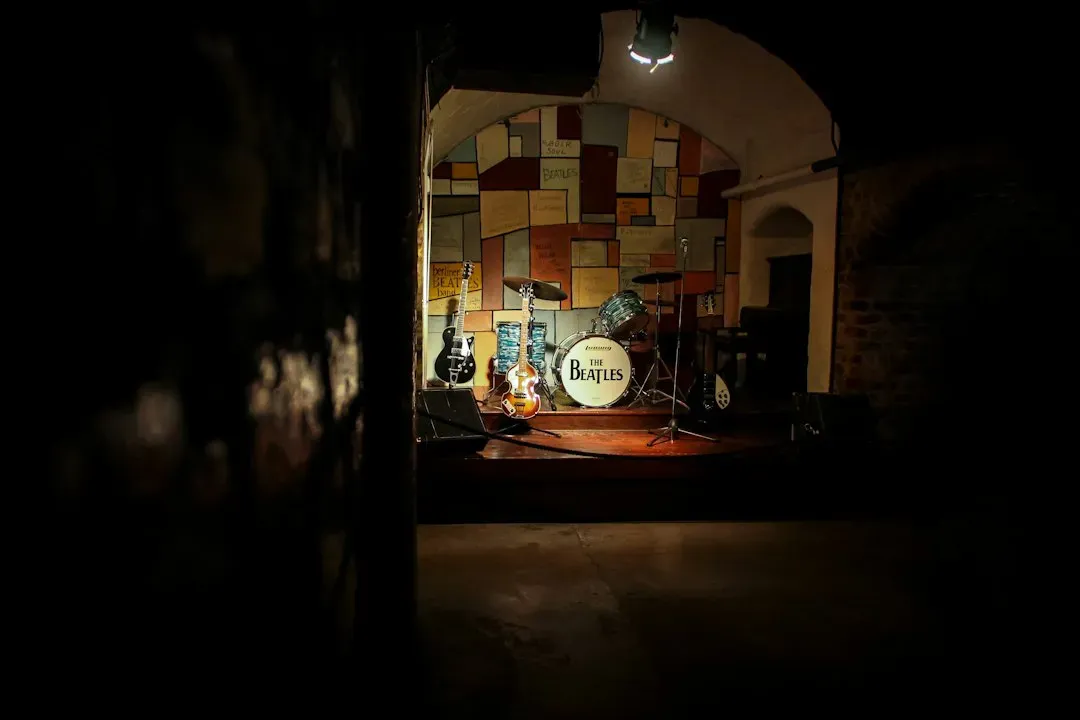
The Beatles recorded the bulk of their debut album on February 11, 1963, at EMI’s Abbey Road studios in London. The session ran for roughly ten hours. It was tight even by the standards of the day, because EMI wanted an album quickly after the band’s early singles had done well.
Four tracks were already finished from the earlier singles, so the group needed to cut the rest in one go. They did, and the closing song, “Twist and Shout,” was saved for the end because John Lennon’s voice was already worn out. It’s still one of the most famous single takes in pop history.
Black Sabbath by Black Sabbath
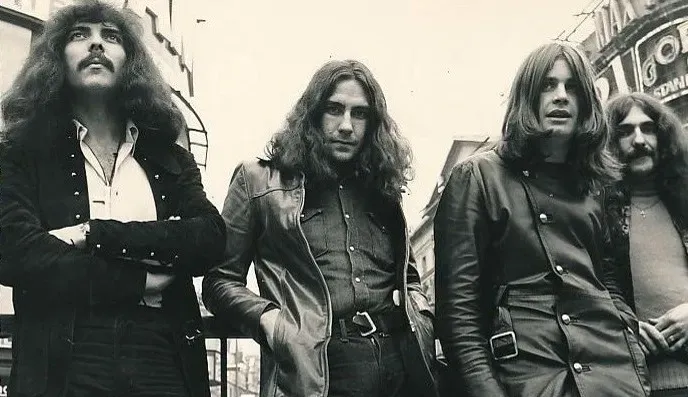
Black Sabbath went into Regent Sound Studios in London on October 16, 1969, and left with an album. Accounts of the session commonly describe a single day of work, with the band playing close to how they sounded on stage. Producer Rodger Bain kept things simple and left little room for overdubs.
The album came out in February 1970 and is often credited as a founding document of heavy metal. The speed shows in the sound. It’s heavy, a bit raw and very live, with a dark mood that matches the opening title track.
A Love Supreme by John Coltrane
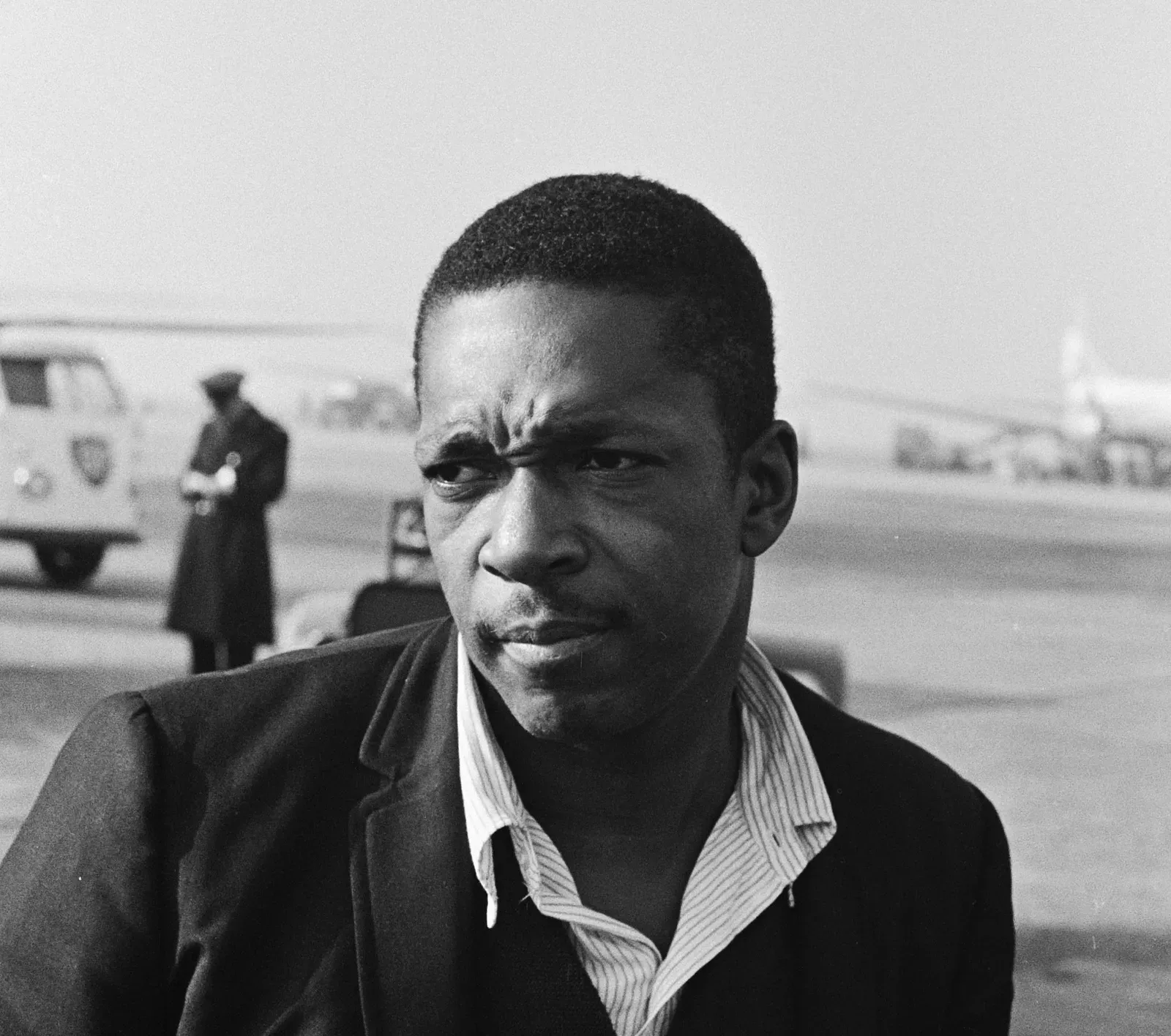
John Coltrane recorded A Love Supreme on December 9, 1964, at Rudy Van Gelder’s studio in Englewood Cliffs, New Jersey. His quartet was pianist McCoy Tyner, bassist Jimmy Garrison and drummer Elvin Jones. They played the four connected parts as a complete suite in a single session.
Coltrane considered the work a spiritual offering, and the focus in the room reflects that. The album went on to become one of the most acclaimed jazz records ever made. It’s a good reminder that a quick session can still carry enormous weight.
Free Jazz by Ornette Coleman
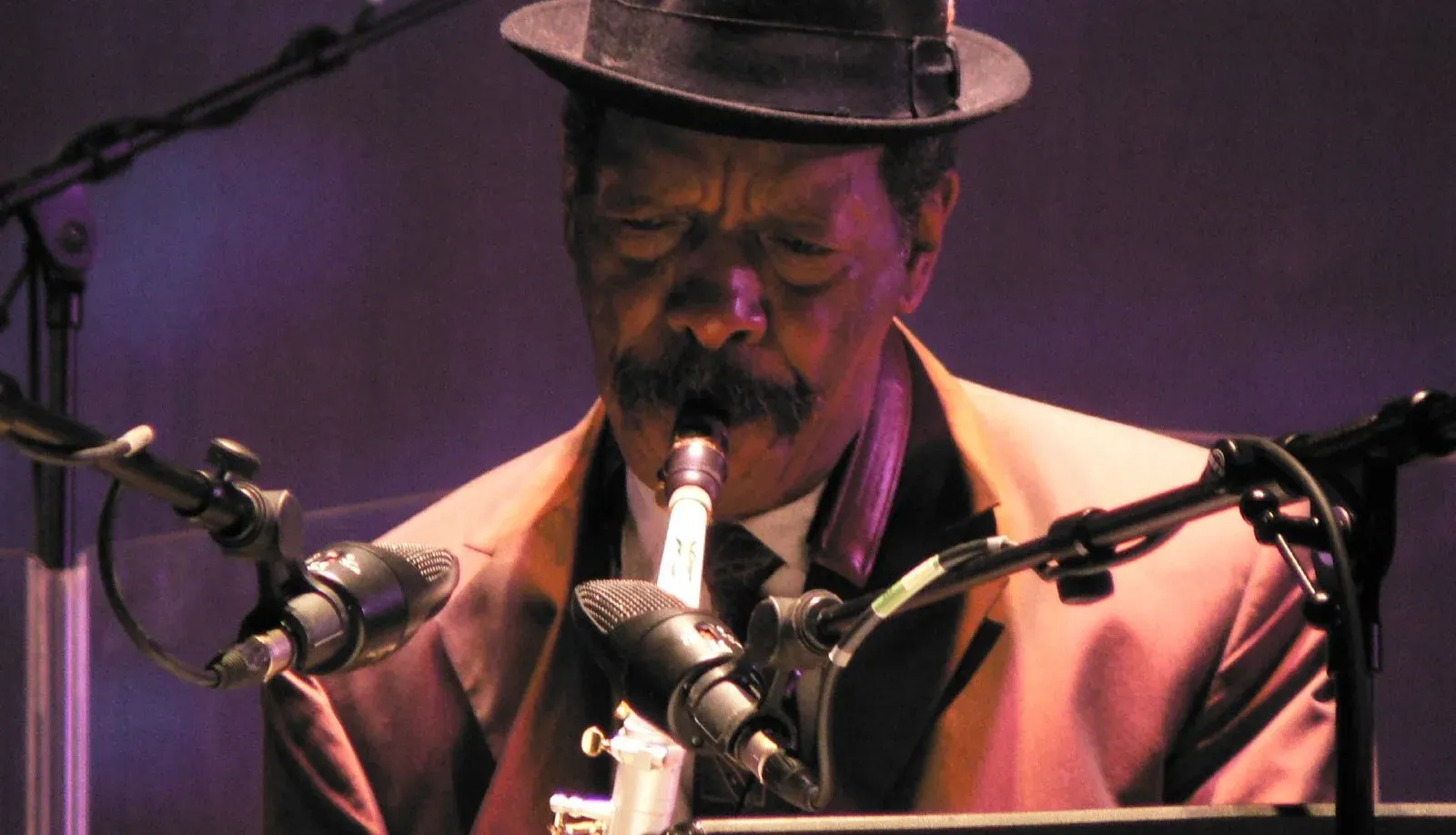
Ornette Coleman’s Free Jazz was recorded on December 21, 1960, in New York City. He used a double quartet, with two groups split across the stereo channels. The whole piece runs about thirty seven minutes and was captured in one session for Atlantic Records.
The format was unusual, and so was the plan. The musicians improvised collectively around loose cues instead of fixed song structures. The title later became the name of an entire movement, which is a lot to come out of a single day.
Waltz for Debby by Bill Evans Trio
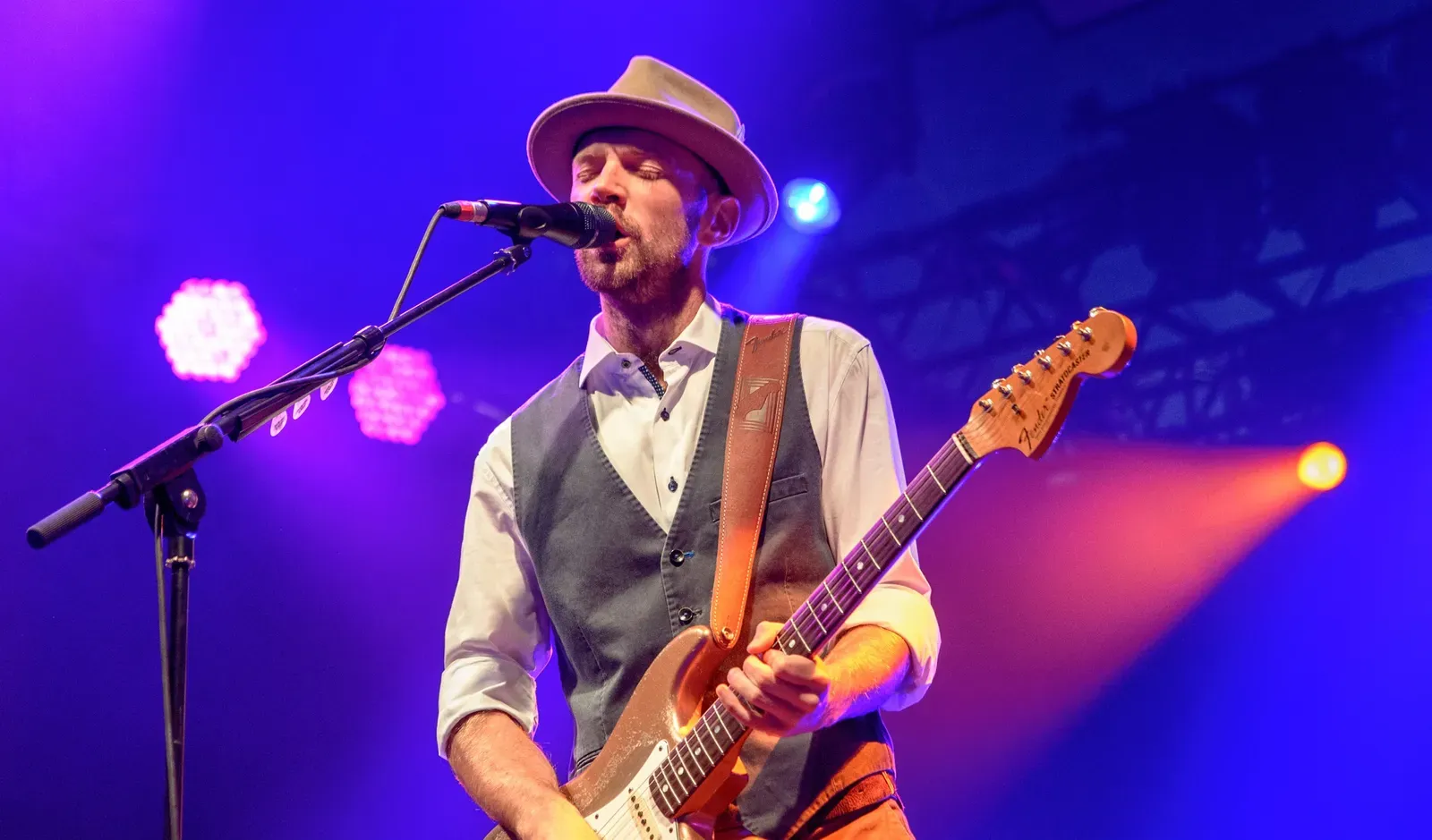
Waltz for Debby was recorded live at the Village Vanguard in New York on June 25, 1961. The trio of pianist Bill Evans, bassist Scott LaFaro and drummer Paul Motian played several sets that day, and Riverside Records taped them. The material was split across this album and its companion, Sunday at the Village Vanguard.
The day carries added weight because LaFaro died in a car accident on July 6, 1961, only about ten days later. The recordings became the final document of that trio. Listeners often point to the close interplay between Evans and LaFaro as a highlight.
At Folsom Prison by Johnny Cash
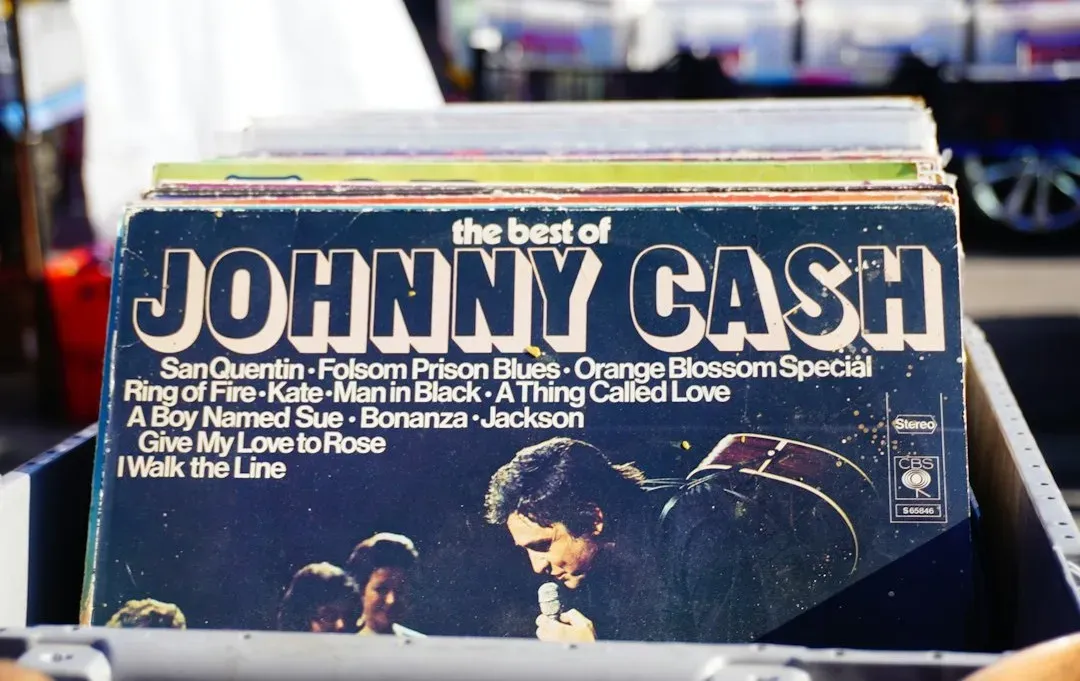
Johnny Cash performed two shows at Folsom State Prison in California on January 13, 1968, and Columbia Records recorded them. The album drew on that single day of concerts. It was released later in the spring of 1968.
The record helped revive Cash’s career at a time when it had been uncertain. The audience reactions were left in, which gives the album a lived in feel. Few live records capture the room as clearly.
Another Side of Bob Dylan by Bob Dylan
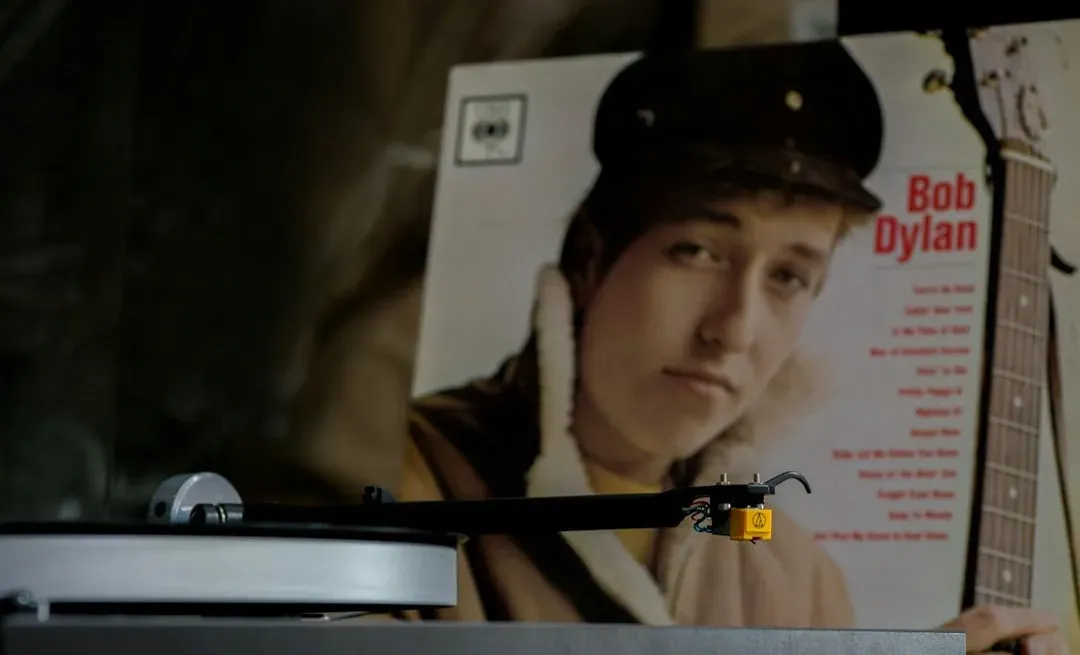
Bob Dylan recorded Another Side of Bob Dylan in a single evening session on June 9, 1964, at Columbia’s Studio A in New York. Tom Wilson produced, and Dylan played alone with his guitar and harmonica. He worked through the songs quickly, with few retakes.
The album marked a shift away from the topical protest songs of his earlier work. The lyrics turned more personal and more surreal. That the whole thing was captured in one night makes the change feel even more spontaneous.