Book bans feel like a very current argument, yet the fight is much older than most people assume. PEN America counted more than ten thousand instances of book removals in U.S. public schools during the 2023 to 2024 school year. That number shows the debate is far from settled.
History adds some perspective. Several books that were once pulled from shelves, seized by customs, or removed by school boards now sit on standard reading lists. Here are eight of them, and how each moved from suspicion to the classroom.
Ulysses by James Joyce
When pieces of Ulysses appeared in the American magazine The Little Review, the U.S. Post Office burned copies, and a court found the editors guilty of obscenity in 1921. For years the finished novel was effectively barred from being sold or imported into the country. Its dense style and frank treatment of the body made it an easy target.
That changed in 1933, when Judge John Woolsey ruled in United States v. One Book Called Ulysses that the novel was not obscene. The decision opened the door to an American edition, and the book soon became a fixture of modernist literature courses. It’s still more common in college classrooms than in high schools, but its legal path helped loosen censorship for many later works.
The Grapes of Wrath by John Steinbeck
Steinbeck’s 1939 novel about Dust Bowl migrants was banned from public libraries and schools in Kern County, California, in 1939. Local officials and agricultural interests objected to its portrayal of farm owners and working conditions. Some critics also called it vulgar, and copies were reportedly burned in places.
The book went on to win the Pulitzer Prize for the Novel in 1940, and Steinbeck received the Nobel Prize in Literature in 1962. Today it’s a staple of American literature and history units, often paired with lessons on the Great Depression. The controversy is now part of how teachers explain why the book mattered.
The Catcher in the Rye by J.D. Salinger
Published in 1951, Salinger’s novel drew complaints almost immediately over its profanity, its sexual references, and the attitude of its teenage narrator. It became one of the most frequently challenged books in American schools through the middle of the twentieth century. Some districts removed it from classrooms or libraries entirely.
Over time, many teachers came to see Holden Caulfield’s voice as a useful way into discussions of adolescence, alienation, and grief. The novel now appears regularly on high school reading lists across the country. It still gets challenged now and then, but it’s far more likely to be assigned than pulled.
Adventures of Huckleberry Finn by Mark Twain
In 1885, the Concord Public Library in Massachusetts removed Twain’s novel from its shelves, with critics calling it coarse and unfit for young readers. That makes it one of the earliest well known American book bans. Later objections shifted toward its repeated use of a racial slur and its depiction of Black characters.
Many schools now teach the book as a major satire of slavery and American hypocrisy. Teachers often frame it with historical context, and some districts use edited editions or choose alternatives. The debate over how to teach it hasn’t gone away, which says something about how the book is still being read.
Slaughterhouse-Five by Kurt Vonnegut
In 1973, school officials in Drake, North Dakota, burned copies of Vonnegut’s antiwar novel after it was used in a class. Objections focused on language and sexual content. The incident became a notable example of book burning in the modern United States, and Vonnegut himself wrote a public letter in response.
The novel draws on Vonnegut’s experience as a prisoner of war during the bombing of Dresden. That background has made it a common choice for high school and college courses on war, memory, and storytelling. It continues to be challenged in some districts, yet it’s also widely taught.
To Kill a Mockingbird by Harper Lee
Harper Lee’s 1960 novel faced objections soon after publication. In 1966, a parent in Hanover County, Virginia, called it immoral, and some officials sought its removal from school use. Complaints over the years have centered on racial language, rape as a plot element, and its handling of race.
Even so, it became one of the most commonly taught novels in American middle and high schools. Debates continue over whether it centers a white savior perspective, and a Mississippi school district drew national attention in 2017 when it removed the book from an eighth grade reading list. Many teachers now pair it with works by Black authors to widen the conversation.
Leaves of Grass by Walt Whitman
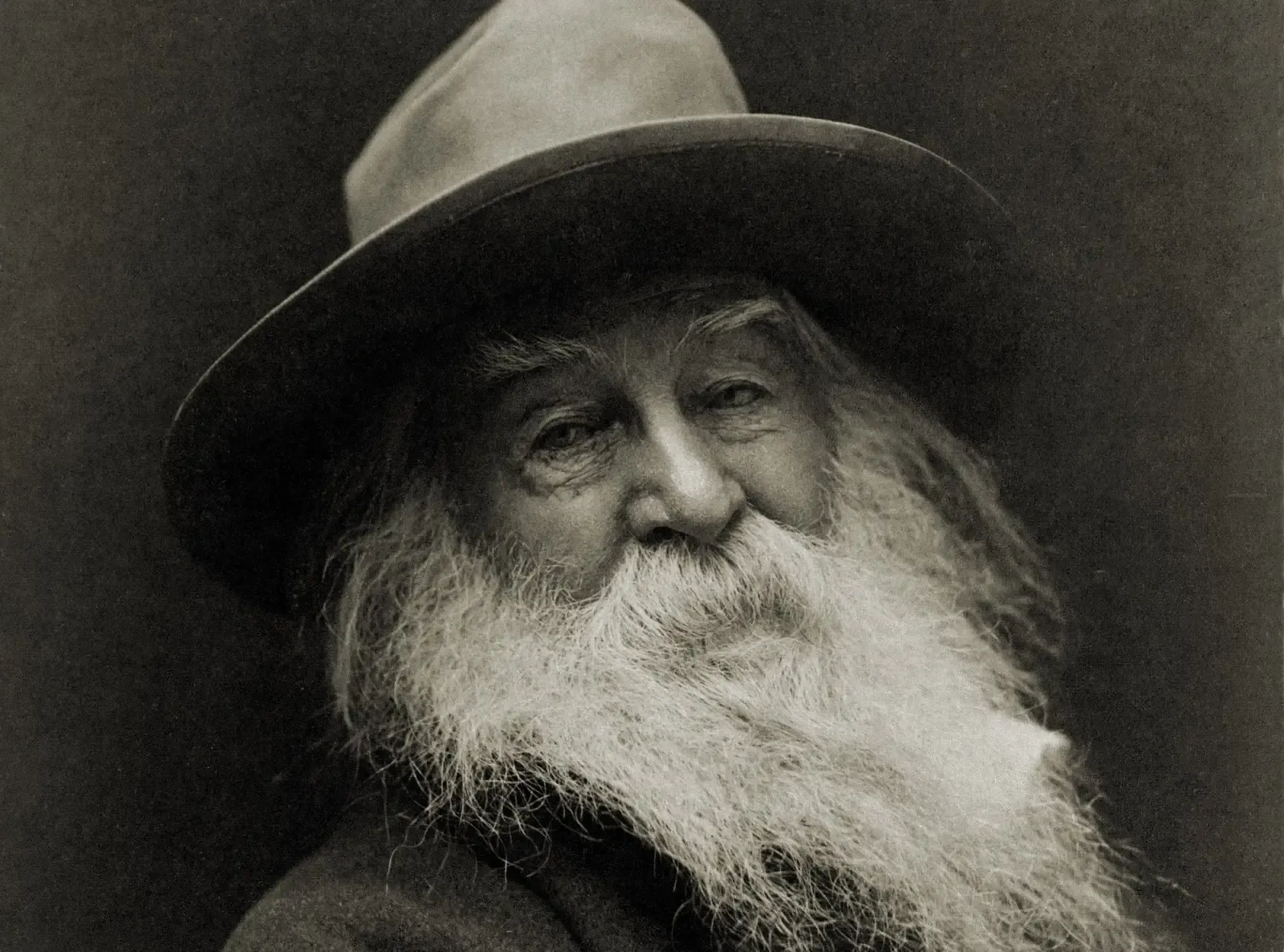
Whitman’s poetry collection ran into trouble in 1882, when Boston officials threatened its publisher with prosecution over what they considered obscene passages. The publisher stopped distributing that edition, and the book was effectively suppressed in the city for a time. The episode helped turn Whitman into a symbol of free expression.
The poems are now a central part of American literature courses, particularly in units on Romanticism and the nineteenth century. Teachers often use them to discuss democracy, the body, and the voice of the individual. Selections appear in many high school anthologies.
Catch-22 by Joseph Heller
Heller’s satirical World War II novel was removed from school libraries in some communities, including Strongsville, Ohio, in the early 1970s. The school board also pulled Kurt Vonnegut’s Cat’s Cradle, and a lawsuit followed. In 1976, a federal appeals court ruled in Minarcini v. Strongsville City School District that the board could not remove the books simply because it disliked their content.
That ruling became an important reference point in school library censorship cases. Meanwhile, Catch-22 settled into classrooms as a way to teach satire, bureaucracy, and the absurdity of war. Its title even entered everyday English as a phrase for a no win situation.