Long before smartphones and social media promised to connect us, humans were already gathering around fires, tables, and public squares to mark time, honor the dead, and celebrate the living. Some of these customs stretch back thousands of years, yet they still pull families and strangers alike into the same room, or the same street, at the same moment. What’s striking in 2026 is how little these traditions have lost their pull, even as the world around them keeps changing. There’s something worth noticing in the fact that ancient rituals, built long before anyone imagined global travel or instant messaging, still manage to fill stadiums, mosques, temples, and kitchens every single year. Here are seven of them, still going strong.
1. The Olympic Games
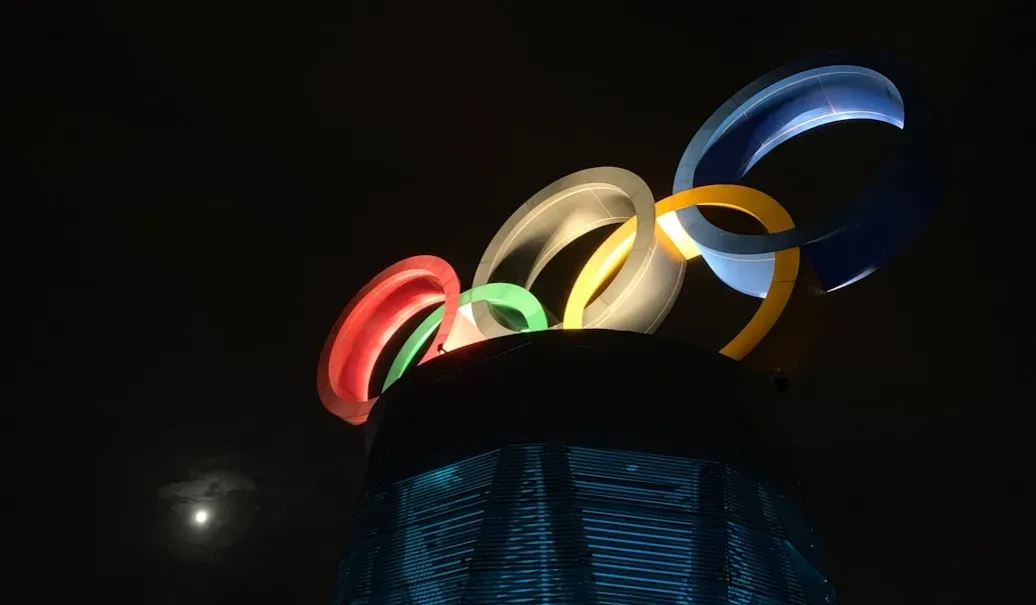
The Olympics trace back to ancient Greece, where athletic festivals in Olympia honored Zeus starting around the eighth century BCE. The modern revival in 1896 turned that old tradition into a truly global event, and it hasn’t slowed down since. In February 2026, the tradition continued once again as the Olympic Winter Games Milano Cortina 2026 took place in Italy from 6 to 22 February 2026, held across 15 competition venues, featuring 16 sport disciplines and bringing together more than 3,500 athletes from 93 countries.
What makes the Games remarkable isn’t just the competition itself but the shared ritual around it, the torch relay, the opening ceremony, the flags entering side by side regardless of politics back home. This edition added its own historic twist, since this is the first Olympics to be officially co-hosted by multiple cities, with Milan considered the economic capital of Italy. Even the closing moments carried an ancient echo, with the Closing Ceremony taking place in the Arena di Verona, a Roman amphitheater built in 30 AD that remains one of the best-preserved ancient structures of its kind. Few traditions manage to bridge antiquity and modern broadcast television quite so literally.
2. Ramadan and Eid al-Fitr
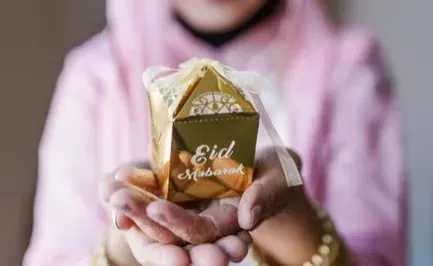
Ramadan is one of the oldest continuously observed religious traditions in the world, rooted in the Quran’s revelation over fourteen centuries ago. For Muslims globally, it’s less about individual devotion and more about shared rhythm, the same fast, the same prayers, the same nightly meals breaking bread together after sunset. It remains, as it has always been, a communal experience built around timing that the whole community follows in unison.
In 2026, that timing places Ramadan, the ninth month of the Islamic lunar calendar, as a time of fasting, reflection, prayer, and community for Muslims around the world, expected to begin on the evening of Tuesday 17 February 2026. The month closes with Eid al-Fitr, and according to Islamic calendar projections, Eid al-Fitr in the United States for 2026 is expected to fall on March 20, corresponding to 1 Shawwal 1447 in the Islamic calendar. The celebration itself hasn’t changed much in character over the centuries, since its significance is to mark the end of fasting in Ramadan, with celebrations including Zakat al-Fitr, Eid prayers, gift-giving, family and social gatherings, festive meals, and charity.
3. Diwali, the Festival of Lights
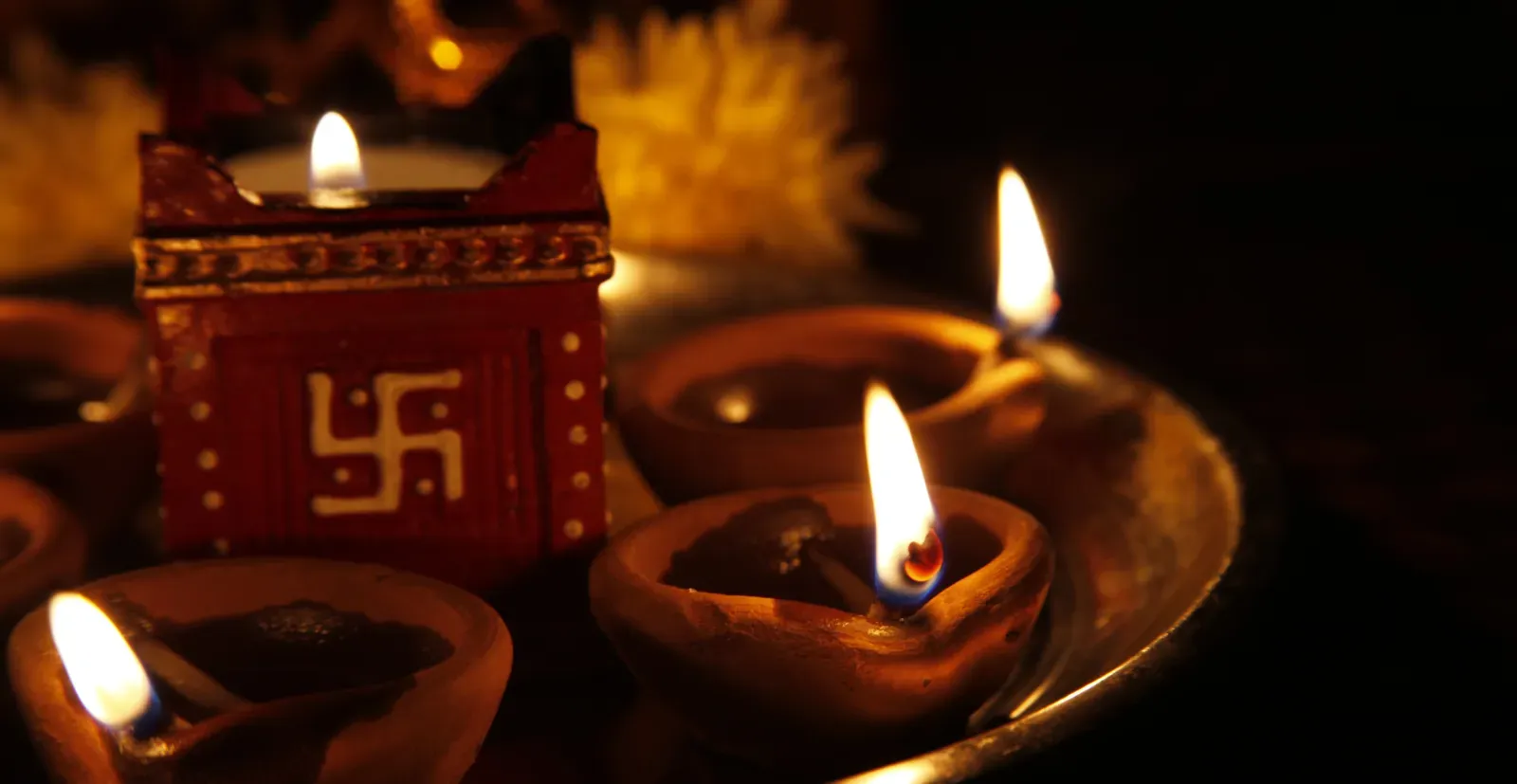
Diwali has been celebrated across South Asia for well over two thousand years, with roots in Hindu, Jain, and Sikh traditions that each attach slightly different meaning to the festival. At its core, though, it’s always been about light overcoming darkness, literally and symbolically, marked by rows of small oil lamps called diyas lining doorways and windowsills. Families clean their homes beforehand, much like a ritual reset before the new year in many other cultures.
What keeps Diwali so widely observed today is its flexibility as a communal event. It works equally well as an intimate family dinner or as a massive public fireworks display, and both versions have persisted side by side for generations. Cities from Mumbai to London to parts of North America now host public Diwali events that draw people well outside the original religious traditions, turning a household ritual into something closer to a shared civic celebration.
4. Lunar New Year
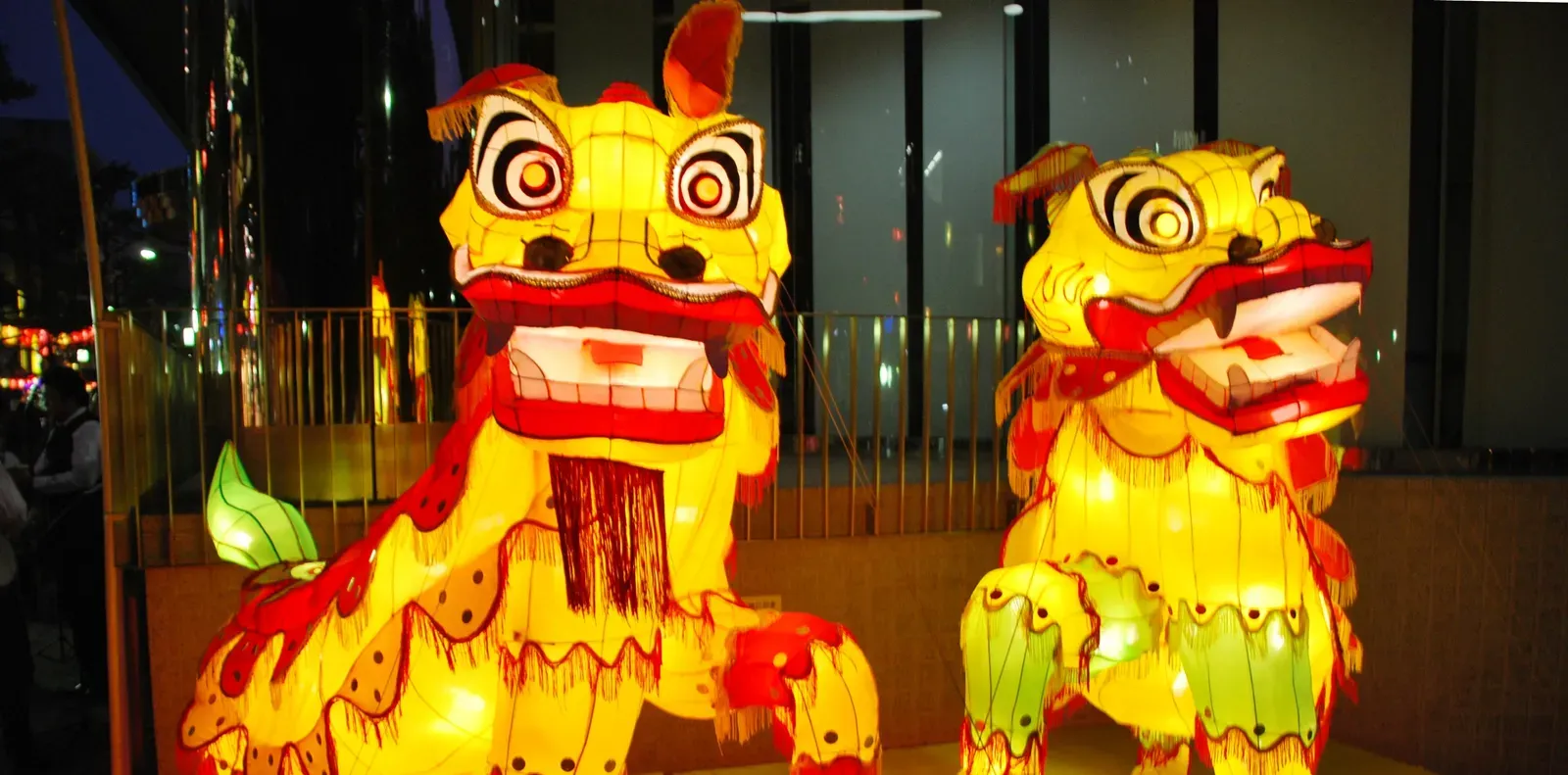
Lunar New Year, celebrated across China and much of East and Southeast Asia, has roots that predate written records by some estimates, tied to ancient agricultural calendars marking the change of seasons. The specific customs, red envelopes filled with money, dumplings, lion dances, firecrackers meant to scare off bad luck, have accumulated over centuries but the underlying purpose has stayed remarkably consistent. It’s a reunion holiday first and foremost, built around the idea that family should physically be together when the calendar turns.
That reunion instinct still drives one of the largest annual human migrations on the planet, as hundreds of millions of people travel home across China alone in the weeks surrounding the holiday. Outside Asia, Lunar New Year has increasingly become a public event in its own right, with parades and night markets appearing in cities with no historical connection to the holiday at all. It’s a good example of an ancient tradition expanding its reach rather than fading with time.
5. Día de los Muertos
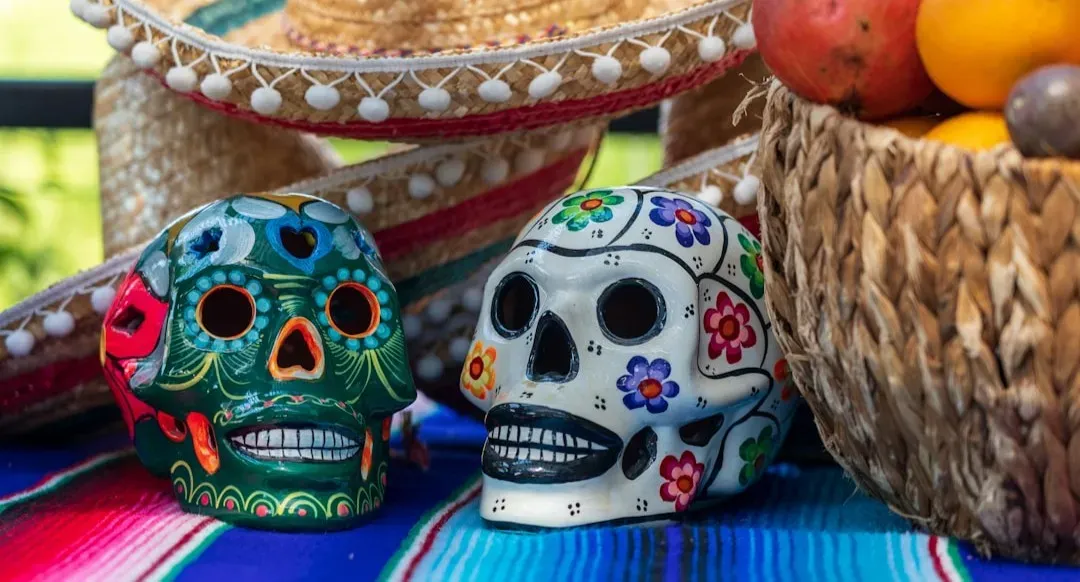
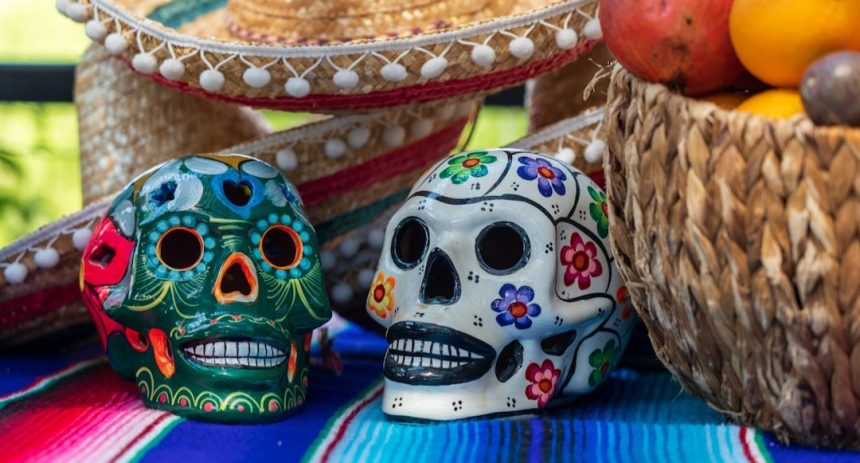
Día de los Muertos, or Day of the Dead, blends indigenous Aztec and other Mesoamerican beliefs about death with Catholic traditions introduced during Spanish colonization, creating something distinctly Mexican in the process. Rather than mourning, the holiday treats death as a continuation, inviting deceased relatives back for a visit through ofrendas, altars stacked with marigolds, sugar skulls, candles, and the favorite foods of the departed. The tone is closer to a family reunion than a funeral.
Cemeteries across Mexico still fill overnight on the first two days of November, with families cleaning graves, playing music, and sharing meals right beside the headstones. The tradition has also spread well beyond Mexico’s borders in recent years, with public celebrations now common in cities across the southwestern United States and increasingly in parts of Europe. Its growing international visibility hasn’t diluted the core idea, which remains grounded in the belief that remembering the dead is itself an act of togetherness.
6. Passover Seder
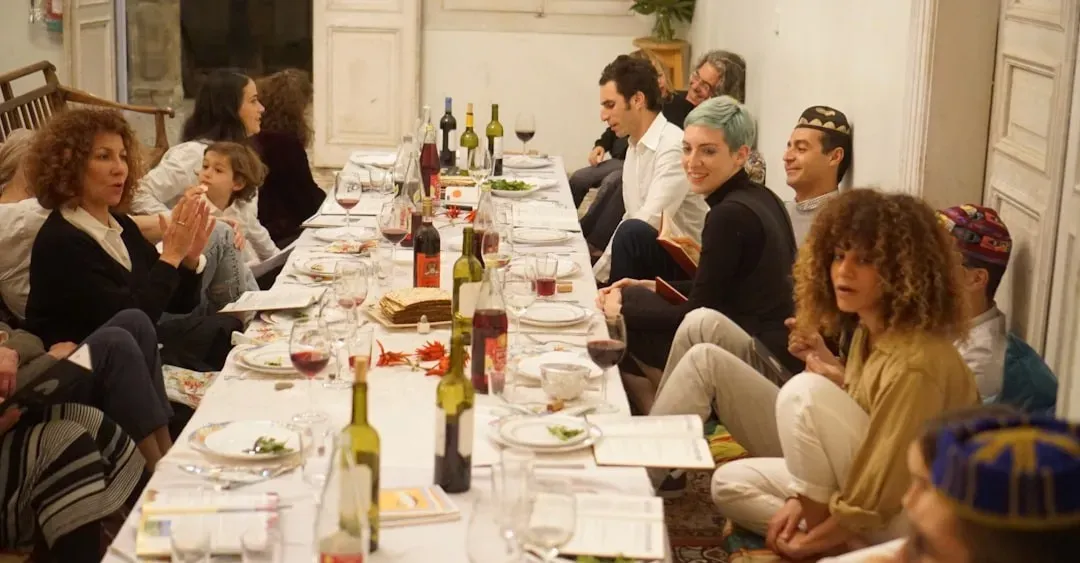
The Passover Seder is one of the oldest continuously practiced ritual meals in the world, commemorating the biblical exodus of the Israelites from Egypt roughly three thousand years ago. The structure of the meal, the reading of the Haggadah, the four cups of wine, the symbolic foods on the Seder plate, has remained largely unchanged for centuries, passed down almost word for word within families. That consistency is part of the point, since the retelling is meant to connect each generation directly to the story itself.
What sets the Seder apart from many other ancient rituals is its explicit design as a teaching tool built around questions, particularly those asked by the youngest person at the table. It’s a tradition that depends entirely on gathering, since the meal loses much of its meaning if celebrated alone. Jewish communities around the world, regardless of size or location, still treat the first night of Passover as a night when tables fill up and empty chairs are rare.
7. Carnival
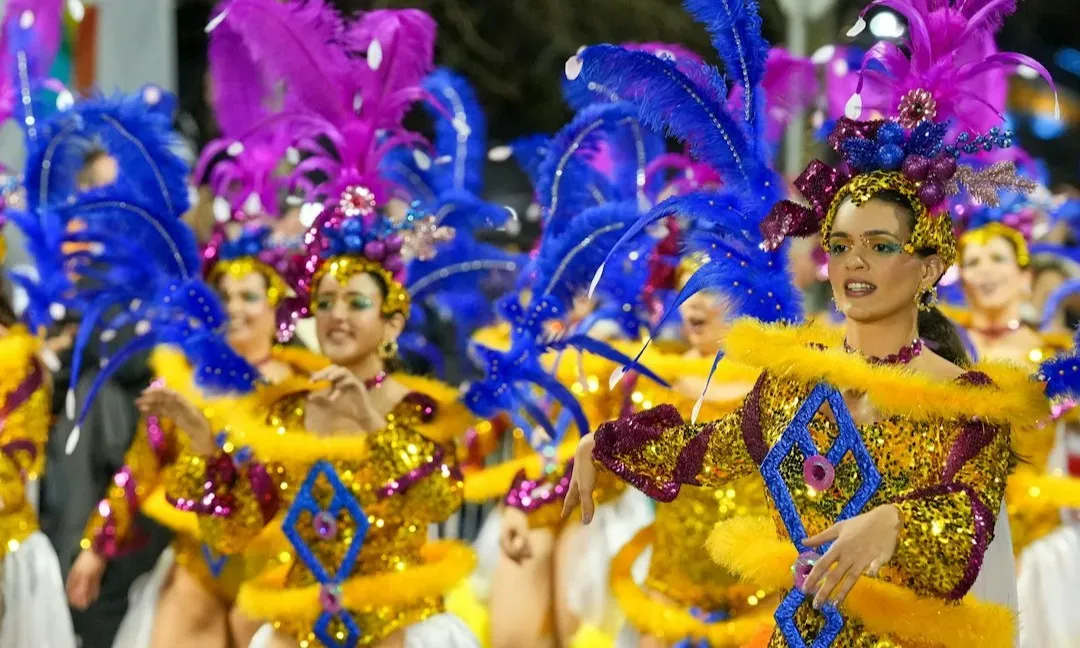
Carnival’s origins reach back to pre-Christian spring fertility festivals in Europe, later absorbed into the Catholic calendar as a final indulgence before the fasting season of Lent. Over the centuries it evolved into something far louder and more theatrical, particularly in places like Rio de Janeiro, Venice, and New Orleans, where costumes, parades, and music became the defining features. The underlying impulse, though, a public release before a period of restraint, has stayed remarkably intact.
Rio’s Carnival alone draws millions of visitors each year, with samba schools spending months preparing elaborate floats and choreography for a competition that doubles as citywide celebration. Venice takes a quieter, more theatrical approach with its masked balls, while New Orleans blends French, African, and Caribbean influences into Mardi Gras. Despite their different styles, all three versions share the same basic function, pulling entire communities into the streets together before a season of quiet reflection begins.