


Hollywood has a reputation for minting millionaires, and it’s not entirely undeserved. The top end of the pay scale is genuinely staggering. Still, the gap between what some performers earned and what their work actually generated for studios is one of the industry’s most persistent and quietly scandalous realities.
In Hollywood, an actor’s salary often reflects industry politics more than performance or impact. Contract timing, name recognition, and studio bias can all shape how much someone earns, even when the project becomes a massive success. In fact, some of the most memorable roles in film and TV were delivered by actors making far less than expected, even by industry standards. The seven cases below represent some of the most striking examples on record.
Harrison Ford – Han Solo in “Star Wars: A New Hope” (1977)

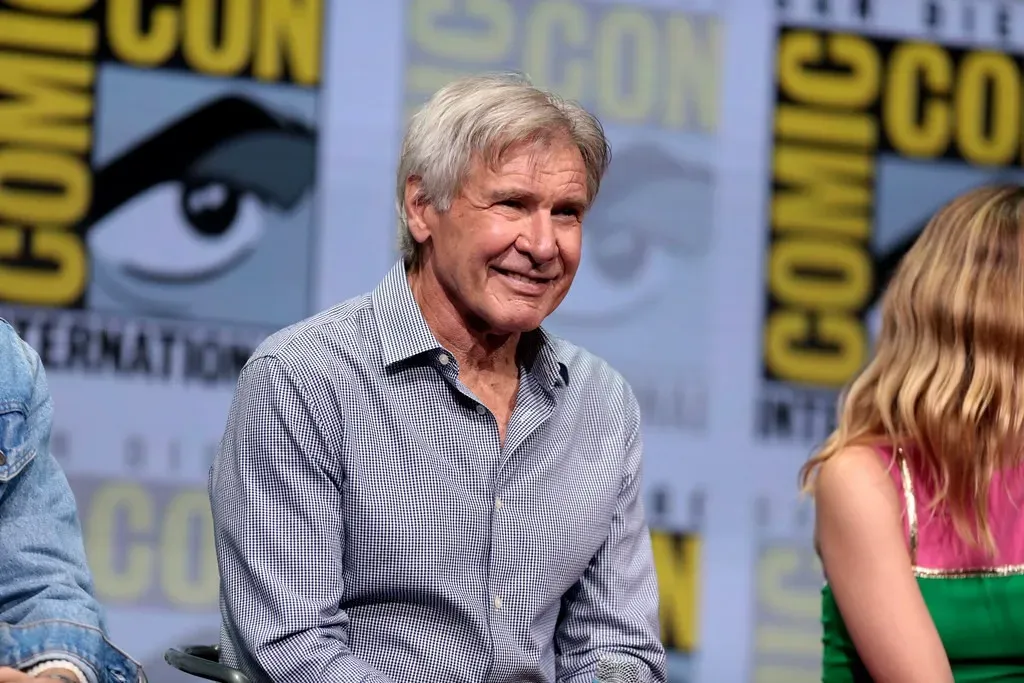
Harrison Ford’s role as Han Solo is one of the most iconic movie characters of all time. Ford, who had famously been doubling as a carpenter as he attempted to navigate his way into the industry, was still working as a carpenter when he was about to become an international star. For “Star Wars: A New Hope,” he was reportedly only paid $10,000.
Ford earned the absurdly small sum of $10,000 for helping to create one of the most iconic characters in cinematic history. His “Empire Strikes Back” payday only rose to $100,000, despite the franchise having already proven itself as a global phenomenon. The contrast between those earnings and the eventual worth of the Star Wars universe is difficult to overstate.
James Earl Jones – Darth Vader’s Voice in “Star Wars: A New Hope” (1977)

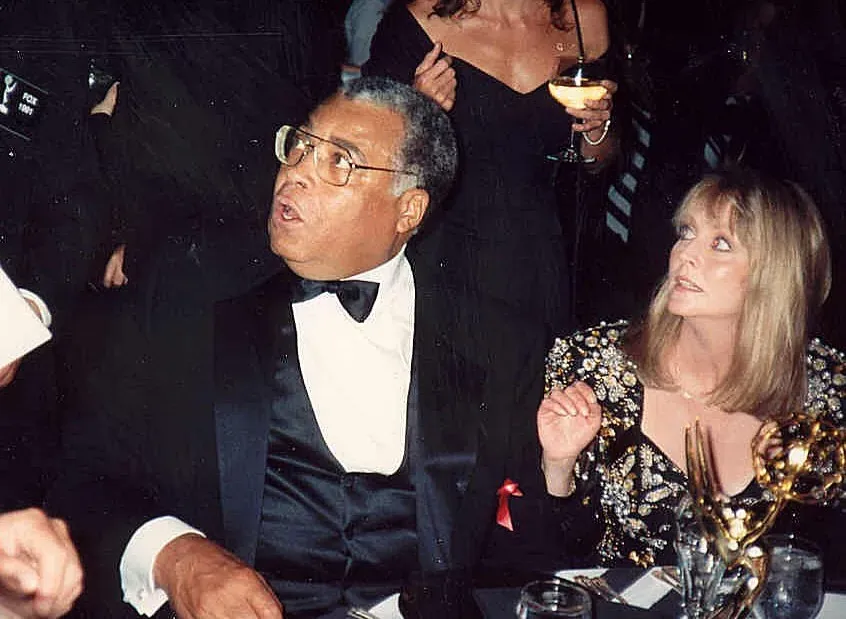
Despite providing the unforgettable voice of Darth Vader, James Earl Jones’s original earnings were minimal. He was paid only $7,000 and wasn’t even credited when the film debuted. This minuscule sum stands in sharp contrast to the Star Wars franchise’s current worth.
James Earl Jones was paid $7,000 to voice Darth Vader in “Star Wars: A New Hope.” The actor later recounted that George Lucas had wanted a particular vocal quality for the character. The voice Jones delivered became one of the most recognizable in cinema history, yet his compensation at the time barely reflected even a fraction of that cultural value.
Hilary Swank – Brandon Teena in “Boys Don’t Cry” (1999)
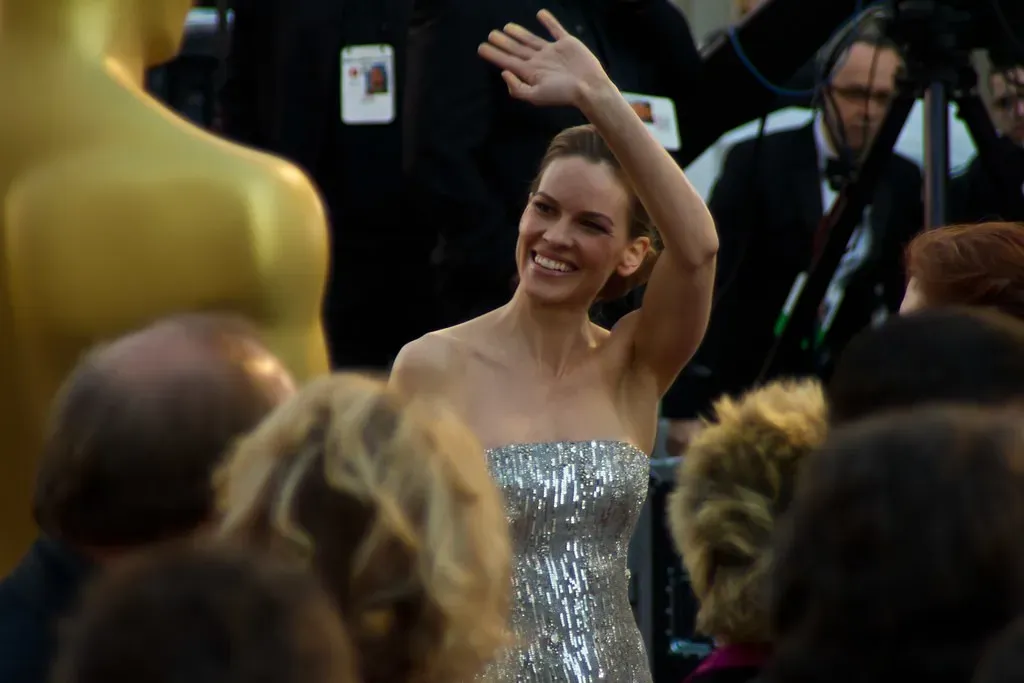
The film that put Swank on the map was 1999’s “Boys Don’t Cry,” in which she played Brandon Teena, a transgender man. Swank earned the Academy Award for Best Actress for her work, which might lead you to believe it was well-paying, but that’s not always the case. Swank revealed on Netflix’s “Chelsea” that she was only paid $3,000 to star in the independent film.
She explained that she had an Academy Award but no health insurance, because the actress didn’t qualify for her union’s health insurance, which required an earnings threshold of $5,000. Her $3,000 total amounted to around $75 a day. Few cases in Hollywood history illustrate the gap between critical recognition and financial reward more starkly than this one.
Matthew McConaughey – Ron Woodroof in “Dallas Buyers Club” (2013)

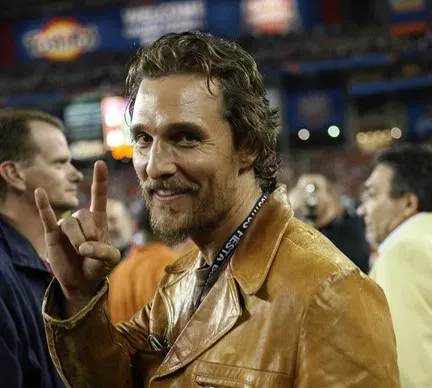
Matthew McConaughey’s commitment to authenticity in “Dallas Buyers Club” came at a cost, as he was paid only $200,000 for his transformative role as Ron Woodroof. The role demanded significant physical and emotional preparation, leading him to lose a considerable amount of weight to accurately portray the character. Despite the relatively low pay, McConaughey’s dedication to his craft resulted in a powerful performance that garnered him an Academy Award for Best Actor.
McConaughey followed in the footsteps of many actors looking to revive their careers by taking on more indie projects. After years of being cast in romantic comedies and a few action duds, he earned an Oscar for his critically acclaimed performance in “Dallas Buyers Club,” earning only $200,000 for the role. For an actor of his stature, that figure was a fraction of his standard rate at the time.
Michelle Williams – “All the Money in the World” Reshoots (2017)

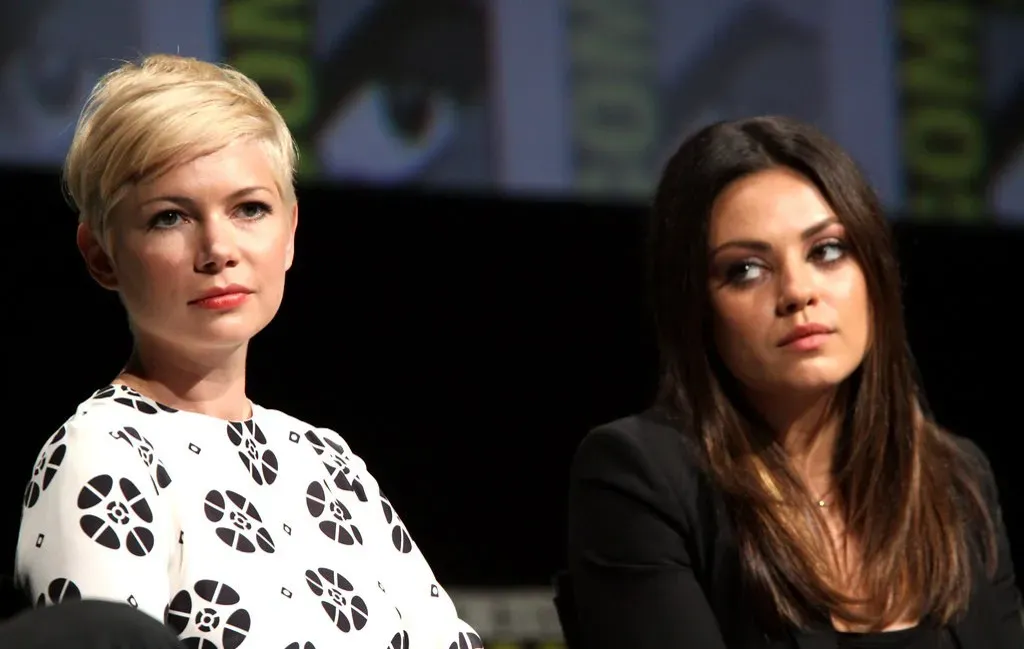
In a famous case that brought attention to the gender pay gap in Hollywood, Michelle Williams was paid less than $1,000 for reshoots on “All the Money in the World” after Christopher Plummer replaced the disgraced Kevin Spacey in the Ridley Scott movie. Co-star Mark Wahlberg, meanwhile, demanded $1.5 million for reshoots. This extended the already existing pay gap between them on the movie, which saw Williams paid $625,000 to Wahlberg’s $5 million.
Williams’ contract required her to do any necessary reshoots, while Wahlberg’s did not. So Wahlberg was in a position to negotiate, but Williams had no choice. Still, Williams being required to participate in the reshoots doesn’t make it right that she was given an insultingly low sum of money for the same amount of work. The public backlash that followed prompted Wahlberg to donate his reshoot payment to the Time’s Up movement.
Taraji P. Henson – Queenie in “The Curious Case of Benjamin Button” (2008)

In 2008, Taraji P. Henson landed one of the most iconic roles of her career as Queenie, the adoptive mother of the lead played by Brad Pitt, in “The Curious Case of Benjamin Button.” This David Fincher production not only became a box office hit, grossing over $335 million worldwide, but also earned the cast a huge number of nominations, including Oscar noms for Henson and Pitt. However, even though she was one of the film’s most acclaimed performers, Henson disclosed in an interview with “The Real” that she was only paid $150,000 for her famous role, which after taxes and other expenses came down to $30,000, considerably less than what Pitt and Cate Blanchett received for their roles.
Her performance as Queenie earned Henson an Oscar nomination, but her pay was far less celebratory, at about $150,000 before taxes and fees. The studio denied her request for more, even while her co-stars took home significantly higher salaries. She has since become a powerful voice calling out pay disparities in Hollywood. Her experience resonated widely, particularly among Black actresses who recognized the pattern she was describing.
Bill Murray – Herman Blume in “Rushmore” (1998)

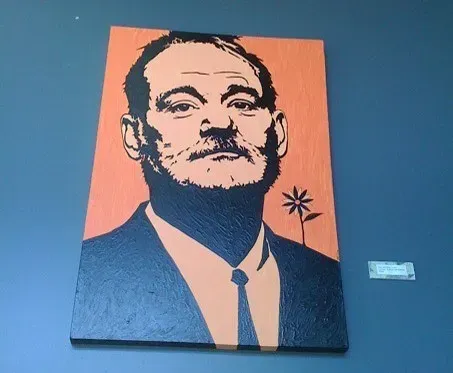
After being one of Hollywood’s top comedy stars in the 1980s and early 1990s, Bill Murray’s career dulled a bit as that decade wore on, with the legendary actor seeming to stop caring all that much about what roles he took. That all changed when Murray appeared in the 1998 Wes Anderson movie “Rushmore,” which reinvigorated the actor’s career and saw him begin to favor more sophisticated roles. Murray was among the first A-list Hollywood actors of the era to take a major pay cut in order to appear in a small-budget film, with the actor only netting “scale” for his role, which came to about $9,000.
Murray agreed to work for scale, the lowest daily wage a Screen Actors Guild member is allowed to take. He was therefore paid $9,000 for the movie, and in fact nearly made a loss when he gave director Wes Anderson a $25,000 check after Disney refused to allow him to shoot a scene requiring a helicopter. Anderson, however, never cashed the check. Murray’s willingness to prioritize the work over the paycheck is rare in any industry, let alone one where leverage is everything.

