Fame has a way of arriving before a person is ready for it. When it arrives before someone even hits their teens, the consequences can be lasting and deeply complex. The entertainment industry has always had an appetite for youthful talent, but that appetite has not always come with much concern for what happens to the child once the cameras stop rolling.
The stories below aren’t cautionary tales in the abstract. These are real people who were handed careers – sometimes careers they never asked for – while still in the middle of growing up. Some found their footing eventually. Others carried the weight of early stardom for the rest of their lives.
1. Judy Garland – The Studio System’s Most Tragic Casualty

Garland became a solo act at age 13 after signing a movie contract with MGM Studios in September 1935. What followed was years of relentless performance pressure inside a studio system that treated its young stars as commodities. Signed to Metro Goldwyn Mayer, she appeared in more than two dozen films for the studio, and under contract she was constantly scrutinized by studio bosses, particularly in reference to her weight.
According to biographers, when Garland was just ten years old, her pushy stage mother, Ethel Gumm, would drug her with stimulants so she would stay awake for 72-hour shoots, only to then force-feed her sleeping pills to knock her out when she wasn’t required on set. This brought about medical dependencies that would prove fatal in later life, and many of the ills that plagued her later life can be traced back to her early career experiences. Judy Garland died in 1969 at the age of 47 from an accidental barbiturate overdose – a direct line, many biographers argue, to the habits instilled in her as a child.
2. Macaulay Culkin – The Boy Who Fired His Parents
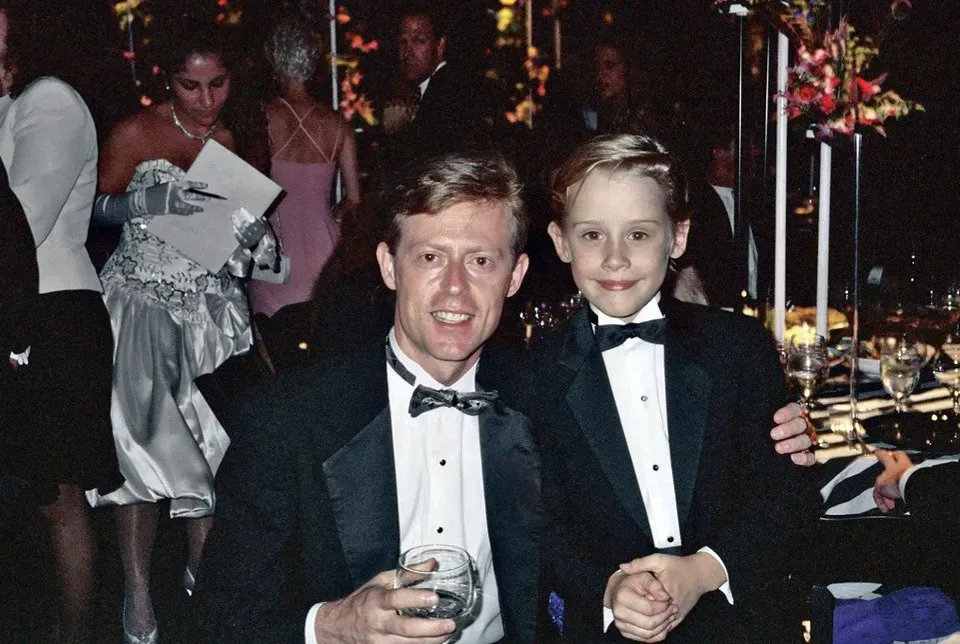
Macaulay Culkin became a household name with his unforgettable role as Kevin McCallister in “Home Alone,” and his comedic timing, expressive face, and undeniable charm cemented him as one of Hollywood’s most successful child actors. Behind the scenes, though, things were considerably darker. Culkin revealed how his father, Kit, worked him relentlessly during his early years as a child actor – all-night memorization sessions were the norm, and his father reportedly kept getting his son cast in more movies without asking what the young actor wanted.
By the age of 14, Culkin made the heartbreaking decision to emancipate himself from his parents, a move that stunned fans worldwide and revealed the darker side of child stardom. At the time, the actor claimed his father had mismanaged the money from his early movies and abused him. Today, Culkin has moved into podcasting and comedy on his own terms – carving out an image separate from his childhood fame.
3. Drew Barrymore – A Childhood Spent in the Spotlight and in Rehab

Drew Barrymore’s journey into acting began incredibly early, at just 11 months old when her mother got her a role in a dog commercial, with her global fame arriving at age seven with her role in “E.T.” The attention that came with that role was enormous, and almost nothing in her home life was structured to protect her from it. Her mother used to take her to nightclubs at age 8, where she would drink, smoke, and use other substances – all before she turned 13.
She went through an adolescence dealing with substance abuse and going to rehab twice before she turned 14. Barrymore won emancipation from her parents at the age of 14, a move the actress has said she made in order to bypass some child labor laws. Her story does have a more positive turn than many. Her later achievements as a producer and entrepreneur showcase her resilience and ability to transform herself.
4. Britney Spears – Groomed for Stardom Almost From Birth

During her childhood, Britney Spears had gymnastics and voice lessons and won many state-level competitions and children’s talent shows. When she was just eight years old, she and her mother traveled to Atlanta to audition for the 1990s revival of The Mickey Mouse Club, though the casting director rejected her as too young. She made it back to the show eventually, joining the cast as an 11-year-old in a reboot of the 1955 series.
Partner offer
Spears skyrocketed to pop stardom in the late 1990s, and her public struggles in 2007 resulted in a conservatorship that managed her financial affairs for more than ten years. The conservatorship, controlled largely by her father Jamie Spears, became one of the most scrutinized celebrity legal situations in modern history. Spears’ eventual release from this arrangement sparked conversations about celebrity health and autonomy over one’s own life decisions.
5. Gary Coleman – Robbed of His Earnings, Then His Health

Gary Coleman gained wide public recognition for his role on the late 1970s show “Diff’rent Strokes,” and he was only 10 years old when he began portraying Arnold Jackson, an orphaned Harlem native adopted by a wealthy man. In his peak earning years, Gary commanded a reported paycheck of $100,000 per episode. None of that money was waiting for him when he needed it.
In 1989, Gary Coleman took legal action against his parents for allegedly mishandling his substantial multimillion-dollar earnings during his time on “Diff’rent Strokes,” having discovered upon turning 18 that his financial accounts had been severely depleted. Eventually granted $1.3 million in damages, he was still forced to file for bankruptcy in 1999 after accounting for legal fees and medical expenses, and by the time of his untimely death in 2010 at age 42, Coleman had not maintained any contact with his parents for approximately two decades.
6. Jennette McCurdy – When Acting Was Never Her Dream to Begin With

McCurdy’s memoir chronicles her unwilling journey as a child actor, pushed into the industry when she was 6 years old by her abusive mother. Her mom was determined to make her famous from an early age, which led to changes like hair bleaching, teeth whitening, and calorie counting when she was 10, resulting in her struggling with eating disorders during her time on the sitcom “iCarly.” The performance she was giving on screen – a wisecracking, carefree kid – was the opposite of her actual experience.
When the cameras weren’t rolling, McCurdy says she was an anxious, traumatized child actor terrified of disobeying the controlling and abusive person who pressured her to enter show business – her own mother. While her mother’s death freed McCurdy from that control, it also left her to deal with eating disorders, obsessive-compulsive disorder, anxiety, and struggles with alcohol abuse all by herself. Now, years after quitting acting, McCurdy is pursuing directing, writing, and podcasting, and feeling fulfilled.
7. Corey Feldman – Famous at Three, Fighting for Himself for Decades
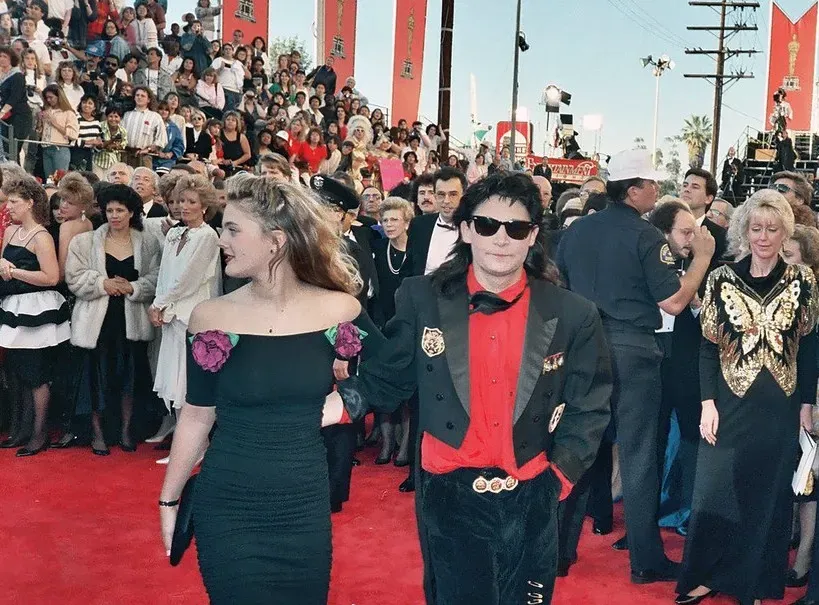
Corey Feldman began his career at the age of three, starring in a Clio Award-winning McDonald’s commercial, and went on to guest-starring roles on several television series before landing a regular part on the sitcom “The Bad News Bears.” He rose to broader prominence in the 1980s through “Stand By Me,” “The Goonies,” and “The Lost Boys.” By 15, he was reportedly worth close to $1 million – none of which was adequately protected.
Feldman discovered at 15 that his parents had squandered much of his earnings, and his emancipation allowed him to regain control of his finances and distance himself from the toxic family dynamics that had contributed to his struggles. Emancipated from his parents, Feldman said he turned to drugs and alcohol as a way to escape abuse from his mother and the sexual abuse he suffered while in the film industry. In his autobiography “Coreyography,” he revealed enduring sexual abuse within the entertainment industry and has publicly advocated for awareness and systemic reform, citing a culture of silence that enabled predators.
What runs through all of these stories is a version of the same structural failure: adults in positions of authority – parents, managers, studio executives – who prioritized output over wellbeing. The children involved had little say and even less legal protection in many cases. Reforms like the Coogan Law, which set the precedent in 1939 by requiring that at least 15% of a child’s income be put in a trust, and also specified working hours, schooling, and time off, have helped somewhat, but they’ve never been a complete answer. The entertainment industry’s relationship with its youngest performers remains something the culture keeps revisiting, largely because the same patterns keep resurfacing in new forms.
Partner offer
Planning a trip to Vegas?
Compare hotel rates and show tickets on VEGAS.com.