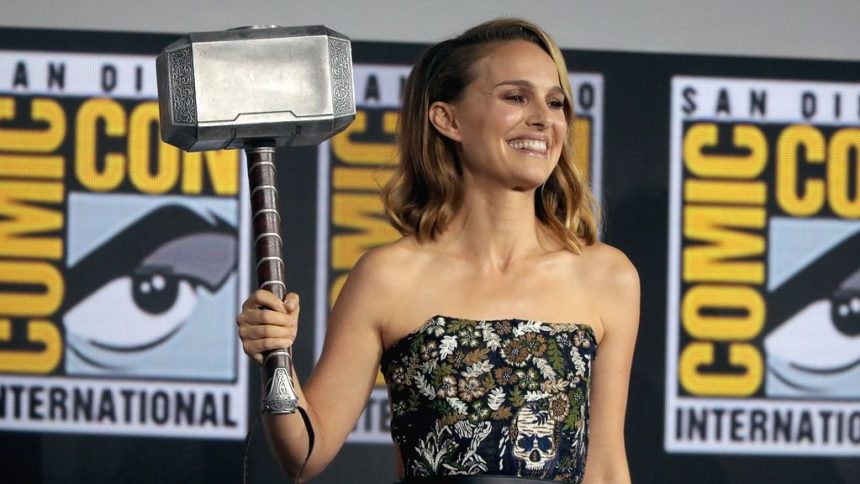
There’s a version of acting that happens on the surface – learning lines, hitting marks, finding the emotional truth of a scene. Then there’s a version that goes somewhere more extreme, where the body itself becomes part of the performance. Hollywood has always had actors willing to reshape themselves for a role, but a handful have crossed lines that left even their most seasoned colleagues struggling to find words. These eight actors didn’t just commit to a character. They altered themselves in ways that sparked genuine alarm, reignited long conversations about the ethics of physical transformation in film, and ultimately changed how the industry thinks about what actors are willing to sacrifice for their craft.
Christian Bale – The Machinist (2004)
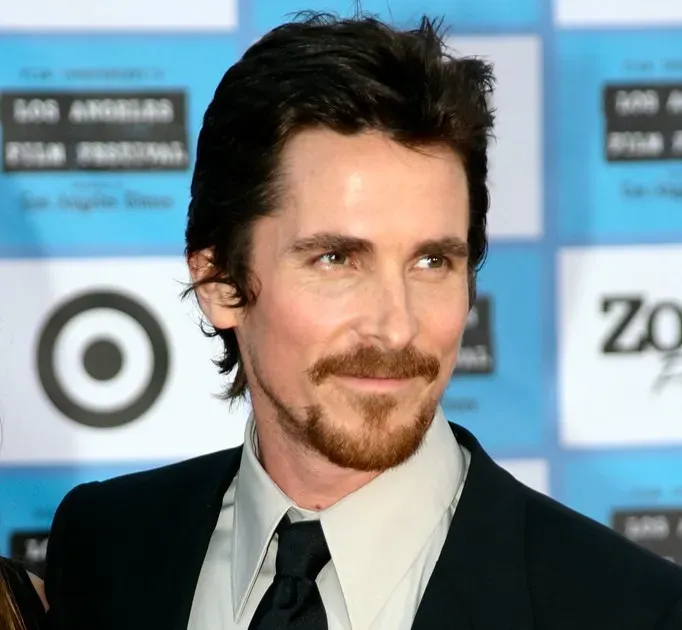
Few transformations in cinema history come close to what Christian Bale did for the psychological thriller The Machinist. He lost 62 pounds to play Trevor Reznik, dropping from 173 pounds to just 110 pounds. His diet was alarmingly restrictive, consisting of only a can of tuna and an apple per day, with coffee and water as his only drinks. The numbers alone were enough to horrify medical professionals.
Bale reportedly wanted to lose even more weight and get down to 100 pounds, but the film’s producers intervened for fear that it would cause him long-term health issues. His transformation is even more staggering given the fact that he then bulked up to 220 pounds for Batman Begins just one year later. The industry had never quite seen a body treated as such a relentless tool for storytelling.
Matthew McConaughey – Dallas Buyers Club (2013)
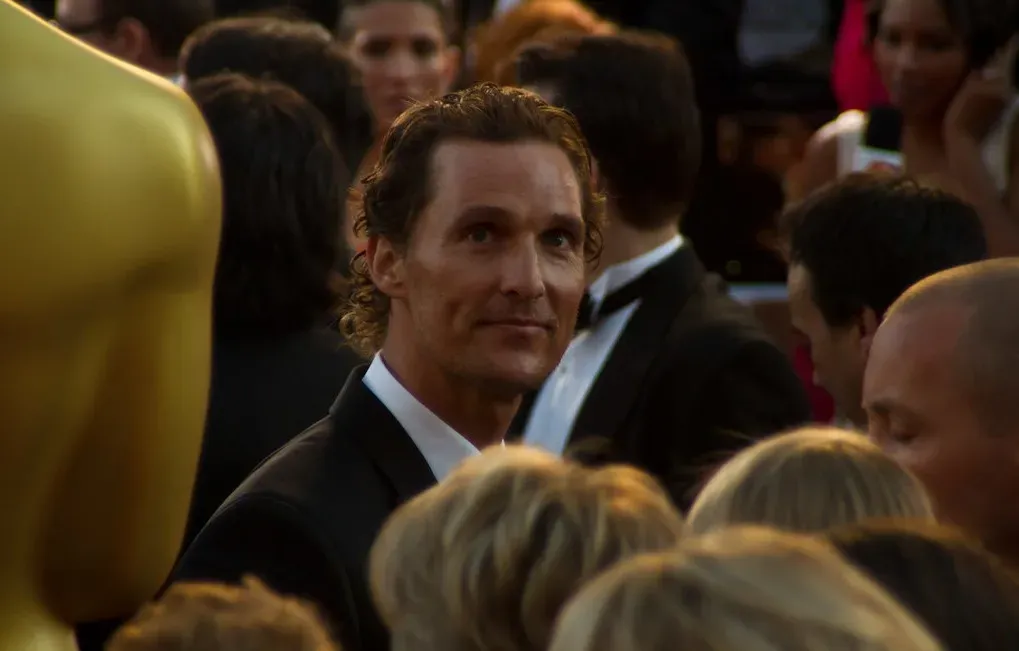
McConaughey lost 47 pounds for the film, which was shot in Louisiana over just 27 days. Playing Ron Woodroof, a real-life AIDS patient and activist from the 1980s, required more than looking gaunt. Beyond the physical transformation, McConaughey’s journey involved a deep emotional connection with the story, immersing himself in research, reading books, watching documentaries, and speaking with people who lived through the AIDS epidemic.
To achieve the weight, McConaughey was reportedly ingesting only a few hundred calories a day, which is enough to affect anyone’s ability to process thoughts and function normally. It earned him critical acclaim and an Academy Award for Best Actor, solidifying his status as a serious dramatic actor. Audiences who had known him primarily from romantic comedies were left genuinely unsettled the moment he appeared on screen.
Charlize Theron – Monster (2003)

Charlize Theron’s transformation in Monster remains one of Hollywood’s most talked-about character makeovers. To portray real-life Aileen Wuornos, Theron gained 30 pounds through a diet of Krispy Kreme doughnuts and potato chips. Her appearance was drastically altered further using prosthetics, bleached and partially shaved eyebrows, and dentures that changed her speech. The overall effect was so complete that even people who knew her found the images almost unrecognizable.
Theron explained that putting on the weight was a way of understanding what Aileen experienced, rather than simply looking different for the part. She said that had she made the film with her naturally athletic body, she wasn’t sure she would have felt the things Wuornos felt – it was about getting to a place where she felt closer to how Aileen was living. That level of physical empathy earned her the Academy Award for Best Actress.
Natalie Portman – Black Swan (2010)

Natalie Portman underwent a rigorous training schedule for Black Swan that included many hours of daily ballet practice. She lost a significant amount of weight and suffered several injuries, including a dislocated rib during production. A full year before shooting began, Portman went through extreme ballet and cross-training, shedding 20 pounds from her already small frame. The preparation was less like preparing for a film and more like training for a professional dance career from scratch.
Portman has admitted that she became so skeletal, there were nights she thought she was going to die. She described the experience as physically and mentally exhausting, and the role earned her an Academy Award – though the recovery process lasted long after the cameras stopped rolling. Her director Darren Aronofsky was reportedly so alarmed at one point during production that he urged her to eat more.
Partner offer
Jared Leto – Chapter 27 (2007)

Jared Leto took method acting to a painful extreme when he gained 67 pounds for the 2007 indie film Chapter 27. The transformation was so drastic that it left him suffering from gout. To portray Mark David Chapman, the man who killed John Lennon, Leto packed on the weight by subsisting primarily on microwaved cartons of ice cream mixed with olive oil and soy sauce. The sheer velocity of his weight gain shocked even those accustomed to Hollywood extremes.
The gain left Leto with gout, high cholesterol, and trouble walking. He needed a wheelchair because the pain was so severe, his body went into shock from the amount of weight he had gained, and it took about a year to get back to a place that felt even semi-normal. Curiously, just a few years later Leto would lose weight dramatically for Dallas Buyers Club, swinging his body in the completely opposite direction.
Joaquin Phoenix – Joker (2019) and Joker: Folie à Deux (2024)
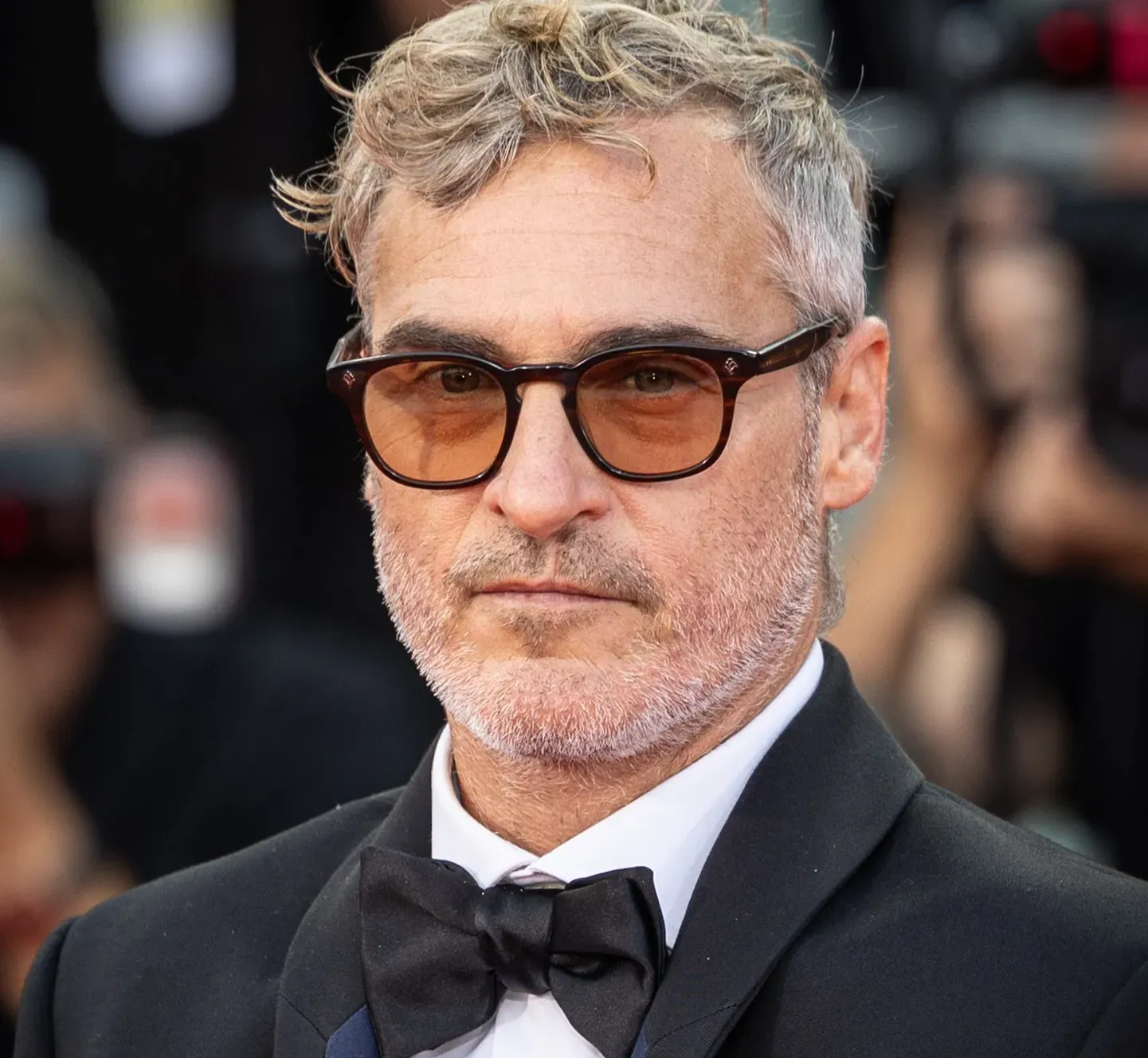
Joaquin Phoenix famously lost 52 pounds for his role as Arthur Fleck in the original Joker. To achieve the character’s gaunt, emaciated look, Phoenix survived on a diet consisting mainly of lettuce and steamed vegetables. The result was a physical performance so viscerally disturbing that it became inseparable from the film’s impact, earning him the Academy Award for Best Actor.
While preparing for the 2024 sequel, Joker: Folie à Deux, Phoenix revealed during a Venice Film Festival press conference that the process was even more challenging the second time, partly due to extensive dance rehearsals, and that the transformation was considerably more difficult than before. Acknowledging the risks of such drastic weight loss at 49, he admitted he probably shouldn’t do it again – and expressed regret over how his weight loss had become something of an obsession.
Anne Hathaway – Les Misérables (2012)

Anne Hathaway lost around 25 pounds for the 2012 musical, following a strict diet of dried oatmeal paste, initially shedding 10 pounds before filming and then losing an additional 15 pounds by consuming just two thin pieces of oatmeal paste a day. The character of Fantine, a woman literally wasting away from illness and despair, required Hathaway to visibly deteriorate across the course of the shoot.
Hathaway later said she felt very anxious and very lost during that time due to the effect of the calorie restriction on her brain function and overall happiness. In addition to the weight loss, she also shaved her head for the role, and has since acknowledged that the way she went about losing the weight was unhealthy – though she did win an Oscar for her efforts. The vulnerability she brought to the screen was real, because the deprivation that created it was real.
50 Cent – All Things Fall Apart (2011)

Curtis “50 Cent” Jackson lost around 54 pounds in just nine weeks to play a college football player diagnosed with cancer, dropping from about 214 pounds to nearly 160 by following a strict liquid diet and walking on a treadmill for hours each day. His suddenly sickly appearance shocked fans, and the transformation was done to honor his late childhood friend by playing the cancer-stricken character.
The transformation was widely reported and documented, with the character appearing visibly gaunt, precisely matching the character’s illness. 50 Cent said the physical anguish the process caused him actually improved his performance. For an artist known primarily for his muscular build and tough public image, the willingness to appear so stripped-down and fragile on film caught the industry completely off guard – and made a genuine case for him as a committed dramatic performer.
What these eight transformations share is something beyond sheer dedication. Each one forced a real conversation about where the line is – or should be – between artistic commitment and physical recklessness. The performances speak for themselves. The bodies that made them possible tell a different, harder story.Partner offer
Planning a trip to Vegas?
Compare hotel rates and show tickets on VEGAS.com.