Most readers assume a finished novel arrived on the page more or less the way it appears on the shelf. The truth is messier and often more interesting. Some of the most beloved books in modern literature survived a version of themselves that was crumpled up, tossed out, or nearly burned before anyone else ever got to read it.
1. Stephen King’s Carrie began as three pages in the trash
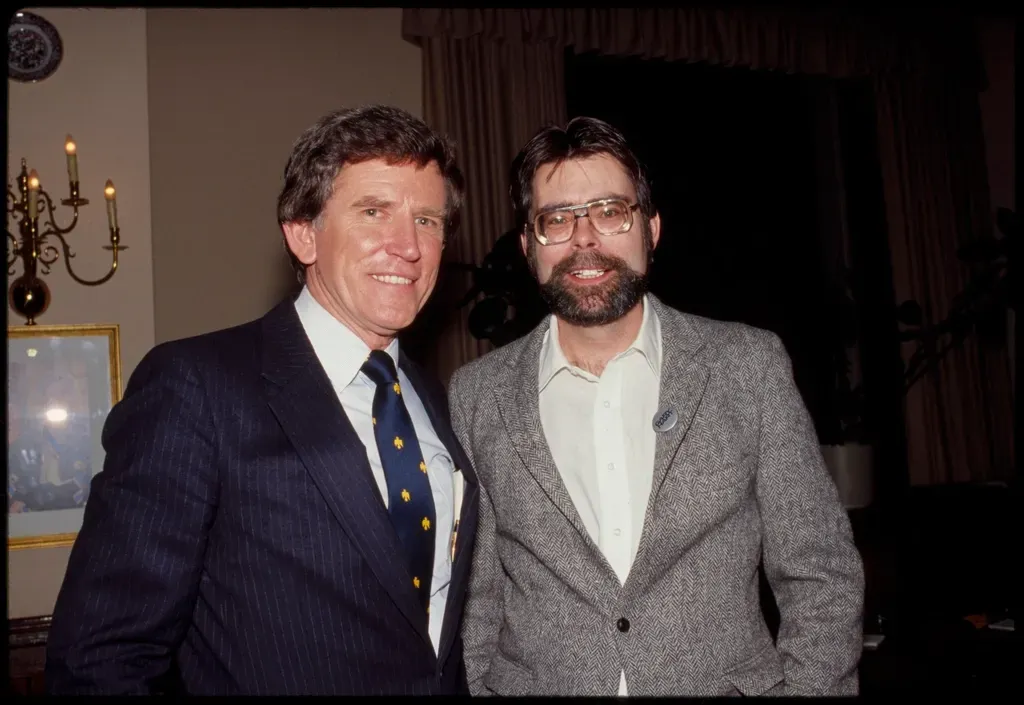
King wrote the first three pages, which is the shower scene, but he tossed them in the trash as he “hated it,” explaining he couldn’t relate to Carrie’s problems and it “didn’t move him emotionally.” He was living in a trailer at the time, working as a schoolteacher and struggling financially, and the idea felt like more trouble than it was worth. In his own words from an essay he later wrote, “I did three single-spaced pages of a first draft, then crumpled them up in disgust and threw them away.”
What saved the book was his wife Tabitha. Though King initially gave up on Carrie due to discomfort and apathy, and felt it would never be successful, his wife Tabitha persuaded him to continue writing, and rescued the first three pages of the story from the trash. He followed her advice and expanded it into a novel. After Doubleday accepted the manuscript, King worked with editor Bill Thompson to revise the novel before it was finally published in 1974. The novel that almost never existed went on to sell over a million copies in its first year and launch one of the most successful careers in American fiction.
2. F. Scott Fitzgerald’s Gatsby started life as Trimalchio
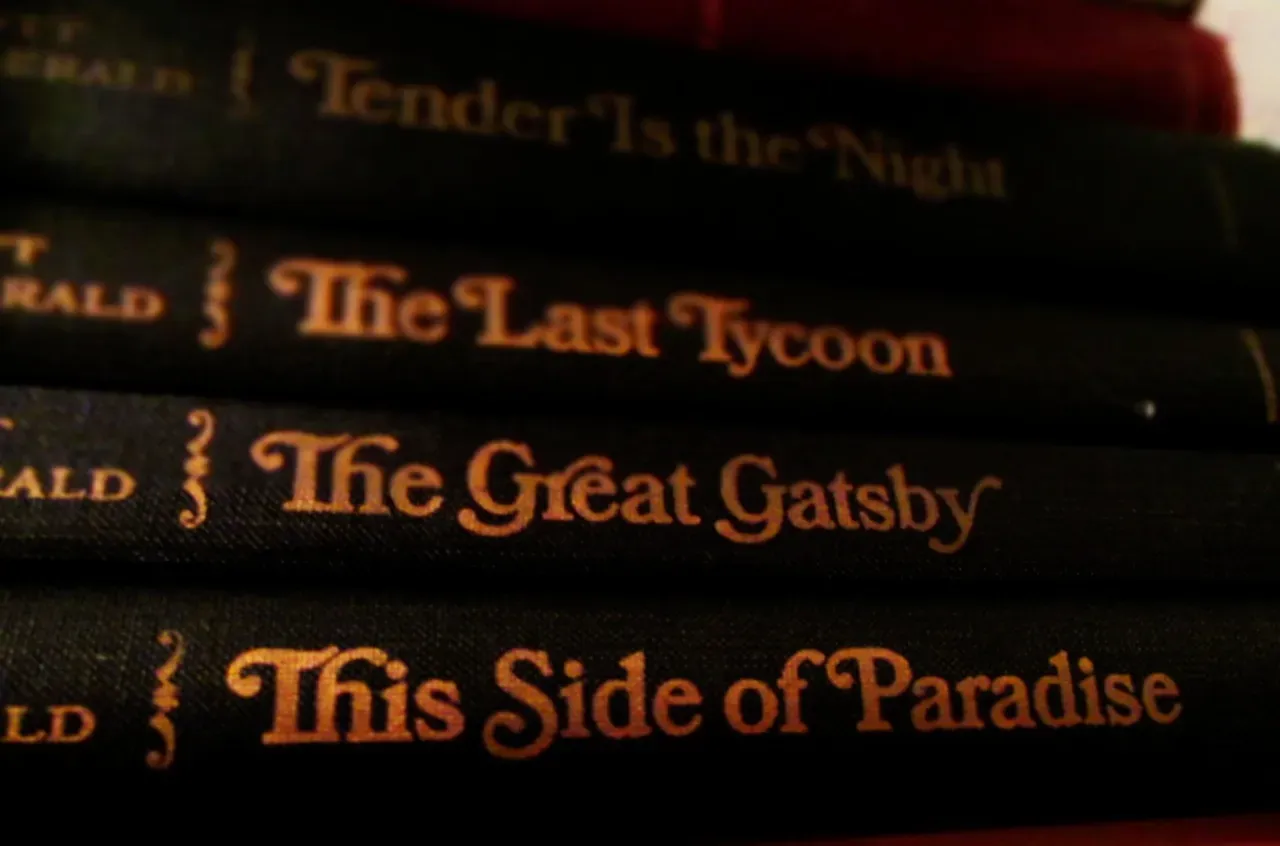
Before The Great Gatsby became the polished classic students read in schools today, Fitzgerald submitted a very different manuscript to his editor under a very different name. Fitzgerald wrote Trimalchio during the summer of 1924 and submitted it to Maxwell Perkins, his editor at Scribner’s, in October of that year. He titled the book after the ostentatious party-giver in the Satyricon of Petronius. Perkins had reservations about the title, but the differences ran far deeper than naming.
The revisions Fitzgerald made after receiving the galleys were substantial. It differs considerably from The Great Gatsby: its plot and structure are not the same, two chapters of Trimalchio were completely rewritten for the published novel, characterization is different, Nick Carraway’s narrative voice is altered, and it contains several passages and sequences missing from Gatsby. Most importantly, in Trimalchio Jay Gatsby’s past is revealed in a wholly different way. Fitzgerald submitted the novel to Maxwell Perkins, his editor at Scribner’s, who had the novel set in type and sent the galleys to Fitzgerald in France. Fitzgerald then virtually rewrote the novel in galleys, producing the book we know as The Great Gatsby. Interestingly, one part he left almost entirely untouched was the ending. One thing that didn’t change in between Trimalchio and The Great Gatsby were the final seven paragraphs of the novel, beginning with “Gatsby’s house was still empty when I left” and closing with that beautiful, haunting, final line. Fitzgerald didn’t change anything about those seven paragraphs, they were already perfect.
3. Vladimir Nabokov almost burned Lolita in his backyard
Few near-misses in literary history are as dramatic as this one. Nabokov spent years working on the novel that would become Lolita, drafting much of it on index cards during road trips across the United States with his family, but at one low point he decided the project simply wasn’t working. One day in the summer of 1950, a frustrated Nabokov carried the rough draft of what would eventually become Lolita out to the incinerator behind his rented home just downhill from Collegetown. Although the story of a 37-year-old European intellectual named Humbert Humbert and his obsession with a pubescent girl had been ruminating in his mind for years, Nabokov became discouraged with his new novel. Plagued by technical difficulties in writing and facing the start of another consuming semester of teaching at Cornell University, he decided, with his characteristic flare of drama, to send the project up in a puff of smoke.
His wife Vera intervened before the pages caught fire. Nabokov’s wife, Véra, stopped him before the flames could lick up the “light of my life, fire of my loins” and advised him to reconsider. Nabokov did not burn the manuscript, but went on to write most of Lolita in Ithaca. The rescue apparently happened more than once over the years the novel was in progress, and even after it was finished, Nabokov began approaching publishers with it in 1954, but the manuscript was repeatedly rejected by US and British publishing houses due to its controversial content, and a representative of Viking Press wrote, “We would all go to jail if the thing were published.” The novel eventually found a home with Olympia Press in France before becoming one of the most studied works of twentieth century fiction. The pattern across these three stories is hard to miss. A crumpled draft, a discarded title, a manuscript nearly reduced to ash, each book we now consider essential owed its survival to someone else’s insistence that the writer keep going. It’s a reminder that the difference between an abandoned project and a classic is sometimes nothing more than one person refusing to let the pages go.
Partner offer
Planning a trip to Vegas?
Compare hotel rates and show tickets on VEGAS.com.