
Every generation has records that felt untouchable at the time, played on repeat until the grooves practically wore thin. Decades later, though, some of those same albums sound a little different through modern ears. Production choices that once felt cutting edge can suddenly seem dated, and lyrics that slid by without much scrutiny now land with a thud. This isn’t about denying the impact these records had. Sales figures, chart positions, and influence on other artists tell their own story, and none of that gets erased. What follows is a look at seven albums widely regarded as classics that, for one reason or another, have not held up quite as gracefully as their reputations once suggested.
1. Guns N’ Roses – G N’ R Lies (1988)
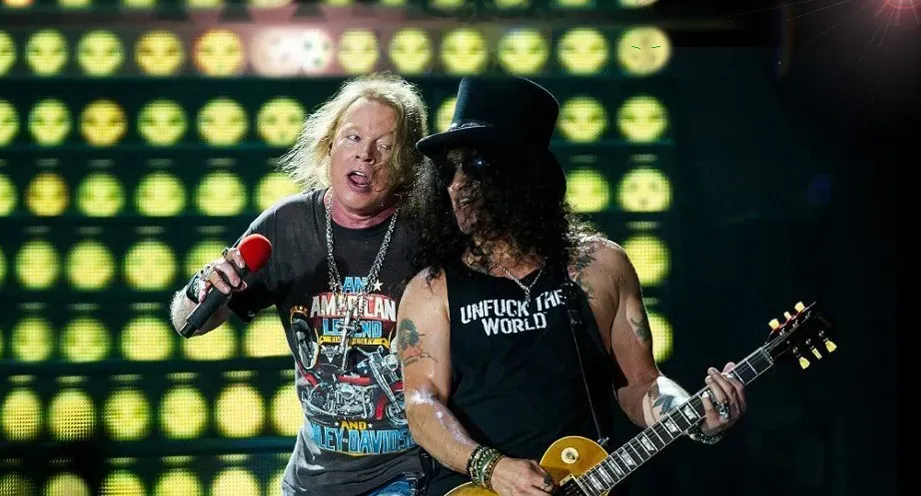
The half live, half acoustic release that followed Appetite for Destruction was a commercial success, but it also carried the most controversial song the band ever put to tape. The closing track “One in a Million” caused a great deal of controversy because of its explicit references to immigrants and gay people and its use of a racial epithet. Critic Jon Pareles later wrote that with the song “the band tailored its image to appeal to white, heterosexual, nativist prejudices, denouncing blacks, immigrants and gays while coyly apologizing ‘to those who may take offense’ in the album notes.”
The fallout followed the band for years. The song led to the group being banned from an AIDS benefit concert in New York. By 2018, the reckoning became official when the band revisited its catalog for an anniversary box set. The song was cut from the band’s 2018 Appetite for Destruction: Locked N’ Loaded edition due to its controversial lyrics, with Slash telling Rolling Stone the decision was collective and didn’t take long, adding there wasn’t a big roundtable discussion over it.
2. Metallica – …And Justice for All (1988)

Metallica’s third album is still cited by plenty of fans as containing some of the band’s sharpest songwriting. There’s a good case to be made that some of the best Metallica songs turn up on And Justice For All, and after years of refining the more epic side of their sound, songs like the title track and Blackened make it feel like the thrash legends had reached their final form. The problem has never really been the songwriting itself.
It’s the mix that most listeners bring up first. The album has more than a few blemishes on it, and it all comes back to the production. Jason Newsted’s bass was famously buried so deep it’s nearly inaudible on several tracks, a decision that has been re-litigated by fans and audio engineers for close to four decades now. Even people who love the songwriting on this record tend to admit the mix asks a lot of patience from modern ears trained on louder, punchier low end.
3. The Rolling Stones – Some Girls (1978)
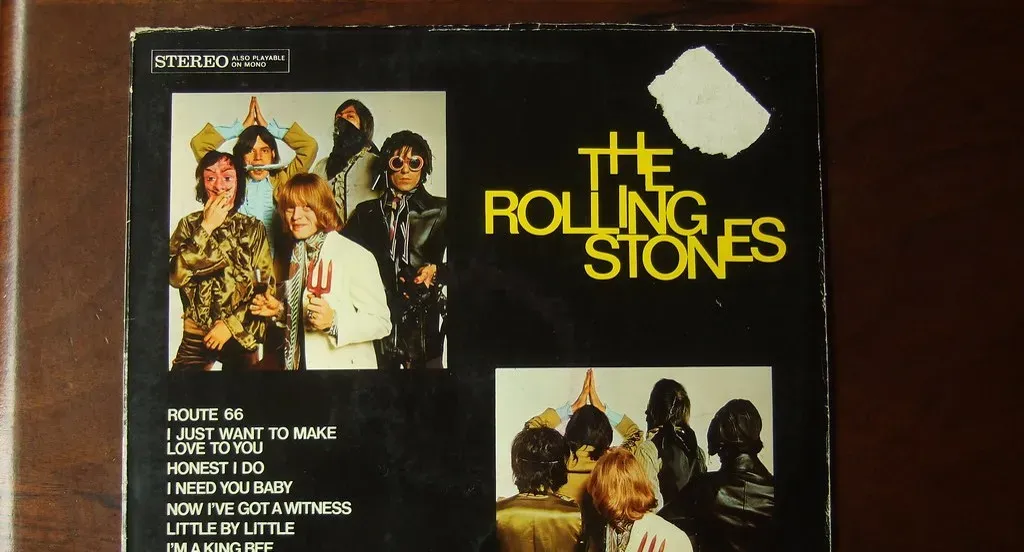
Some Girls remains one of the Rolling Stones’ best selling records, but its title track has aged into something closer to an uncomfortable artifact than a beloved deep cut. The line about Black women was the most controversial, and in its review of the album, Rolling Stone writer Paul Nelson called it “a sexist and racist horror” while still finding it “terrifically funny and strangely desperate.” Reaction from outside the music press was far less forgiving.
Civil rights leader Jesse Jackson denounced “Some Girls” as a racial insult that degrades blacks and women, threatening boycotts and pickets until some sort of resolution was reached. Mick Jagger has since acknowledged the song wouldn’t fly today. He told Rolling Stone in 1995 that he would never write that song now, and while the band has softened some of the lyrics in live performances over the years, the replacement line is still, by most accounts, not great.
4. Alanis Morissette – Jagged Little Pill (1995)

Jagged Little Pill turned Alanis Morissette into one of the defining voices of nineties alt rock, and songs like “You Oughta Know” still hit hard. The album’s biggest single, though, became a punchline almost as fast as it became a hit. A widely accepted interpretation of “Ironic” is that many of the misfortunes featured in the song are not actually ironic, which defeats the purpose of the title.
The joke never really went away. The lyrics included lines like rain on your wedding day and a free ride when you’ve already paid, examples which, contrary to the song’s title, are not ironic, and Morissette herself has since admitted she probably should have caught the mistake. Beyond the wordplay debate, the glossy alt-pop production Glen Ballard brought to the record, all big hooks and radio-ready polish, now reads as very much a product of its specific mid-nineties moment rather than something timeless.
5. Eminem – The Marshall Mathers LP (2000)
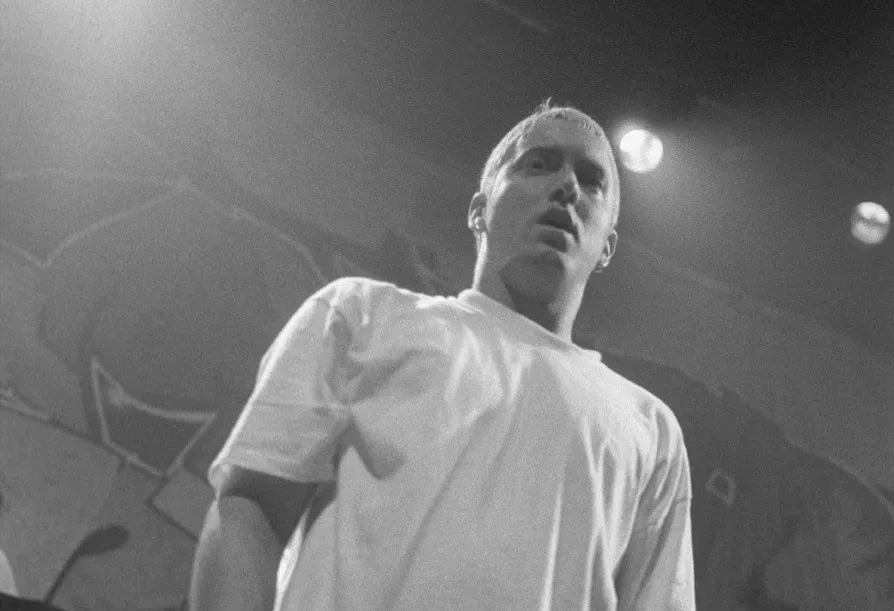
Few albums captured a specific cultural moment as sharply as The Marshall Mathers LP, and few have aged in quite as uneven a way. The record was protested by GLAAD and LGBTQ+ advocacy groups for its homophobic language, including a line on “Stan” considered homophobic, alongside horrorcore lyrics targeted at his mother and ex-wife. At the time, that shock value was practically the point.
Listening back now, much of it plays differently. Today, as the shock of those moments has worn off, they simply sound dated and embarrassing, especially in the context of today’s language. Even Eminem’s own retrospective take acknowledges the shift, and a quarter century on, not everything has aged well, with critics still pointing to the homophobic slurs scattered through the lyrics.
6. Dire Straits – Brothers in Arms (1985)
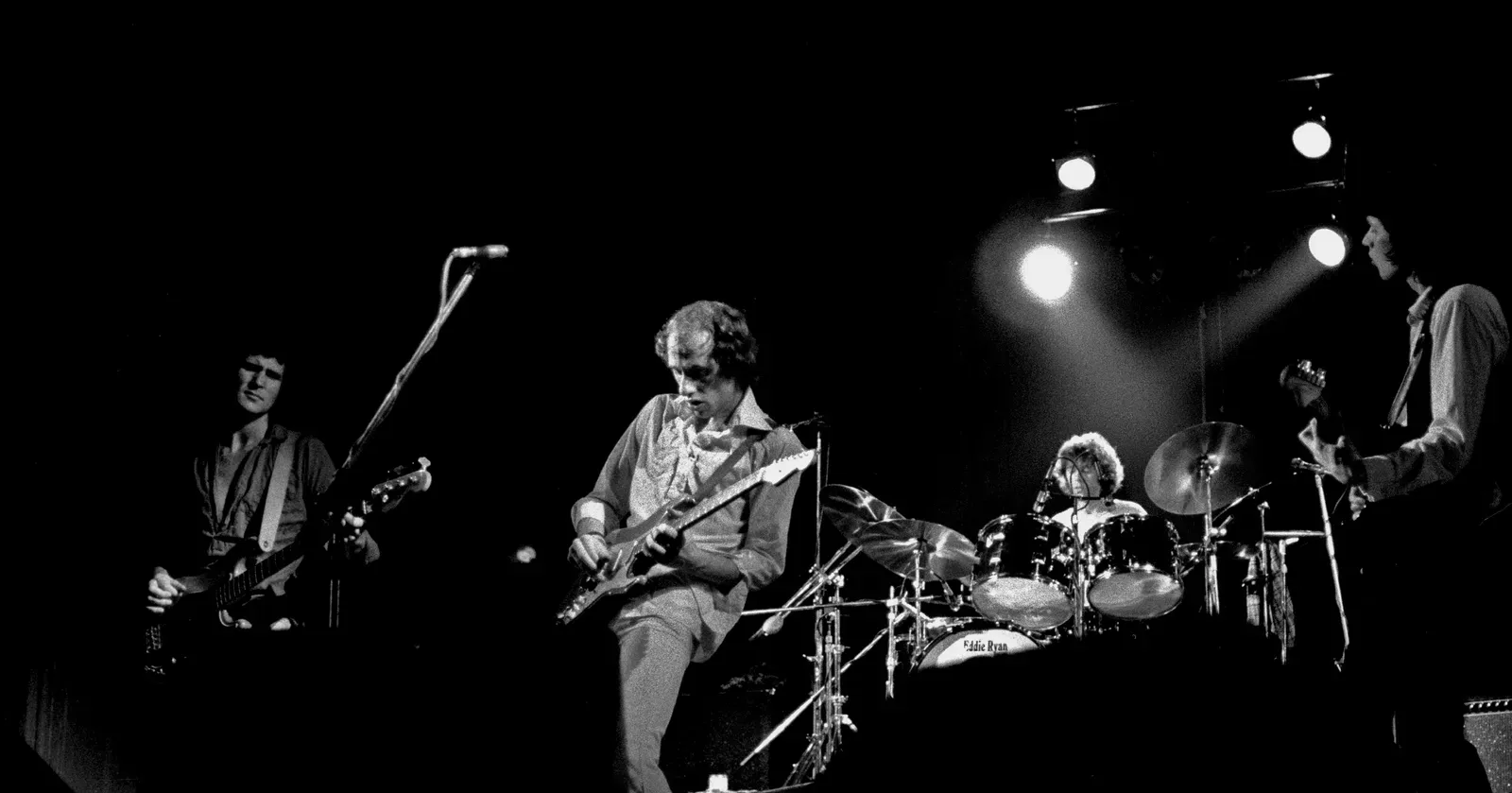
Brothers in Arms was a landmark record in a very literal sense. It was one of the first albums to sell in massive numbers on compact disc, and its crisp, synthesizer-laced sound was practically designed to showcase the format. That same digital sheen, once treated as a selling point, is exactly what dates the record now.
Partner offer
Tracks like “Money for Nothing” still get radio play, but the drum machines, chorus-heavy guitar tones, and mid-eighties synth textures across the record place it firmly in a specific studio era. Mark Knopfler’s guitar work and songwriting hold up fine on their own terms, yet the overall sonic palette can feel more like a museum piece of 1980s studio technology than a record that floats free of its decade. It’s a reminder that being technically groundbreaking at release doesn’t always translate into sounding fresh forty years later.
7. Phil Collins – No Jacket Required (1985)

No Jacket Required was inescapable in 1985, sweeping awards shows and dominating radio with singles like “Sussudio” and “One More Night.” The record leaned heavily on the gated reverb drum sound Collins helped popularize, along with bright synth horns and slick session polish that defined a huge swath of mainstream pop that year. It was, by most measures, exactly what a hit album was supposed to sound like at the time.
That same production style is now one of the most immediately dateable sounds in pop music history. The gated drums in particular have become almost shorthand for “eighties record” in a way that’s hard to separate from parody. Collins is still a genuinely gifted songwriter, and tracks with more stripped-down arrangements have aged better, but the album as a whole carries a very specific studio fingerprint that keeps pulling it back into its own decade rather than letting it float above it. Looking back at all seven, a pattern emerges. Sometimes it’s the production choices that anchor a record too firmly to its decade, and sometimes it’s a lyric that once slipped past without much scrutiny and now demands an explanation. Either way, these albums remain culturally significant, sales figures and influence intact, even if a fresh listen today comes with a few more caveats than it once did.
Partner offer
Planning a trip to Vegas?
Compare hotel rates and show tickets on VEGAS.com.