Pop music has a strange way of smuggling heavy truths past our defenses. A song can lodge itself in your head for years before you ever stop to ask what the lyrics are actually describing. Some of the catchiest hits of the last century turn out to be built on real tragedies, buried protests, or historical wounds that never fully healed.
Below are nine songs whose surface charm hides something far more serious underneath. Each one carries a documented backstory rooted in a specific event or era, not just vague sadness or artistic mood. Once you know the history, the songs sound completely different.
1. 99 Luftballons by Nena

On the surface, this 1983 German new wave hit sounds like a whimsical story about balloons drifting across the sky. The real inspiration came from guitarist Carlo Karges, who watched balloons released during a Rolling Stones concert in West Berlin drift toward the horizon and over the wall into East Berlin. He imagined what might happen if a stray balloon were mistaken for something far more threatening.
That thought experiment became a pointed commentary on Cold War paranoia. The lyrics describe balloons showing up on military radar as unidentified objects, prompting both sides to scramble planes and go on full alert, all over what turns out to be nothing but a bunch of balloons. It is a song about how quickly a harmless misunderstanding could have spiraled into nuclear catastrophe during an era when that fear was constant and real.
2. Zombie by The Cranberries

Dolores O’Riordan wrote this 1994 track after learning about the IRA bombing in Warrington, England. On 20 March 1993, two IRA improvised explosive devices hidden in litter bins were detonated in a shopping street, killing three year old Jonathan Ball and twelve year old Tim Parry, and injuring fifty six people. The attack happened on a Saturday when families were out shopping for Mother’s Day gifts.
The song became one of the defining protest anthems about the Troubles in Northern Ireland, though O’Riordan insisted it was never meant as a political statement against Ireland itself. She was explicit that the IRA did not speak for her, her family, or the Cranberries. The accompanying music video, filmed amid Troubles era imagery in Belfast, was considered so charged that broadcasters including RTE and the BBC would not screen the original version.
3. Ohio by Crosby, Stills, Nash & Young

Neil Young wrote this song within days of the Kent State shootings in May 1970, after seeing photographs published in Life magazine. On May 4 of that year, National Guard troops opened fire on protesting students, firing a total of sixty seven shots and killing four while wounding nine others. The protest had erupted after President Nixon announced the expansion of the Vietnam War into Cambodia.
The track’s blunt lyrics, including the repeated line about tin soldiers and Nixon, made it one of the most directly political songs to hit mainstream radio at the time. Some stations reportedly refused to play it because of its anti-war and anti-Nixon sentiments. Its lasting image, four dead in Ohio, still stands as shorthand for how deep the divisions over Vietnam ran inside the country itself.
4. American Pie by Don McLean

Don McLean’s 1971 epic opens with a reference to “the day the music died,” a phrase tied to the February 3, 1959 plane crash that killed Buddy Holly, Ritchie Valens, and The Big Bopper in an Iowa cornfield. McLean was a young paperboy at the time, and the news of Holly’s death reportedly hit him hard enough to shape the song’s mournful undertone years later. The rest of the lyrics move through a sprawling, coded history of American culture during the following decade.
Rather than sticking to one event, the song uses that crash as a launching point for a broader elegy about lost innocence across the 1960s. Listeners and critics have long debated exactly which references point to which real moments, from civil rights unrest to the counterculture movement, though McLean himself was famously tight lipped about the specifics for decades. What remains clear is that the plane crash itself is treated as a genuine turning point, not just a poetic device.
5. Strange Fruit by Billie Holiday
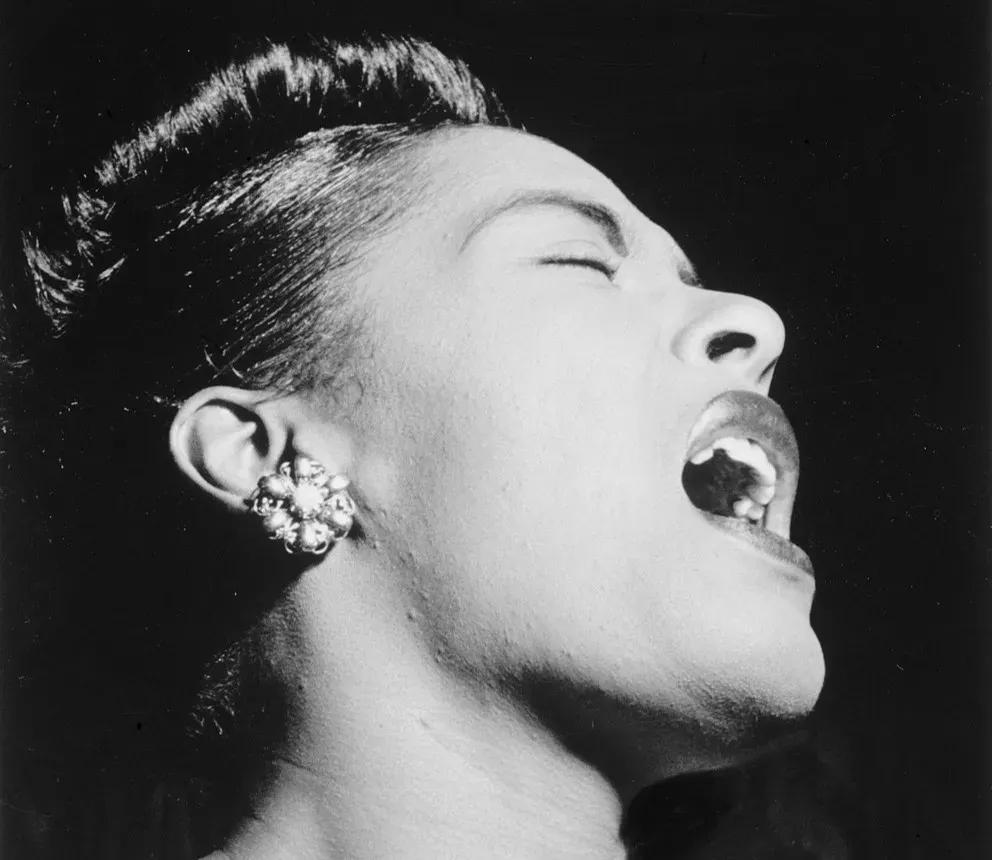
Few songs carry a darker true story than this one. Abel Meeropol, a Jewish schoolteacher from the Bronx, wrote the original poem after seeing a photograph of the 1930 lynching of two Black teenagers in Marion, Indiana. The photograph reportedly haunted him for days before he put his horror into verse.
Partner offer
Billie Holiday recorded the song in 1939, and it quickly became one of the earliest and most powerful pieces of music associated with the fight against racial terror in America. The lyrics never use the word lynching directly, but the imagery of bodies hanging from Southern trees leaves nothing to interpretation. Holiday herself was apprehensive about performing it and feared harassment or violence from racist listeners, yet she sang it anyway, turning a jazz club performance into an act of protest.
6. Fortunate Son by Creedence Clearwater Revival
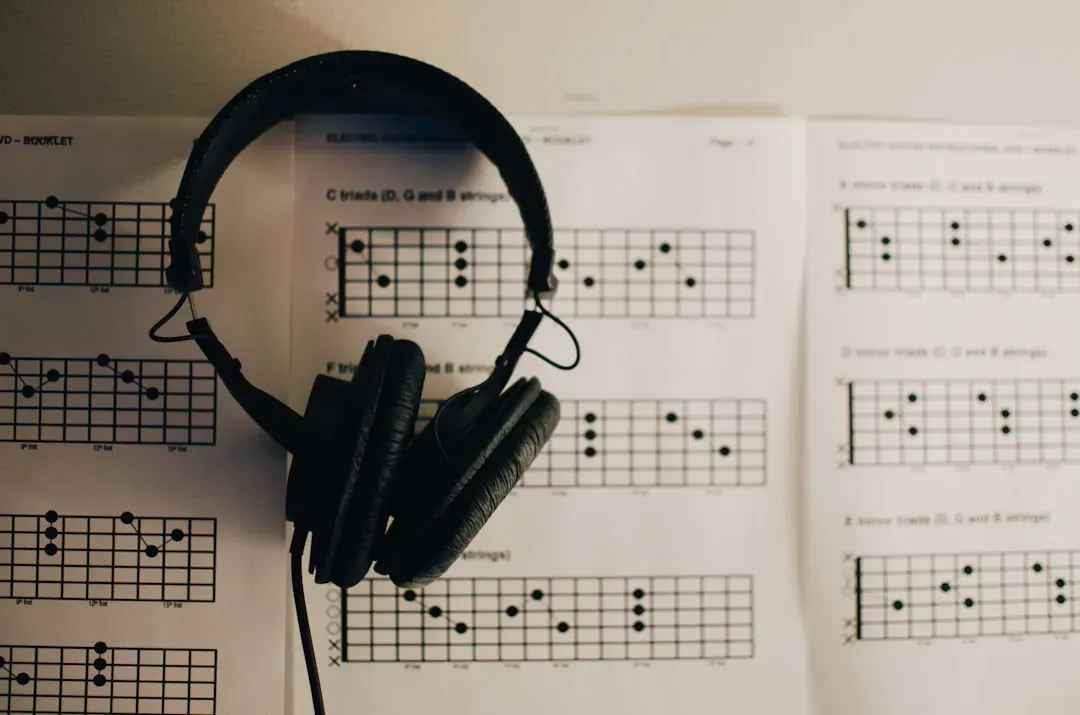
Released in 1969 at the height of the Vietnam War, this John Fogerty composition is often misheard as a simple patriotic rocker because of its driving guitar riff. In reality, it is a sharp criticism of class inequality in how the draft was applied during the war. Wealthy and politically connected families frequently found ways to keep their sons out of combat, while working class young men were sent overseas in far greater numbers.
Fogerty has said the song grew out of watching how differently the war touched different families depending on their social standing. The lyrics never name a specific politician, but the pointed references to silver spoons and senators’ sons made the target unmistakable to listeners at the time. It remains one of the most enduring musical statements about who actually pays the price when a nation goes to war.
7. Sunday Bloody Sunday by U2

U2 released this song in 1983, more than a decade after the event that inspired it. On January 30, 1972, British soldiers opened fire on unarmed civil rights marchers in Derry, Northern Ireland, killing thirteen people that day in an incident that became known as Bloody Sunday. A fourteenth victim later died from injuries sustained in the shooting.
Bono has said the song was written as a plea against sectarian violence rather than a call to arms for either side of the conflict. The band deliberately framed it as an anti-war song, worried that audiences might mistake it for a rallying cry tied to Irish republicanism. Decades later, it remains a staple of U2’s live shows and a reminder of one of the darkest single days of the Troubles.
8. Born in the U.S.A. by Bruce Springsteen
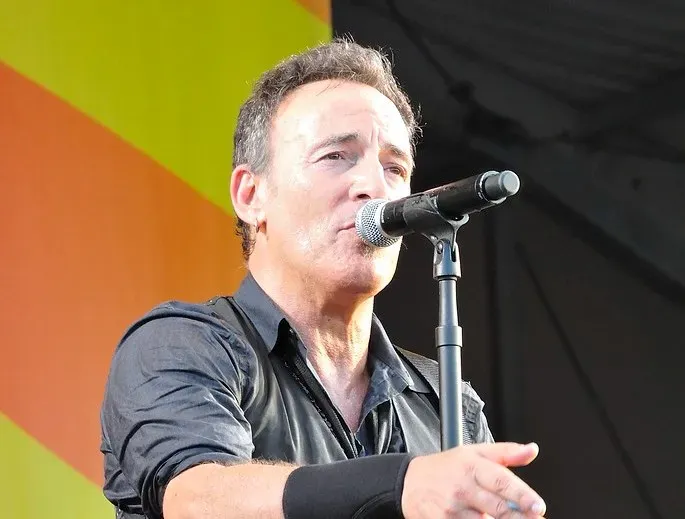
Bruce Springsteen’s 1984 title track is frequently misunderstood as a flag waving anthem, largely because of its booming chorus and stadium sized sound. The lyrics tell a much bleaker story about a Vietnam veteran who returns home to find no jobs, no support, and no recognition for what he sacrificed overseas. It is a song about abandonment dressed up in the sound of celebration.
Springsteen has spoken about how the song grew from his own observations of Vietnam veterans struggling to reintegrate into American life during the years after the war ended. The gap between the song’s triumphant sound and its grim subject matter has led to it being used, and misused, at political rallies over the decades. Springsteen himself has objected on multiple occasions when the song was deployed as an uncomplicated patriotic slogan.
9. Hurricane by Bob Dylan
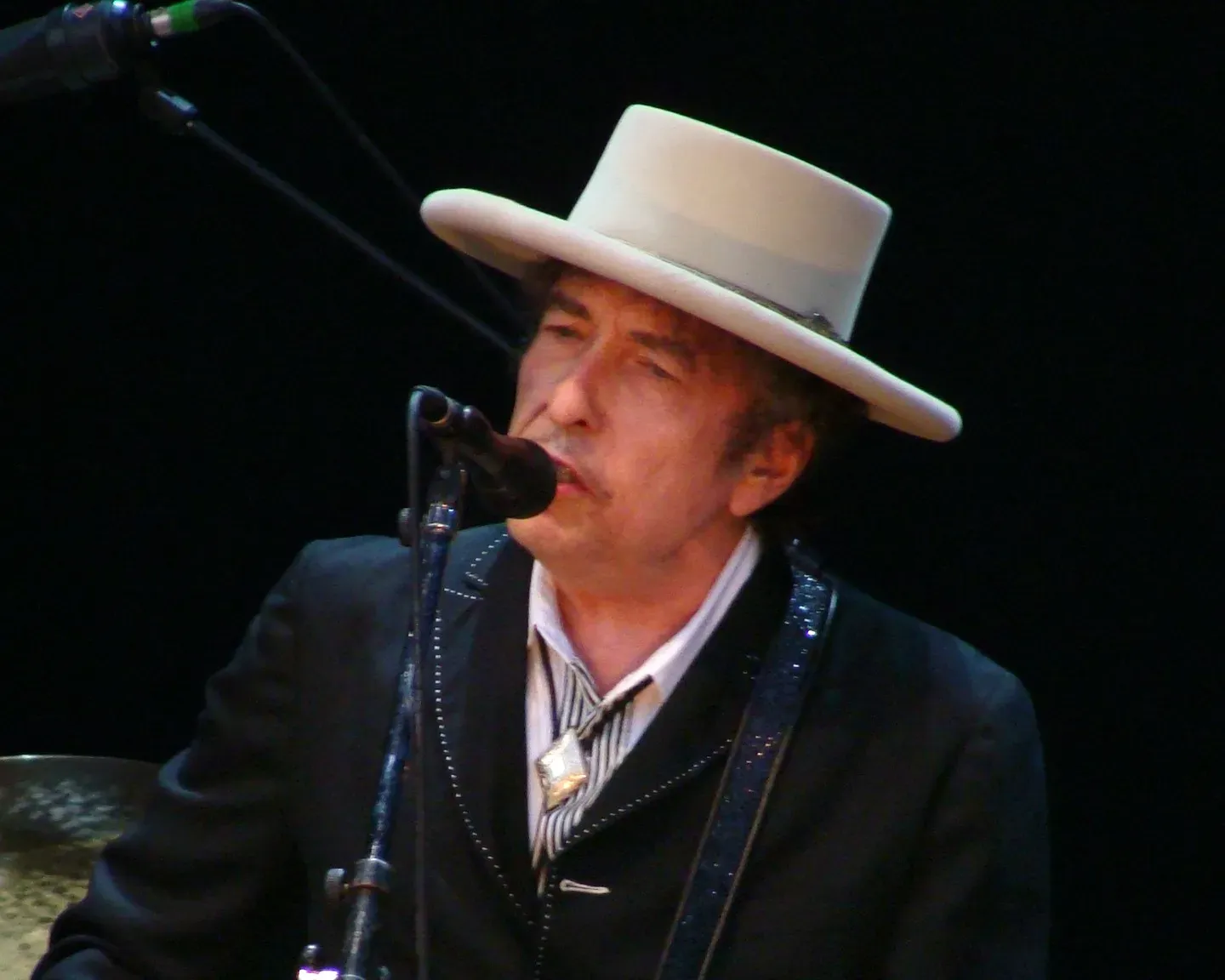
Bob Dylan’s 1975 epic tells the true story of Rubin “Hurricane” Carter, a middleweight boxer who was convicted of three murders at a tavern in Paterson, New Jersey, in 1966, alongside John Artis in 1967 and again at a new trial in 1976. Dylan learned of the case through Carter’s autobiography and later traveled to meet him in prison. He came away convinced the conviction was shaped by racial bias and shoddy police work rather than solid evidence.
The song, co-written with Jacques Levy, walks through the case almost like a piece of investigative journalism set to music, naming witnesses and describing the pressure placed on them to testify against Carter. Carter was eventually freed in 1985 after years of appeals and public advocacy, his ordeal publicized by Dylan’s song, several books, and a 1999 film starring Denzel Washington. It stands as one of the clearest examples of a pop song directly influencing public awareness of a real legal injustice.
What ties these nine songs together is not just historical accuracy but the way each one uses melody to carry weight that plain narration might not survive. A news report about a bombing fades from memory. A three minute song about the same event can outlast generations, resurfacing in playlists, films, and protests long after the headlines disappear. That is likely why so many songwriters have reached for history when they wanted their music to matter beyond the moment it was released.
Partner offer
Planning a trip to Vegas?
Compare hotel rates and show tickets on VEGAS.com.