There’s a moment in almost every great performance when something shifts. The actor disappears and the character takes over, and suddenly the audience isn’t watching a story anymore, they’re living inside it. That shift doesn’t happen by accident. It’s built from small, deliberate choices that most viewers never consciously notice but always feel.
Acting coaches and directors have spent decades breaking down what separates a performance that merely convinces from one that actually connects. Below are nine specific techniques actors use to close the distance between themselves and the audience, drawn from how working professionals in film and television actually approach the craft.
1. They find the character’s specific physical rhythm
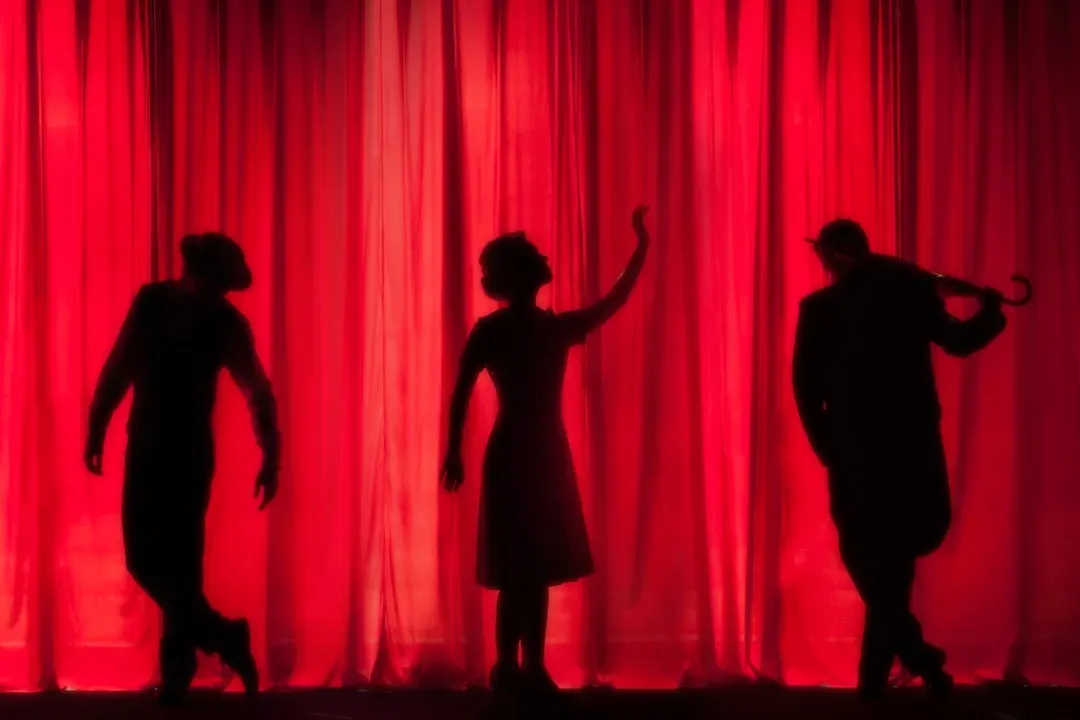
Every person walks, breathes, and gestures differently, and skilled actors treat physicality as a language of its own rather than an afterthought. This means deciding how fast a character moves through a room, whether they take up space or shrink from it, and how their hands behave when they’re nervous or confident. These choices get made in rehearsal and refined until they feel involuntary, which is exactly the point.
When physicality is specific enough, audiences read emotional states before a single line of dialogue is spoken. A slumped posture or a clipped, hurried gait tells viewers something is wrong long before the script confirms it. This is why so many transformative performances involve actors working with movement coaches or choreographers, even in projects that have nothing to do with dance.
2. They commit to genuine emotional reactions rather than performed ones

There’s a meaningful difference between showing an emotion and actually experiencing something close to it in the moment, and trained actors learn to access the latter. Techniques vary widely, from sense memory exercises rooted in classical Method approaches to more contemporary practical methods that focus on active listening and real-time reaction. What audiences respond to isn’t the technique itself but the authenticity that results from it.
This is part of why unscripted or loosely scripted reactions often land so powerfully in film. When an actor’s eyes well up because something genuinely affecting is happening across from them, rather than because a director called for tears, the moment reads as real because, in a sense, it is. Viewers are remarkably good at detecting the difference between manufactured emotion and lived-in response, even if they can’t articulate why one version works and another doesn’t.
3. They build a detailed backstory even when it never appears on screen

Many actors construct elaborate histories for their characters that extend far beyond anything written in the script. This might include imagining a character’s childhood, their relationship with their parents, or a formative failure that shaped how they handle conflict as an adult. None of this backstory needs to be mentioned explicitly for it to shape performance.
The value shows up in subtext, in the way a character hesitates before answering a question or reacts with disproportionate anger to something seemingly minor. Audiences sense that there’s more happening beneath the surface, even without being told what it is. This sense of depth is often what separates a character who feels like a real person from one who feels like a function of the plot.
4. They use silence and stillness deliberately

Inexperienced performers often feel pressure to fill every moment with visible activity, but seasoned actors understand that restraint can carry more weight than motion. A long pause before answering, a face that doesn’t immediately react, or a body that stays completely still while everything else in the scene moves can create tension that dialogue alone can’t achieve. This requires confidence, since stillness leaves an actor with nowhere to hide.
Silence also gives audiences room to project their own emotional interpretation onto a scene, which paradoxically deepens the connection. When a character’s face doesn’t tell viewers exactly what to feel, viewers fill that gap themselves, and the resulting engagement is more personal than if the emotion had been spelled out for them. This is one reason certain quiet, dialogue-light scenes in acclaimed films and prestige television are remembered long after louder ones fade.
5. They adjust vocal texture to match internal state

Voice work extends well beyond simply projecting lines clearly. The pace of speech, where breath falls in a sentence, and the tightness or looseness in a character’s throat all communicate psychological information that audiences absorb without analyzing consciously. A character under stress might speak faster and higher, while one who has resigned themselves to a situation might slow down and flatten their tone.
Dialect and accent work falls into this category as well, though the goal isn’t imitation for its own sake. The best vocal transformations aim to make an accent or speech pattern feel like it belongs to the character’s actual history and environment, not like a technical exercise layered on top of the performance. When done well, audiences stop hearing an accent at all and simply hear a person.
6. They listen and react rather than simply waiting for their next line

One of the most consistently cited pieces of acting wisdom is that good acting is really good listening. Actors who are fully present in a scene respond to what their scene partner is actually doing in that specific take, rather than replaying a memorized version of their own performance. This creates a sense of spontaneity that scripted dialogue can’t fake on its own.
This kind of presence is part of why chemistry between actors can feel electric in some pairings and flat in others, even when both performers are individually skilled. When two actors are truly listening to each other, small adjustments happen naturally, a slightly different inflection here, an unplanned glance there. Audiences pick up on that responsiveness even if they couldn’t explain what exactly they’re noticing.
7. They find and protect the character’s specific wants and fears

Every well-constructed character has a clear internal want driving their behavior in a given scene, even if that want contradicts what they say out loud. Actors identify this objective and let it inform every choice, from where they look to how they position their body relative to other characters. When this internal logic is consistent, audiences intuitively understand a character’s motivations even in ambiguous or morally complicated situations.
Fear works the same way, often more powerfully. A character’s specific fears, whether of abandonment, failure, or irrelevance, shape how they react under pressure, and audiences connect with characters whose fears feel psychologically coherent rather than generic. This is part of what makes flawed or even villainous characters sympathetic when the writing and performance align around clear, human motivations rather than simple menace.
8. They allow vulnerability without protecting themselves from it

There’s a natural instinct to shield oneself from appearing weak, foolish, or exposed, and this instinct is exactly what skilled actors learn to override in service of a role. Choosing to let a character look genuinely pathetic, frightened, or humiliated on screen requires setting aside personal vanity in a very direct way. Audiences respond to this because unguarded vulnerability is rare to witness even in real life, let alone performed convincingly.
This willingness often becomes the most memorable element of a performance precisely because it’s uncomfortable to watch. A character breaking down without composure, or admitting something shameful without softening it, creates a level of intimacy that polished, controlled acting rarely reaches. It’s a risk, and audiences seem to sense when an actor has taken it.
9. They stay consistent with the character’s internal logic across the entire arc
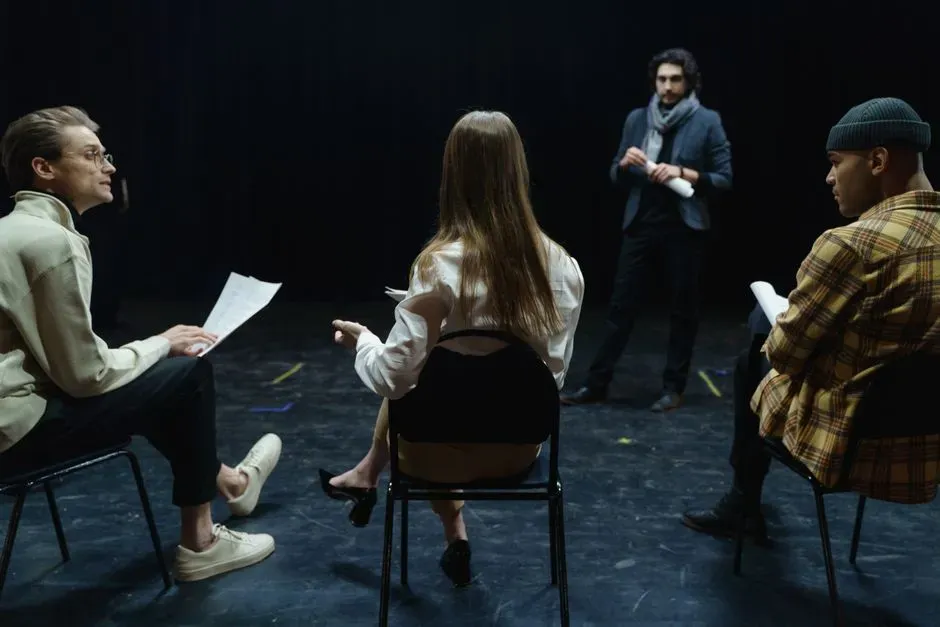
Long-form storytelling, particularly in television, demands that actors track a character’s psychological throughline across dozens of episodes and sometimes several years of production. This means understanding not just who a character is in a given scene, but who they’ve become by that point in the story and how past events have shifted their behavior. Losing that continuity, even in small ways, can quietly erode audience trust in a character’s reality.
Actors who manage this well often keep detailed personal notes tracking emotional beats, relationships, and turning points across a season or series. This groundwork lets them make choices that feel earned rather than arbitrary, even in a single scene shot months after an earlier, related moment. When audiences sense that a character has been growing and changing consistently, the emotional payoff of that arc lands with far more weight.