Some of the most celebrated names in music history spent their first days getting quietly ignored, or worse, actively mocked. A cold review or a stack of unsold records didn’t stop them. It just delayed the inevitable. What follows are seven debut albums that landed with a thud, whether through critical shrugs, radio bans, or plain commercial indifference, before going on to define careers that outlasted every skeptical headline written about them.
1. Bob Dylan – Bob Dylan (1962)
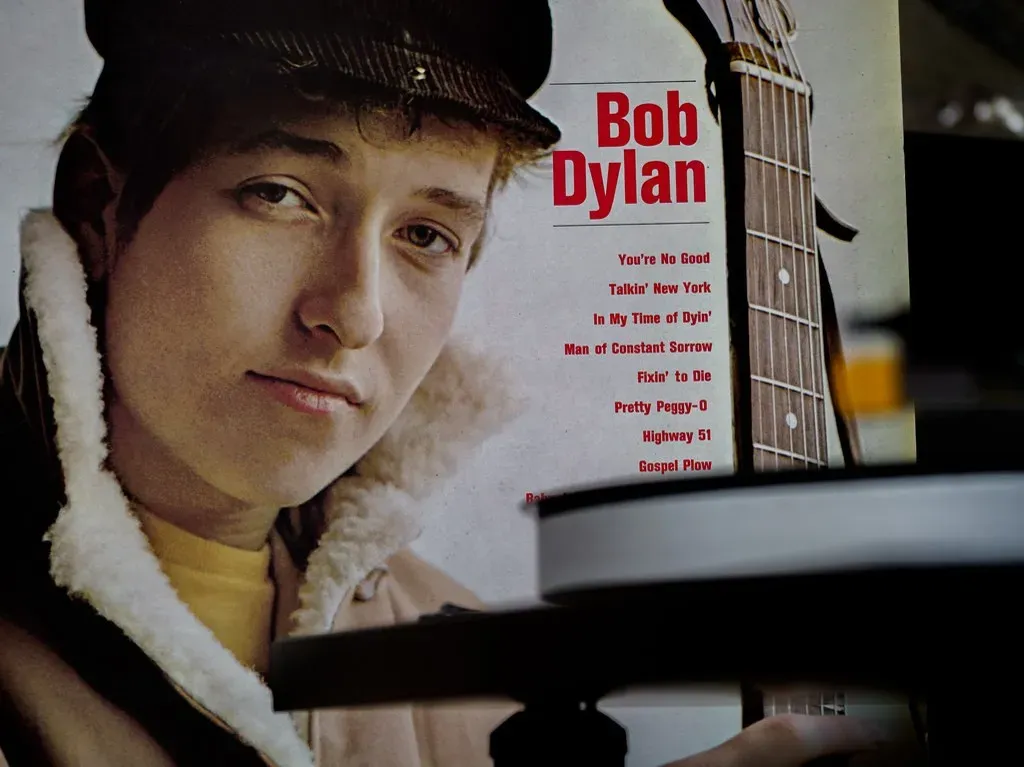
Dylan’s self-titled debut arrived on March 19, 1962, built almost entirely from folk and blues covers, with only two original songs to his name at the time. Despite genuinely good though sparse press from critics, Bob Dylan was initially considered a sales flop, and employees at Columbia Records referred to the album as “Hammond’s Folly.” The nickname stuck to producer John Hammond, the man who had signed Dylan on the spot after hearing him play harmonica at a session.
The album sold roughly 5,000 copies in its first year, just enough to break even. Even the modest praise it did receive, including a Billboard note that Dylan could win a following once he found his own style, did little to move the needle commercially. A year later he released The Freewheelin’ Bob Dylan, and the world stopped questioning Hammond’s judgment.
2. The Velvet Underground & Nico (1967)
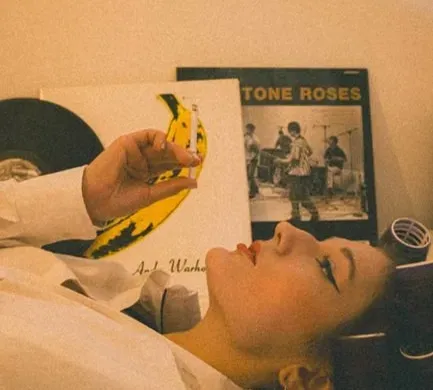
Few debuts were treated with more open hostility than this one. Due to its abrasive, unconventional sound and controversial lyrical content, the album underperformed commercially and polarized critics upon release, with various record stores banning it and many radio stations refusing to play it. Magazines wouldn’t even run ads for it.
Brian Eno later said that while the album only sold approximately 30,000 copies in its first five years, “everyone who bought one of those 30,000 copies started a band.” It took roughly a decade before critics circled back and reconsidered what they’d dismissed. Pitchfork eventually ranked the debut record as the best album of the 1960s, towering over critically acclaimed giants like Abbey Road, Blonde on Blonde, and Pet Sounds.
3. The Stooges – The Stooges (1969)

Iggy Pop and his Michigan bandmates released their debut in 1969 on Elektra, produced with help from John Cale, fresh off his own work with the Velvet Underground. The record’s blunt, primal sound, all repetition and snarl, baffled much of the mainstream press at the time, who heard sloppy noise where later generations heard the blueprint for punk rock.
Commercial returns were thin and radio wanted nothing to do with it. It took the rise of punk in the mid to late 1970s for critics and musicians alike to recognize how far ahead of its moment the record actually was. Bands that came a decade later owe it a debt they rarely repay in full.
4. Bruce Springsteen – Greetings from Asbury Park, N.J. (1973)
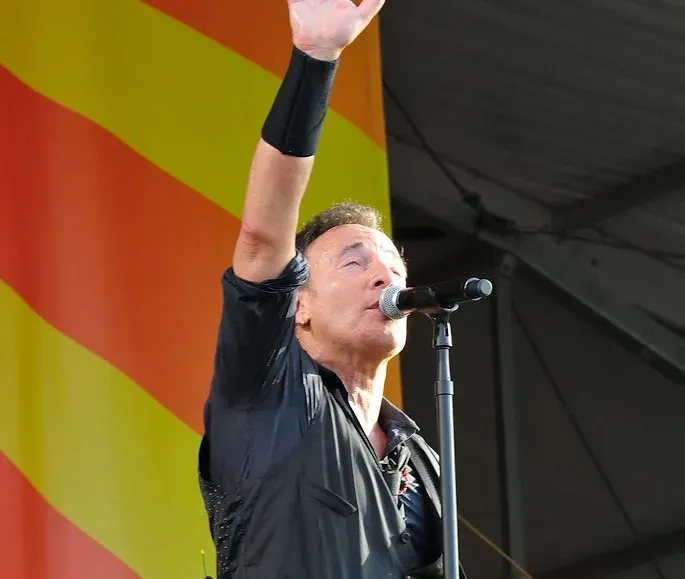
Springsteen’s first album landed in January 1973 wrapped in comparisons to Bob Dylan that were meant as praise but often read as an insult. Some critics found the wordplay overstuffed and the songwriting derivative, a young artist still hunting for his own voice rather than borrowing someone else’s. Sales were modest at best, and Columbia Records had little to show for its investment in the New Jersey singer.
Partner offer
Springsteen didn’t fold under the tepid response. He kept writing, kept touring small clubs up and down the East Coast, and two albums later delivered Born to Run, the record that made his earlier reviews look shortsighted. The dismissal turned out to be a footnote in a much longer story.
5. Nirvana – Bleach (1989)
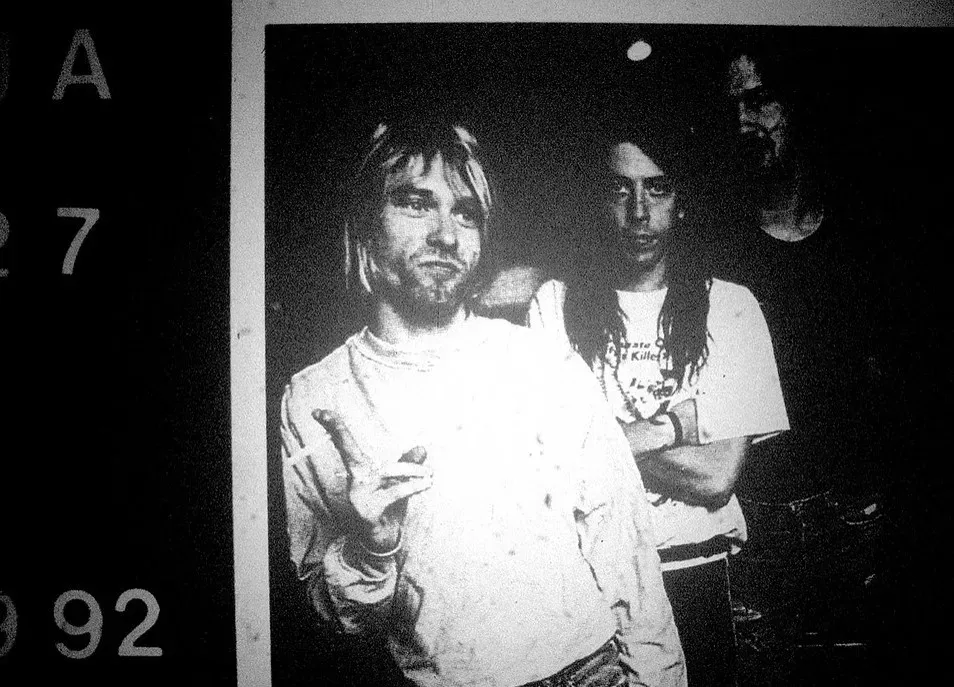
Recorded on a shoestring budget of a few hundred dollars, Bleach came out on Sub Pop in 1989 and made barely a ripple outside the Pacific Northwest scene. At the outset, Bleach was nowhere near a smashing success, with some 40,000 copies sold in the US. Reviewers who did pay attention often filed it under promising but unfocused.
The album has been described by critics across the board as inconsistent and less focused, sounding like an immature band still working on its direction, and its place in the Nirvana discography is often dismissed and relegated to the category of a record for the die-hards. Two years later Nevermind changed everything, and Bleach became the origin story fans went back to dig up. It’s rougher than what came next, but the anger that made Nirvana matter is already right there.
6. Radiohead – Pablo Honey (1993)
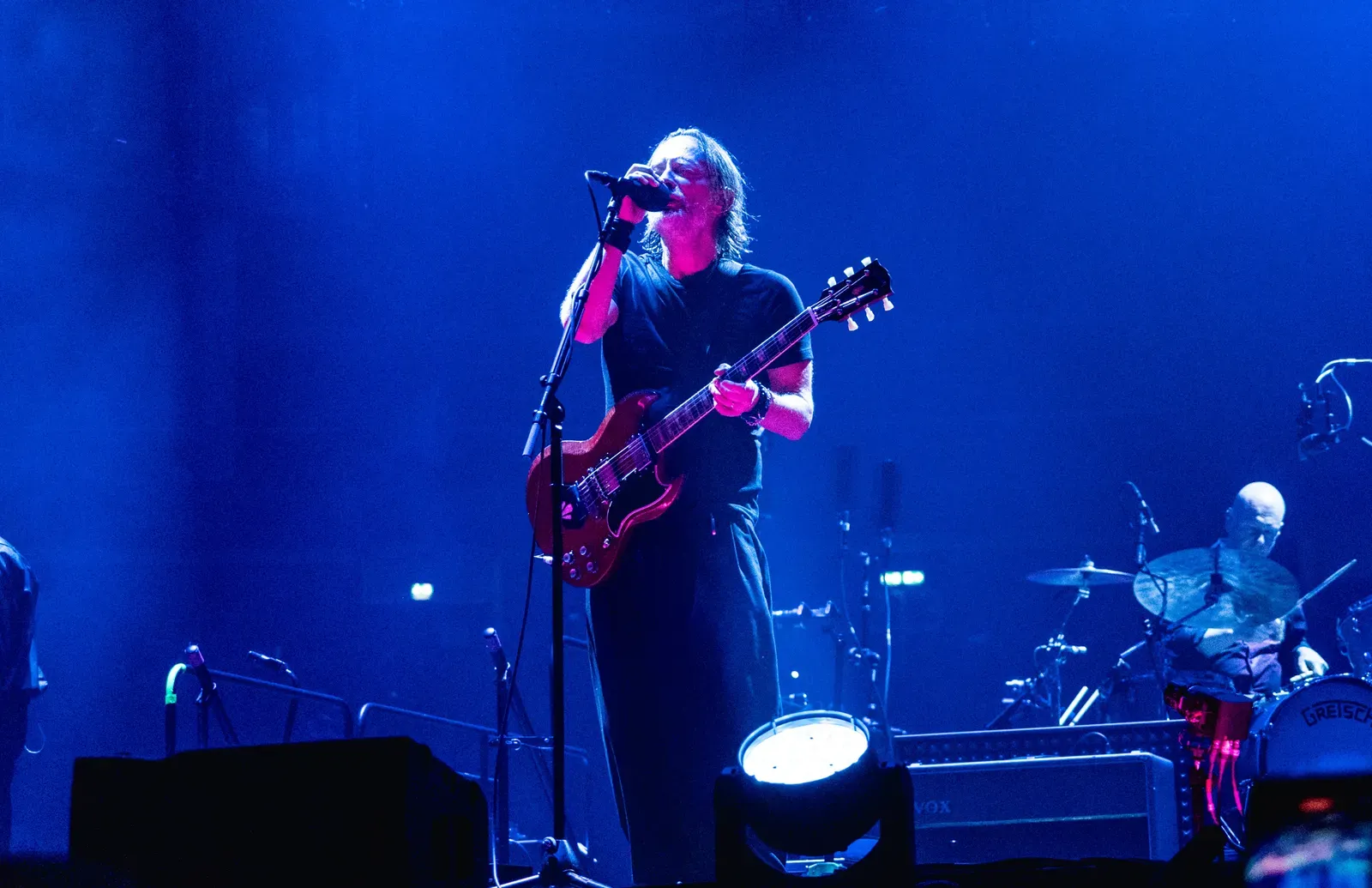
Radiohead’s 1993 debut got caught in an odd bind. It gained more positive reviews than the band’s earlier Drill EP, though critics mostly focused on what they perceived to be a derivative sound rooted in American underground rock, plus Nirvana, R.E.M., and U2. Some outlets went further. That Christmas, NME published a review of a Radiohead performance that dismissed them as “a pitiful, lily-livered excuse for a rock ‘n’ roll group.”
Even the band has never been fond of the record. After the success of “Creep,” Radiohead grew to resent it, with Thom Yorke saying in 1993 it felt like “it’s not our song any more… It feels like we’re doing a cover.” Whatever the discomfort, Pablo Honey opened the door to The Bends and OK Computer, records that rewrote what a rock band could sound like.
7. Jeff Buckley – Grace (1994)
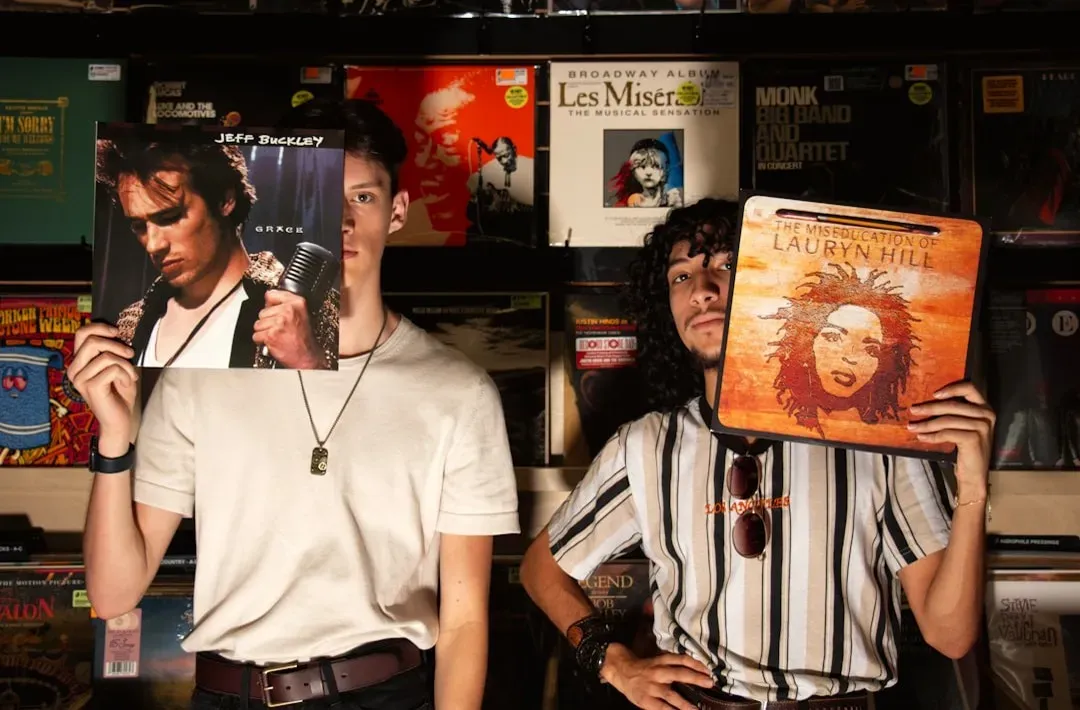
Grace arrived in August 1994 carrying enormous expectations and, initially, disappointing results. Grace reached number 149 on the US Billboard 200, below Columbia’s expectations, and initially received mixed reviews. It got lost in a crowded year for alternative rock, competing against albums that fit the moment far more comfortably than Buckley’s genre-blurring songwriting did.
Everything changed after his death in 1997. Its critical standing grew, and it was praised by musicians including Jimmy Page, Robert Plant, Bob Dylan and David Bowie. What sounded out of step in 1994 now reads as one of the defining vocal performances of its decade, proof that timing and taste don’t always arrive on schedule.
Partner offer
Planning a trip to Vegas?
Compare hotel rates and show tickets on VEGAS.com.