Hollywood loves nothing more than revisiting old ideas, and most of the time audiences groan when a new remake gets announced. There’s a reasonable assumption at play: the first version got there first, so why bother. Yet every so often a filmmaker takes a familiar story, adds a sharper script, better performances, or a completely different tone, and ends up with something that quietly eclipses the film it borrowed from. The seven movies below are proof that a second attempt isn’t automatically a lesser one. Some of these remakes won major awards the originals never touched. Others simply aged better, or found an audience the first version never reached. None of them are flukes, and each one earned its reputation the hard way.
1. The Departed (2006)
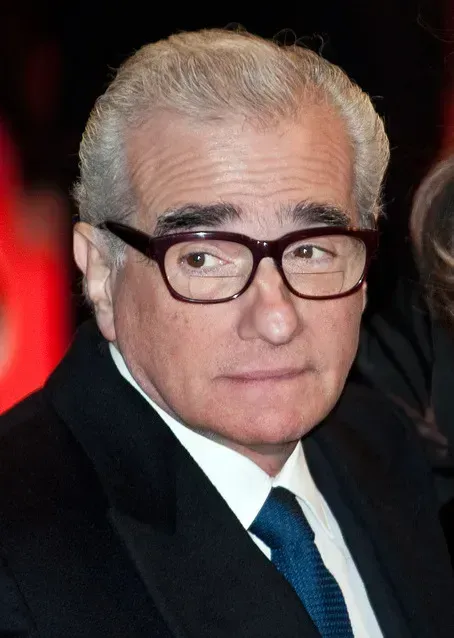
Martin Scorsese’s crime drama took the bones of the Hong Kong thriller Infernal Affairs and rebuilt them in Boston, and the results spoke for themselves at the Oscars. A remake of Hong Kong classic Infernal Affairs (2002), The Departed was the movie that won Martin Scorsese his first Best Director Oscar when it was released in 2006. That alone made it impossible to ignore, since Scorsese had been passed over for decades on films most critics consider untouchable. The Departed was released on 6 October 2006 by Warner Bros. Pictures and won four Academy Awards, including Best Picture, Best Adapted Screenplay for Monahan, and Best Director for Scorsese.
Infernal Affairs deserves credit too, since at the 22nd Hong Kong Film Awards, Infernal Affairs won seven out of the sixteen awards it was nominated for, including Best Film, Best Director, Best Actor (Leung), and Best Supporting Actor (Wong). Still, when critics weigh the two side by side purely on craft and cultural reach, many land on the American version. As one retrospective put it, it’s just a really great thriller that also works as a gangster movie, and to date, it stands as the best remake to have won Best Picture. The larger cast, the Boston setting, and the operatic violence gave the story a different kind of weight that resonated widely with Western audiences.
2. The Fly (1986)
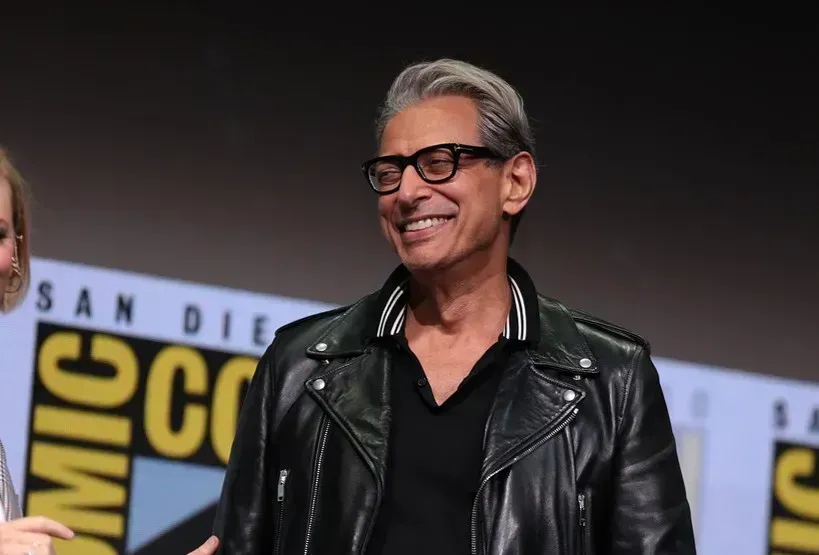
David Cronenberg didn’t just remake the 1958 science fiction picture, he transformed it into something far stranger and sadder. Critics who compare the two versions tend to agree on one point. Critics generally regard Cronenberg’s 1986 remake as superior to the 1958 original, praised for its deeper character development, more sophisticated themes, and groundbreaking special effects. Jeff Goldblum’s performance as scientist Seth Brundle turned a monster movie premise into something closer to a tragedy about disease and loss.
The film also proved to be a commercial win for Cronenberg, whose earlier work leaned niche and unsettling. It grossed $60.6 million at the box office, becoming a commercial success. The practical effects work was recognized at the highest level too, since Walas and Dupuis’ work on the film resulted in them winning an Academy Award for Best Makeup. Nearly four decades on, it’s still cited as one of the rare horror remakes that improved on its source material rather than just repeating it with better technology.
3. True Grit (2010)
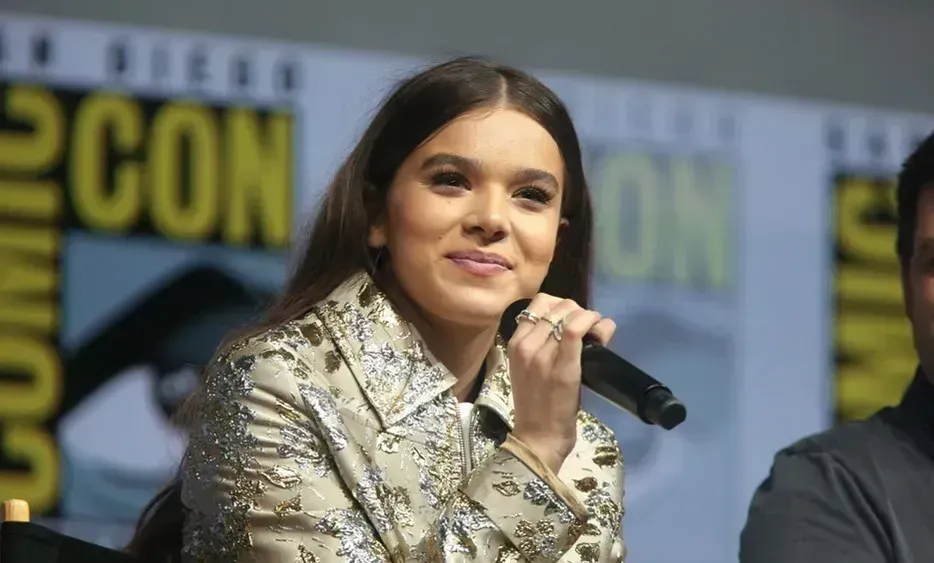
Joel and Ethan Coen took on a film that had already earned John Wayne his only Academy Award, which was a bold move by any measure. Rather than trying to copy the 1969 version beat for beat, they went back to Charles Portis’ novel for inspiration. The success of the True Grit remake is attributed to the Coen brothers’ decision to return to Charles Portis’ 1968 novel for inspiration, focusing on a darker tone and placing 14 year old Mattie Ross at the emotional center of the story, portrayed by Hailee Steinfeld in a breakout performance. That choice gave the story a colder, more grounded feel than the earlier adaptation.
Critics noticed the difference almost immediately. The Coen brothers’ 2010 remake of True Grit has been hailed as one of the rare film remakes that surpasses the original, with a 95% critics score on Rotten Tomatoes compared to the 87% earned by the 1969 version starring John Wayne. The industry took notice as well, since the remake also earned 10 Academy Award nominations, including Best Picture, Best Director for Joel and Ethan Coen, Best Actor for Jeff Bridges and Best Supporting Actress for Steinfeld. It walked away without a single win, which remains one of the more baffling Oscar outcomes of that decade, but the reputation of the film only grew afterward.
4. The Thing (1982)
John Carpenter’s version of this Arctic nightmare didn’t just remake a movie, it went back closer to the source material that inspired the original. Ostensibly a remake of the classic 1951 Howard Hawks Christian Nyby film The Thing from Another World, Carpenter’s film is a more faithful adaptation of the novella Who Goes There? by John W. Campbell, Jr. The paranoia, the isolation, and the practical effects by Rob Bottin turned the concept into something far more disturbing than the black and white original ever attempted.
Partner offer
It’s worth remembering that critics hated it at first. Roger Ebert famously dismissed it as a “barf-bag movie” upon its release in the summer of 1982, and reviewers largely agreed the gore had gone too far. Time changed that reading almost entirely, since despite mixed contemporary reviews, the film maintains a 80% “Fresh” rating on Rotten Tomatoes and was listed as one of the best of 1982 by Filmsite.org and Film.com. Few films have flipped their critical fortunes so completely, and fewer still have made the earlier version feel like little more than a footnote.
5. Scarface (1983)

Brian De Palma’s Scarface borrowed its title and basic premise from the 1932 Howard Hawks gangster film, but swapped Prohibition era bootlegging for the cocaine trade of early 1980s Miami. Al Pacino’s Tony Montana became one of the most quoted and imitated performances in modern film history, far outpacing the recognition given to Paul Muni’s original take on the character. The 1983 version leaned into excess, both visually and morally, giving the story a scale the original simply didn’t have the budget or cultural moment to attempt.
Critics were initially split on the remake, with some finding it too violent and indulgent for its own good. Its reputation grew steadily over the following decades, helped along by hip hop culture, home video, and a general reassessment of De Palma’s stylistic choices. Today it’s rare to find a ranking of great gangster films that doesn’t place the remake well above the film it was based on, a reversal few could have predicted at the time of release.
6. Ocean’s Eleven (2001)
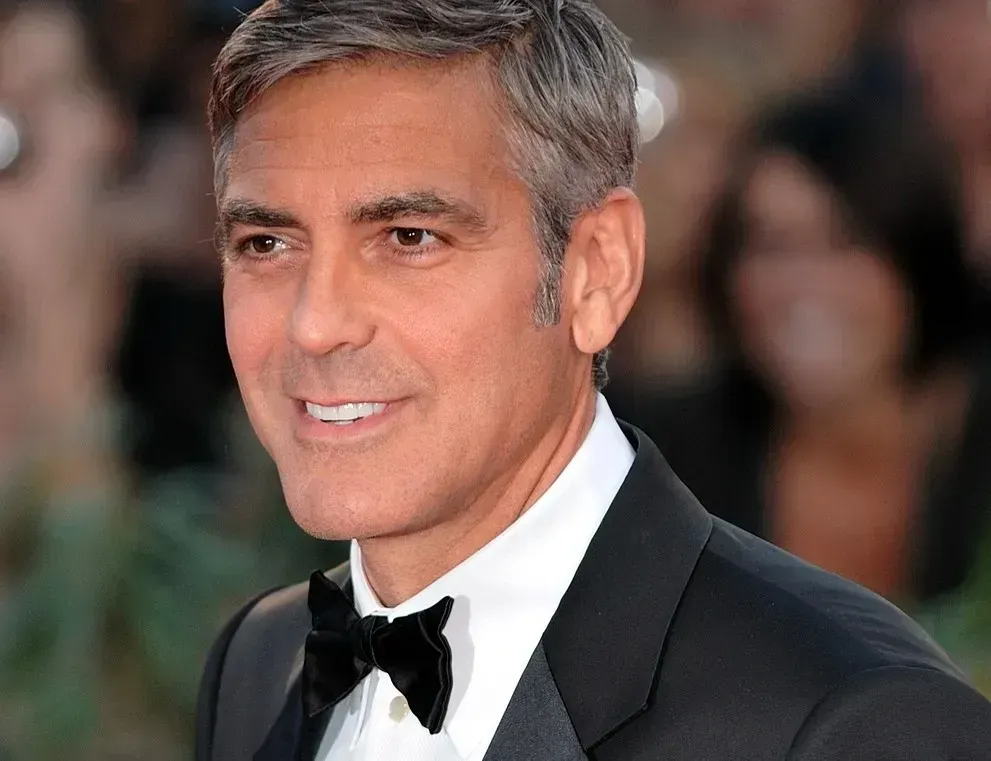
The 1960 original was built almost entirely around the novelty of putting the Rat Pack on screen together, and the heist plot itself was secondary to watching Frank Sinatra and his friends hang out. Steven Soderbergh’s 2001 version flipped that formula by treating the heist as the actual point of the movie, wrapped in sharp editing and a genuinely clever plan involving a Las Vegas casino vault. George Clooney, Brad Pitt, and Matt Damon brought a chemistry that felt less like a vanity project and more like an ensemble that actually earned its charisma.
Audiences responded strongly enough that the remake spawned two sequels of its own, something the original never managed. The pacing, the score by David Holmes, and the visual style all held up in ways the slower original struggled to match for modern viewers. It’s one of the clearer cases where a remake didn’t just match a beloved cast, it built a smarter movie around a similar idea.
7. A Star Is Born (2018)

By the time Bradley Cooper directed and starred in this version, the story of a rising singer and a fading star had already been told in 1937, 1954, and 1976. Each earlier version had its champions, particularly the 1954 Judy Garland picture, but Cooper’s take paired Lady Gaga’s musical talent with a rawer, more intimate approach to the romance at the center of the plot. The chemistry between Cooper and Gaga carried the film in a way that felt more contemporary and less like a showcase built purely around spectacle.
The soundtrack became a cultural moment on its own, with the song “Shallow” reaching well beyond typical movie fans and picking up an Academy Award for Best Original Song. Cooper’s direction, his first behind the camera, showed a level of confidence that surprised critics who expected a competent but forgettable retread. Among the four versions of this story, the 2018 film is the one most likely to be brought up in conversation today, which says something about how well it managed to feel new.
Seven stories, four decades apart, all sharing the same lesson: a good remake isn’t about copying what worked before. It’s about figuring out why the original mattered in the first place, and then having the nerve to change everything else around it.Partner offer
Planning a trip to Vegas?
Compare hotel rates and show tickets on VEGAS.com.