Before some of cinema’s most admired directors ever picked up a camera, they were sitting in dark theaters with notebooks. They wrote reviews, argued about taste, and built theories about what movies could be.
The jump from the page to the set isn’t as strange as it sounds. Watching and writing about thousands of films is its own kind of film school. Here are seven directors who made that move.
François Truffaut
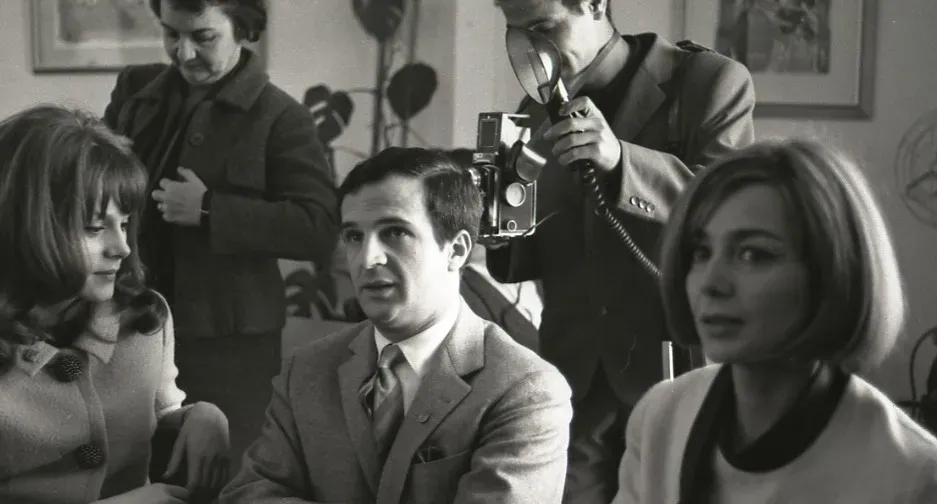
Truffaut wrote for Cahiers du Cinéma in the 1950s, and he wasn’t gentle. His 1954 essay on the tendencies of French cinema attacked the polished literary adaptations that dominated studios at the time. It helped sharpen the idea of the director as an author with a personal vision.
He then put that thinking into practice with The 400 Blows in 1959. The semi autobiographical drama earned him the best director prize at Cannes that year. It became a cornerstone of the French New Wave.
Jean-Luc Godard
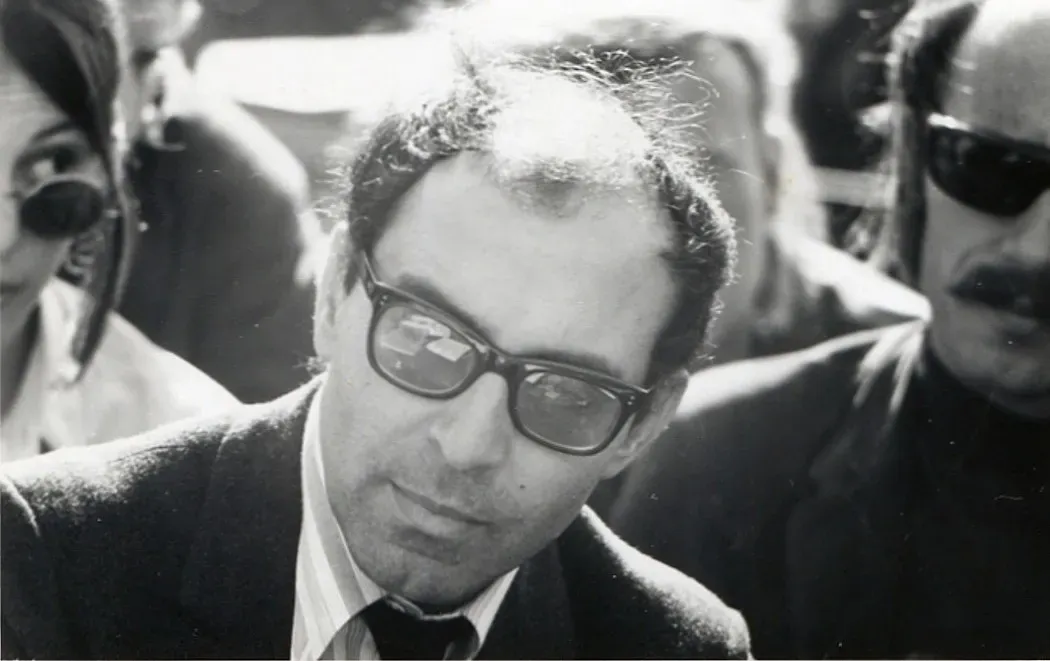
Godard began in the cine club scene of postwar Paris. In 1950 he helped start the short lived Gazette du Cinéma with Éric Rohmer and Jacques Rivette, then moved on to Cahiers du Cinéma. His criticism was restless, and it treated film writing as a creative act in itself.
His first feature, Breathless, arrived in 1960 from an idea by Truffaut. Its jump cuts and loose, street level style broke with the conventions of continuity editing. Critics and filmmakers have been borrowing from it ever since.
Éric Rohmer
Rohmer, born Maurice Schérer, was older than most of his Cahiers colleagues. He took over as the magazine’s editor in chief in 1957 and held the job until 1963. In that role he steered its writers toward serious, sometimes contrarian readings of Hollywood and European directors alike.
His own films were quiet and talky, and they were built around moral dilemmas. The Six Moral Tales cycle, which includes Claire’s Knee and Chloe in the Afternoon, made his name. Pauline at the Beach later won him the Silver Bear for best director at the 1983 Berlin festival.
Jacques Rivette
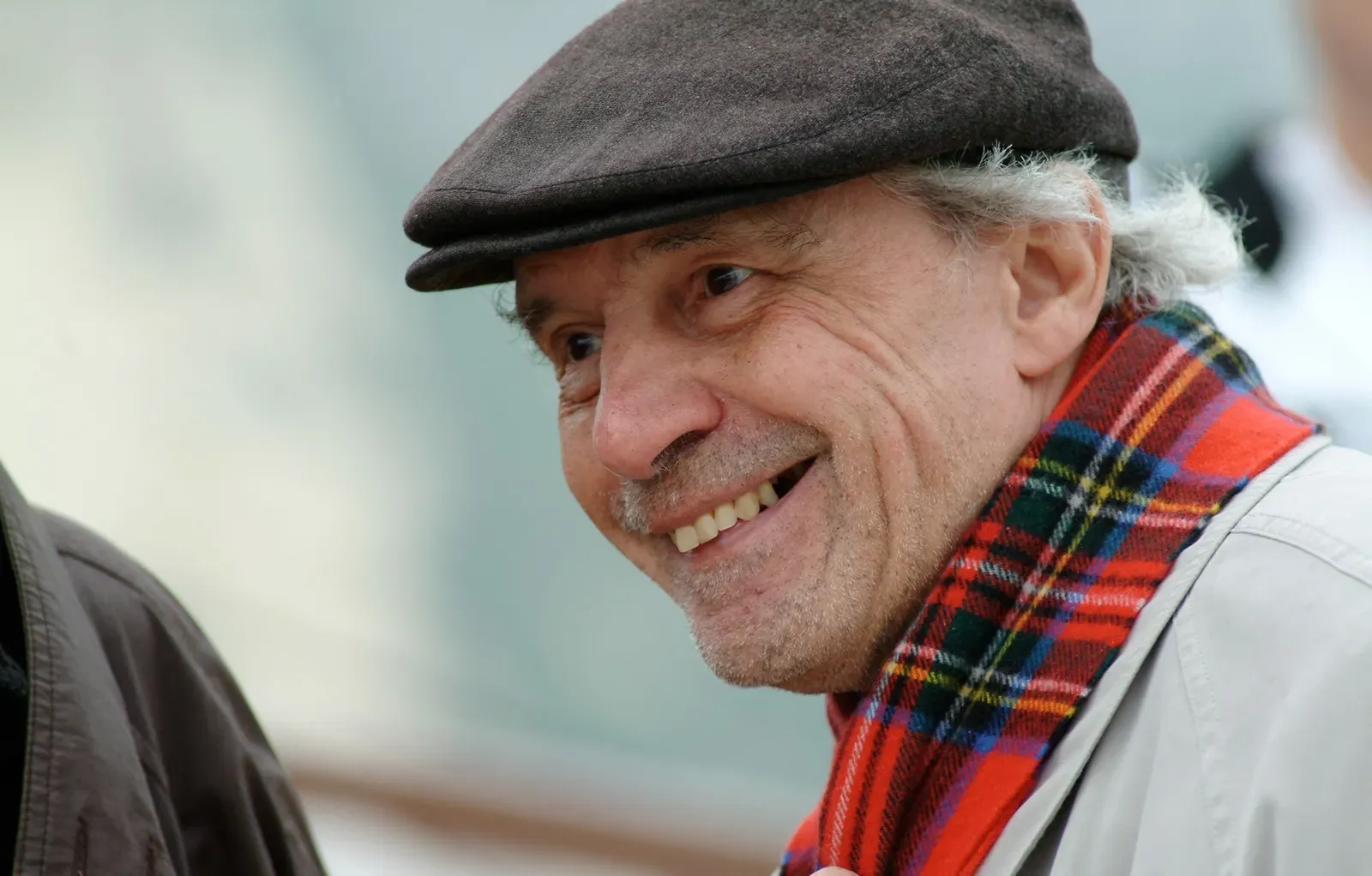
Rivette was a Cahiers critic who took over as editor in 1963 after Rohmer, and he stayed until 1965. His writing championed directors such as Howard Hawks and Roberto Rossellini. He had already been making short films before he started his first feature.
That feature, Paris Belongs to Us, came out in 1961 after a long, difficult production. He kept testing the limits of length and structure in later work. Out 1, shot in 1971, runs for roughly thirteen hours, and Céline and Julie Go Boating in 1974 became one of his best loved films.
Peter Bogdanovich
Bogdanovich worked in New York as a programmer and writer before he directed. He wrote program notes for Museum of Modern Art retrospectives and contributed to Esquire. He also wrote books and monographs on directors including Fritz Lang, Orson Welles and Alfred Hitchcock.
He then moved to Los Angeles and made his name as a director with The Last Picture Show in 1971. The film earned eight Academy Award nominations. Bogdanovich died in January 2022, and his critical writing remains a useful record of conversations with classic Hollywood directors.
Paul Schrader
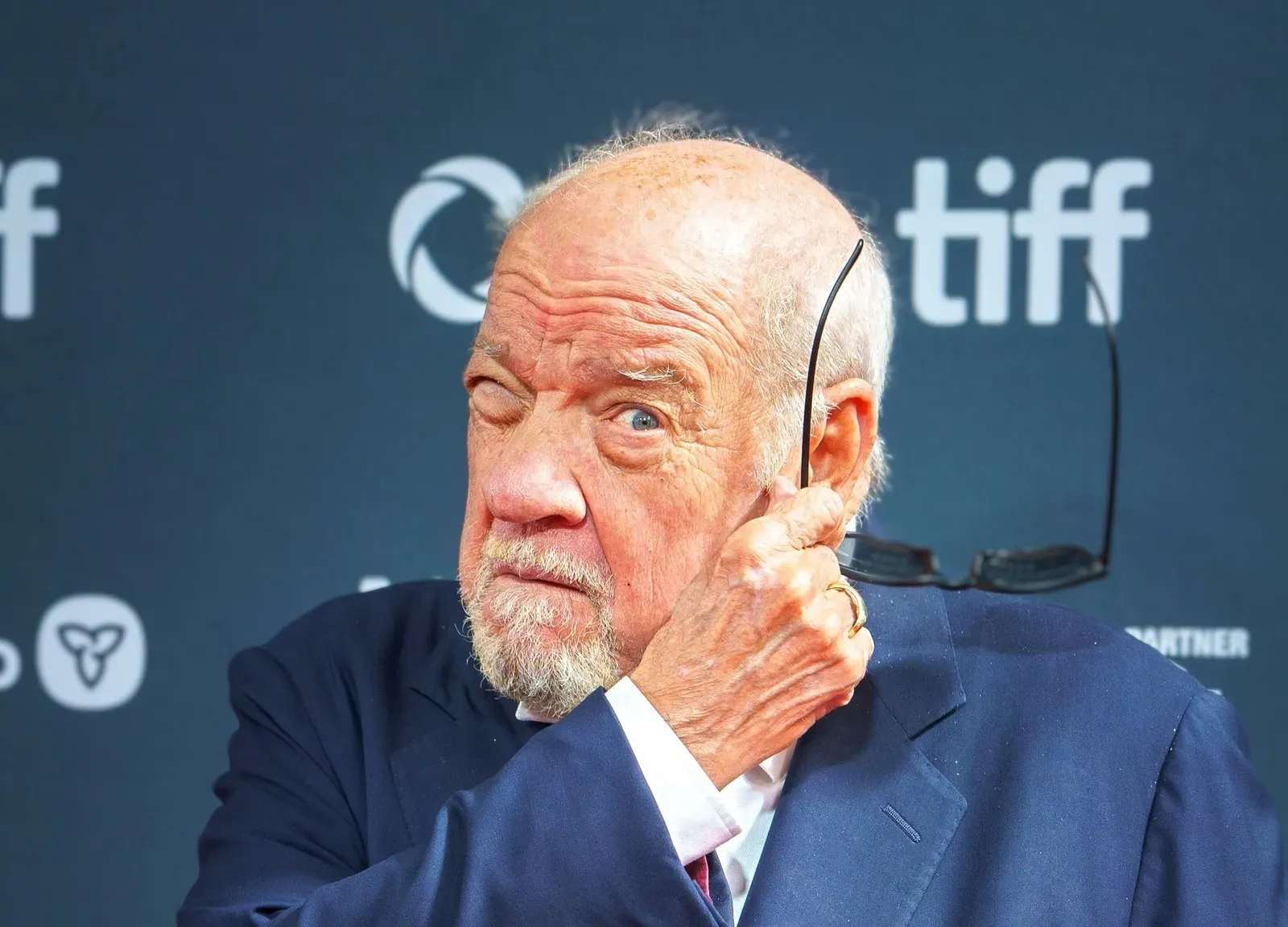
Schrader trained as a critic, writing for publications such as the Los Angeles Free Press and Cinema. His 1972 book Transcendental Style in Film looked at Yasujiro Ozu, Robert Bresson and Carl Theodor Dreyer. It is still widely read in film studies.
He first became known as a screenwriter, notably for Taxi Driver. He directed his debut, Blue Collar, in 1978, followed by American Gigolo in 1980. His later work includes First Reformed, which earned an Oscar nomination for original screenplay, and Oh, Canada, which premiered at Cannes in 2024.
Olivier Assayas
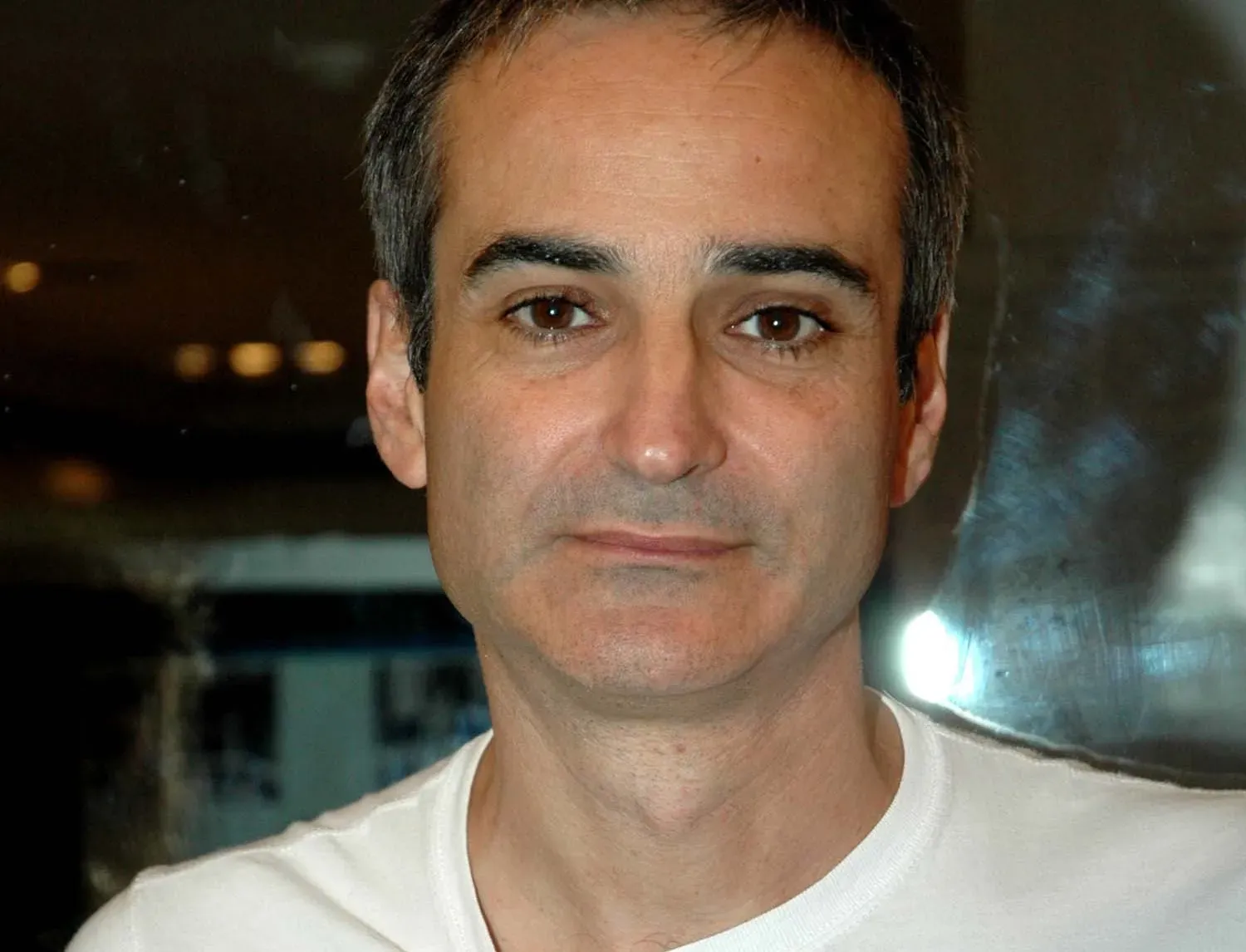
Assayas wrote for Cahiers du Cinéma in the late 1970s and into the 1980s, a later chapter of the same magazine that shaped Truffaut and Godard. He covered a wide range of cinema, including Asian film at a time when it received limited attention in France. Writing led him to short films and then features.
His film Irma Vep, released in 1996, is a playful look at the filmmaking process and a sly nod to French film history. Later, Personal Shopper brought him the best director prize at Cannes in 2016, shared with Cristian Mungiu. His career shows the Cahiers tradition didn’t end with the New Wave.