
The Academy Awards have a long memory, and a strange one. Some of the most studied filmmakers in history never walked to the stage with the directing statuette in hand.
Here are eight directors who were nominated, sometimes many times, and still went home without the award. Each entry sticks to nominations that are easy to verify.
Alfred Hitchcock
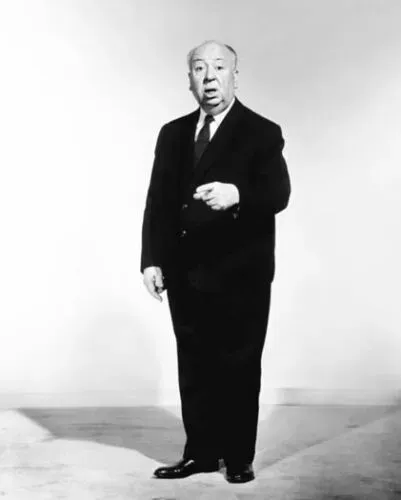
Hitchcock earned five Best Director nominations. They came for Rebecca, Lifeboat, Spellbound, Rear Window and Psycho, a run that covers the 1940s and 1960. Not one turned into a win.
The Academy did recognize him in 1968 with the Irving G. Thalberg Memorial Award. That honor came instead of a competitive directing prize. His name is still the one people reach for first when they talk about Oscar snubs.
Stanley Kubrick

Kubrick was nominated for directing four times, for Dr. Strangelove, 2001: A Space Odyssey, A Clockwork Orange and Barry Lyndon. Those films are all regularly listed among the best of their decades. The directing award never came.
His only competitive Oscar was for the visual effects of 2001. That’s a nice irony, since the film’s look was so tied to his own obsessive supervision. It’s the closest he got to a win.
Robert Altman
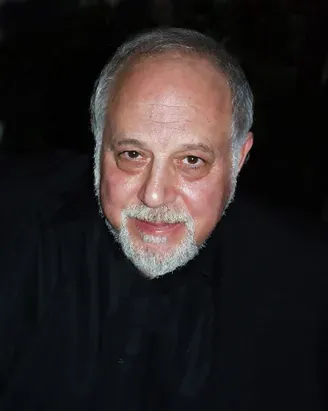
Altman was nominated for Best Director five times, for M*A*S*H, Nashville, The Player, Short Cuts and Gosford Park. His overlapping dialogue and sprawling casts made him one of the most distinctive American voices of the 1970s and beyond. Voters kept nominating him but never chose him as the winner.
The Academy gave him an honorary Oscar in 2006. He died later that year. The honor recognized a career that competitive categories had repeatedly passed over.
David Lynch

Lynch received three Best Director nominations, for The Elephant Man, Blue Velvet and Mulholland Drive. All three films are strange, and voters rarely reward strangeness. He was in contention across more than two decades.
He received an honorary Oscar at the Governors Awards in 2019. He died in January 2025, and the tributes that followed often noted how far his work sat from Oscar convention. That distance is part of why his nominations felt like small surprises in the first place.
Sidney Lumet
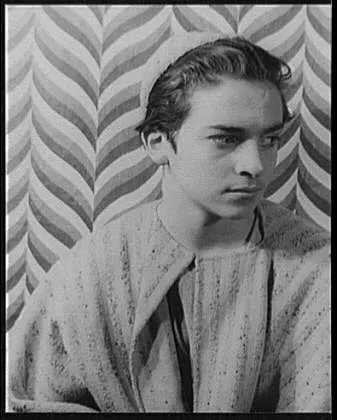
Lumet was nominated four times for directing, for 12 Angry Men, Dog Day Afternoon, Network and The Verdict. Each of them is a tightly built drama, and they’ve aged remarkably well. Many of those films also earned nominations elsewhere, but his own category stayed out of reach.
He received an honorary Oscar in 2005. Its presentation acknowledged a body of work spread over decades, mostly set in New York. He kept working for years after the award.
Orson Welles
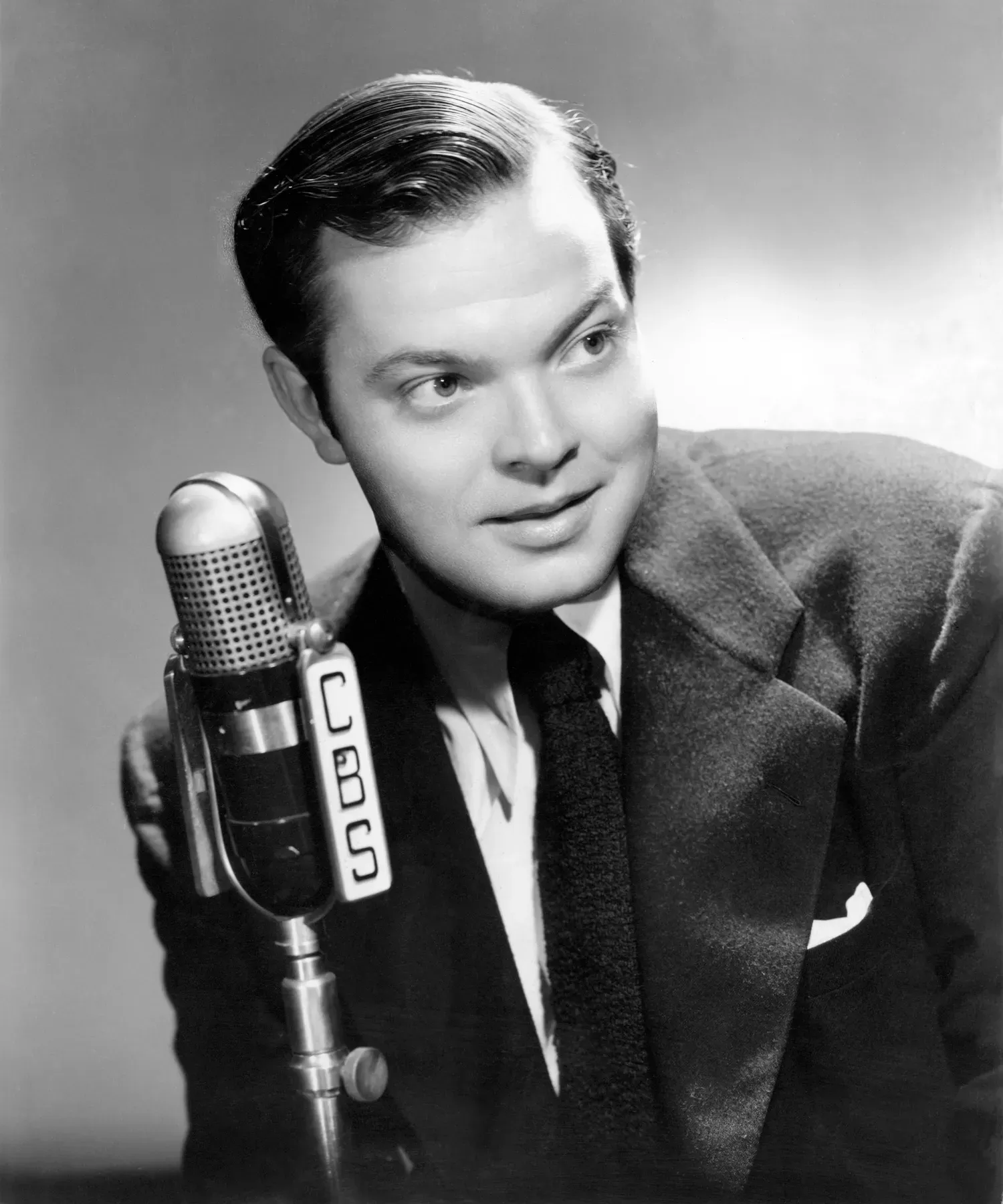
Welles was nominated for Best Director for Citizen Kane, a film he also starred in and co-wrote. The film is still cited in critics’ polls as one of the greatest ever made. Even so, the directing category went to someone else that year.
He did win an Oscar for the Kane screenplay, sharing it with Herman J. Mankiewicz. So the film was honored, just not his direction. The gap between its reputation and its awards tally has become part of its legend.
Ridley Scott

Scott has three Best Director nominations, for Thelma & Louise, Black Hawk Down and Gladiator. He has never won, despite a long and commercially strong career. His nominations spread across more than a decade, from 1991 to 2001.
Gladiator won Best Picture at the 2001 ceremony, so the film itself was rewarded. The producers took that trophy, though, not Scott. That leaves him in the odd position of having made a Best Picture winner without winning for directing it.
David Fincher

Fincher has been nominated for Best Director three times. Those nominations were for The Curious Case of Benjamin Button, The Social Network and Mank. They span about twelve years and show how steadily the Academy has respected his precision.
He hasn’t won yet, and he is still active, so his tally could change. For now he sits among the current directors who’ve been recognized repeatedly without the top prize. His films have often won craft awards, from editing to cinematography.