Music has always changed, and fans have always pushed back against it. That’s practically a tradition at this point. But the complaints circulating today feel different from earlier eras, less about genre drift and more about structural shifts that have quietly hollowed out the experience of being a fan or a working musician. The frustration isn’t nostalgic in the usual sense. It’s practical.
From the way songs get discovered to how much artists actually earn per play, the machinery behind the music has transformed in ways that touch nearly every part of the listening relationship. These are the seven changes fans point to most often when they say the industry lost something real.
The Streaming Payout Problem
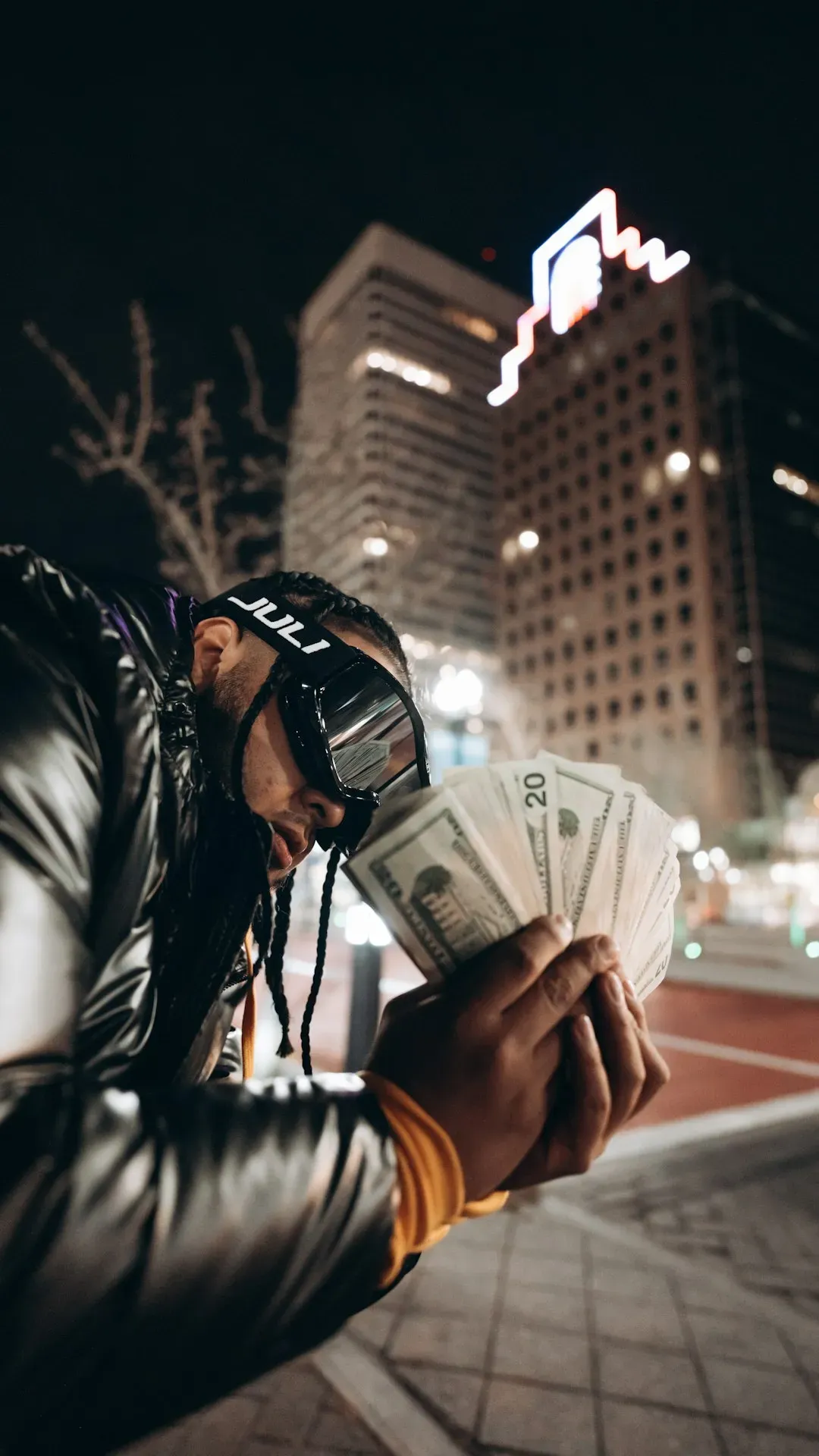
Streaming now dominates the recorded music business to a degree that’s hard to overstate. Streaming remained the biggest driver of US recorded music revenues at nearly $15 billion, with paid subscriptions, ad-supported services, and related platforms collectively accounting for roughly four-fifths of total revenues for the third year in a row. The numbers look impressive on paper. The reality for most artists is far more complicated.
Spotify pays roughly $0.003 to $0.005 per stream on average, and no platform pays a fixed rate – they pay a constantly shifting fraction of a pooled revenue system. For an independent artist, that adds up slowly. With the livable wage for a single adult in New Jersey sitting around $54,503 annually, an independent artist would need to accumulate roughly 13.6 million streams per year – or about 37,000 streams every single day – just to meet that threshold. That’s a number most artists will never reach.
Minimum Stream Thresholds That Cut Out Small Artists
The frustration with streaming payouts goes deeper than per-stream rates. Since April 2024, Spotify has required a track to reach 1,000 streams within a 12-month window before it even enters the recorded music royalty pool. The platform’s stated reasoning is that it redirects money toward tracks with meaningful engagement. The side effect is significant.
With over 202 million tracks on Spotify, an estimated 87% of all tracks currently fall short of the 1,000-stream mark. That’s the vast majority of music on the platform effectively earning nothing. Findings from MIDiA show that the introduction of streaming thresholds, particularly those which demonetize, are taking a toll on the finances of emerging artists. Fans who care about smaller, independent voices see this as a structural bias in favor of whoever is already popular.
AI Music Flooding the Platforms
AI was the dominating trend in the music business in 2025, and nothing else came particularly close. The concern isn’t just philosophical. It’s measurable. Deezer estimated in April 2025 that 18% of the content uploaded to their platform every day is AI generated. Some of this represents legitimate creative use of AI tools by real artists, but a growing portion involves bad actors generating fake tracks and using bots to harvest royalties – a problem that has reached criminal prosecution level.
AI learning models are being given almost unrestricted access to huge catalogs of music – often without the consent of the artists who created it – and AI-generated music turns those human-made tracks into releases that earn money without any attribution to the original artists who influenced the model. One documented case involved a North Carolina man who pleaded guilty after creating hundreds of thousands of songs with AI and using automated bots to fraudulently stream them billions of times, obtaining more than $8 million in royalties. Fans who feel this pollutes the listening environment have a point that’s hard to dismiss.
The Ticketing Monopoly
Getting into a live show has become one of the most contested experiences in music fandom. A jury found Live Nation and Ticketmaster operated as a monopoly in its dominance of the live events and ticketing industry, validating complaints that the industry giant was stifling competition and driving up fees for fans. The landmark verdict arrived in April 2026, but fans had been voicing this frustration for years.
Ticketmaster was found liable for monopolizing primary ticketing services to major concert venues by facilitating 86% of ticketing for these venues, 70% of which are controlled by its parent company. Ticketing practices and marketing consolidation have affected live music affordability for fans, with even major festivals like Coachella visibly impacted – in 2025, payment plans were utilized by more than half of general admission attendees. That tells you something about where prices have landed.
The Algorithmic Discovery Machine
Finding new music used to involve some degree of human curation – a radio DJ’s taste, a friend’s recommendation, a record store clerk who actually cared. Today, recommendation is largely algorithmic. There has been a clear shift toward passive listening, where audiences rely on curated playlists rather than actively pursuing particular artists. The result is a kind of wallpaper effect where music plays in the background without forming real connections.
There is so much music available on streaming platforms that many listeners end up listening passively, which is fine for one-off streaming revenue but not ideal for building a devoted community of fans who keep coming back for more. Fans who remember discovering an album through genuine word of mouth tend to feel the algorithm-driven model produces a shallower relationship between listener and artist. It’s not wrong to want more than a playlist built around your recent activity.
The Collapse of Artist Royalty Shares Under Major Labels
The grievances around major label deals have existed for decades, but the streaming era has sharpened them. Where the industry standard is for artists to receive around 20% of the royalties from their music, newer platforms are exploring models that allow artists to receive 50% or more. That gap is striking when you consider the scale of modern streaming revenue.
Music workers create the enormous wealth that streaming platforms accumulate for their CEOs and investors year after year, yet artists continue to be underpaid, misled, and otherwise exploited by streaming platforms. While artists experience declining wages and increasingly precarious employment, the music industry as a whole has reaped unprecedented profits, and CEOs of tech companies have become billionaires. The Living Wage for Musicians Act, introduced in Congress, proposed a minimum penny per stream – an amount calculated specifically to provide a working-class artist a living wage from streaming. It hasn’t passed, and the imbalance remains very much in place.
The Touring Economy Has Flipped
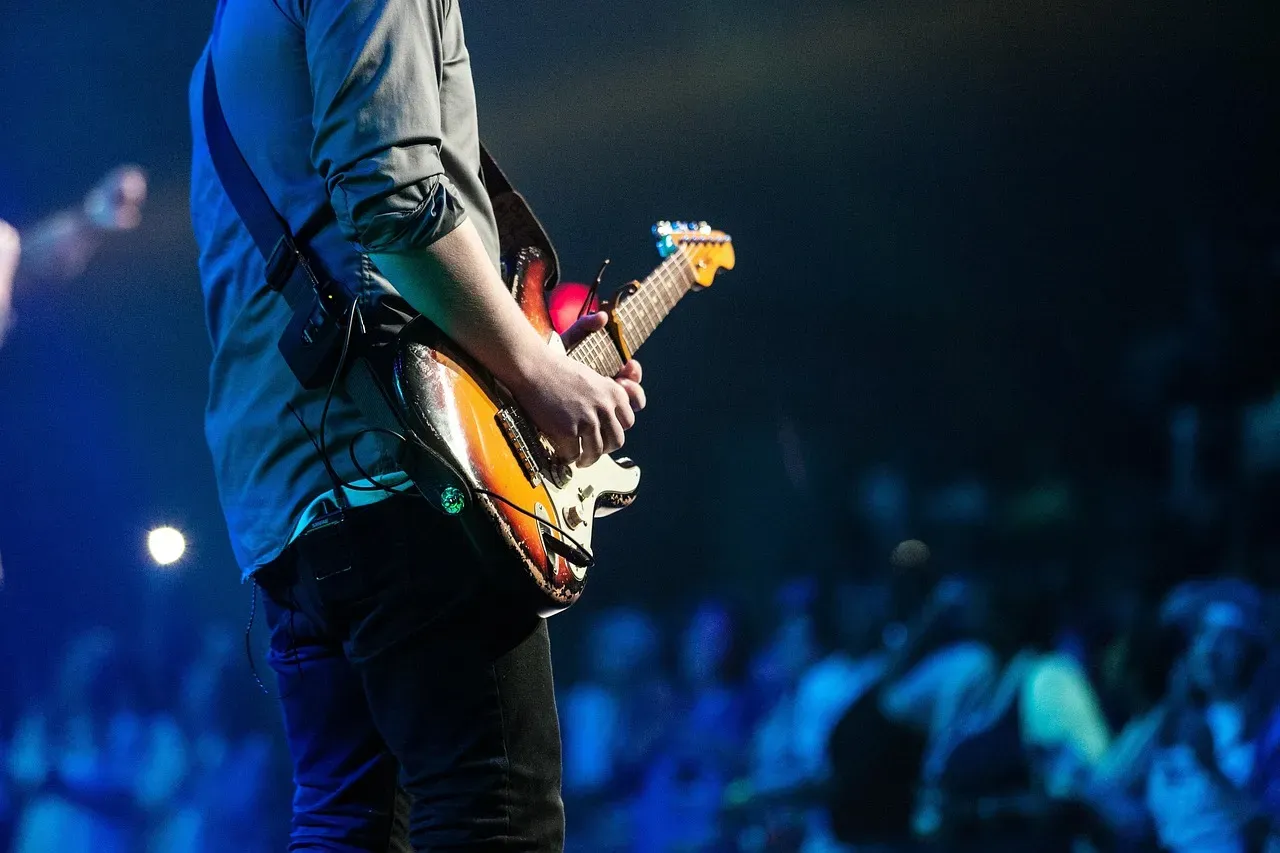
There was a time when an album came out and artists toured to support it. That logic has quietly reversed. The function of touring has changed fundamentally. Bands no longer use tours to promote their album – they use their album for tour promotion. Live music has become decentralized from the listening experience, leading artists to experiment with ways to make concerts more attractive and cultivate fan communities.
This shift puts enormous financial pressure on artists who don’t already have a large enough following to fill venues at elevated ticket prices. Venues are closing at an unprecedented rate, people are going out less than ever, and touring is increasingly financially unviable, even as Live Nation continues to grow its market share. The model that once let mid-level artists sustain careers through consistent touring has narrowed considerably, and fans who value live music as a central part of the experience are left with fewer, more expensive options.
None of these seven changes happened in isolation, and that’s part of what makes the frustration so persistent. Each one feeds the others. Low streaming payouts push artists toward live revenue. Monopolized ticketing makes that live revenue harder to access. Algorithmic discovery flattens the scene. AI content floods already strained platforms. The picture that emerges isn’t of a malicious industry so much as a system optimized for scale at the expense of depth. Whether it can rebalance in favor of artists and genuine fans is the real question heading into the rest of this decade.