Hollywood loves a trilogy. Studios plan them, announce them, sometimes even film half of them before something goes wrong. A lackluster opening weekend, a script that never lands, a rights deal that falls apart in a boardroom somewhere, and suddenly a planned saga becomes a single, orphaned film. What follows are seven franchises that had real momentum, real stories left to tell, and real audiences waiting, only to be cut off before the credits could roll on a proper ending.
1. The Divergent Series
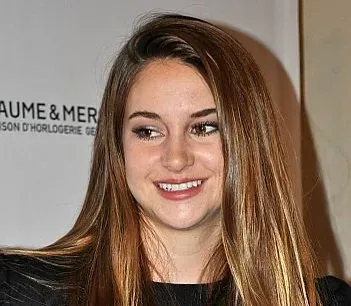
The Divergent films had a genuinely strong start. Lionsgate built a young adult franchise around Shailene Woodley’s Tris Prior, and the first movie in 2014 rode the same wave that had made Harry Potter, Twilight, and The Hunger Games into box office giants. Two sequels followed, Insurgent and Allegiant, but the franchise grossed only $765.4 million against a $305 million budget, just enough to break even, but not enough to warrant a continuation.
The planned finale, Ascendant, never made it to theaters. After the first chapter, the franchise released its two sequels, Insurgent and Allegiant; however, the fourth and final film, Ascendant, never made it to the screens due to Allegiant’s poor box office performance. Lionsgate tried pivoting the ending into a television movie, but the cast balked. Woodley was asked about the decision at a red-carpet event right after the news broke and admitted she would have to learn more about the project before deciding, ultimately passing because she hadn’t signed on to do another television project. The story of a genetically divided Chicago never got its intended send-off, and Veronica Roth’s fans were left with a cliffhanger that has now sat unresolved for a decade.
2. The Amazing Spider-Man
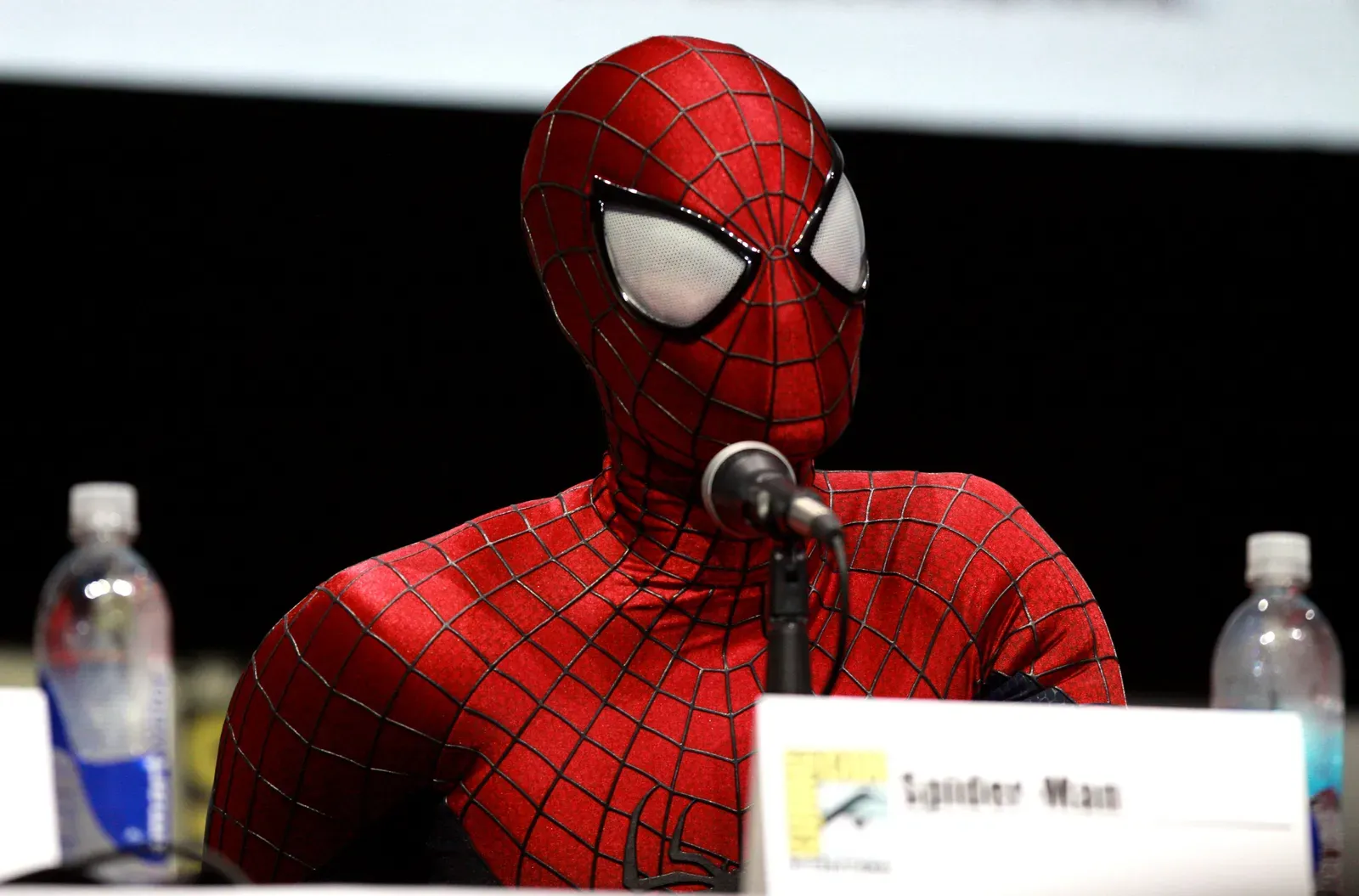
Marc Webb’s reboot with Andrew Garfield was supposed to run for four films. Sony weaved a web of interconnected films with The Amazing Spider-Man 2 at the center, meant to be the springboard for its own Spidey universe, continuing with a third installment set for June 10, 2016 and a fourth for May 4, 2018. Instead, the second film’s underwhelming reception combined with a corporate deal changed everything.
In February 2015, Variety reported that Spider-Man would join the Marvel Cinematic Universe, and even though moviegoers and the MCU benefited from that deal, it meant The Amazing Spider-Man 3 was cancelled and Garfield’s version of the character would never get to finish his story. Garfield eventually returned as an alternate-universe Spider-Man in No Way Home, giving fans a taste of closure, but the trilogy he originally signed on for was never completed as planned.
3. John Carter
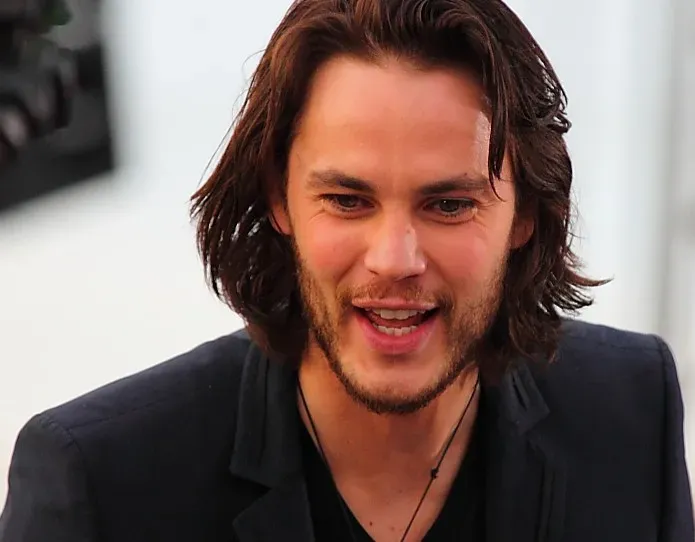
Disney bet enormous money on turning Edgar Rice Burroughs’ century-old pulp hero into its next Star Wars. Director Andrew Stanton, fresh off Pixar’s biggest hits, had outlined a full trilogy. Then the numbers came in. The Taylor Kitsch-led film saw its $263 million budget reap rewards of just $284 million, leaving Disney with a reported $200 million deficit and killing off the chance of a sequel ever seeing the light of day.
The fallout reached beyond the film itself. Disney’s then studio chief Rich Ross resigned the same year, taking the fall for John Carter as well as several other over-budgeted box office bombs. Worse, Disney lost the rights to the property in 2014, and all hope for the sequels was lost, with Stanton’s promising ideas remaining dormant. A trilogy meant to compete with Avatar ended up as a cautionary tale about franchise ambition outrunning audience interest.
4. The Golden Compass
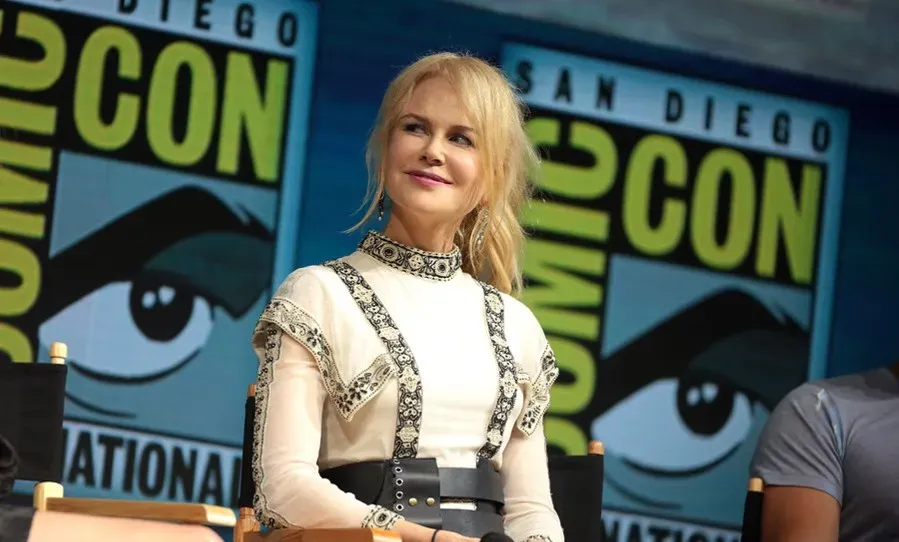
Philip Pullman’s His Dark Materials trilogy seemed like the next big fantasy adaptation after Lord of the Rings and Harry Potter. New Line Cinema acquired the rights hoping for exactly that kind of success, and cast Nicole Kidman, Daniel Craig, and newcomer Dakota Blue Richards for the first installment in 2007. But the film softened the books’ religious themes to avoid controversy, which backfired in more than one direction.
The film had a $180 million budget, yet only made $372 million at the box office, less than 2.5 times the initial budget, which was not enough to greenlight a sequel detailing the rest of the trilogy. Religious groups had boycotted the film over its perceived anti-Church themes, and while groups such as the Catholic League held boycotts and felt successful when the box office results were less than satisfying, despite the belief that controversy would propel earnings, the damage was done either way. It took twelve years and a different studio, HBO, to finally bring Lyra’s full story to the screen.
Partner offer
5. The Chronicles of Narnia (original film series)
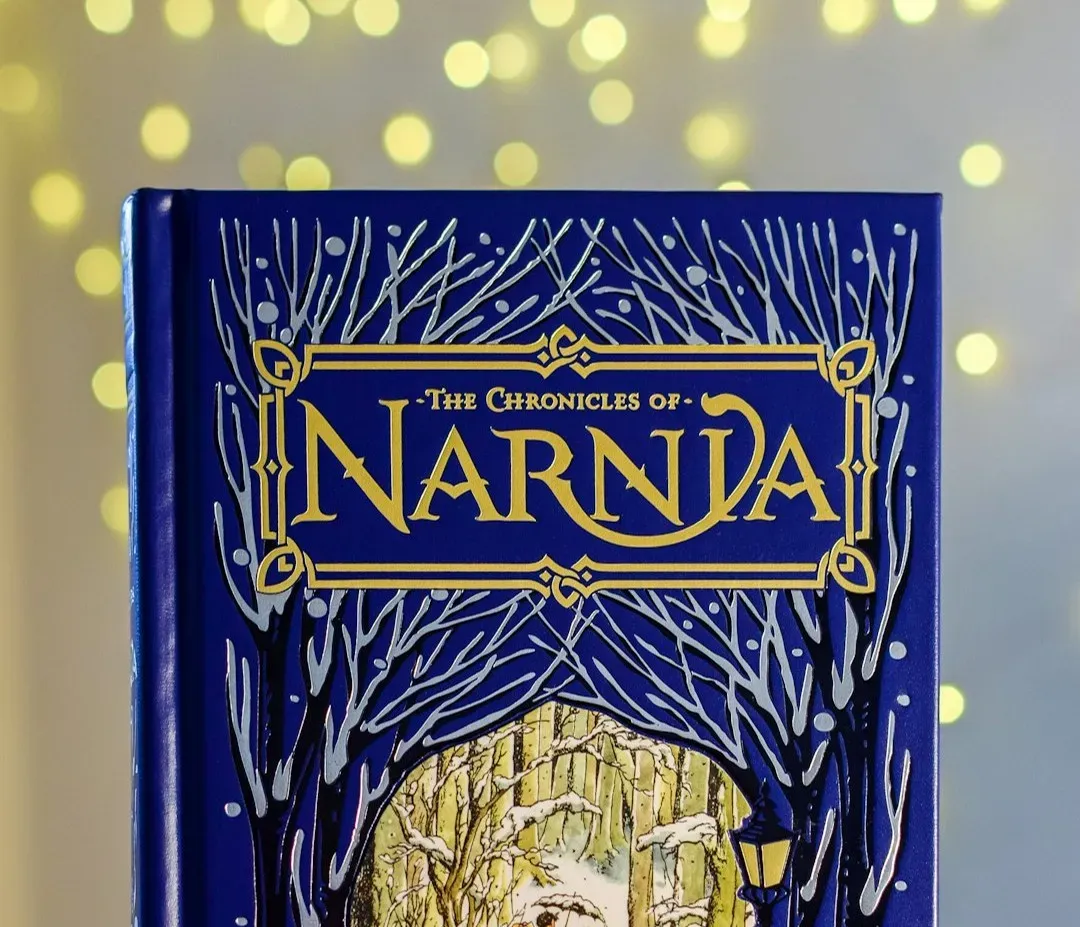
Disney and Walden Media launched their Narnia adaptations in 2005 with real momentum, following up with Prince Caspian in 2008. Then things slowed. The series ended with the disappointing Voyage of the Dawn Treader in 2010, and plans for The Silver Chair quietly stalled for more than a decade, passing between studios without ever reaching production.
The wait is finally ending, just not in the way anyone expected fifteen years ago. Netflix acquired the full rights and handed the reins to Greta Gerwig, and Narnia: The Magician’s Nephew will be released in theaters February 12, 2027, and on Netflix April 2, 2027. It is a genuine second chance for the franchise, though it says something about how long “” can last that fans had to wait roughly seventeen years between endings and new beginnings.
6. The Dark Tower
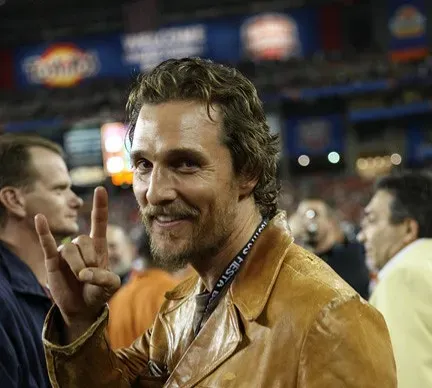
Stephen King’s sprawling Dark Tower saga was pitched as something unusually ambitious: a film series that would connect directly to a television show, sharing characters and storylines across mediums. Sony and MRC spent nearly a decade in development before the 2017 film, starring Idris Elba and Matthew McConaughey, finally reached theaters. The finished product compressed King’s eight-book series into a brisk hundred minutes, and audiences and critics alike found it thin.
The box office numbers were modest rather than catastrophic, but they were nowhere near enough to justify the planned television companion series or any sequel. The connected film-and-TV universe quietly disappeared, and no follow-up has materialized since. For a property King fans had waited years to see adapted properly, it was a deflating way to begin, and an even quieter way to end.
7. The Mortal Instruments
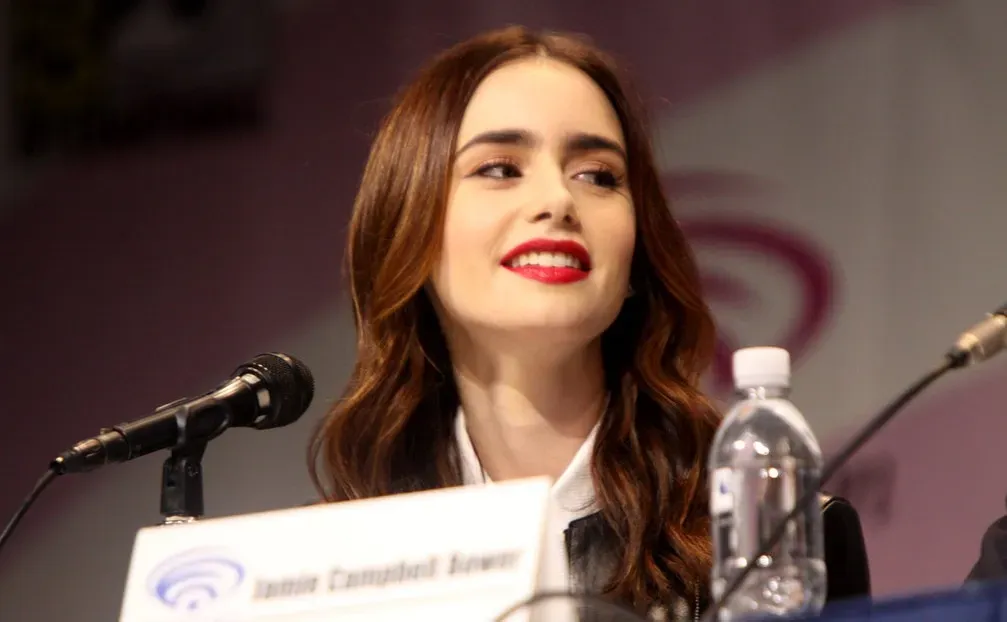
Cassandra Clare’s young adult series had a devoted readership when Sony adapted the first book, City of Bones, in 2013. The studio clearly had franchise ambitions, casting Lily Collins and Jamie Campbell Bower and building out an urban fantasy world of shadowhunters and demons meant to rival Twilight’s success. The film opened to soft numbers and mixed reviews, and Sony scrapped the planned sequel, City of Ashes, shortly after.
The property did not vanish entirely. A television adaptation, Shadowhunters, launched a couple of years later and ran for three seasons on Freeform, giving fans a version of the ongoing story. Still, the original film franchise, with its own cast and tone, ended after a single installment, another entry in the long list of YA adaptations that Hollywood abandoned once the numbers did not match the ambition.
Looking back at these seven franchises, a pattern emerges that has little to do with the quality of the source material and everything to do with timing and money. Studios greenlight trilogies on hope, then cancel them on spreadsheets. Some properties, like Narnia and His Dark Materials, eventually find their way back through television or streaming years later. Others, like John Carter and The Dark Tower, remain unfinished stories that audiences still bring up whenever the subject of great franchises that never got their ending comes around.Partner offer
Planning a trip to Vegas?
Compare hotel rates and show tickets on VEGAS.com.